About this artwork
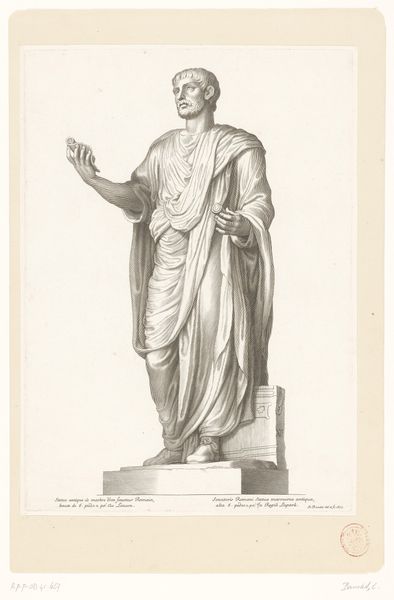
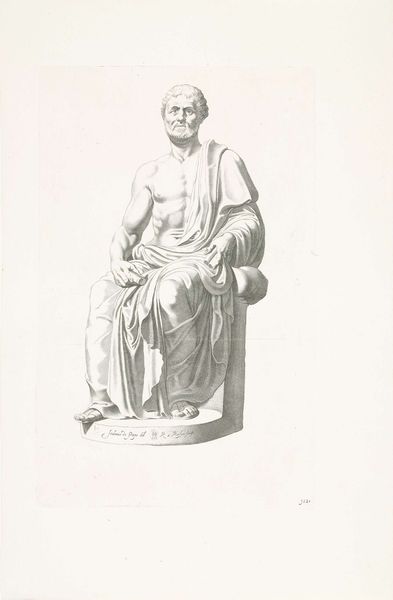
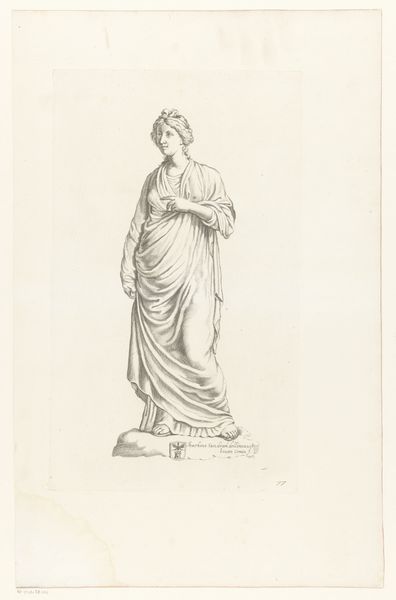
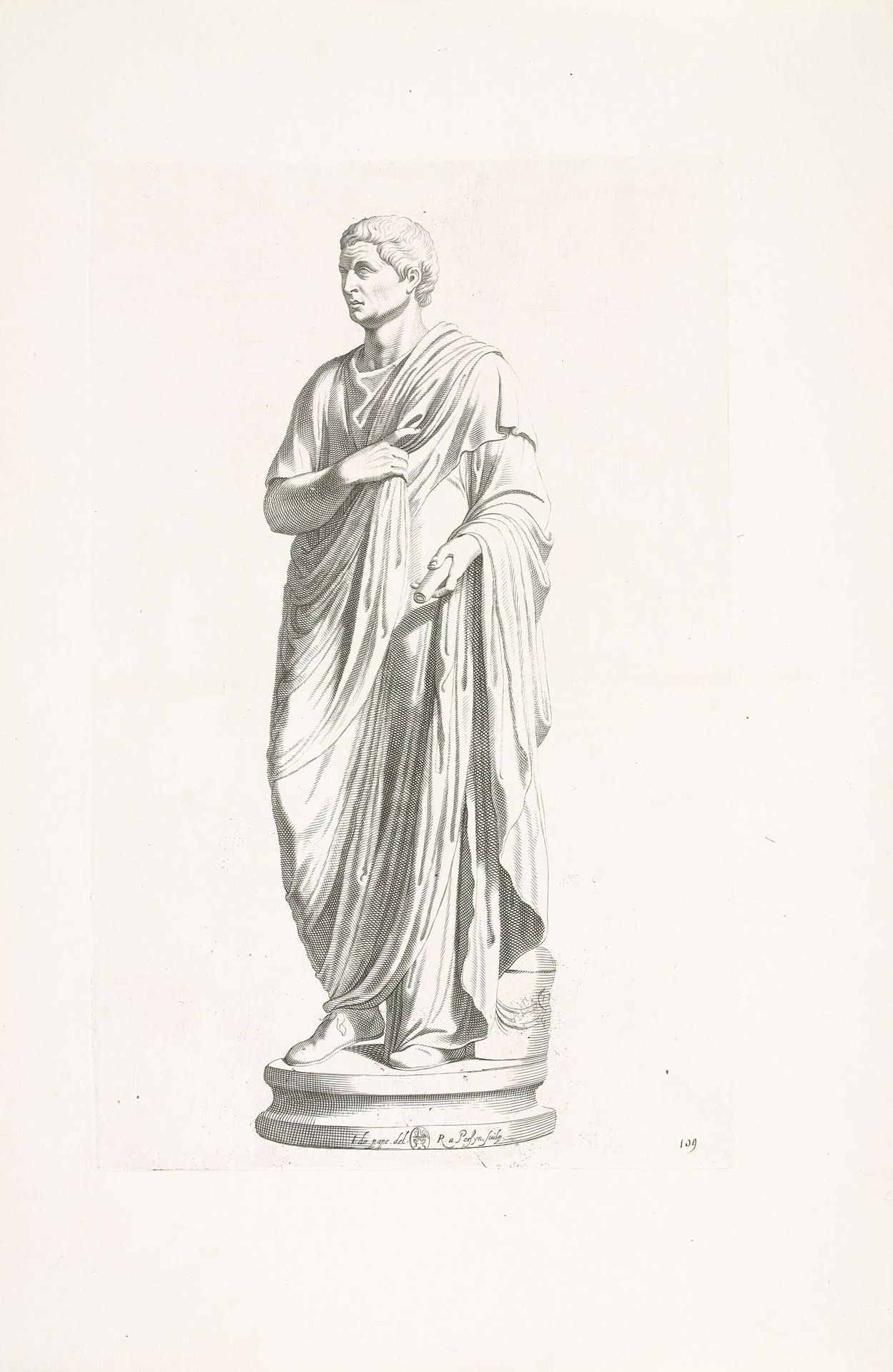
Reinier van Persijn made this print of a consul statue using etching, around the mid-17th century in the Netherlands. The consul's toga is a visual code for wealth and power, calling up the grandeur of classical Rome. But what would this imagery have meant to a Dutch audience in this period? The Netherlands, having recently won independence after a long struggle, looked to classical antiquity for models of republican self-government. Civic leaders frequently had themselves painted in classical garb to associate themselves with the virtues of the Roman republic. The image of a virtuous leader was thus closely associated with the institutions of self-government. To understand images like this more fully, we can examine how the display of classical imagery was used in contemporary political life. Research into archival records helps us understand the social and institutional context that gives meaning to this image.

Artwork details
- Medium
- drawing, print, pencil, graphite, engraving
- Dimensions
- height 367 mm, width 232 mm
- Location
- Rijksmuseum
- Copyright
- Rijks Museum: Open Domain
Tags
Comments
Share your thoughts
About this artwork
Reinier van Persijn made this print of a consul statue using etching, around the mid-17th century in the Netherlands. The consul's toga is a visual code for wealth and power, calling up the grandeur of classical Rome. But what would this imagery have meant to a Dutch audience in this period? The Netherlands, having recently won independence after a long struggle, looked to classical antiquity for models of republican self-government. Civic leaders frequently had themselves painted in classical garb to associate themselves with the virtues of the Roman republic. The image of a virtuous leader was thus closely associated with the institutions of self-government. To understand images like this more fully, we can examine how the display of classical imagery was used in contemporary political life. Research into archival records helps us understand the social and institutional context that gives meaning to this image.
Comments
Share your thoughts