About this artwork
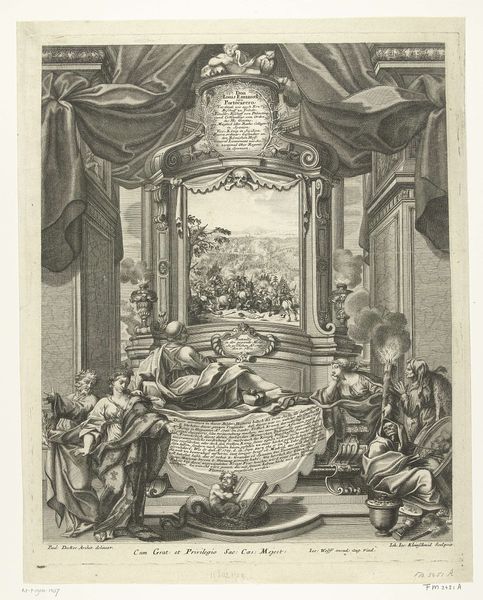
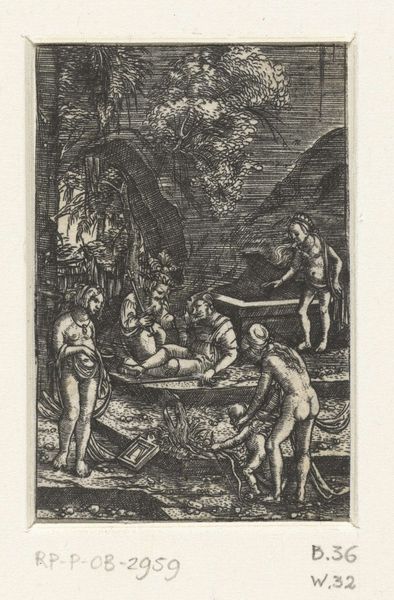
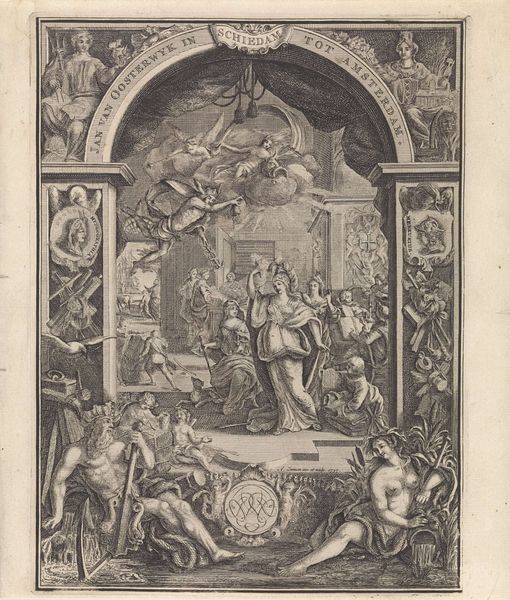
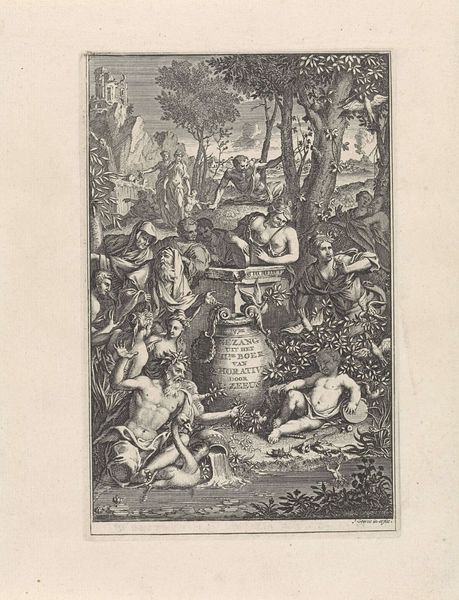
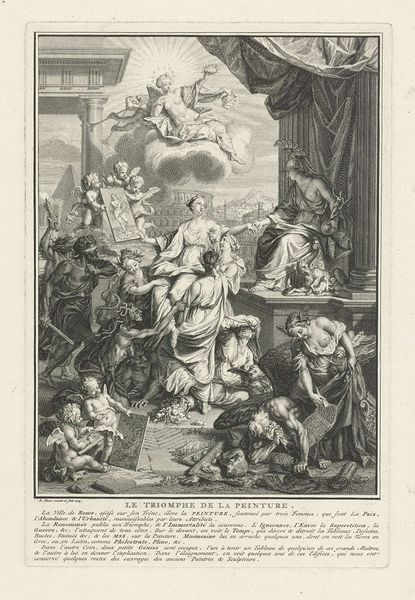
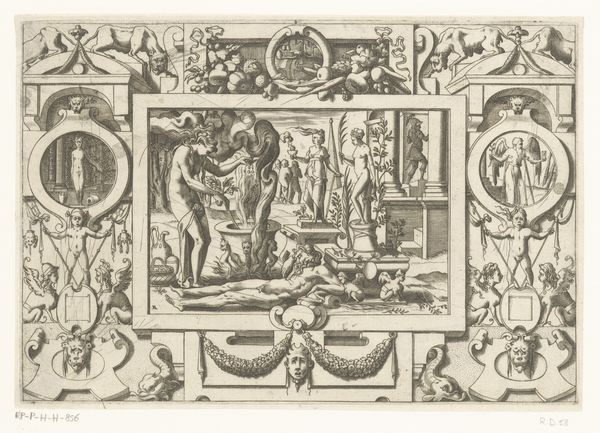
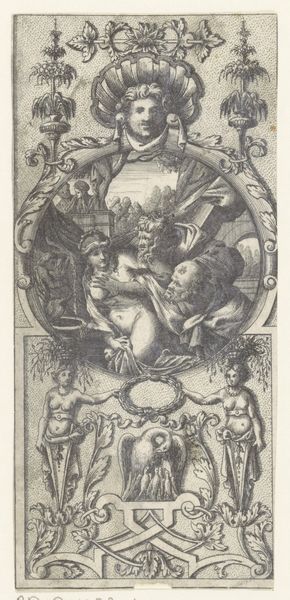
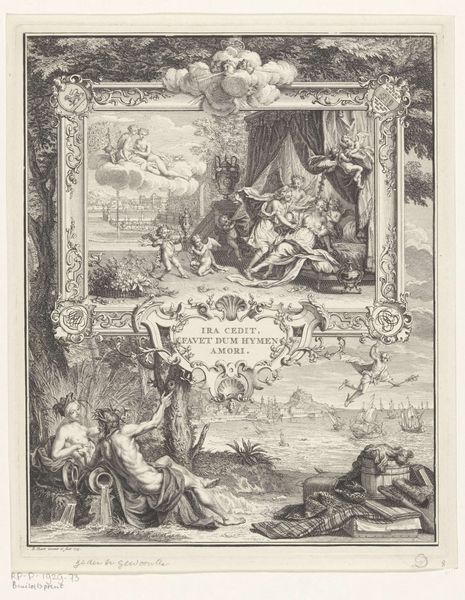
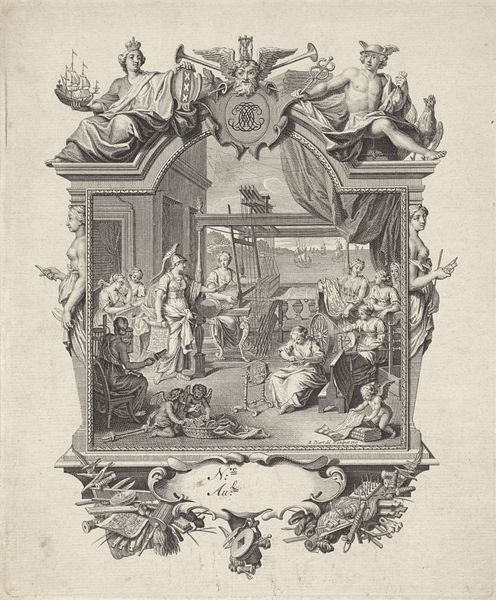
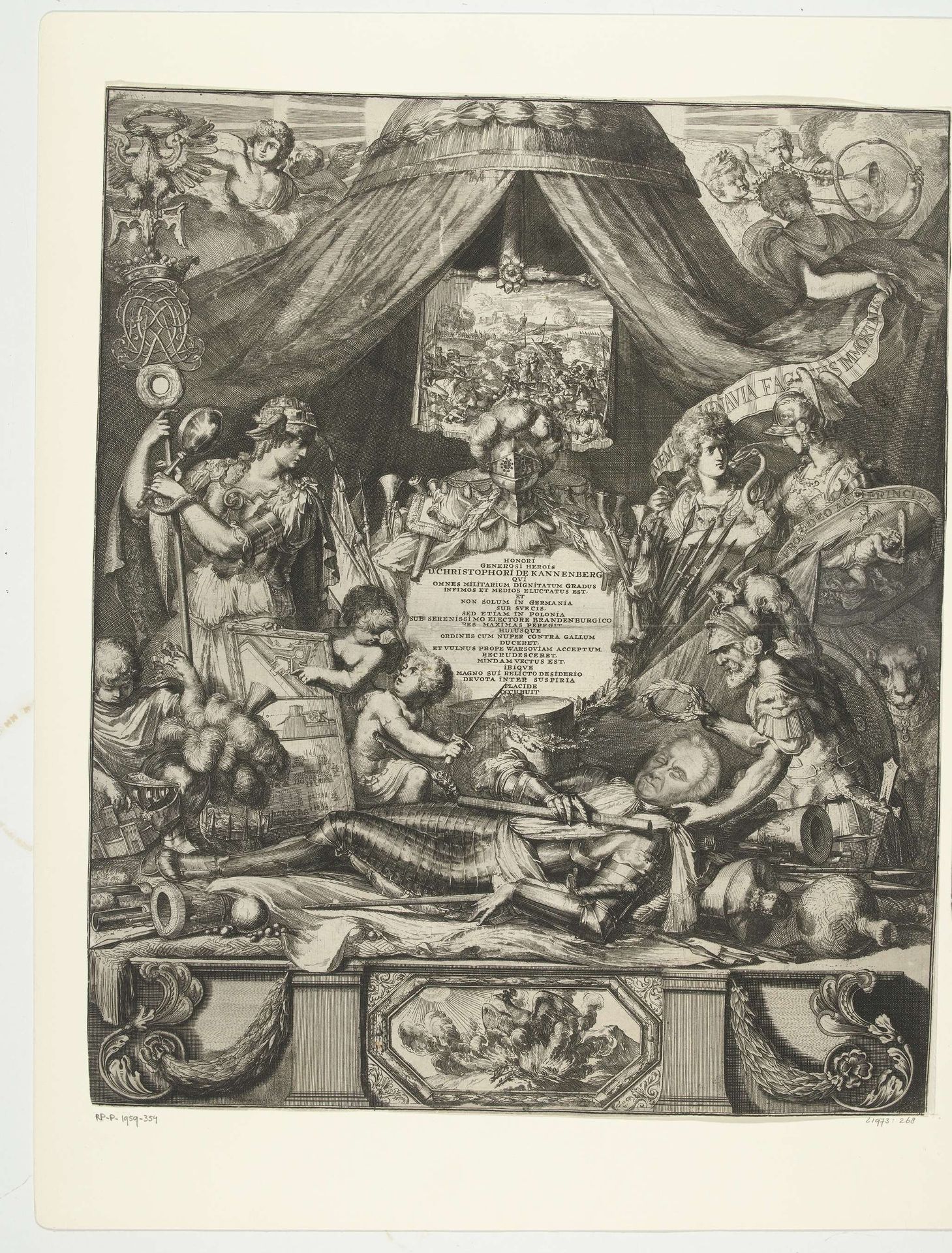
Romeyn de Hooghe made this etching in 1673, titled "Allegory on the Death of Christoph von Kannenberg." Etching is a printmaking process that uses acid to create lines in a metal plate, which then holds ink to make the final image. De Hooghe was a master of this technique, and here, he used it to create a complex and dramatic scene. Look closely, and you will see the incredible amount of labor that went into the making of this image. The material qualities of the etching—the fineness of the lines, the contrasts of light and dark, the sheer amount of detail—all contribute to the overall impact of the work. The process lends itself well to detailed narrative scenes like this one, which were often commissioned by wealthy patrons to commemorate important events. This etching, like many others of its time, reflects the social and economic structures that enabled its creation. In appreciating it, we can look beyond the image itself, and consider the labor, skill, and economic forces that brought it into being.
Allegorie op de dood van Christoph von Kannenberg, 1673
1673 - 1674

Romeyn de Hooghe
1645 - 1708Location
RijksmuseumArtwork details
- Medium
- print, etching
- Dimensions
- height 473 mm, width 396 mm
- Location
- Rijksmuseum
- Copyright
- Rijks Museum: Open Domain
Tags
portrait
allegory
baroque
etching
history-painting
Comments
Be the first to share your thoughts about this work.
About this artwork
Romeyn de Hooghe made this etching in 1673, titled "Allegory on the Death of Christoph von Kannenberg." Etching is a printmaking process that uses acid to create lines in a metal plate, which then holds ink to make the final image. De Hooghe was a master of this technique, and here, he used it to create a complex and dramatic scene. Look closely, and you will see the incredible amount of labor that went into the making of this image. The material qualities of the etching—the fineness of the lines, the contrasts of light and dark, the sheer amount of detail—all contribute to the overall impact of the work. The process lends itself well to detailed narrative scenes like this one, which were often commissioned by wealthy patrons to commemorate important events. This etching, like many others of its time, reflects the social and economic structures that enabled its creation. In appreciating it, we can look beyond the image itself, and consider the labor, skill, and economic forces that brought it into being.
Comments
Be the first to share your thoughts about this work.