About this artwork
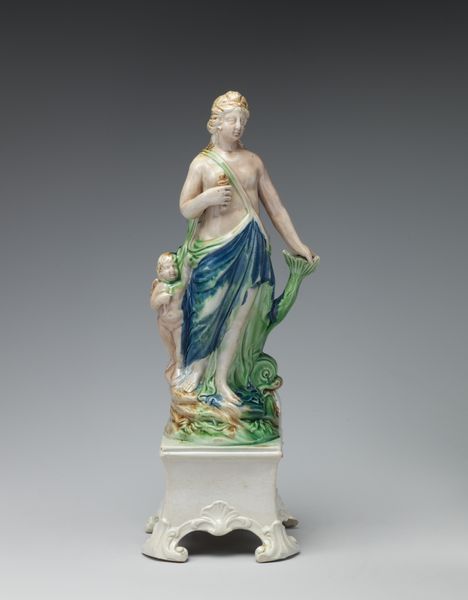
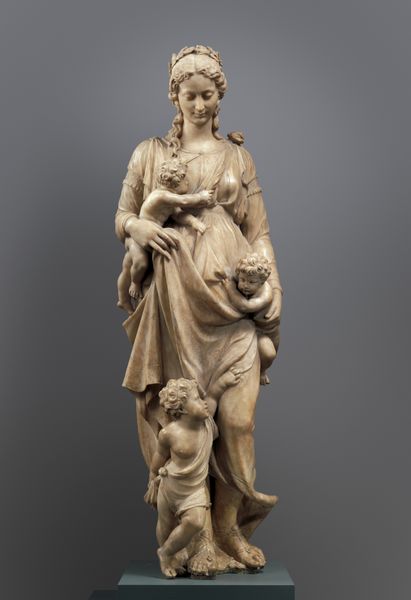
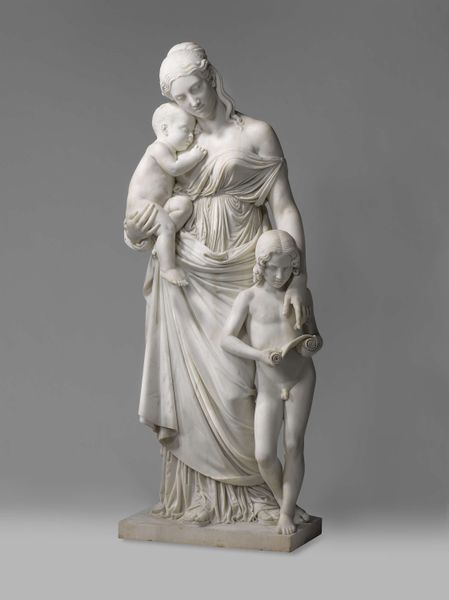
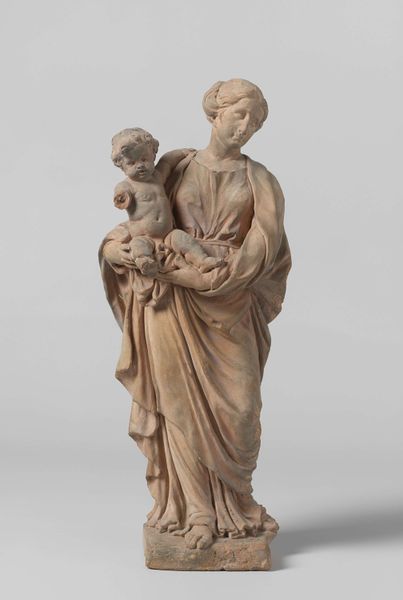
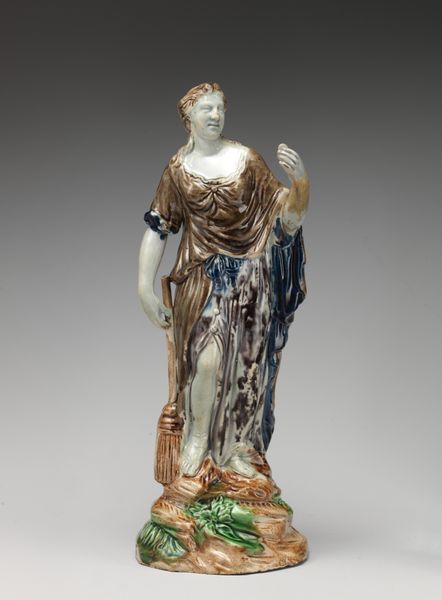
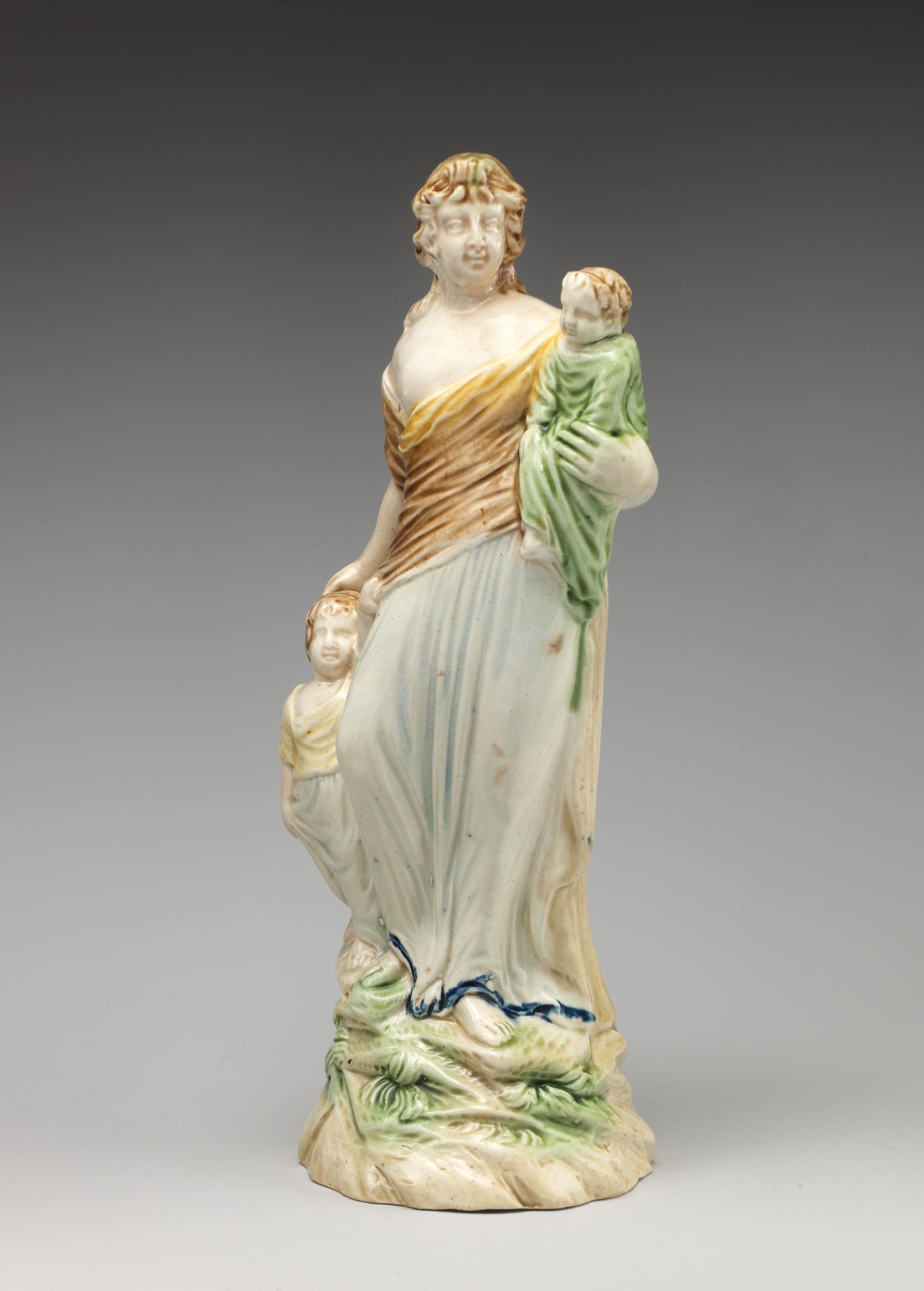
This is Ralph Wood the Younger's 'Charity,' a creamware figure standing just over 8 inches tall. The motif of Charity, often depicted as a woman with children, stretches back to antiquity, embodying divine love and compassion. Here, she is the epitome of gentle care, as we can tell from the tender posture of the characters. We see her as the embodiment of selfless giving, resonating with an ancient desire for benevolence and altruism. Consider the ‘Caritas Romana,’ where a daughter sustains her imprisoned father. This act of love, defying social norms, mirrors Charity’s universal embrace. Over time, the symbol shifts; Renaissance artists cloak Charity in flowing robes, emphasizing nurturing through breastfeeding, underscoring humanity's collective memory of care. The maternal instinct is a fundamental part of what we are, and something that has resonated with humans for centuries. This figure isn't merely an allegorical representation; it's a cultural touchstone. Its emotional power persists, engaging viewers with the timeless message of empathy and human connection.
Charity
1765 - 1785

Ralph Wood the Younger
1748 - 1795
The Metropolitan Museum of Art
Metropolitan Museum of Art, New York, NYArtwork details
- Dimensions
- Height: 8 1/8 in. (20.6 cm)
- Location
- Metropolitan Museum of Art, New York, NY
- Copyright
- Public Domain
Comments
Be the first to share your thoughts about this work.
About this artwork
This is Ralph Wood the Younger's 'Charity,' a creamware figure standing just over 8 inches tall. The motif of Charity, often depicted as a woman with children, stretches back to antiquity, embodying divine love and compassion. Here, she is the epitome of gentle care, as we can tell from the tender posture of the characters. We see her as the embodiment of selfless giving, resonating with an ancient desire for benevolence and altruism. Consider the ‘Caritas Romana,’ where a daughter sustains her imprisoned father. This act of love, defying social norms, mirrors Charity’s universal embrace. Over time, the symbol shifts; Renaissance artists cloak Charity in flowing robes, emphasizing nurturing through breastfeeding, underscoring humanity's collective memory of care. The maternal instinct is a fundamental part of what we are, and something that has resonated with humans for centuries. This figure isn't merely an allegorical representation; it's a cultural touchstone. Its emotional power persists, engaging viewers with the timeless message of empathy and human connection.
Comments
Be the first to share your thoughts about this work.