About this artwork
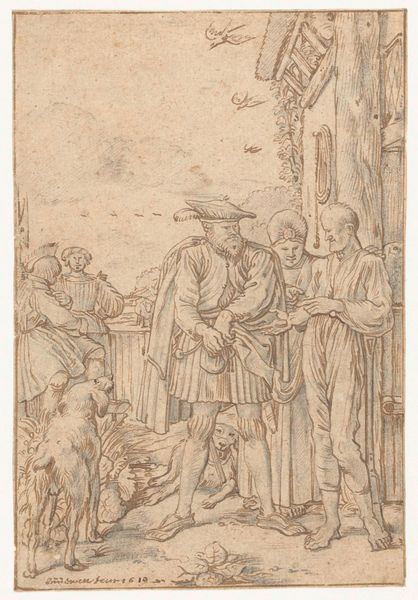
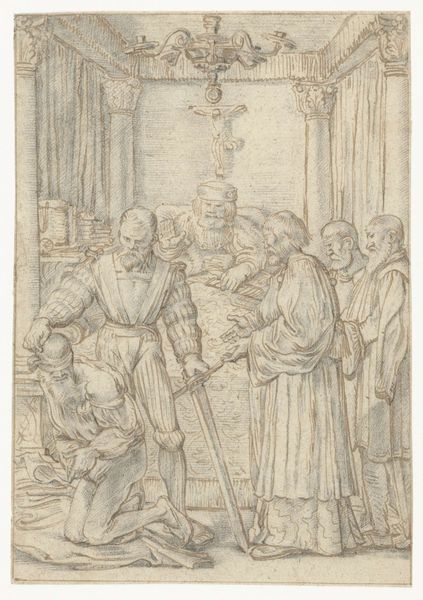
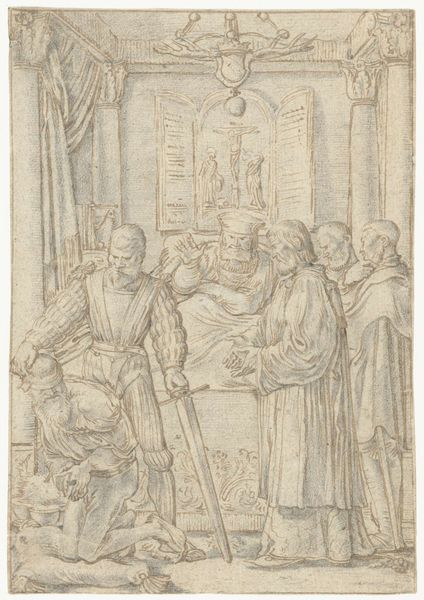
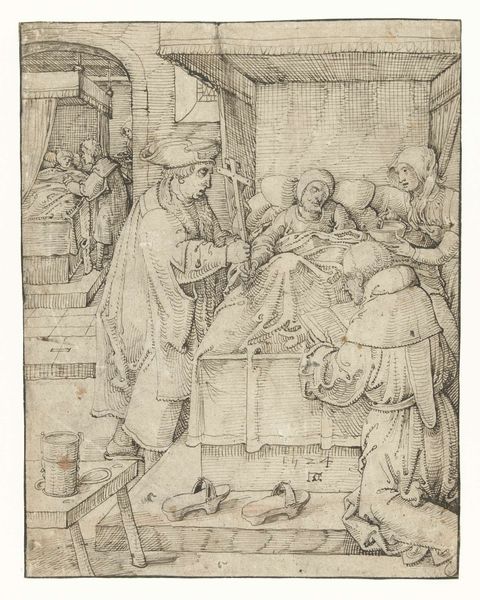
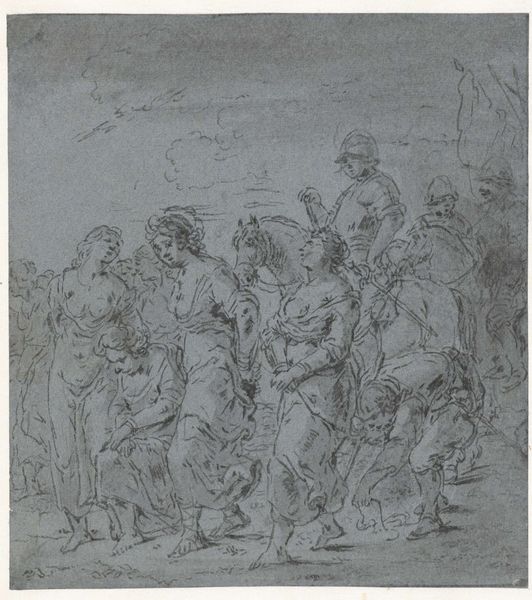
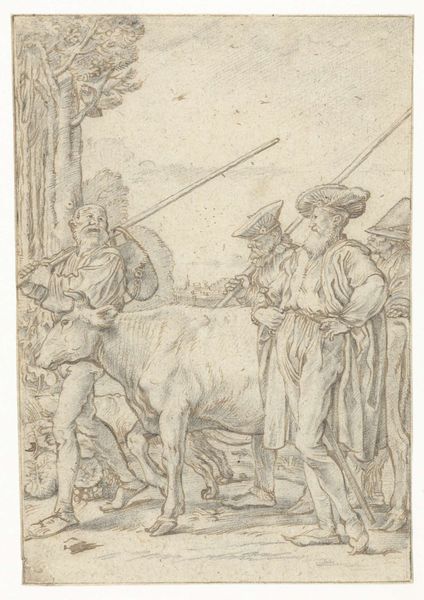
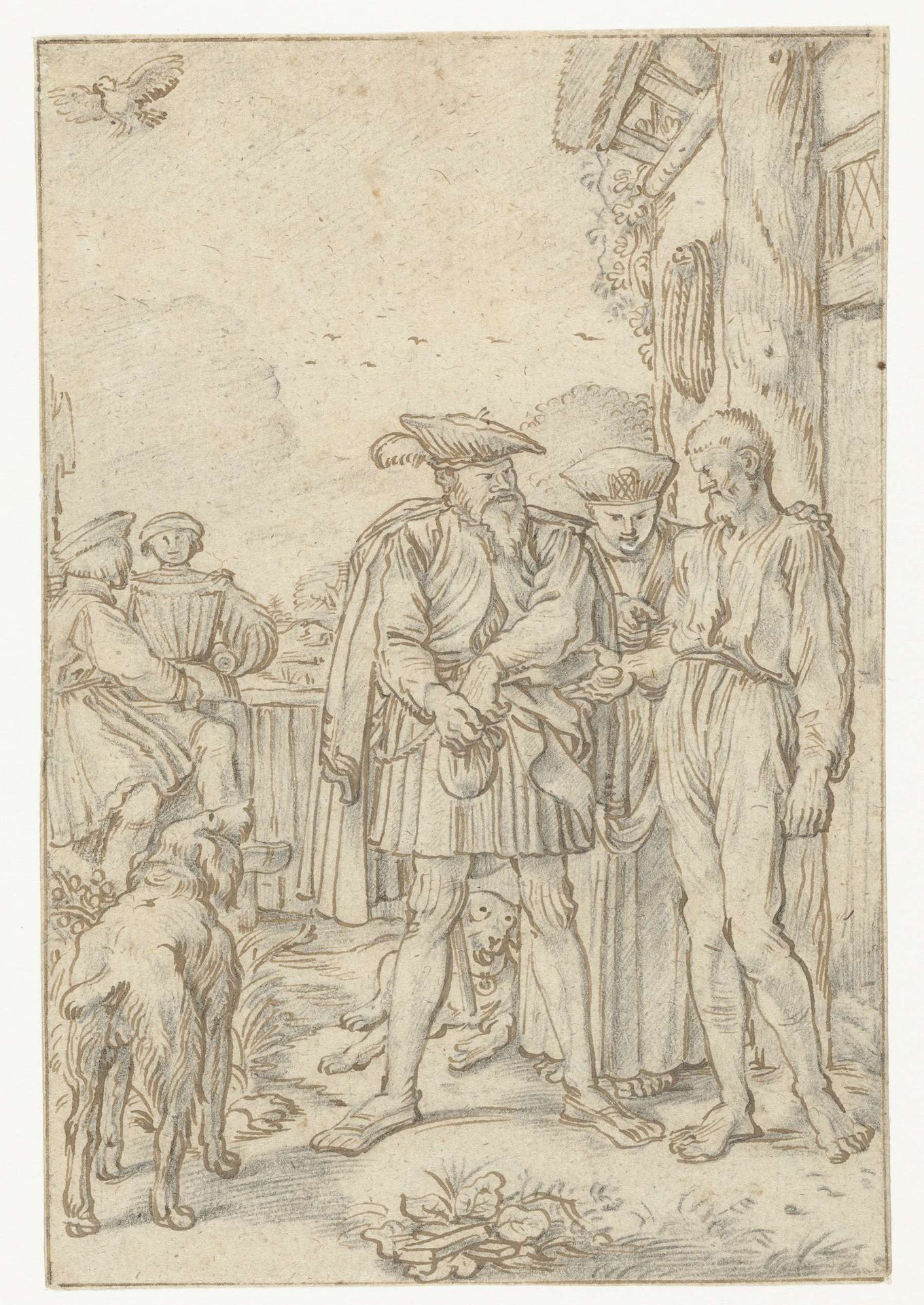
Willem Pietersz. Buytewech created this pen and brown ink drawing, titled "Schout van Dordrecht betaalt de boer schadevergoeding," during the Dutch Golden Age. The drawing depicts a bailiff from Dordrecht paying compensation to a farmer, offering a glimpse into the legal and social structures of the time. Buytewech's choice to illustrate this scene is intriguing. What does it mean to see the law in action, in this intimate setting? The act of compensation suggests an attempt to balance power dynamics. Yet, it also underscores the inherent class differences of 17th century Netherlands. The body language of the figures, their attire, and the setting all speak to a society deeply stratified by wealth and status. Buytewech invites us to consider the emotional weight of these transactions, and how the scales of justice can be both a tool for equity and a reminder of existing social hierarchies.
Schout van Dordrecht betaalt de boer schadevergoeding
1618

Willem Pietersz. Buytewech
1591 - 1624Location
RijksmuseumArtwork details
- Medium
- drawing, ink, pen
- Dimensions
- height 159 mm, width 107 mm
- Location
- Rijksmuseum
- Copyright
- Rijks Museum: Open Domain
Tags
Comments
Share your thoughts
About this artwork
Willem Pietersz. Buytewech created this pen and brown ink drawing, titled "Schout van Dordrecht betaalt de boer schadevergoeding," during the Dutch Golden Age. The drawing depicts a bailiff from Dordrecht paying compensation to a farmer, offering a glimpse into the legal and social structures of the time. Buytewech's choice to illustrate this scene is intriguing. What does it mean to see the law in action, in this intimate setting? The act of compensation suggests an attempt to balance power dynamics. Yet, it also underscores the inherent class differences of 17th century Netherlands. The body language of the figures, their attire, and the setting all speak to a society deeply stratified by wealth and status. Buytewech invites us to consider the emotional weight of these transactions, and how the scales of justice can be both a tool for equity and a reminder of existing social hierarchies.
Comments
Share your thoughts