About this artwork
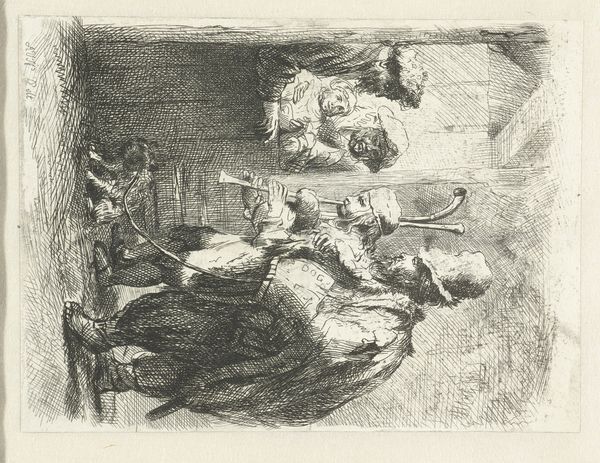
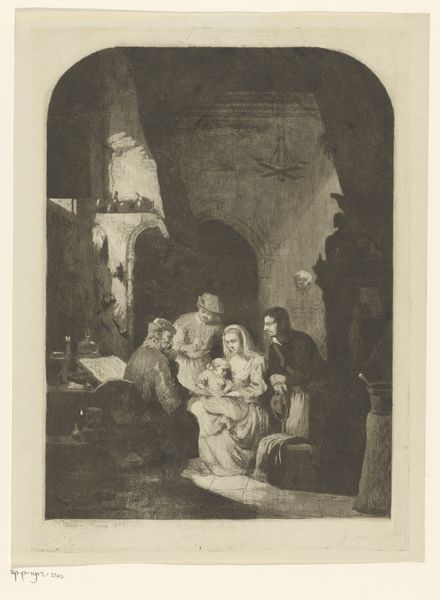
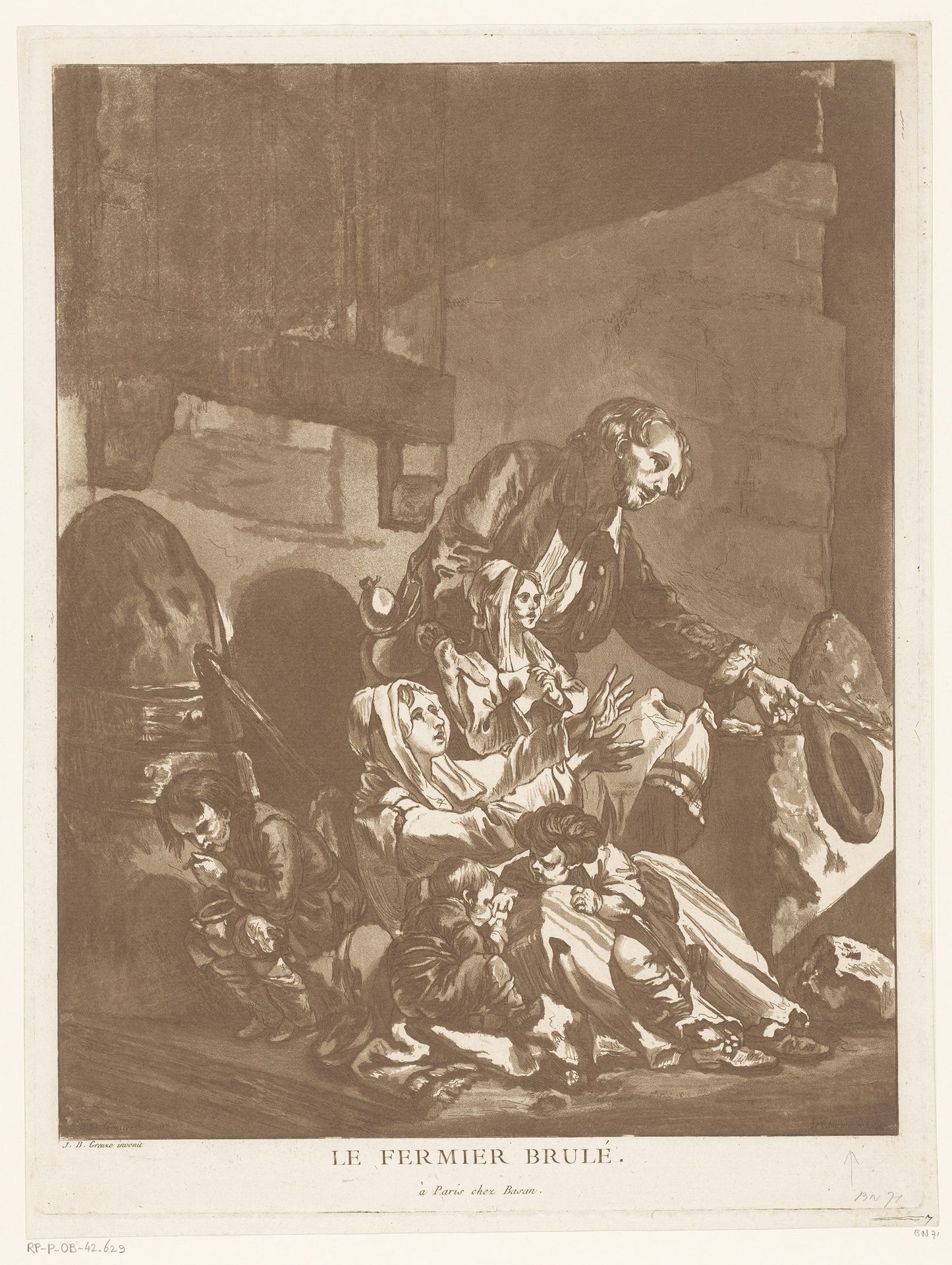
Francois Philippe Charpentier created this print, "Begging Family on the Street," using etching and aquatint, a printmaking technique that creates tonal effects. Charpentier lived through the tumultuous years of the French Revolution, an era marked by stark social inequalities and widespread poverty. This image portrays the destitution and despair faced by many during this period. We see a family huddled together, their faces etched with hardship. Their plea is palpable. The stark contrast between light and shadow heightens the emotional intensity, drawing us into their world of suffering. Prints like these served as a form of social commentary. They brought the realities of poverty to the attention of a broader audience. While Charpentier was not necessarily part of the impoverished class, he used his art to bring awareness to social disparities of the late 18th century. The print becomes a poignant reflection on the human cost of social and economic upheaval, inviting us to reflect on our own responses to inequality and injustice.
Bedelend gezin op straat
1761 - 1797

Francois Philippe Charpentier
1734 - 1817Location
RijksmuseumArtwork details
- Dimensions
- height 417 mm, width 315 mm
- Location
- Rijksmuseum
- Copyright
- Rijks Museum: Open Domain
Comments
Be the first to share your thoughts about this work.
About this artwork
Francois Philippe Charpentier created this print, "Begging Family on the Street," using etching and aquatint, a printmaking technique that creates tonal effects. Charpentier lived through the tumultuous years of the French Revolution, an era marked by stark social inequalities and widespread poverty. This image portrays the destitution and despair faced by many during this period. We see a family huddled together, their faces etched with hardship. Their plea is palpable. The stark contrast between light and shadow heightens the emotional intensity, drawing us into their world of suffering. Prints like these served as a form of social commentary. They brought the realities of poverty to the attention of a broader audience. While Charpentier was not necessarily part of the impoverished class, he used his art to bring awareness to social disparities of the late 18th century. The print becomes a poignant reflection on the human cost of social and economic upheaval, inviting us to reflect on our own responses to inequality and injustice.
Comments
Be the first to share your thoughts about this work.