About this artwork
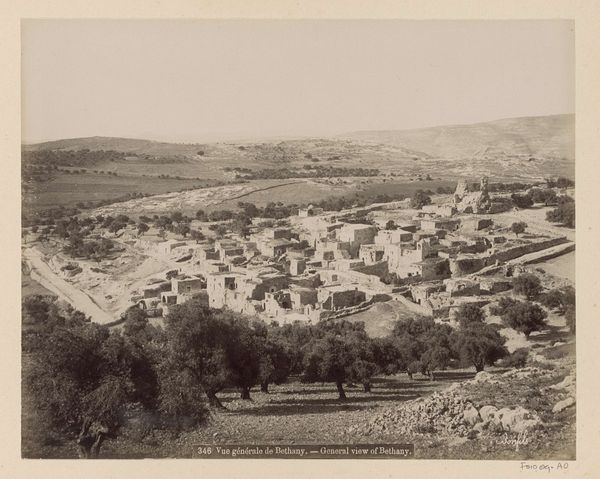
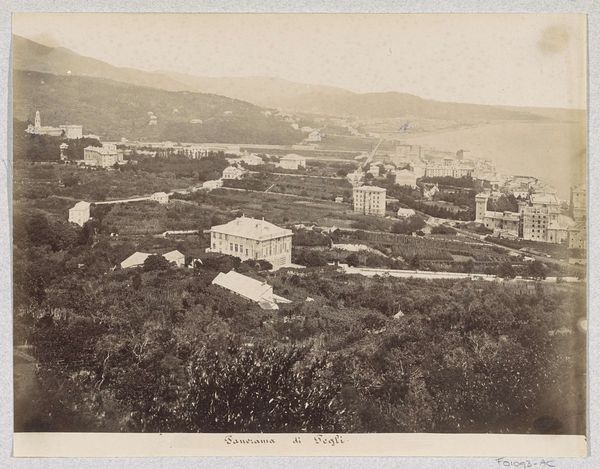
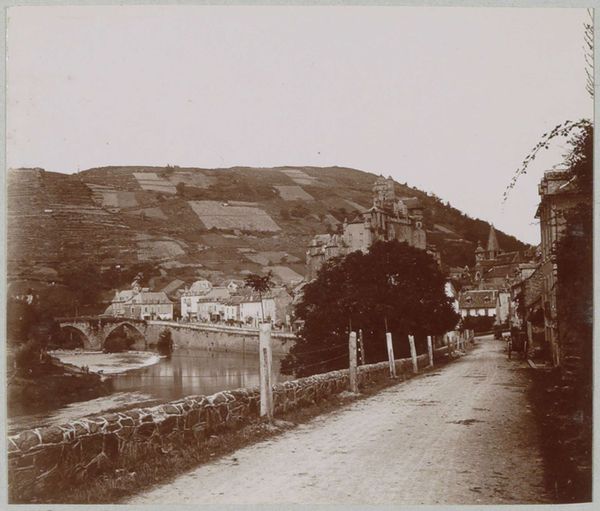
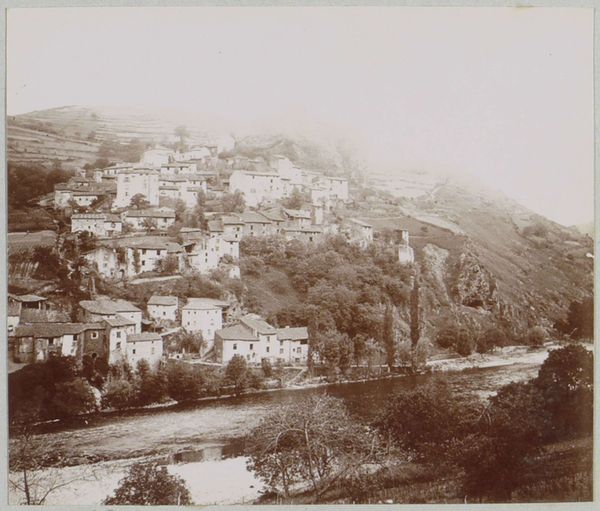
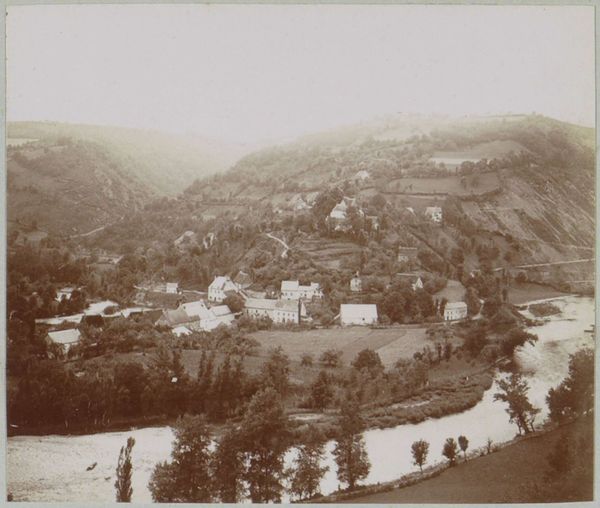
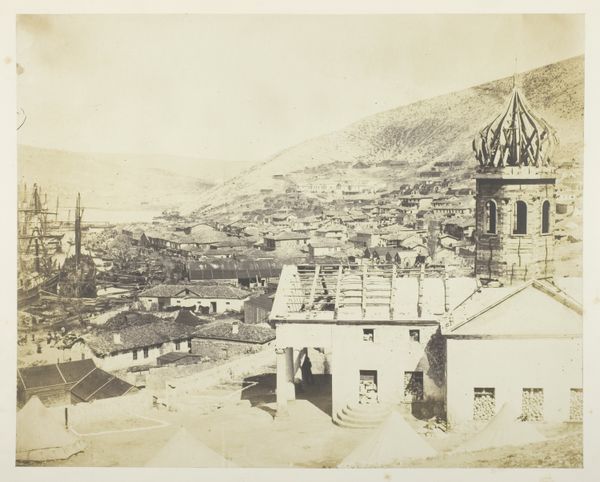
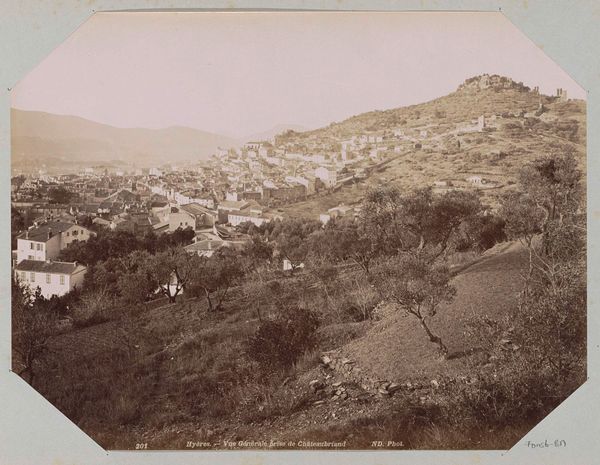
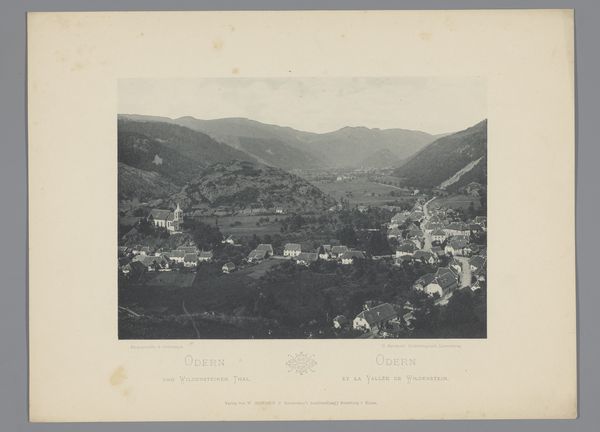
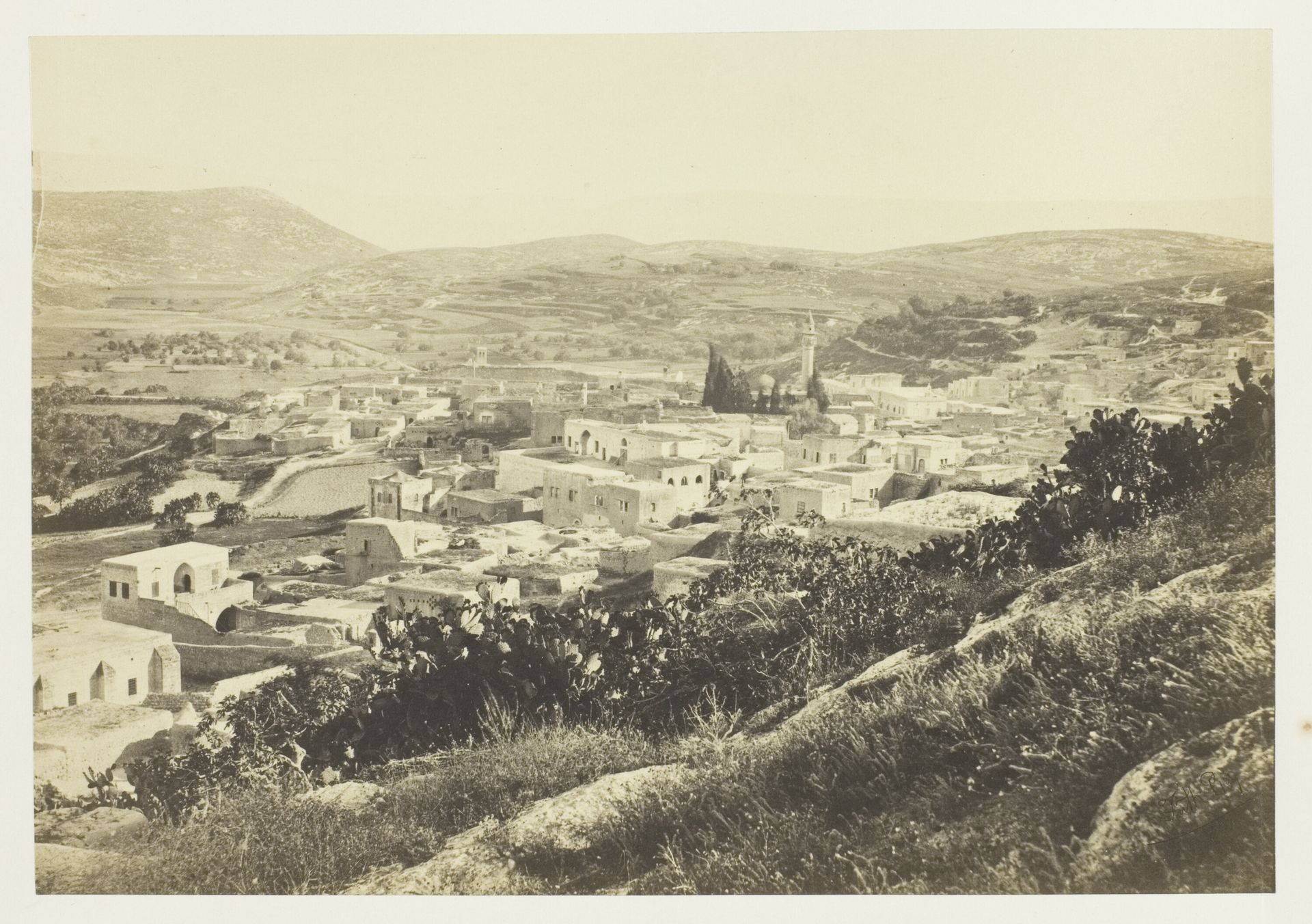
This albumen print of Nazareth was made by Francis Frith, a British photographer who traveled extensively in the Middle East. This photographic process involved coating paper with a layer of egg white and then sensitizing it with a silver nitrate solution. When exposed to light through a negative, the silver salts would darken, creating a detailed image, as you can see in the architecture, and the textures of the landscape. The albumen print’s materiality is critical to understanding its significance. In the 19th century, photography was a complex blend of science, craft, and commerce, and prints like this were produced in large quantities for a growing market of tourists. Frith's work reflects the industrialization of photography, scaling up production with teams of local laborers. By understanding the work involved in creating photographs like these, we gain a deeper appreciation for the rich history of photography and its intersection with broader social and economic forces.
Nazareth, From the North-West
1857


Artwork details
- Medium
- silver, print, photography, gelatin-silver-print
- Dimensions
- 15.8 × 22.9 cm (image/paper); 29.3 × 42.6 cm (album page)
- Location
- The Art Institute of Chicago
- Copyright
- Public Domain
Tags
Comments
Share your thoughts
About this artwork
This albumen print of Nazareth was made by Francis Frith, a British photographer who traveled extensively in the Middle East. This photographic process involved coating paper with a layer of egg white and then sensitizing it with a silver nitrate solution. When exposed to light through a negative, the silver salts would darken, creating a detailed image, as you can see in the architecture, and the textures of the landscape. The albumen print’s materiality is critical to understanding its significance. In the 19th century, photography was a complex blend of science, craft, and commerce, and prints like this were produced in large quantities for a growing market of tourists. Frith's work reflects the industrialization of photography, scaling up production with teams of local laborers. By understanding the work involved in creating photographs like these, we gain a deeper appreciation for the rich history of photography and its intersection with broader social and economic forces.
Comments
Share your thoughts