About this artwork
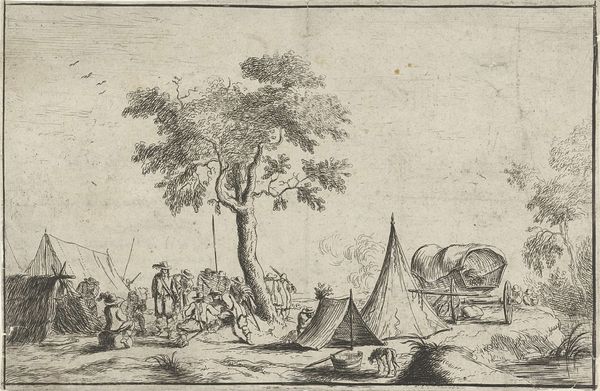
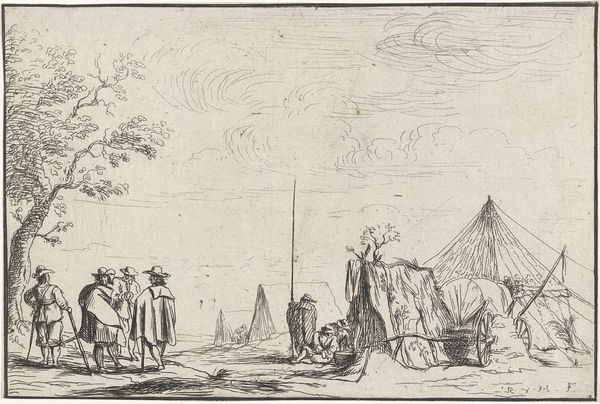
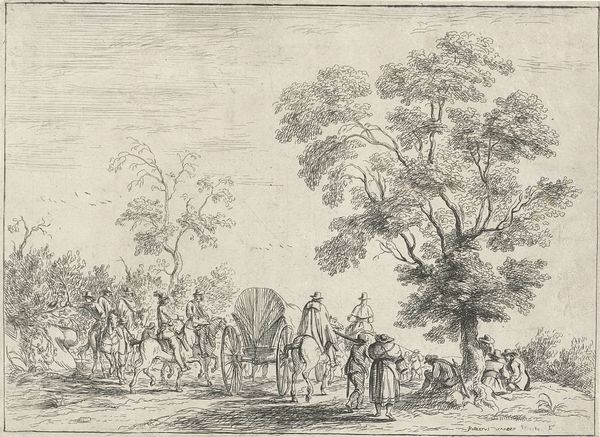
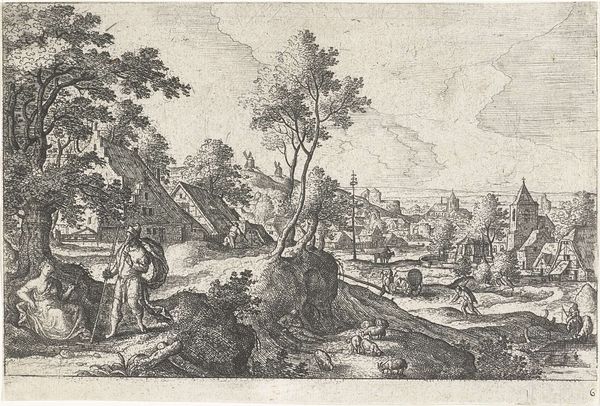
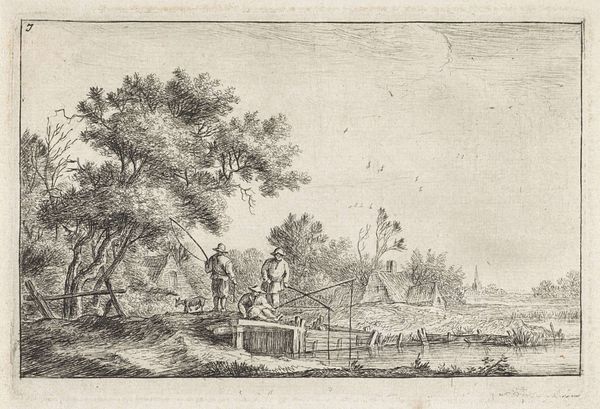
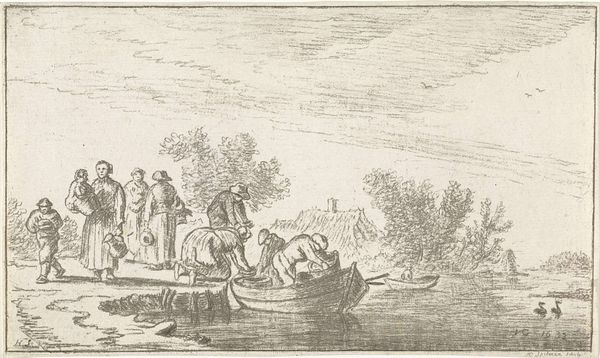
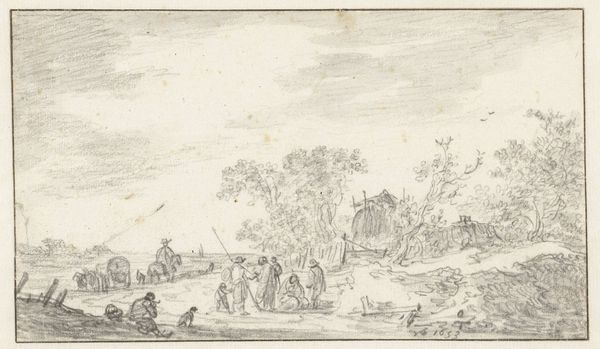
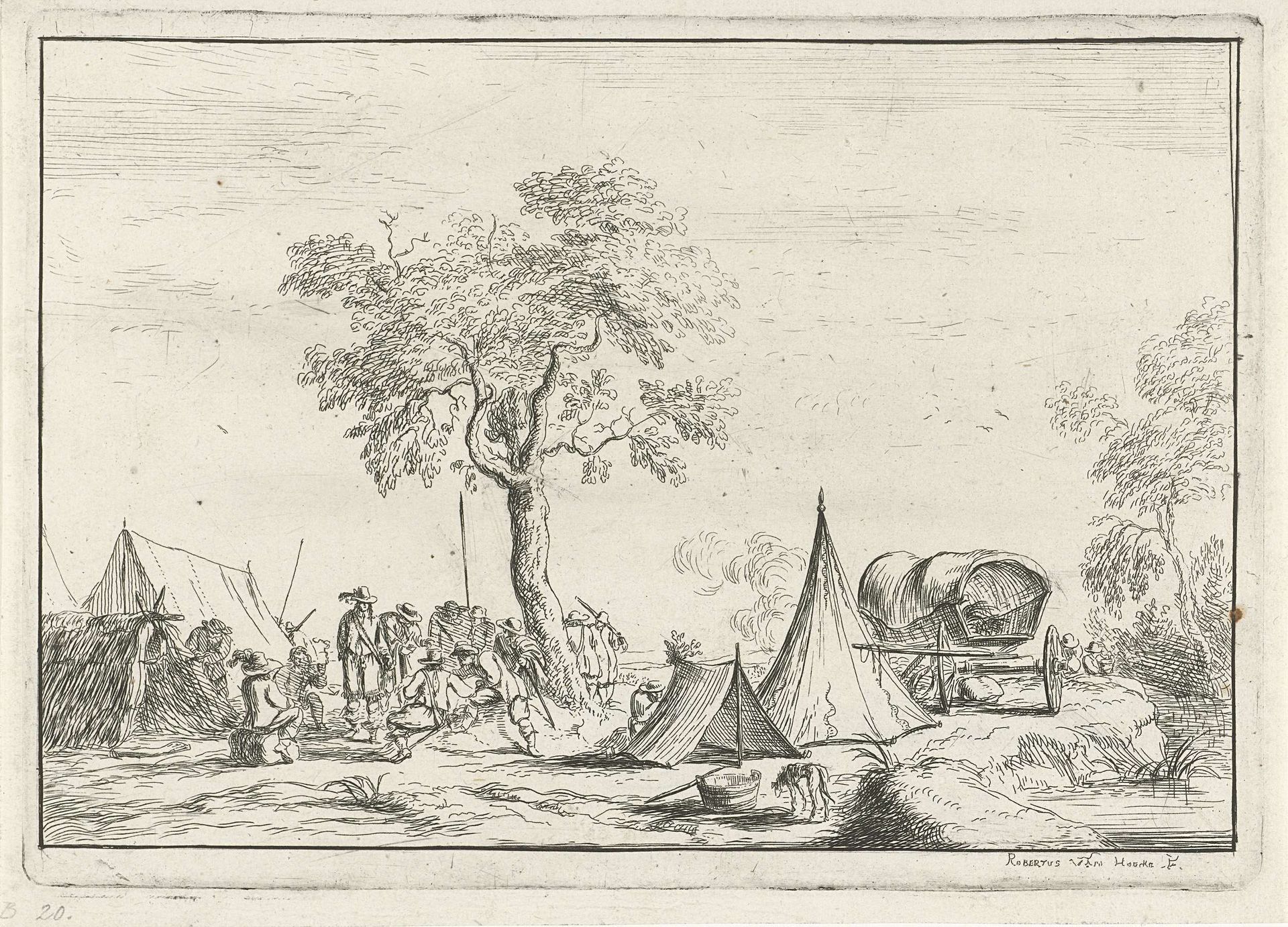
Robert van den Hoecke made this etching of a military encampment sometime in the mid-17th century. The tents, wagons, and armed figures are all visual reminders of the period’s ongoing conflicts, especially the Thirty Years’ War, which involved most of Europe. Van den Hoecke was Flemish, and he worked for the Habsburg Archduke Leopold Wilhelm, governor of the Spanish Netherlands, as a painter, architect, and military engineer. His career was shaped by this intersection of artistic patronage and military institutions. This etching depicts the everyday reality of military life. Soldiers are gathered around a fire, while others stand guard. These kinds of images helped to romanticize military campaigns, even as they documented the hardship and violence of war. They also reflect the growing professionalization of armies, as states sought to exert control over their territories. Understanding this image requires research into the military, political, and artistic history of the period, all of which helps us to understand the social conditions that shaped its production.
Kampement met een spitse tent 1632 - 1668

Robert van den Hoecke
1622 - 1668Location
RijksmuseumArtwork details
- Medium
- engraving
- Dimensions
- height 153 mm, width 217 mm
- Location
- Rijksmuseum
- Copyright
- Rijks Museum: Open Domain
Tags
baroque
pen sketch
landscape
figuration
line
genre-painting
engraving
Comments
No comments
About this artwork
Robert van den Hoecke made this etching of a military encampment sometime in the mid-17th century. The tents, wagons, and armed figures are all visual reminders of the period’s ongoing conflicts, especially the Thirty Years’ War, which involved most of Europe. Van den Hoecke was Flemish, and he worked for the Habsburg Archduke Leopold Wilhelm, governor of the Spanish Netherlands, as a painter, architect, and military engineer. His career was shaped by this intersection of artistic patronage and military institutions. This etching depicts the everyday reality of military life. Soldiers are gathered around a fire, while others stand guard. These kinds of images helped to romanticize military campaigns, even as they documented the hardship and violence of war. They also reflect the growing professionalization of armies, as states sought to exert control over their territories. Understanding this image requires research into the military, political, and artistic history of the period, all of which helps us to understand the social conditions that shaped its production.
Comments
No comments