About this artwork
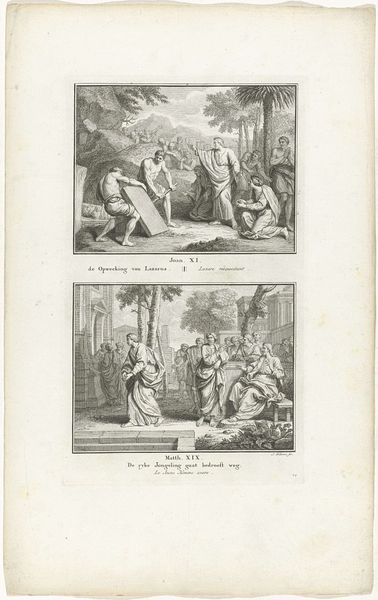
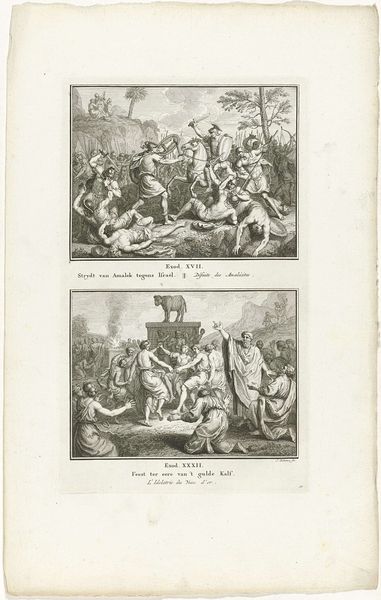
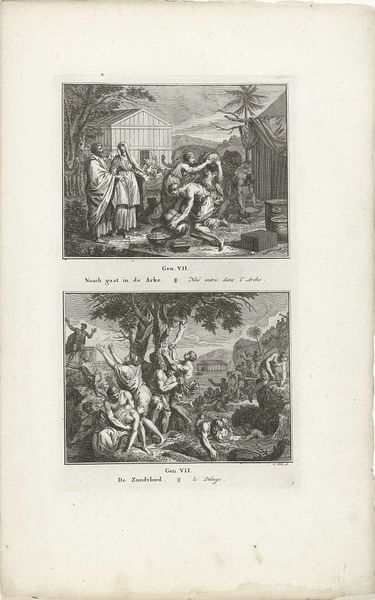
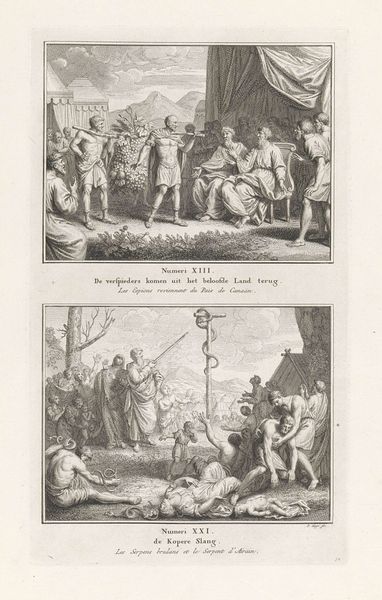
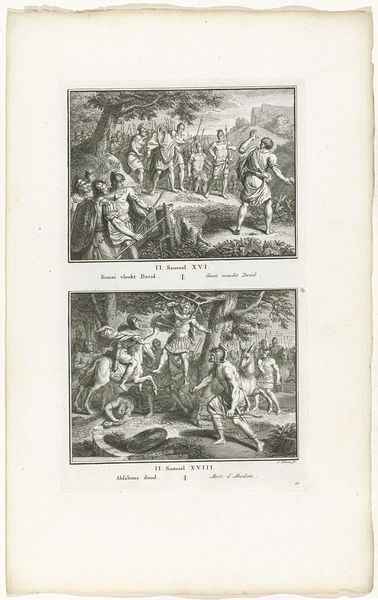
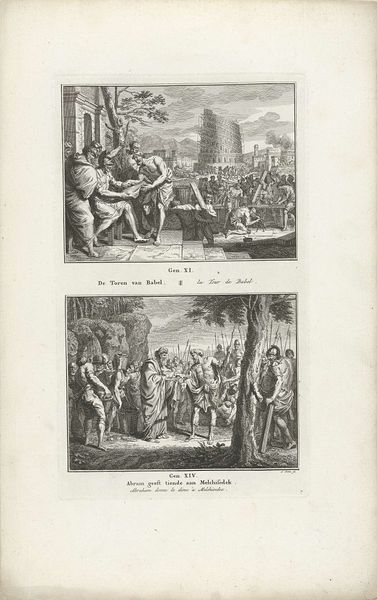
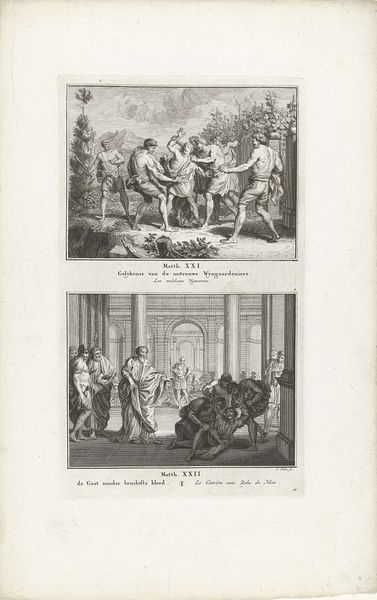
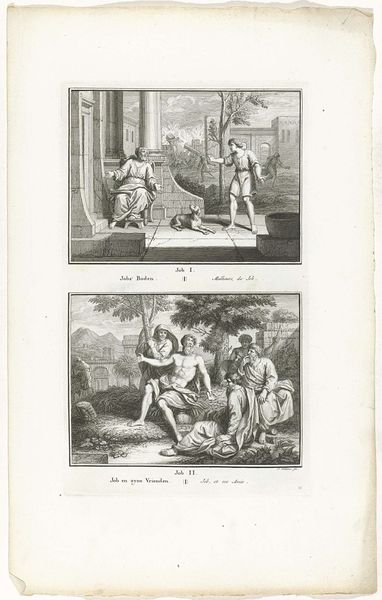
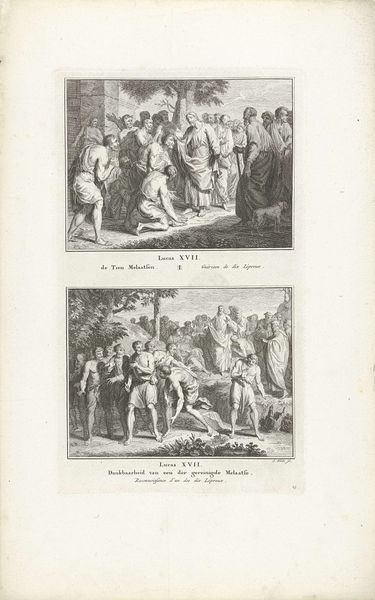
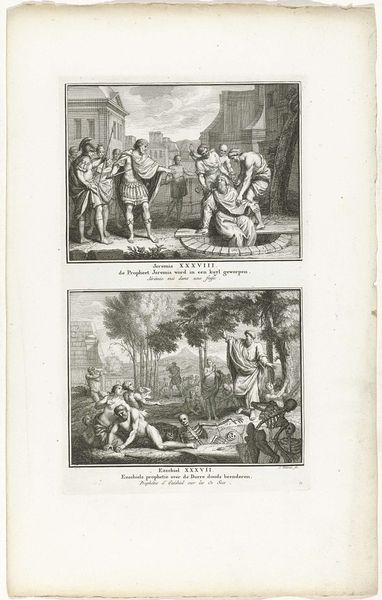
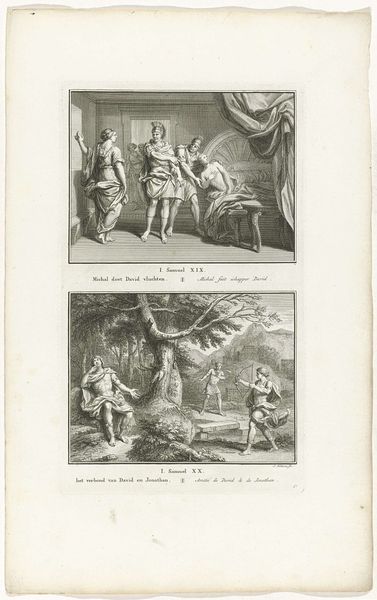
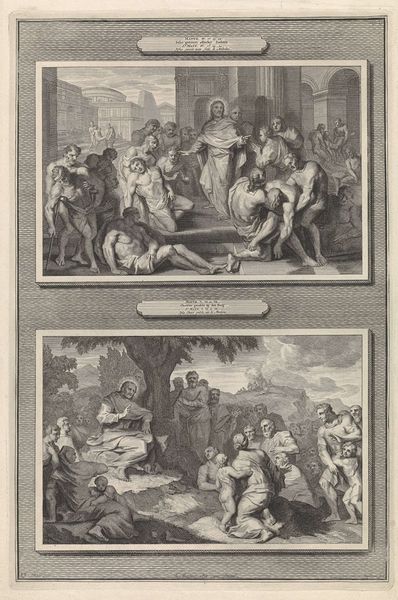
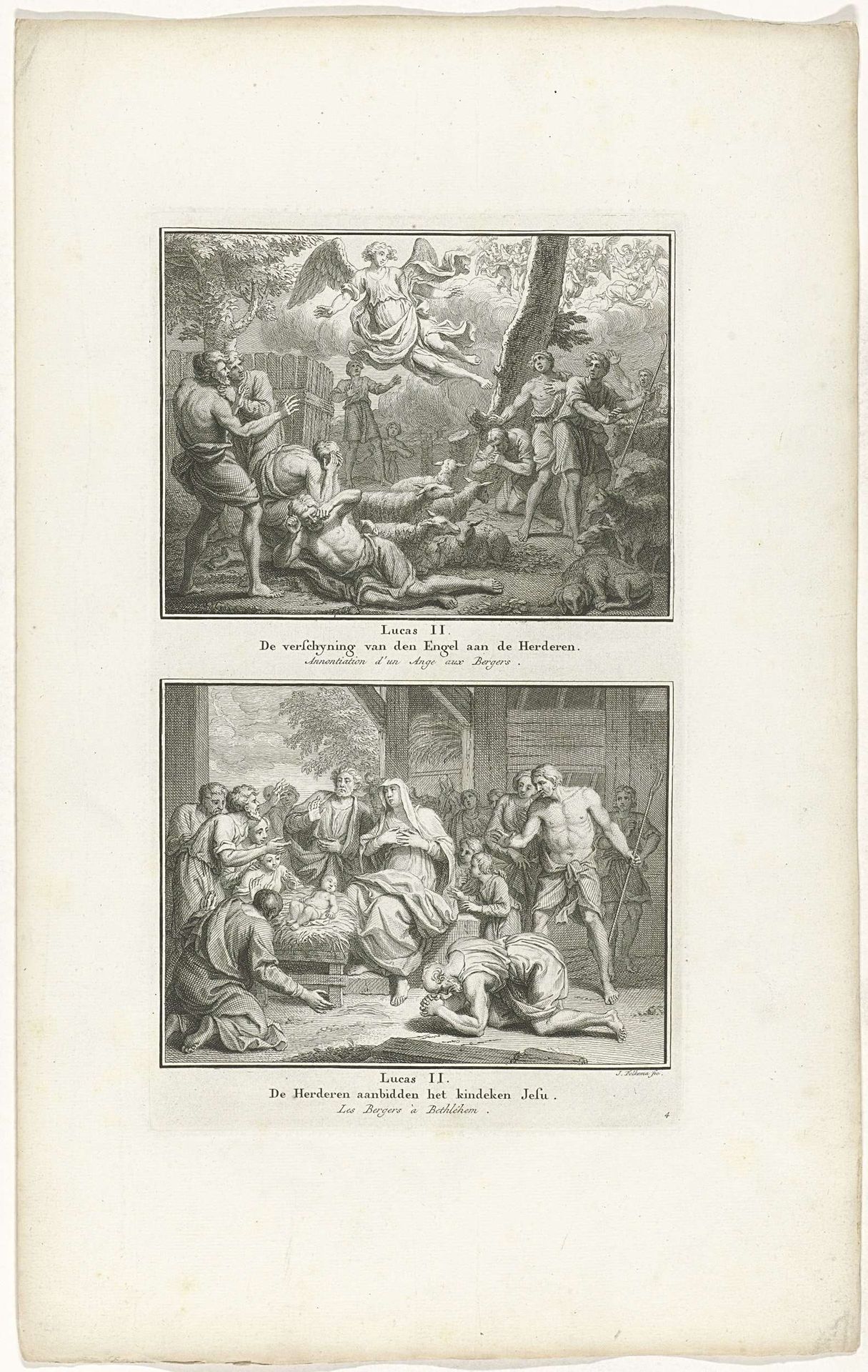
Jacob Folkema created this print, Verkondiging aan de herders en de aanbidding door de herders, sometime between 1692 and 1767 using engraving. An engraving is made by carefully cutting lines into a metal plate, applying ink, and then pressing paper against the plate to transfer the image. The visual effect of this work is dependent on the artist’s skilled manipulation of lines, a labor-intensive process. This printmaking method allowed for the relatively easy reproduction of images. In Folkema’s time, printed images circulated widely and cheaply, helping to spread ideas and stories to a broad audience. It is interesting to consider how the detailed engraving elevates biblical narrative for mass consumption, and how the making and distribution of this print reflects a growing commercial market for art. Ultimately, this artwork bridges the gap between craft production and wider social and cultural exchanges.
Verkondiging aan de herders en de aanbidding door de herders 1791

Jacob Folkema
1692 - 1767Location
RijksmuseumArtwork details
- Dimensions
- height 317 mm, width 185 mm
- Location
- Rijksmuseum
- Copyright
- Rijks Museum: Open Domain
Comments
No comments
About this artwork
Jacob Folkema created this print, Verkondiging aan de herders en de aanbidding door de herders, sometime between 1692 and 1767 using engraving. An engraving is made by carefully cutting lines into a metal plate, applying ink, and then pressing paper against the plate to transfer the image. The visual effect of this work is dependent on the artist’s skilled manipulation of lines, a labor-intensive process. This printmaking method allowed for the relatively easy reproduction of images. In Folkema’s time, printed images circulated widely and cheaply, helping to spread ideas and stories to a broad audience. It is interesting to consider how the detailed engraving elevates biblical narrative for mass consumption, and how the making and distribution of this print reflects a growing commercial market for art. Ultimately, this artwork bridges the gap between craft production and wider social and cultural exchanges.
Comments
No comments