![Illustration til Adam Olearius, “Persianischer Rosenthal von einem Sinnreichen Poeten Schich Saadi […]”, Schleswig 1660 by Christian Rothgiesser](https://d2w8kbdekdi1gv.cloudfront.net/eyJidWNrZXQiOiAiYXJ0ZXJhLWltYWdlcy1idWNrZXQiLCAia2V5IjogImFydHdvcmtzLzVlMTA4MGIyLTc4MTgtNDJkZS04MWM5LWE5NTQyYjEwZGZjOS81ZTEwODBiMi03ODE4LTQyZGUtODFjOS1hOTU0MmIxMGRmYzlfZnVsbC5qcGciLCAiZWRpdHMiOiB7InJlc2l6ZSI6IHsid2lkdGgiOiAxOTIwLCAiaGVpZ2h0IjogMTkyMCwgImZpdCI6ICJpbnNpZGUifX19)
About this artwork
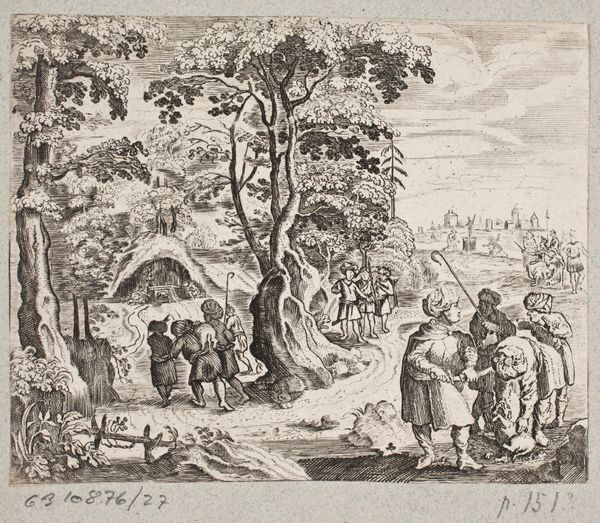
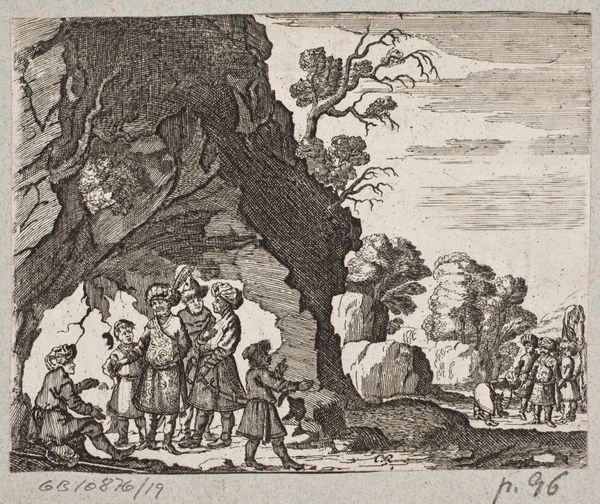
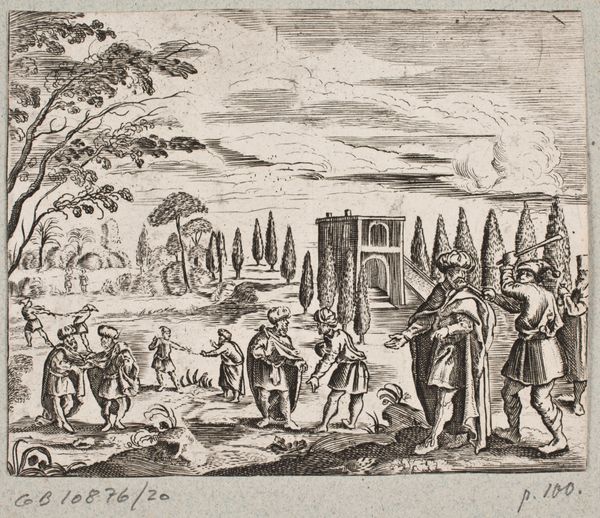
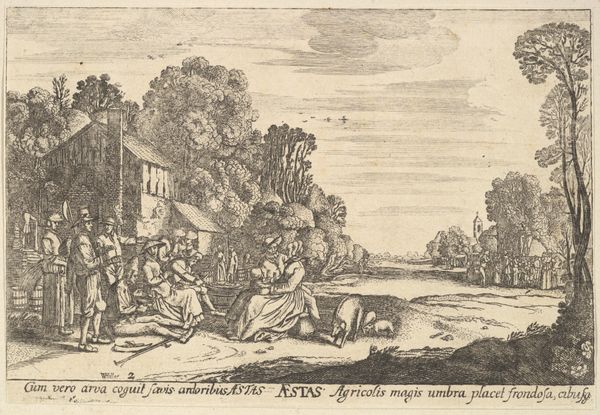
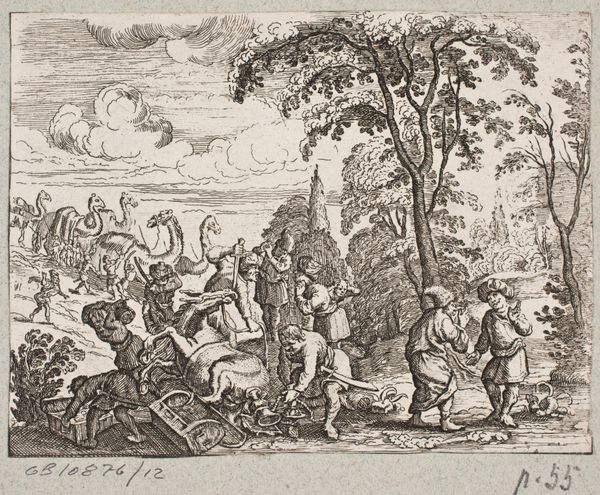
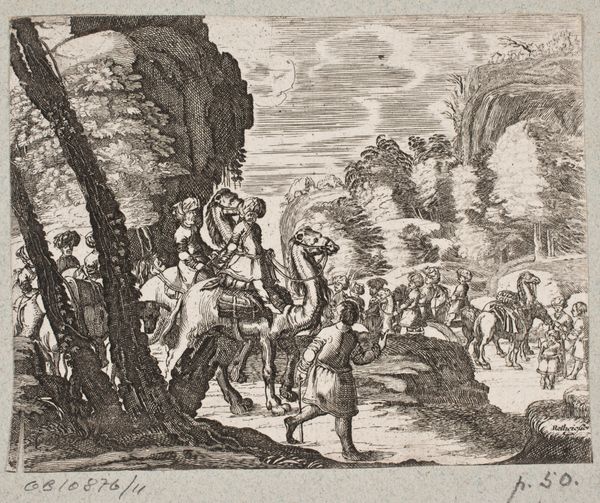
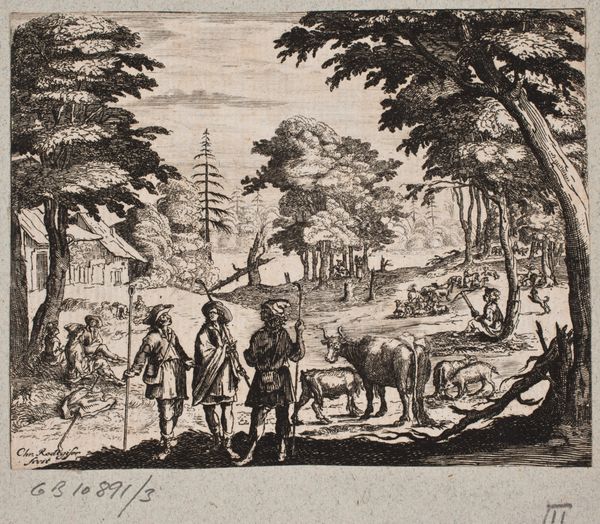
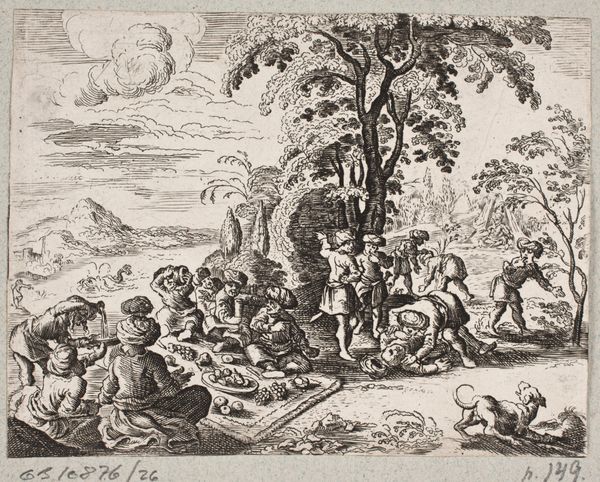
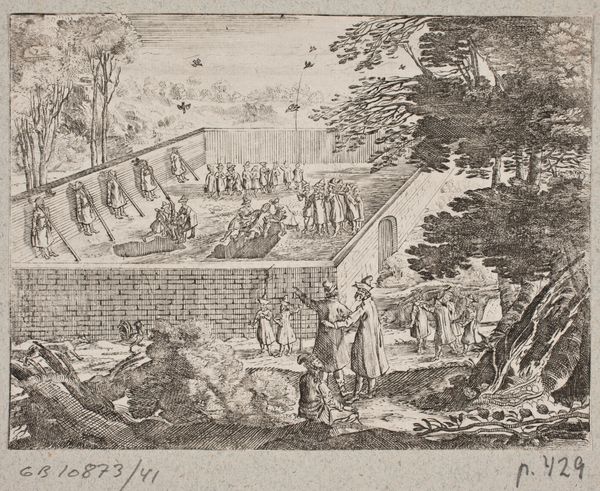
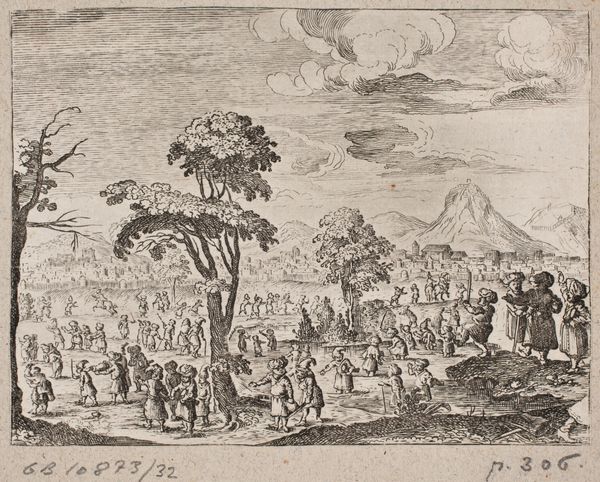
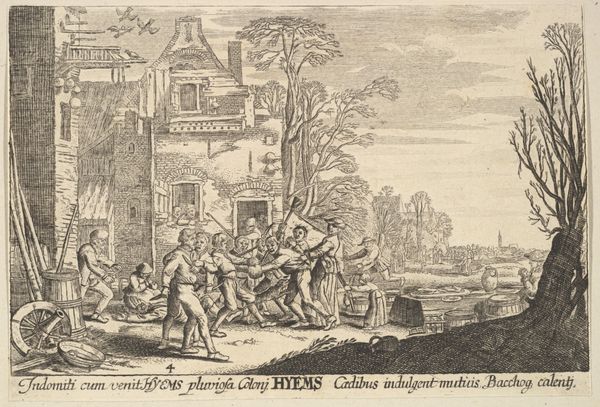
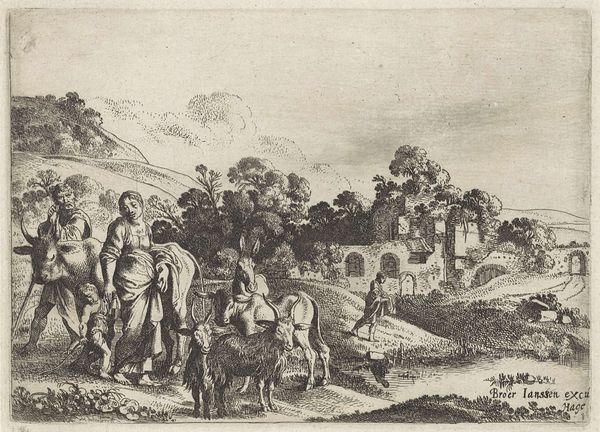
Christian Rothgiesser created this illustration in Schleswig around 1660, using etching to bring the world of Persian poetry to life. The fine lines, achieved by drawing through a waxy ground on a metal plate and then bathing it in acid, allowed Rothgiesser to create intricate details, from the formal gardens to the figures in Persian dress. This printmaking process, a form of reproductive technology allowed for the wide distribution of images and ideas. In that sense, it reflects the increasing pace of communication and exchange of that era. Consider the labor involved: the skilled hand of the etcher, the work of the printing press, and the distribution networks that carried these images across borders. The resulting image invited viewers to imagine the exotic opulence of Persian culture, mediated through European eyes and printed by a commercial enterprise. Paying attention to materials, making, and historical context allows us to explore the rich connections between art, culture, and commerce, challenging traditional distinctions between fine art and craft.
Illustration til Adam Olearius, “Persianischer Rosenthal von einem Sinnreichen Poeten Schich Saadi […]”, Schleswig 1660
1660


Artwork details
- Medium
- print, engraving
- Dimensions
- 105 mm (height) x 135 mm (width) (bladmaal)
- Location
- SMK - Statens Museum for Kunst
Tags
Comments
Share your thoughts
About this artwork
Christian Rothgiesser created this illustration in Schleswig around 1660, using etching to bring the world of Persian poetry to life. The fine lines, achieved by drawing through a waxy ground on a metal plate and then bathing it in acid, allowed Rothgiesser to create intricate details, from the formal gardens to the figures in Persian dress. This printmaking process, a form of reproductive technology allowed for the wide distribution of images and ideas. In that sense, it reflects the increasing pace of communication and exchange of that era. Consider the labor involved: the skilled hand of the etcher, the work of the printing press, and the distribution networks that carried these images across borders. The resulting image invited viewers to imagine the exotic opulence of Persian culture, mediated through European eyes and printed by a commercial enterprise. Paying attention to materials, making, and historical context allows us to explore the rich connections between art, culture, and commerce, challenging traditional distinctions between fine art and craft.
Comments
Share your thoughts