About this artwork
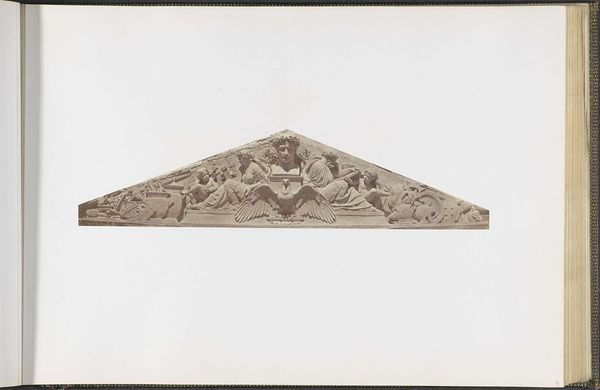
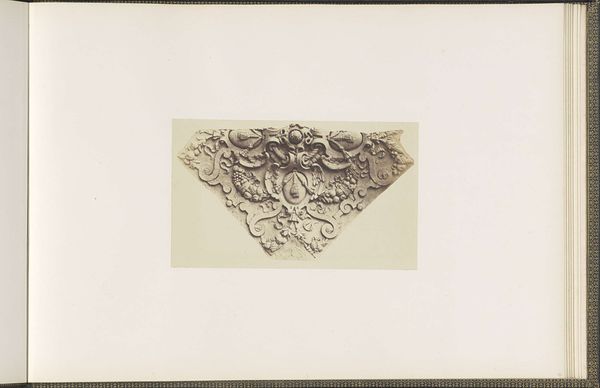
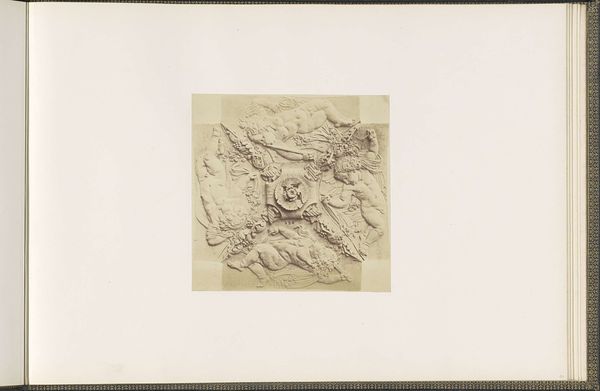
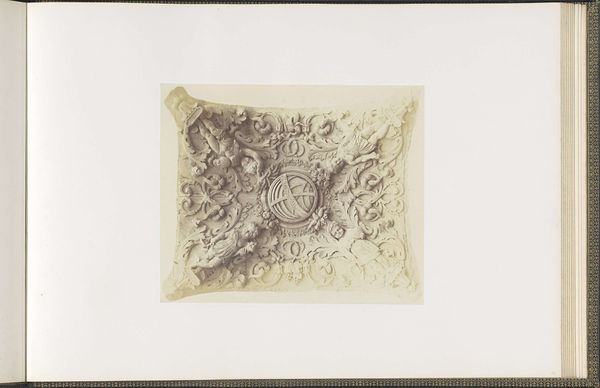
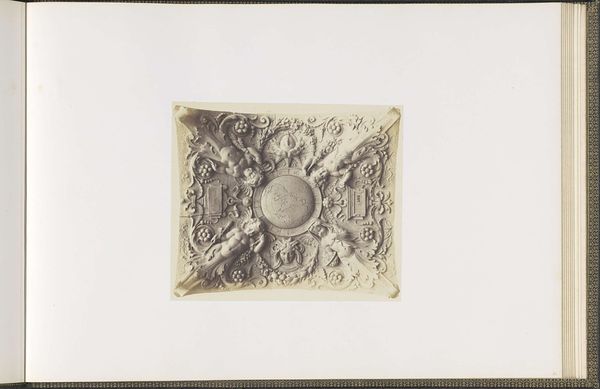
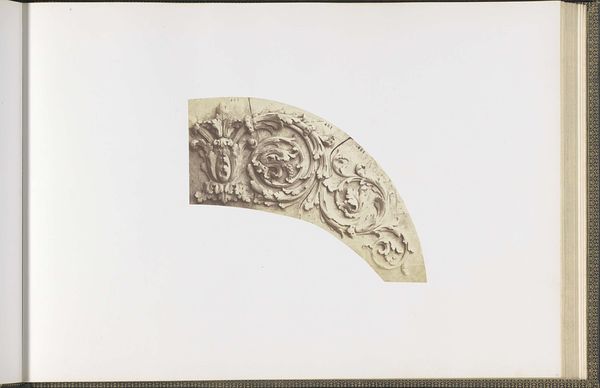
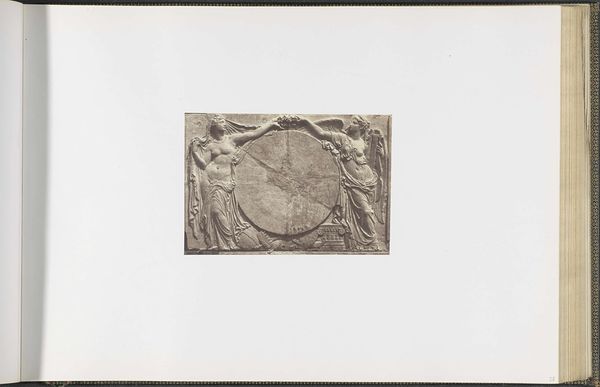
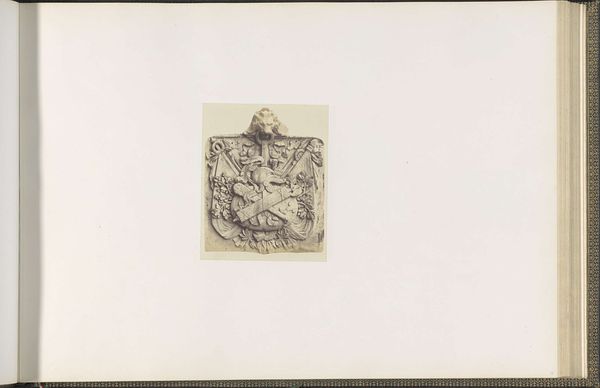
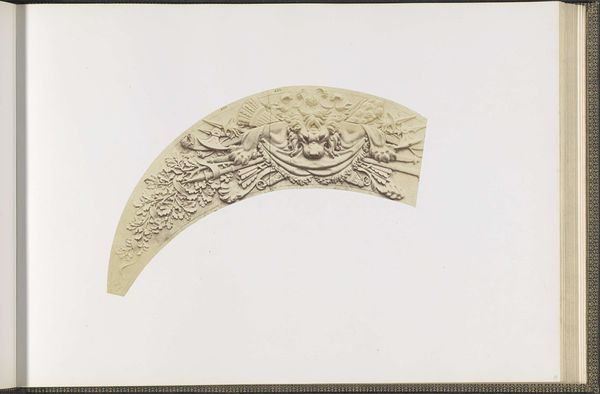
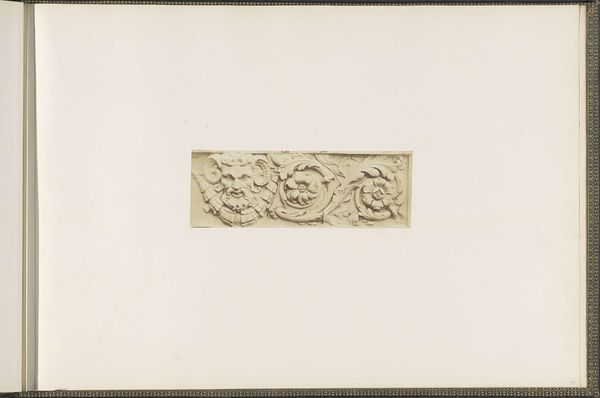
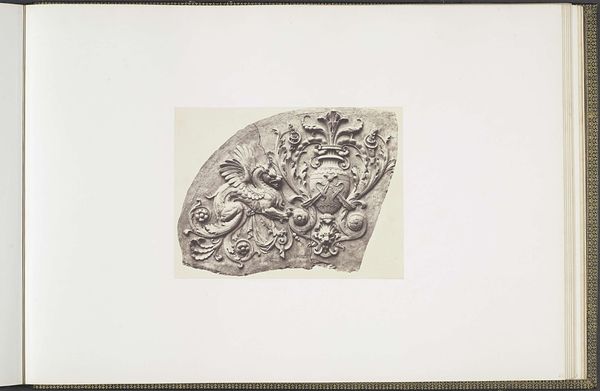
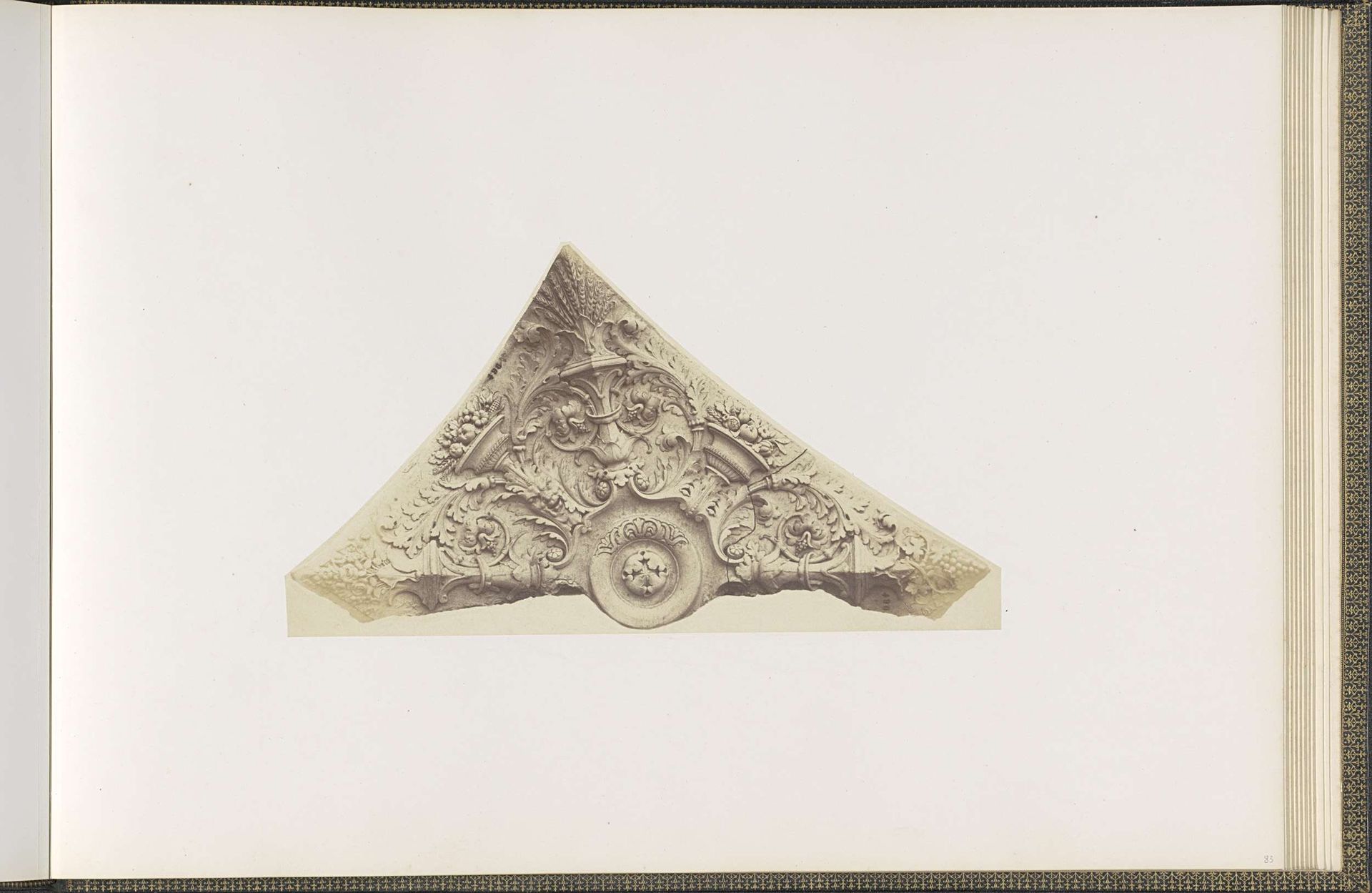
This photographic print shows a plaster model by J. Taxil, made to decorate a vault in the Palais du Louvre. Edouard Baldus captured it, and he has made some very deliberate choices. Consider plaster itself. It’s a humble material, easily cast and molded, which has been employed for centuries for interior decoration. This model shows that the final vault would have been rich with classical motifs – acanthus leaves, scrollwork, and rosettes. All that detail would have been time-consuming to produce by hand, a labor that must be carefully planned. Baldus’ photograph captures all of this intricate detail, but it also draws attention to the plaster's materiality. He shows us its texture, weight, and form, as well as the amount of work involved in the production process, making us think about the work involved in creating the Louvre, and by extension, the political and economic context that commissioned it. By emphasizing these elements, Baldus elevates the status of this ‘everyday’ material.
Gipsmodel voor een gewelfversiering van het Palais du Louvre door J. Taxil
c. 1855 - 1857

Edouard Baldus
1813 - 1889Location
RijksmuseumArtwork details
- Dimensions
- height 376 mm, width 523 mm
- Location
- Rijksmuseum
- Copyright
- Rijks Museum: Open Domain
Tags
Comments
Share your thoughts
About this artwork
This photographic print shows a plaster model by J. Taxil, made to decorate a vault in the Palais du Louvre. Edouard Baldus captured it, and he has made some very deliberate choices. Consider plaster itself. It’s a humble material, easily cast and molded, which has been employed for centuries for interior decoration. This model shows that the final vault would have been rich with classical motifs – acanthus leaves, scrollwork, and rosettes. All that detail would have been time-consuming to produce by hand, a labor that must be carefully planned. Baldus’ photograph captures all of this intricate detail, but it also draws attention to the plaster's materiality. He shows us its texture, weight, and form, as well as the amount of work involved in the production process, making us think about the work involved in creating the Louvre, and by extension, the political and economic context that commissioned it. By emphasizing these elements, Baldus elevates the status of this ‘everyday’ material.
Comments
Share your thoughts