About this artwork
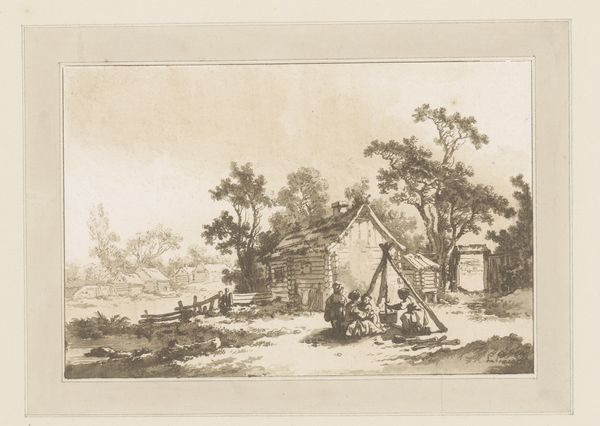
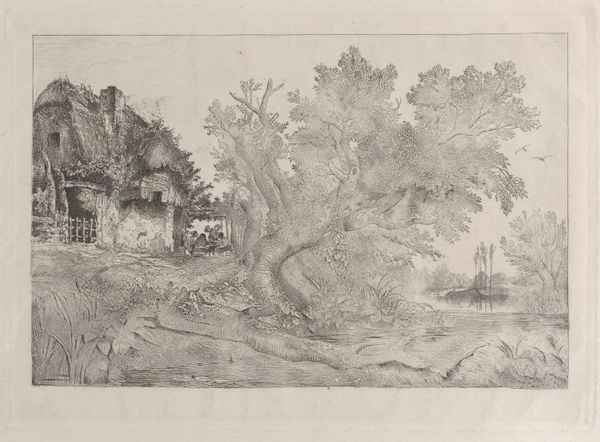
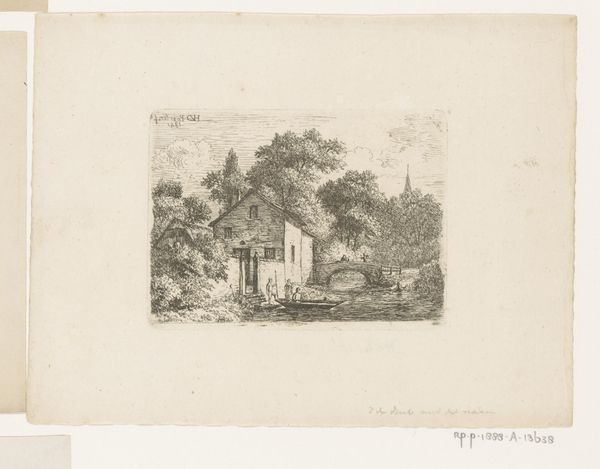
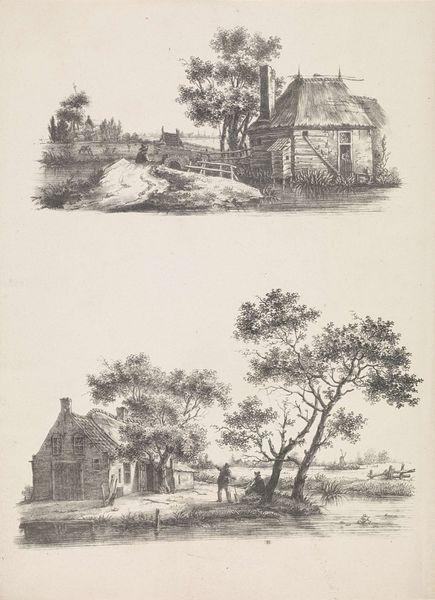
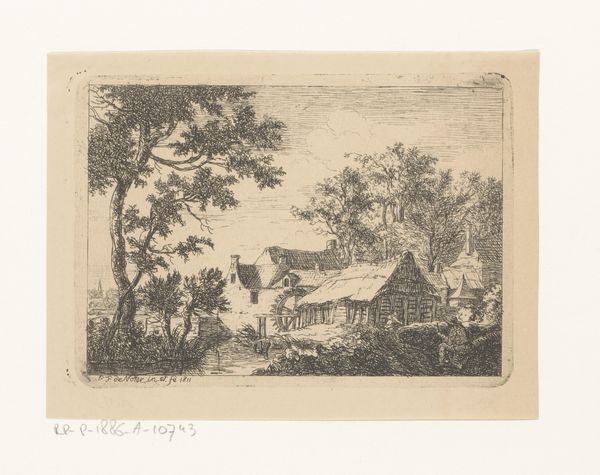
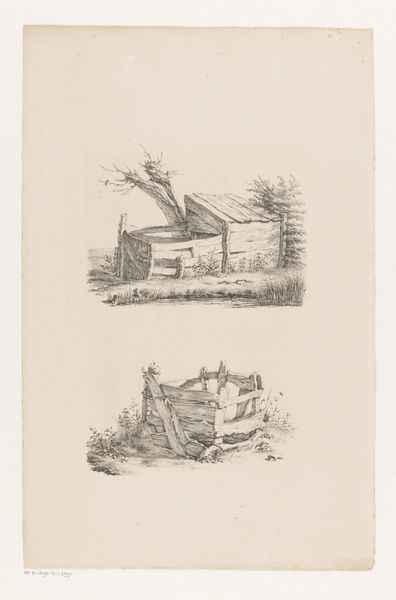
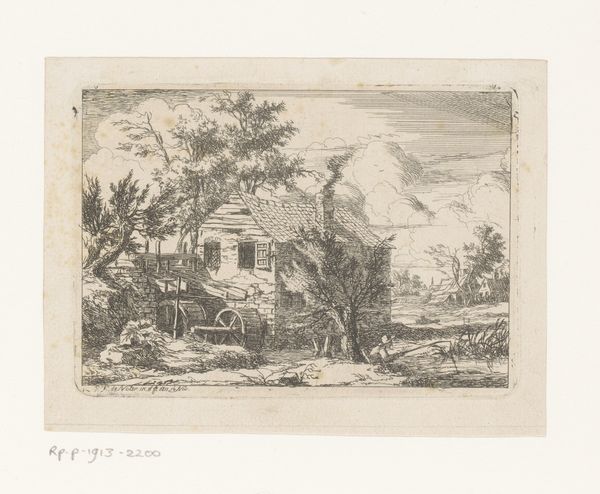
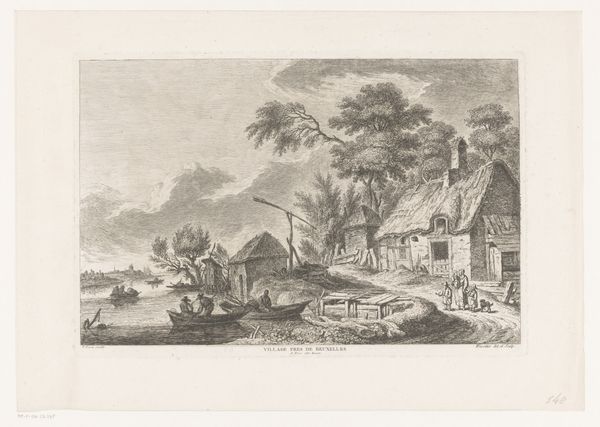
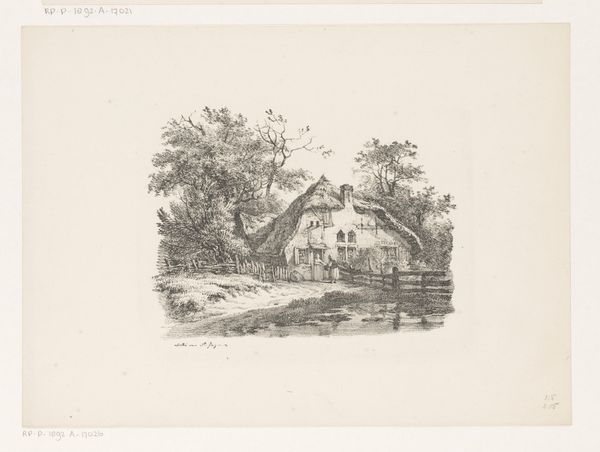
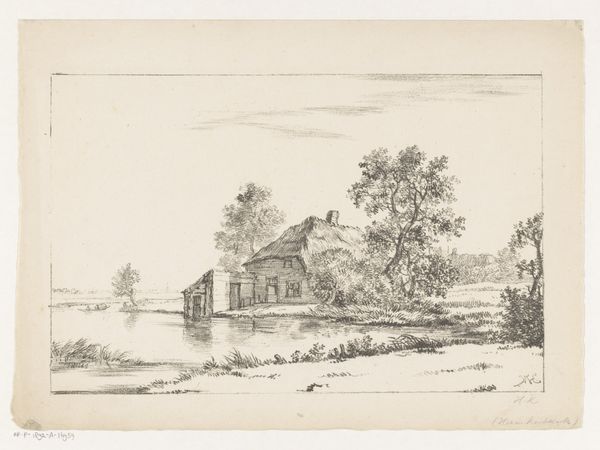
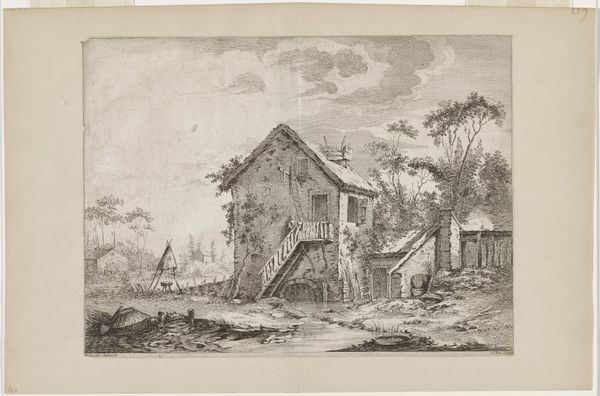
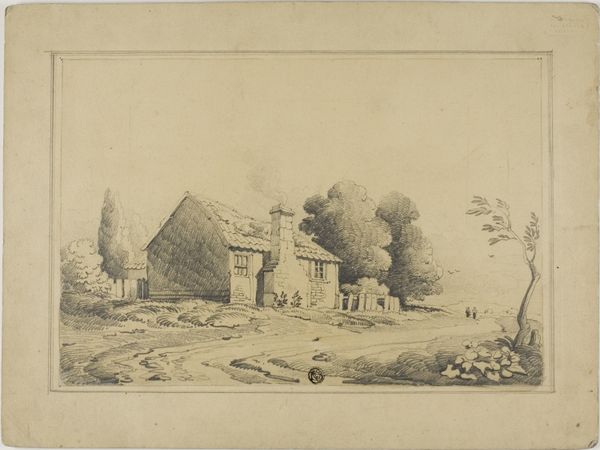
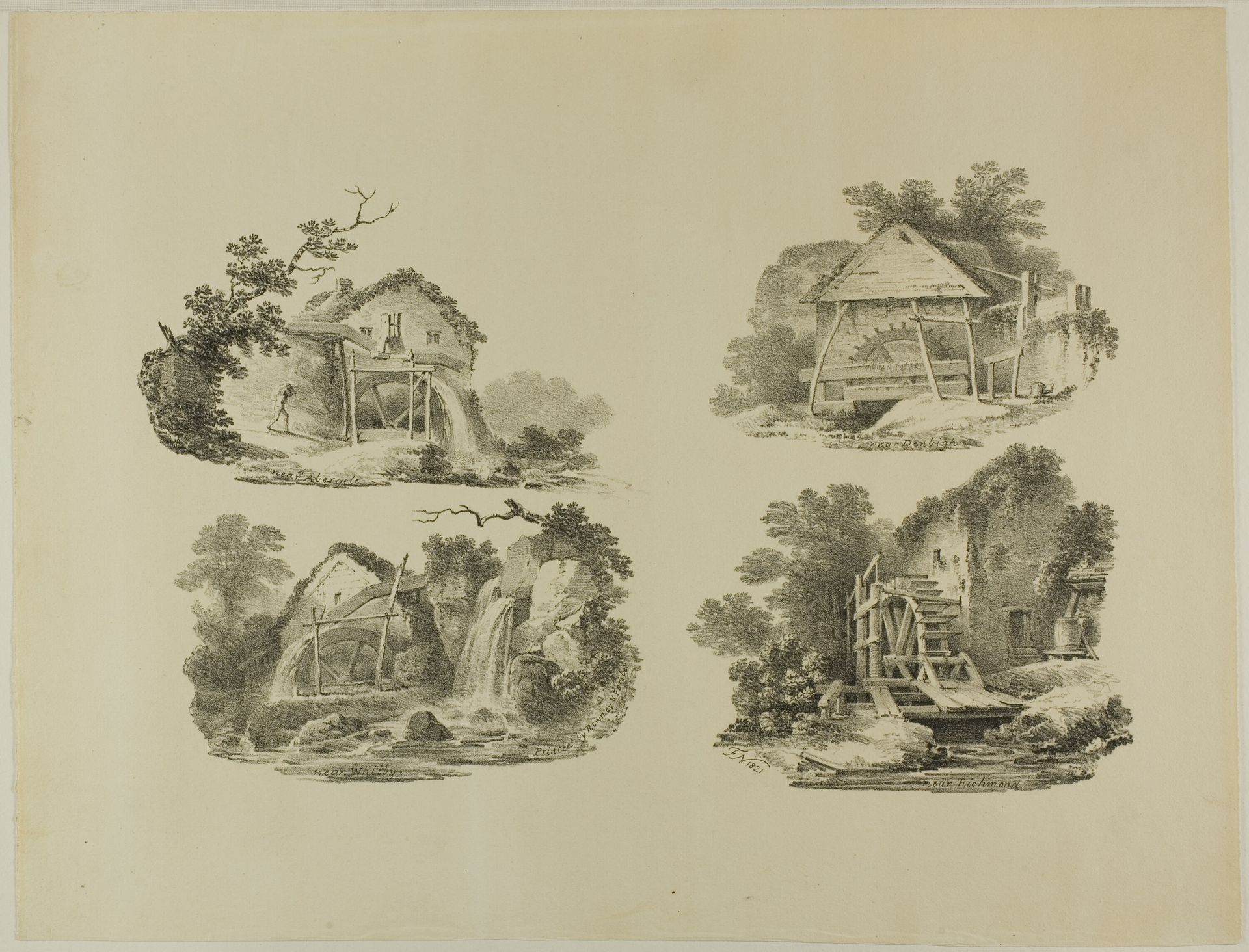
Francis Nicholson created this aquatint of ‘Mill Wheels near Abergele, Denbigh, Whitby, Richmond’ some time in the late eighteenth or early nineteenth century. The image shows a series of rural scenes depicting watermills in various states of use and disrepair. Made in England, it reflects the contemporary fascination with picturesque landscapes and the romanticization of rural life. The Industrial Revolution was in full swing and these images of pre-industrial infrastructure take on a nostalgic quality. The aquatint medium itself, with its tonal washes, adds to the atmospheric effect. Nicholson's choice of subject and technique speaks to a particular cultural moment, one where the traditional ways of life are being confronted by industrialization. Understanding the social and economic context of this image allows us to appreciate its cultural significance. Resources such as period writings on aesthetics and industrial history help us to unlock the meanings embedded in this image.
Mill Wheels near Abergele, Denbigh, Whitby, Richmond
n.d.


Artwork details
- Medium
- drawing, lithograph, print, etching, paper
- Location
- The Art Institute of Chicago
- Copyright
- Public Domain
Tags
drawing
lithograph
etching
landscape
paper
pencil drawing
genre-painting
Comments
Be the first to share your thoughts about this work.
About this artwork
Francis Nicholson created this aquatint of ‘Mill Wheels near Abergele, Denbigh, Whitby, Richmond’ some time in the late eighteenth or early nineteenth century. The image shows a series of rural scenes depicting watermills in various states of use and disrepair. Made in England, it reflects the contemporary fascination with picturesque landscapes and the romanticization of rural life. The Industrial Revolution was in full swing and these images of pre-industrial infrastructure take on a nostalgic quality. The aquatint medium itself, with its tonal washes, adds to the atmospheric effect. Nicholson's choice of subject and technique speaks to a particular cultural moment, one where the traditional ways of life are being confronted by industrialization. Understanding the social and economic context of this image allows us to appreciate its cultural significance. Resources such as period writings on aesthetics and industrial history help us to unlock the meanings embedded in this image.
Comments
Be the first to share your thoughts about this work.