About this artwork
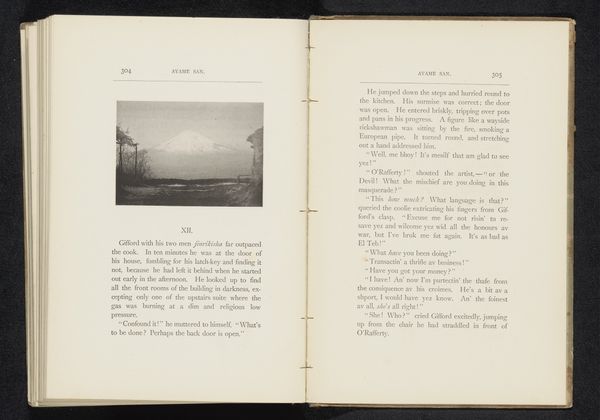
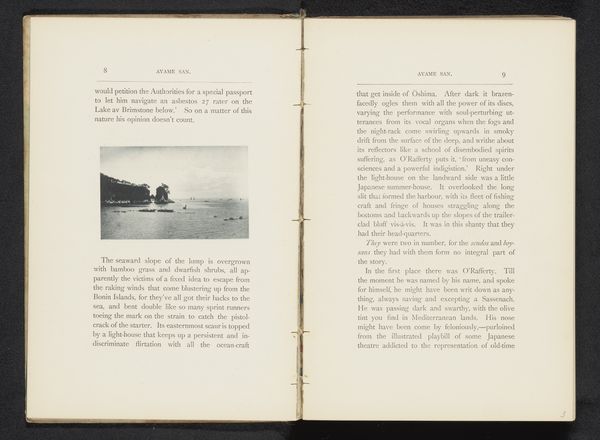
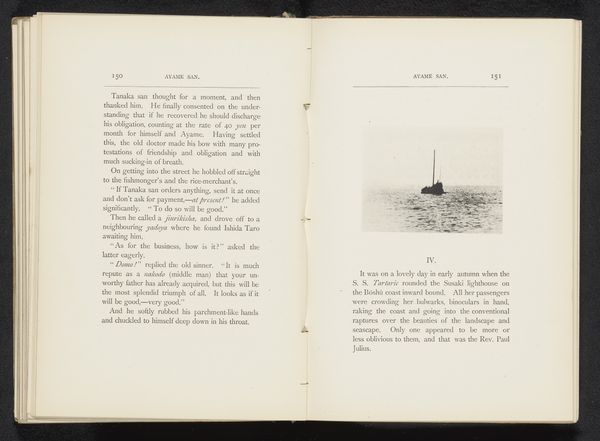
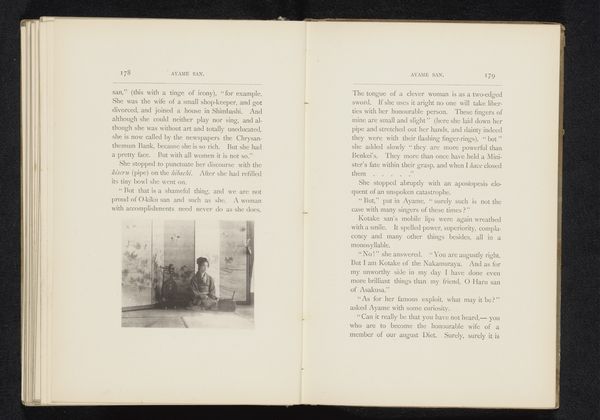
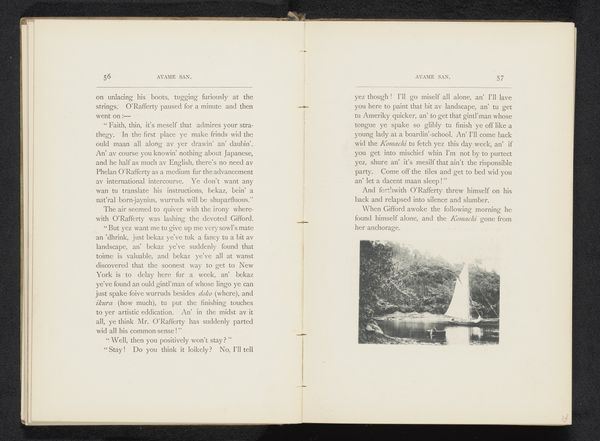
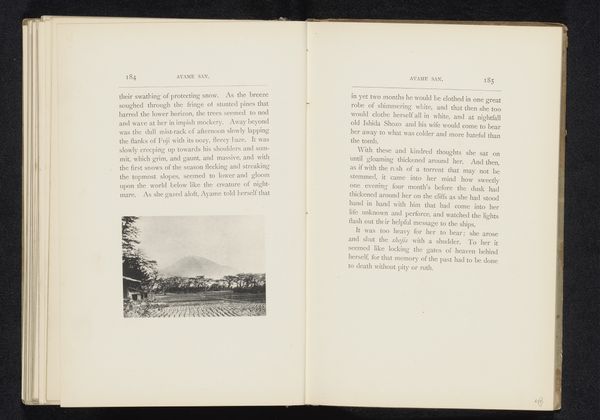
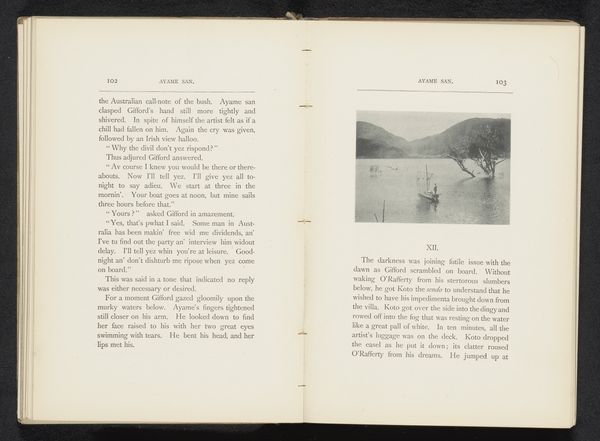
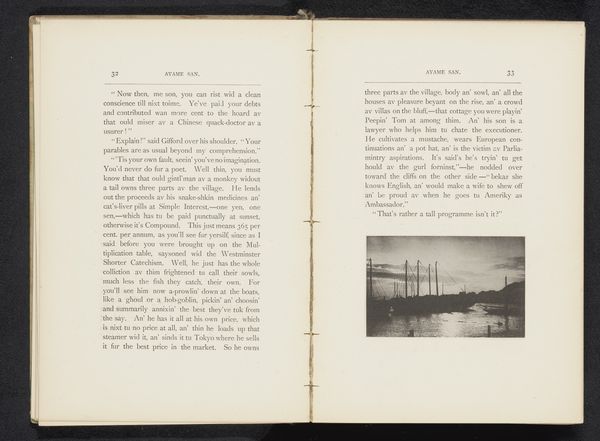
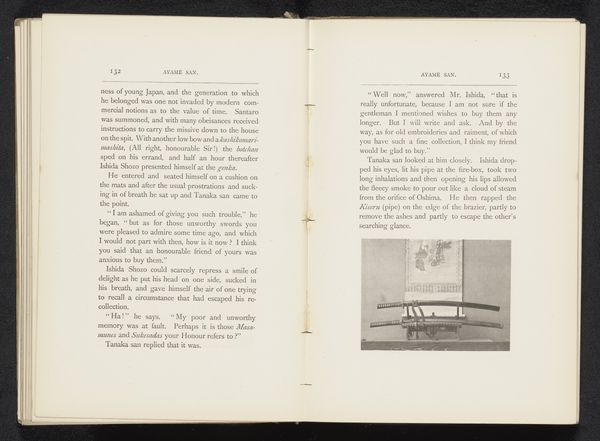
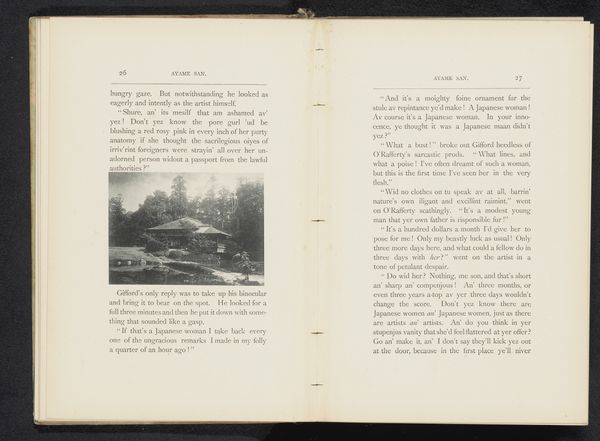
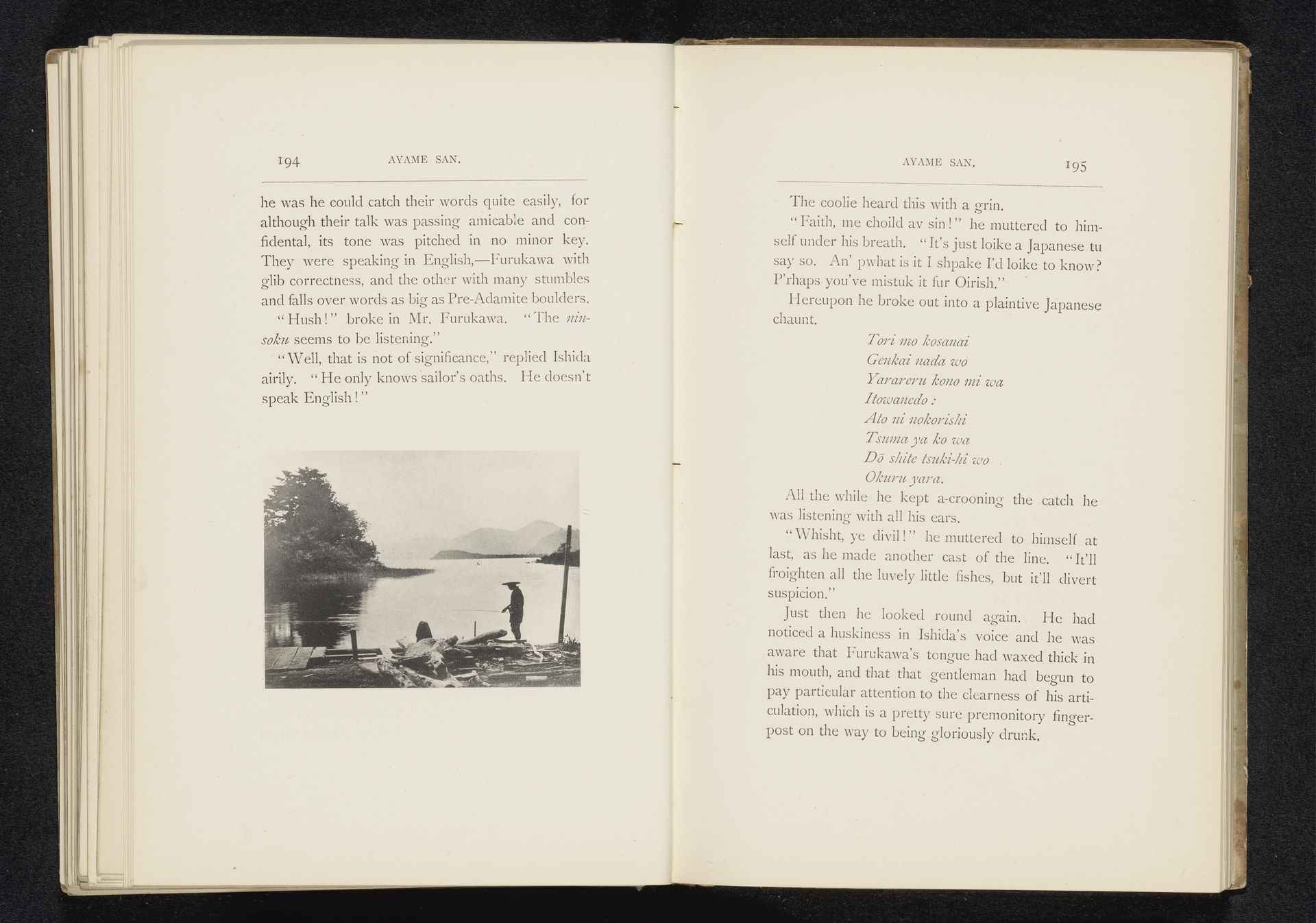
William Kinnimond Burton captured this view of a lake in Japan with a fisherman in the foreground, likely using photography. The monochromatic tones create a study in contrasts, shifting from the dense, textured foliage on the left to the tranquil, reflective water and the distant mountains. These compositional elements evoke a sense of stillness. The photograph's structure emphasizes a balance between the natural and the human. The solid mass of trees on one side is countered by the lone figure of the fisherman on the other, positioned at the edge of the water. This organization invites a semiotic reading, where natural elements contrast with the human figure, and challenge established meanings between nature and human intervention. Ultimately, the photograph, a product of its time, reflects a broader philosophical discourse about humanity's relationship with the natural world. It reminds us that art is always open to interpretation and re-interpretation.
Gezicht op een meer te Japan, met op de voorgrond een visser
before 1892

Artwork details
- Dimensions
- height 64 mm, width 84 mm
- Copyright
- Rijks Museum: Open Domain
Comments
Share your thoughts
About this artwork
William Kinnimond Burton captured this view of a lake in Japan with a fisherman in the foreground, likely using photography. The monochromatic tones create a study in contrasts, shifting from the dense, textured foliage on the left to the tranquil, reflective water and the distant mountains. These compositional elements evoke a sense of stillness. The photograph's structure emphasizes a balance between the natural and the human. The solid mass of trees on one side is countered by the lone figure of the fisherman on the other, positioned at the edge of the water. This organization invites a semiotic reading, where natural elements contrast with the human figure, and challenge established meanings between nature and human intervention. Ultimately, the photograph, a product of its time, reflects a broader philosophical discourse about humanity's relationship with the natural world. It reminds us that art is always open to interpretation and re-interpretation.
Comments
Share your thoughts