About this artwork
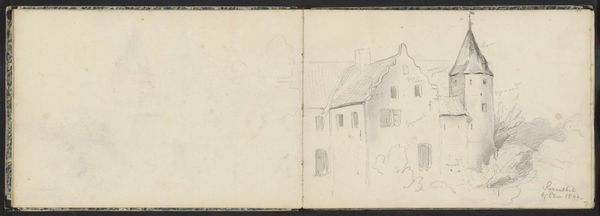
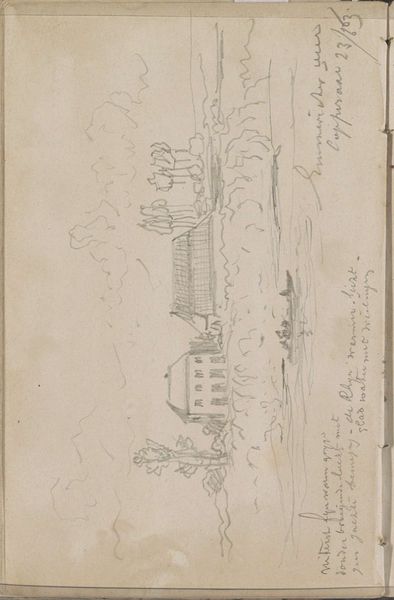
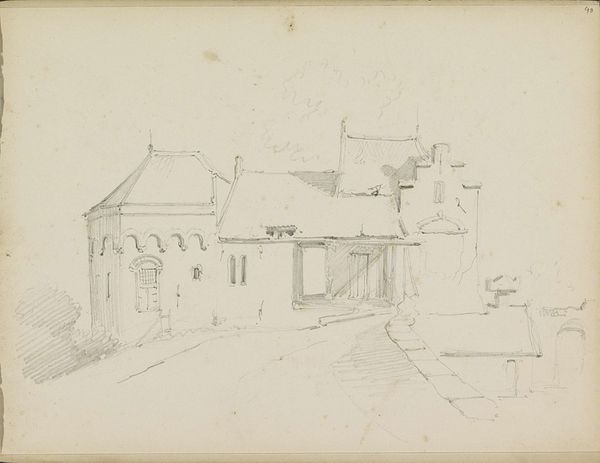
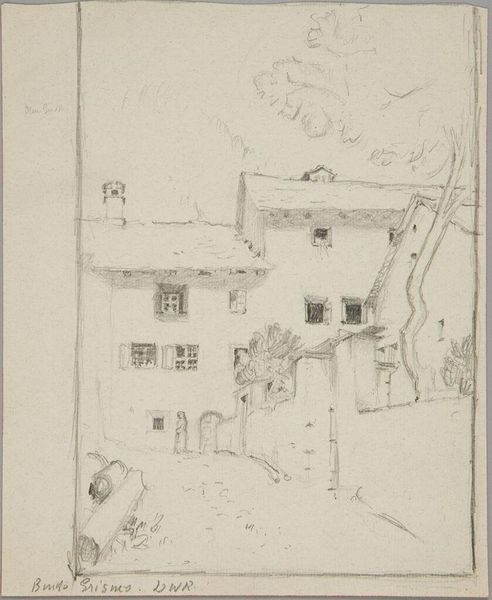
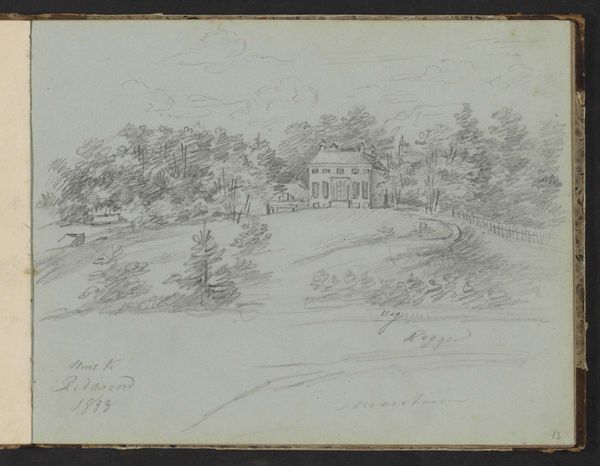
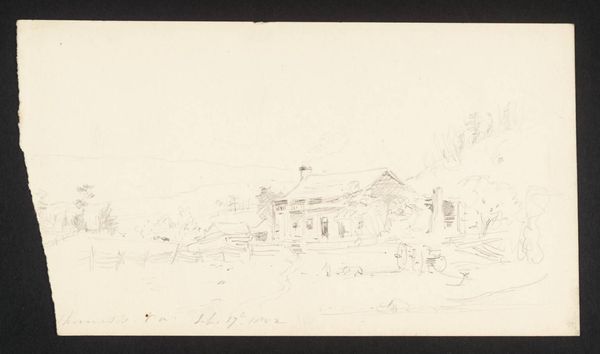
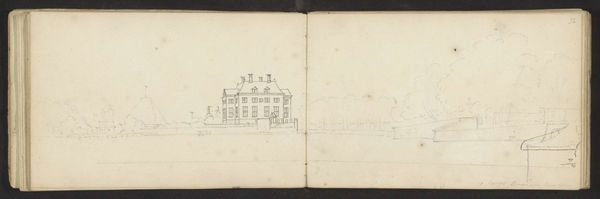
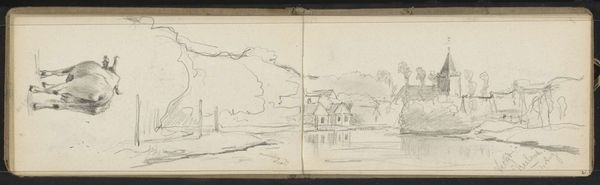
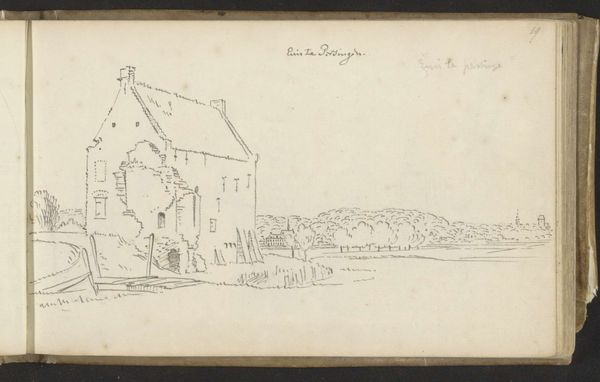
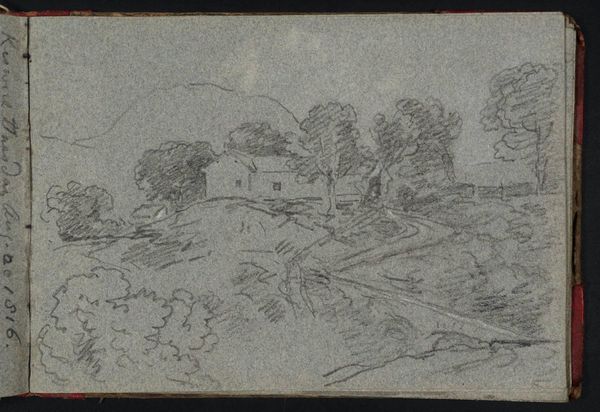
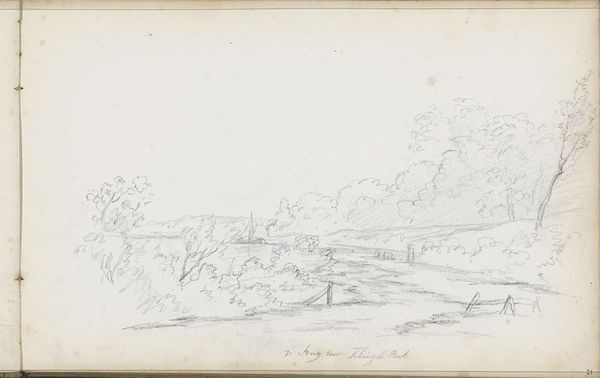
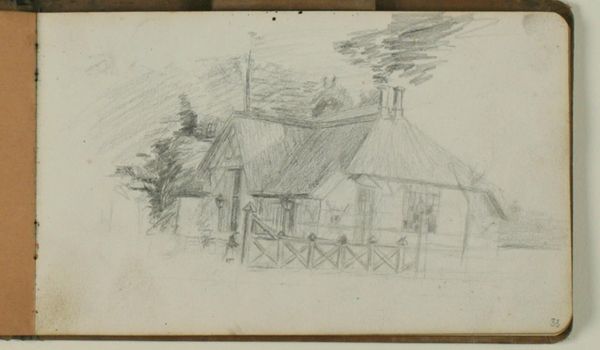
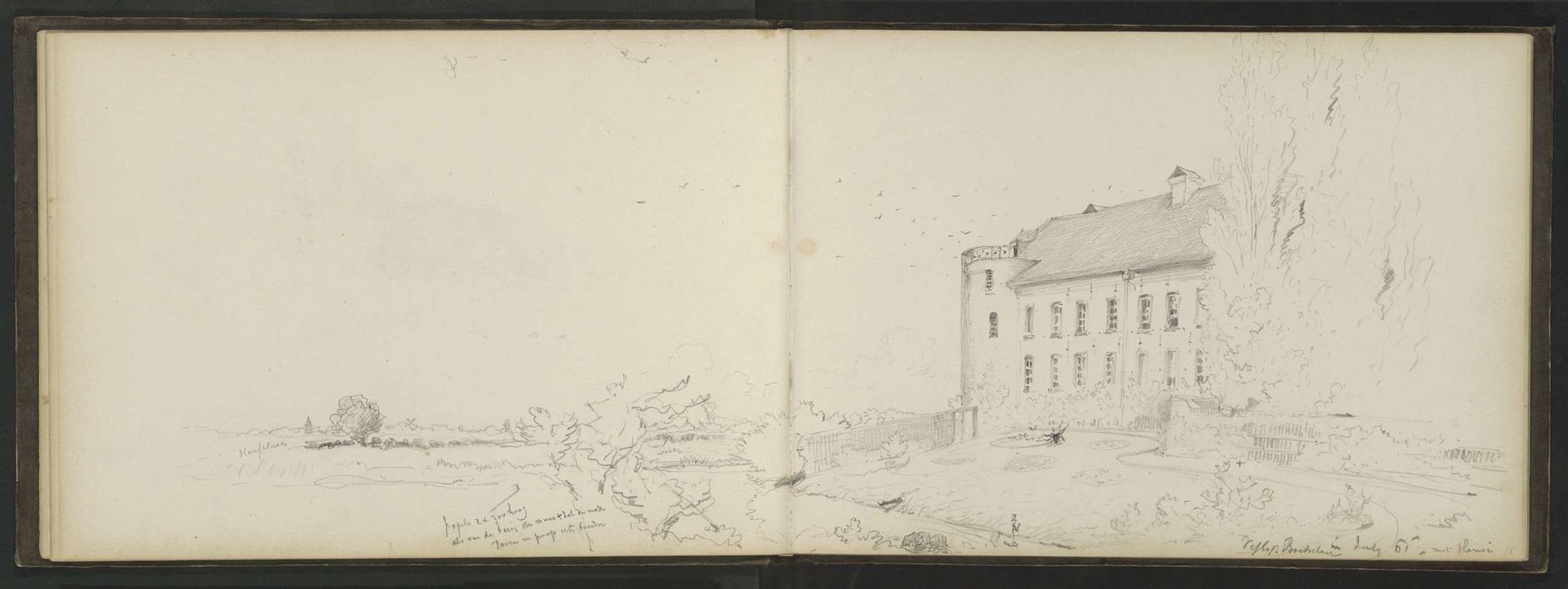
This drawing, "Gezicht op de tuin van Slot Boetselaer in Kleef," was created by Johannes Tavenraat. The pencil marks sketch a garden scene. Note the composition with its subtle division of space, from the castle on the right to the blurred field on the left. The pencil strokes function semiotically, guiding our gaze through the landscape as they represent different textures. Look at how the rough strokes indicating foliage create a contrast to the smooth surfaces of the castle wall. Tavenraat masterfully uses the tonal range of pencil to evoke a sense of light and depth. Observe how the precision of the architectural details in the castle contrasts with the open, undefined space of the field, creating a dialectic between order and freedom, structure and flow. The drawing’s meaning is not confined to its representational qualities; it’s also in its material presence, the way the pencil meets paper, leaving a trace of the artist’s hand.
Gezicht op de tuin van Slot Boetselaer in Kleef
1861 - 1867

Johannes Tavenraat
1809 - 1881Location
RijksmuseumArtwork details
- Location
- Rijksmuseum
- Copyright
- Rijks Museum: Open Domain
Comments
Share your thoughts
About this artwork
This drawing, "Gezicht op de tuin van Slot Boetselaer in Kleef," was created by Johannes Tavenraat. The pencil marks sketch a garden scene. Note the composition with its subtle division of space, from the castle on the right to the blurred field on the left. The pencil strokes function semiotically, guiding our gaze through the landscape as they represent different textures. Look at how the rough strokes indicating foliage create a contrast to the smooth surfaces of the castle wall. Tavenraat masterfully uses the tonal range of pencil to evoke a sense of light and depth. Observe how the precision of the architectural details in the castle contrasts with the open, undefined space of the field, creating a dialectic between order and freedom, structure and flow. The drawing’s meaning is not confined to its representational qualities; it’s also in its material presence, the way the pencil meets paper, leaving a trace of the artist’s hand.
Comments
Share your thoughts