About this artwork
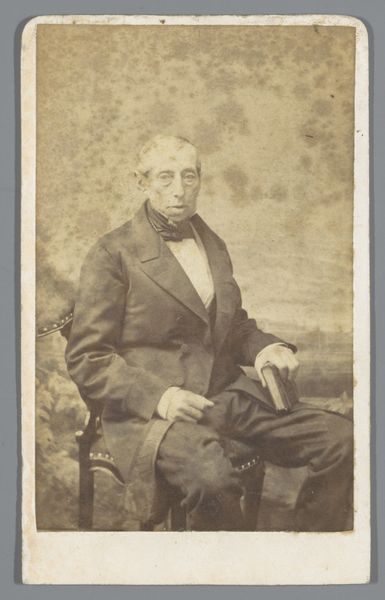
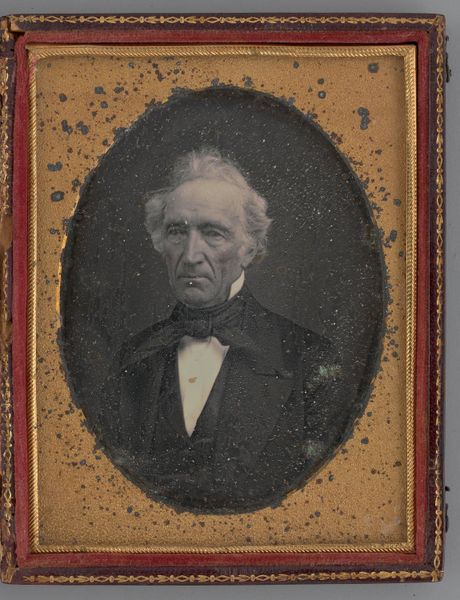
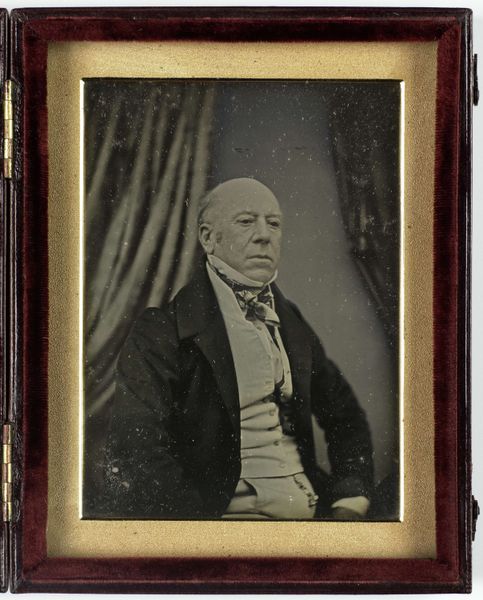
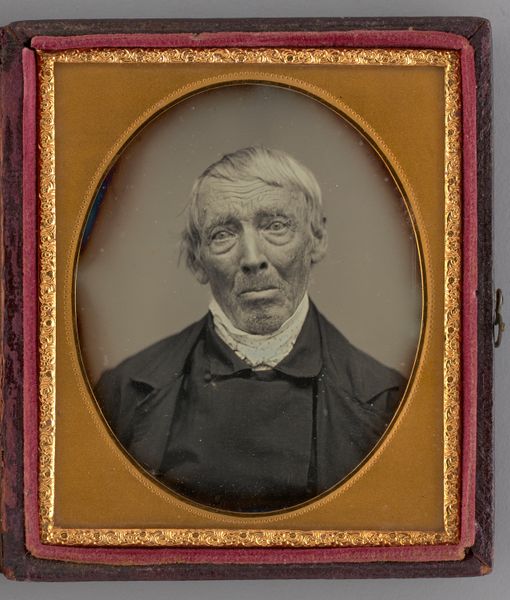
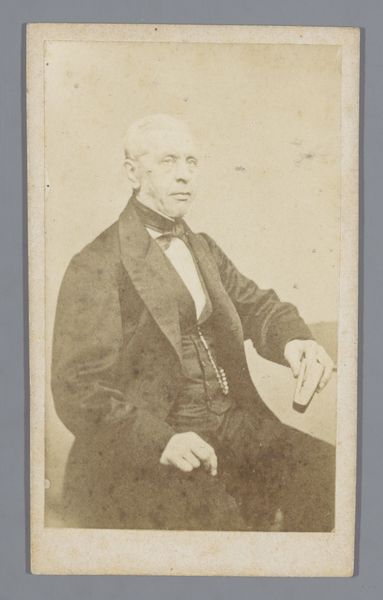
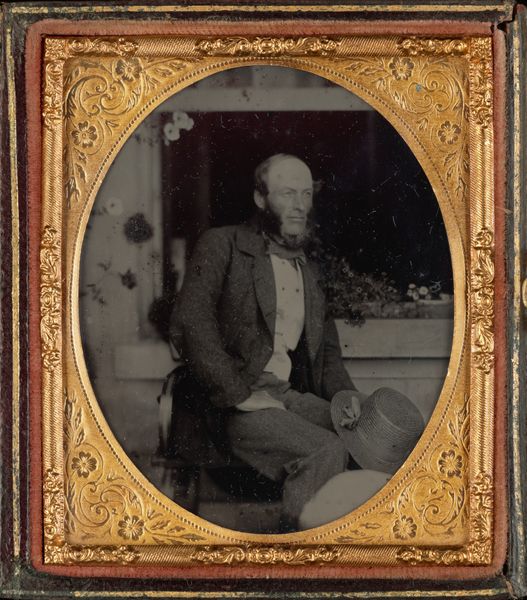
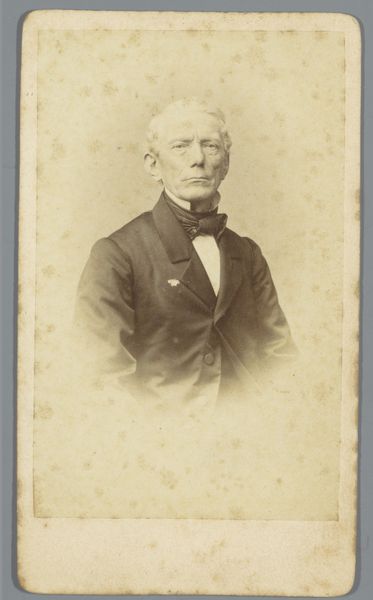
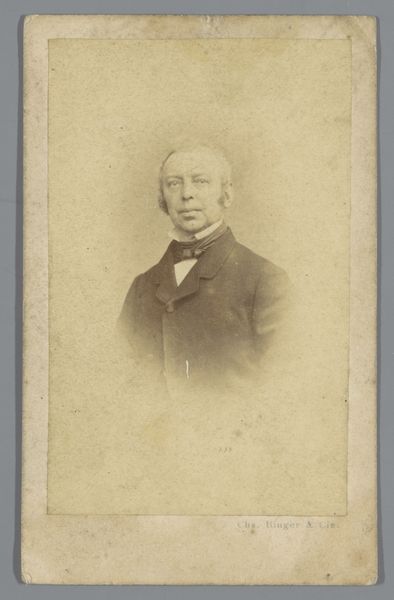
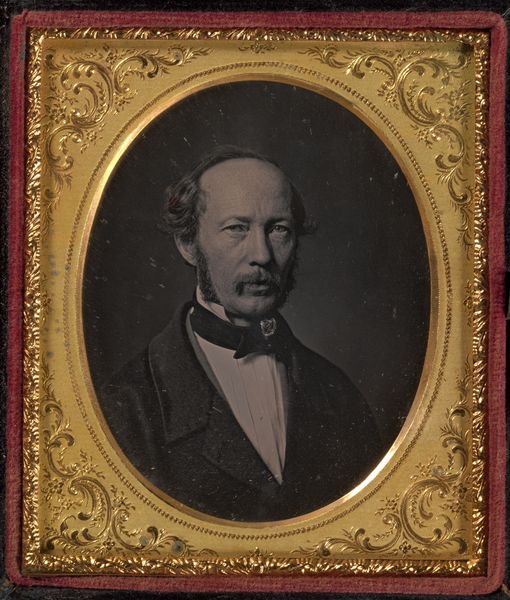
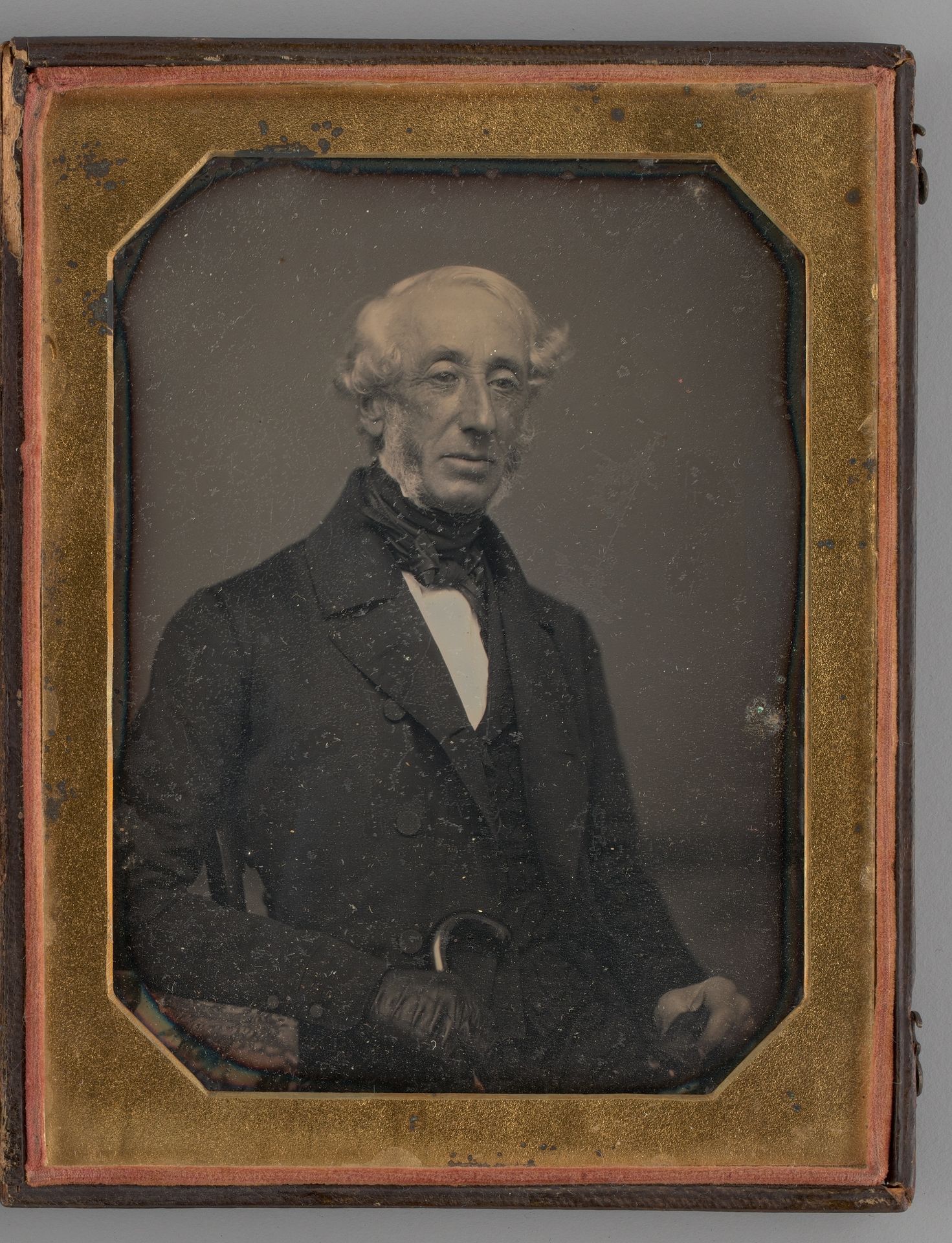
This untitled daguerreotype at the Art Institute of Chicago by Marcus Aurelius Root captures a seated man in a dark suit and ascot tie. The image, framed by an octagonal border, presents a study in contrasts, with light reflecting off the man’s face and starkly contrasting with the deep blacks of his attire. Root, a notable figure in early photography, masterfully uses light and shadow to sculpt the man's features. The sharp focus on the face draws our attention, inviting us to decode the sitter’s character. The sitter's pose and attire are rich in symbolic meaning. His formal dress indicates his social standing, while the ascot tie adds a touch of elegance. The subtle curvature of the man's hand hints at a hidden narrative, a gesture caught in time. The materiality of the daguerreotype itself, with its reflective surface and delicate detail, underscores the photograph's role as both a portrait and a cultural artifact. This interaction between light, form, and materiality invites us to consider the photograph not just as a record but as a constructed image, imbued with the values and aesthetics of its time.
Untitled (Portrait of a Seated Man Wearing an Ascot Tie)
1847


Artwork details
- Medium
- daguerreotype, photography
- Dimensions
- 13.9 × 10.7 cm (5 1/2 × 4 1/4 in., plate); 15 × 23.5 × 1 cm (open case); 15 × 11.8 × 1.5 cm (case)
- Location
- The Art Institute of Chicago
- Copyright
- Public Domain
Tags
Comments
Share your thoughts
About this artwork
This untitled daguerreotype at the Art Institute of Chicago by Marcus Aurelius Root captures a seated man in a dark suit and ascot tie. The image, framed by an octagonal border, presents a study in contrasts, with light reflecting off the man’s face and starkly contrasting with the deep blacks of his attire. Root, a notable figure in early photography, masterfully uses light and shadow to sculpt the man's features. The sharp focus on the face draws our attention, inviting us to decode the sitter’s character. The sitter's pose and attire are rich in symbolic meaning. His formal dress indicates his social standing, while the ascot tie adds a touch of elegance. The subtle curvature of the man's hand hints at a hidden narrative, a gesture caught in time. The materiality of the daguerreotype itself, with its reflective surface and delicate detail, underscores the photograph's role as both a portrait and a cultural artifact. This interaction between light, form, and materiality invites us to consider the photograph not just as a record but as a constructed image, imbued with the values and aesthetics of its time.
Comments
Share your thoughts