About this artwork
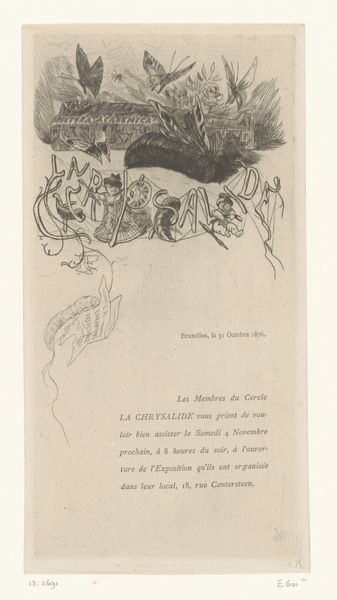
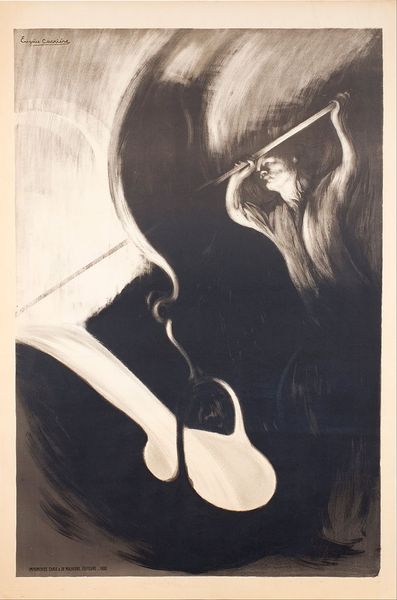
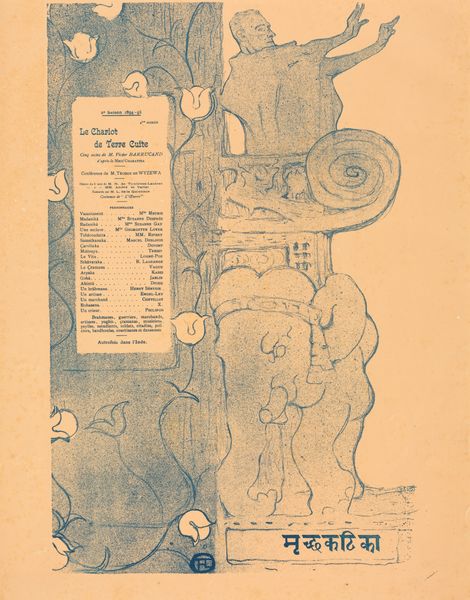
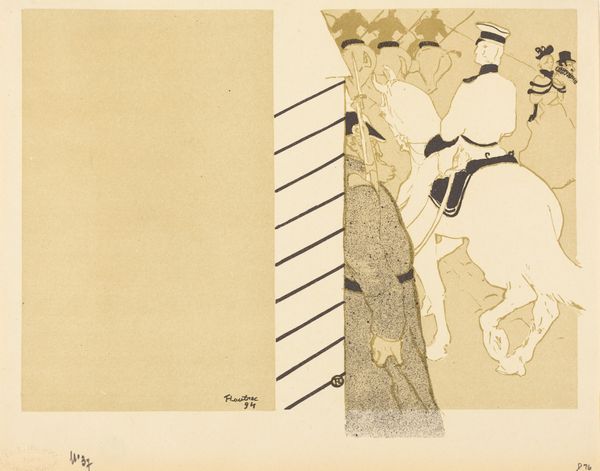
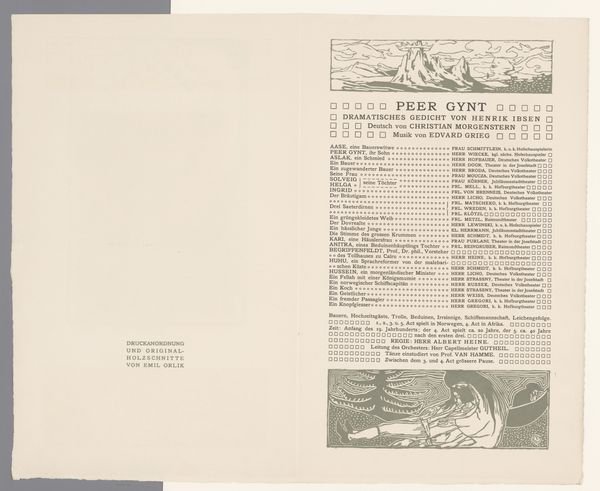
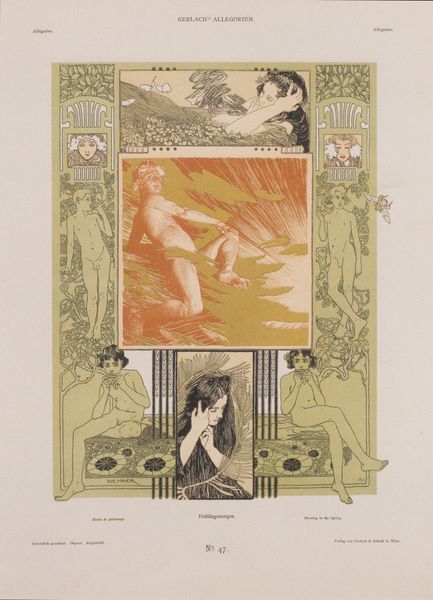
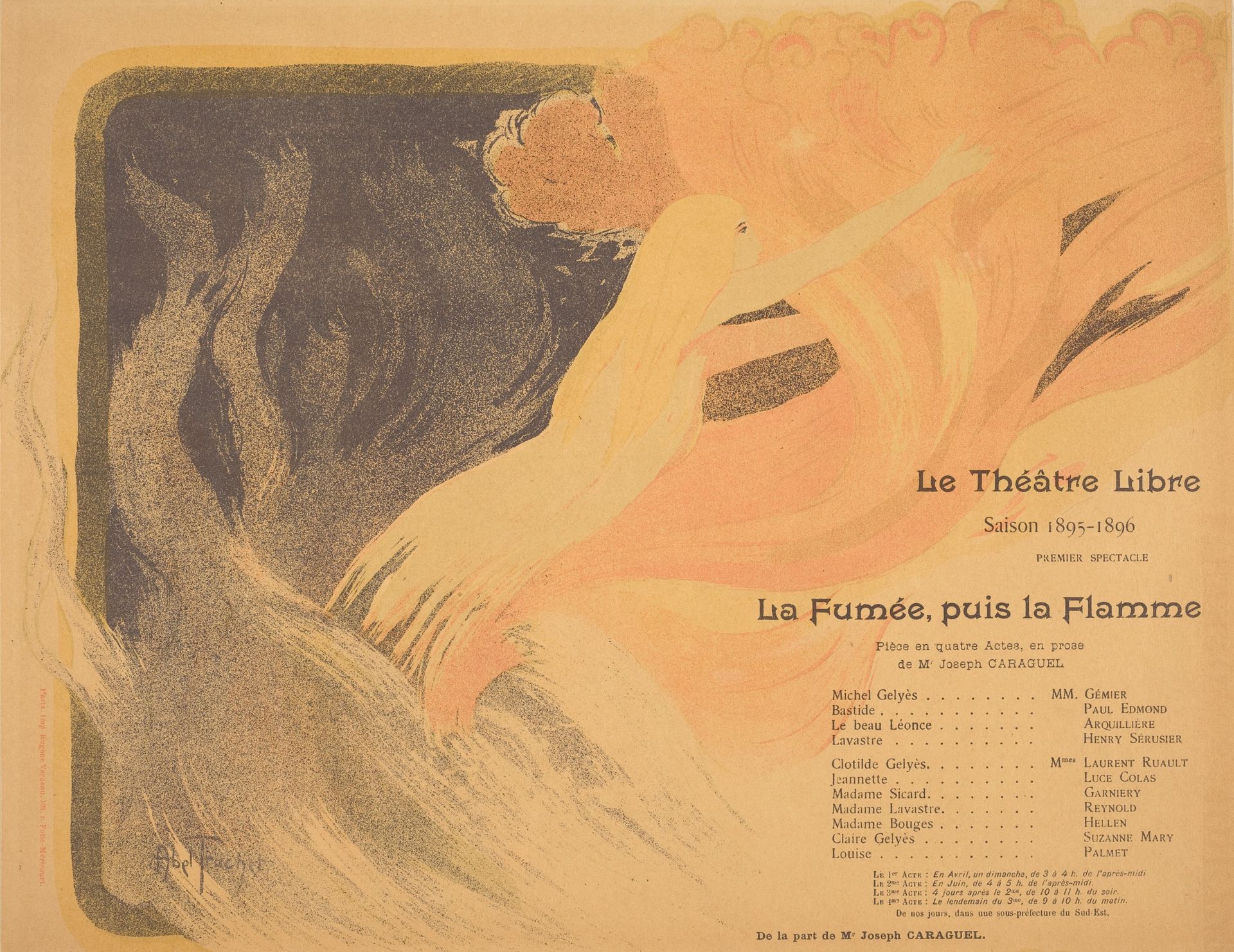
This poster, by Abel-Truchet, advertises a play, and does so using the relatively new technique of lithography. Lithography involves drawing an image on a flat stone or metal plate with a greasy crayon, then applying ink to the surface. The ink adheres only to the drawn areas, allowing for multiple, identical prints. This method was revolutionary, as it allowed for the mass production of colorful and detailed images, making art more accessible to the public. Here, we see Truchet taking full advantage of this technique to create a smoky, dreamlike quality with soft lines, and a delicate balance of hues. Consider the labor involved: from the quarrying of the stone, to the mixing of pigments, to the printing itself. Lithography democratized image-making, but also relied on a whole system of production. By understanding the processes and materials of this poster, we gain insight into its cultural significance, and its place in the history of both art and industry.


Artwork details
- Medium
- lithograph, print, poster
- Dimensions
- sheet: 24.1 x 30.9 cm (9 1/2 x 12 3/16 in.)
- Copyright
- National Gallery of Art: CC0 1.0
Tags
art-nouveau
lithograph
figuration
symbolism
poster
Comments
No comments
About this artwork
This poster, by Abel-Truchet, advertises a play, and does so using the relatively new technique of lithography. Lithography involves drawing an image on a flat stone or metal plate with a greasy crayon, then applying ink to the surface. The ink adheres only to the drawn areas, allowing for multiple, identical prints. This method was revolutionary, as it allowed for the mass production of colorful and detailed images, making art more accessible to the public. Here, we see Truchet taking full advantage of this technique to create a smoky, dreamlike quality with soft lines, and a delicate balance of hues. Consider the labor involved: from the quarrying of the stone, to the mixing of pigments, to the printing itself. Lithography democratized image-making, but also relied on a whole system of production. By understanding the processes and materials of this poster, we gain insight into its cultural significance, and its place in the history of both art and industry.
Comments
No comments