1700 - 1710
Two-handled Bowl

Cornelius Kierstede
1674 - 1760
The Metropolitan Museum of Art
Metropolitan Museum of Art, New York, NYListen to curator's interpretation
Curatorial notes
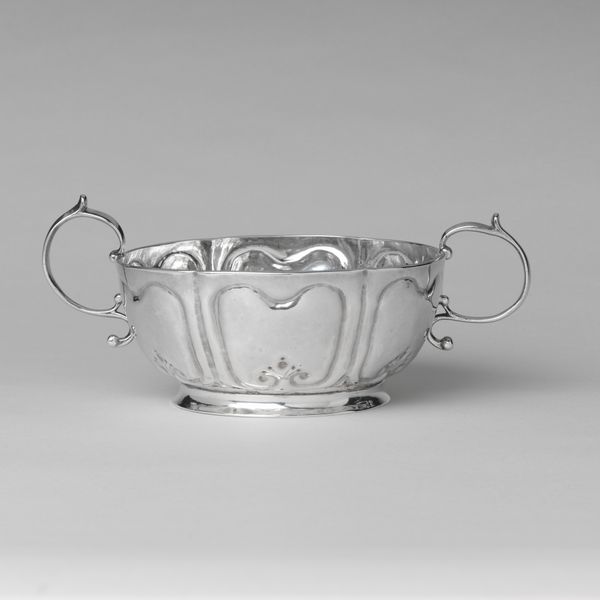
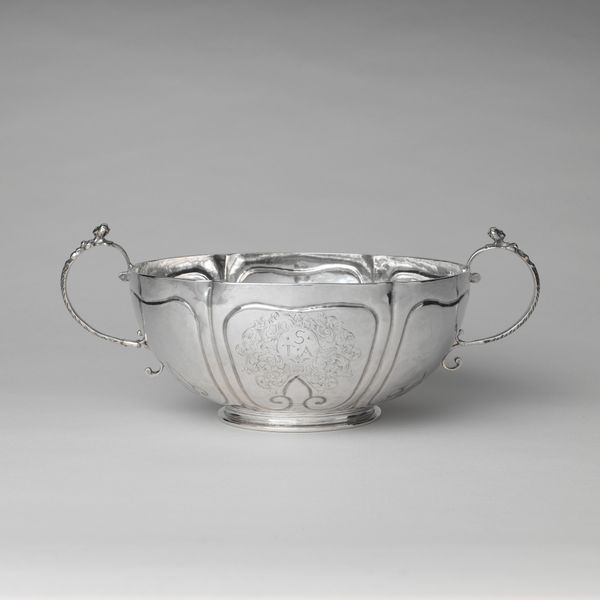
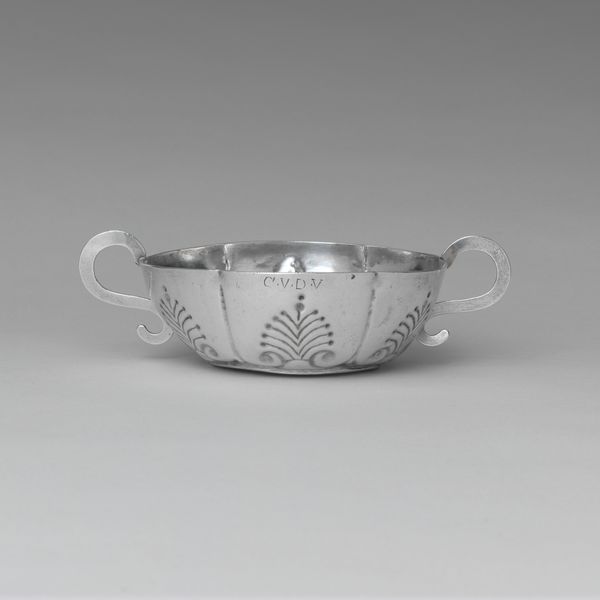
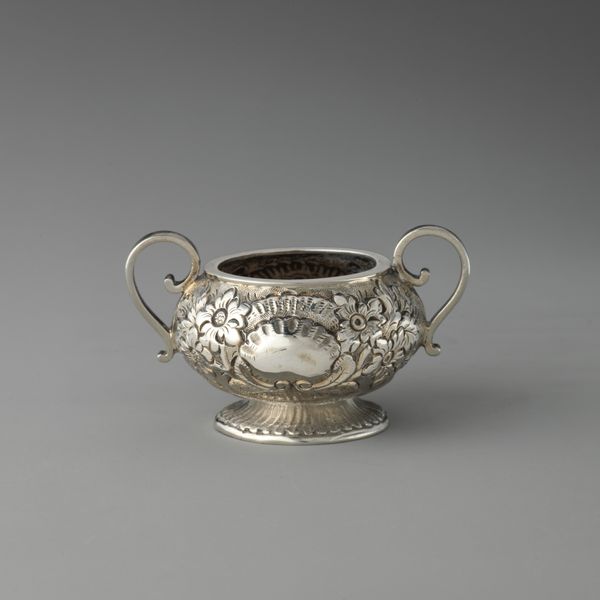
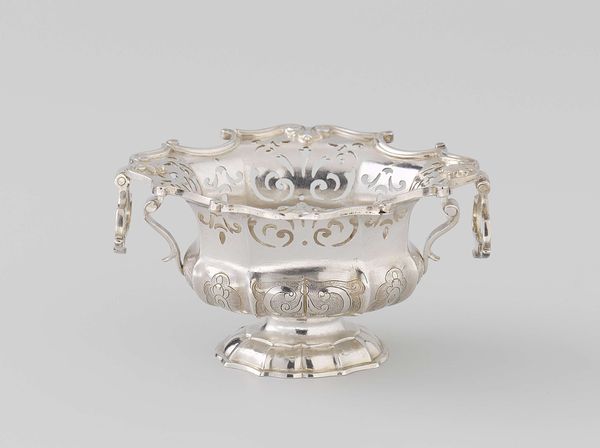
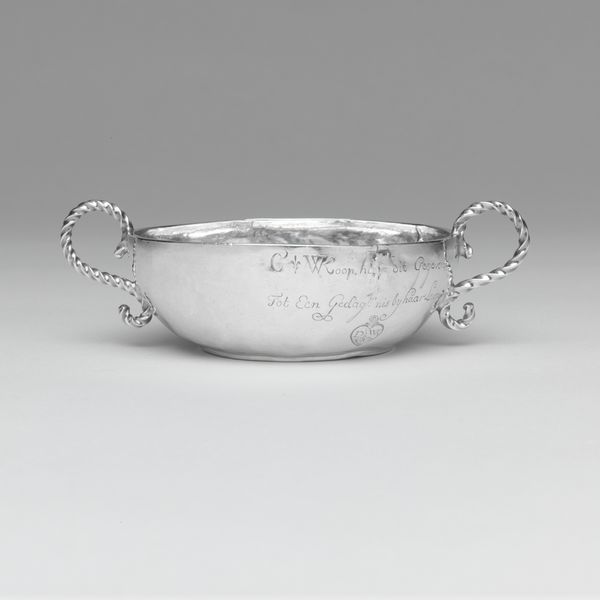
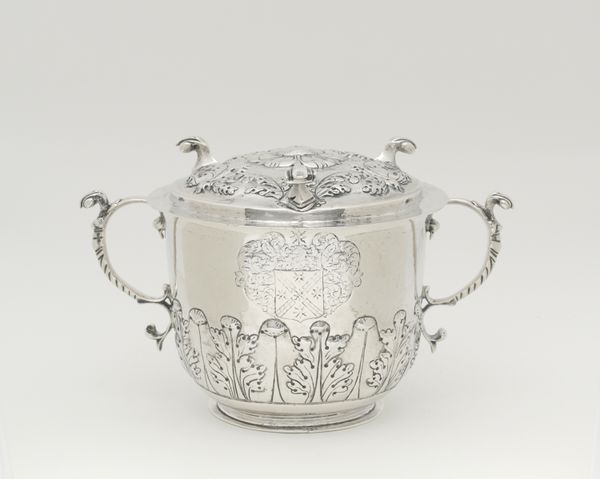
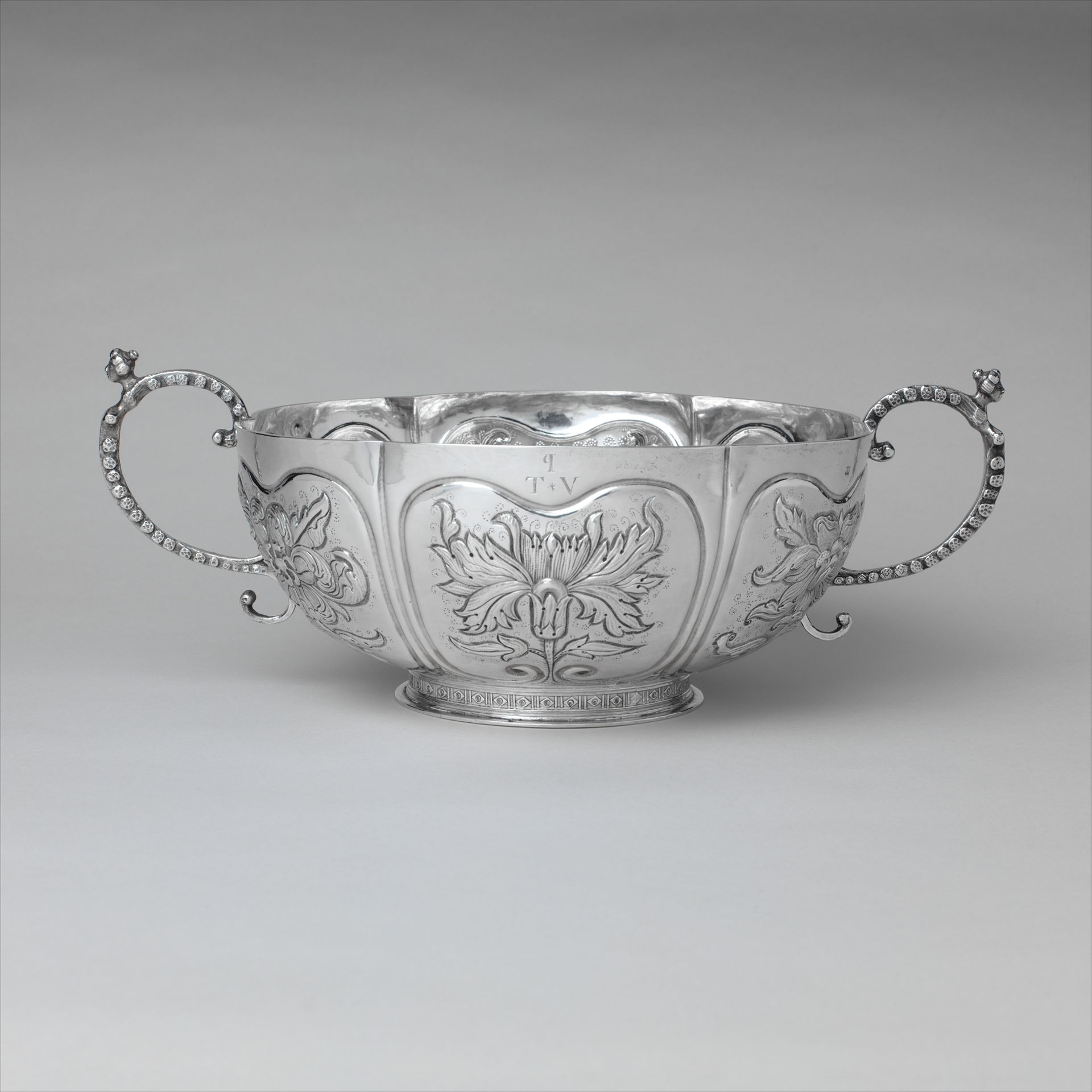
This two-handled bowl was crafted in the early 18th century by Cornelius Kierstede and it is now at the Metropolitan Museum. Observe the elaborate floral patterns and foliage that encircle the bowl. These botanical motifs are not mere decoration; they echo ancient symbols of growth, prosperity, and the cyclical nature of life. Consider how similar motifs have appeared across cultures—from the lotus in ancient Egypt symbolizing rebirth, to the acanthus leaves adorning classical Greek architecture, representing endurance and immortality. These symbols resurface in unexpected ways, revealing a profound continuity in human expression. The handles, like stylized branches, invite us to grasp not just the object but also the past. We see this same impulse in Gothic cathedrals where stone is carved into organic forms, or in Renaissance paintings where flowers are imbued with layers of symbolic meaning. The Two-handled bowl is not just a container but a vessel of cultural memory, a reminder of how symbols evolve and adapt, perpetually reborn in new forms.