About this artwork
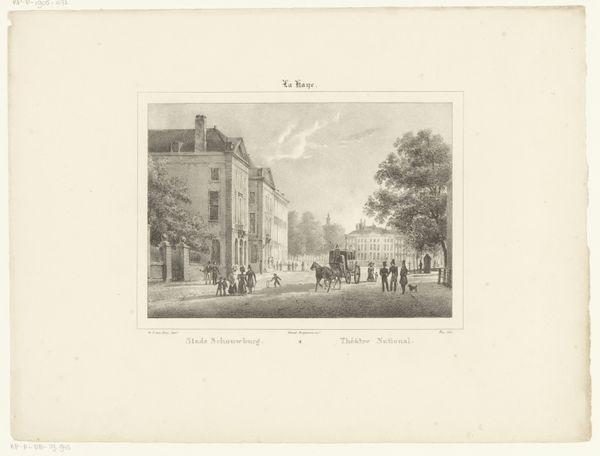
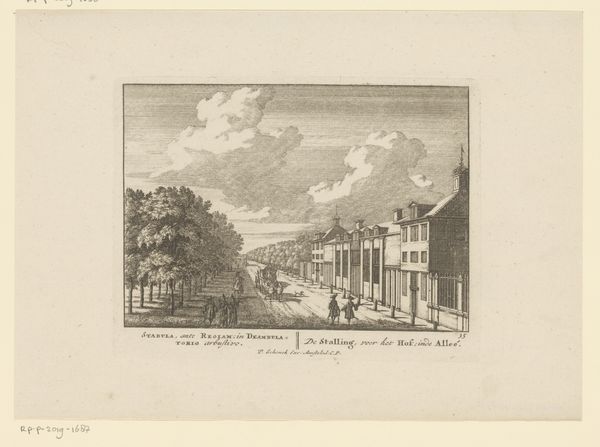
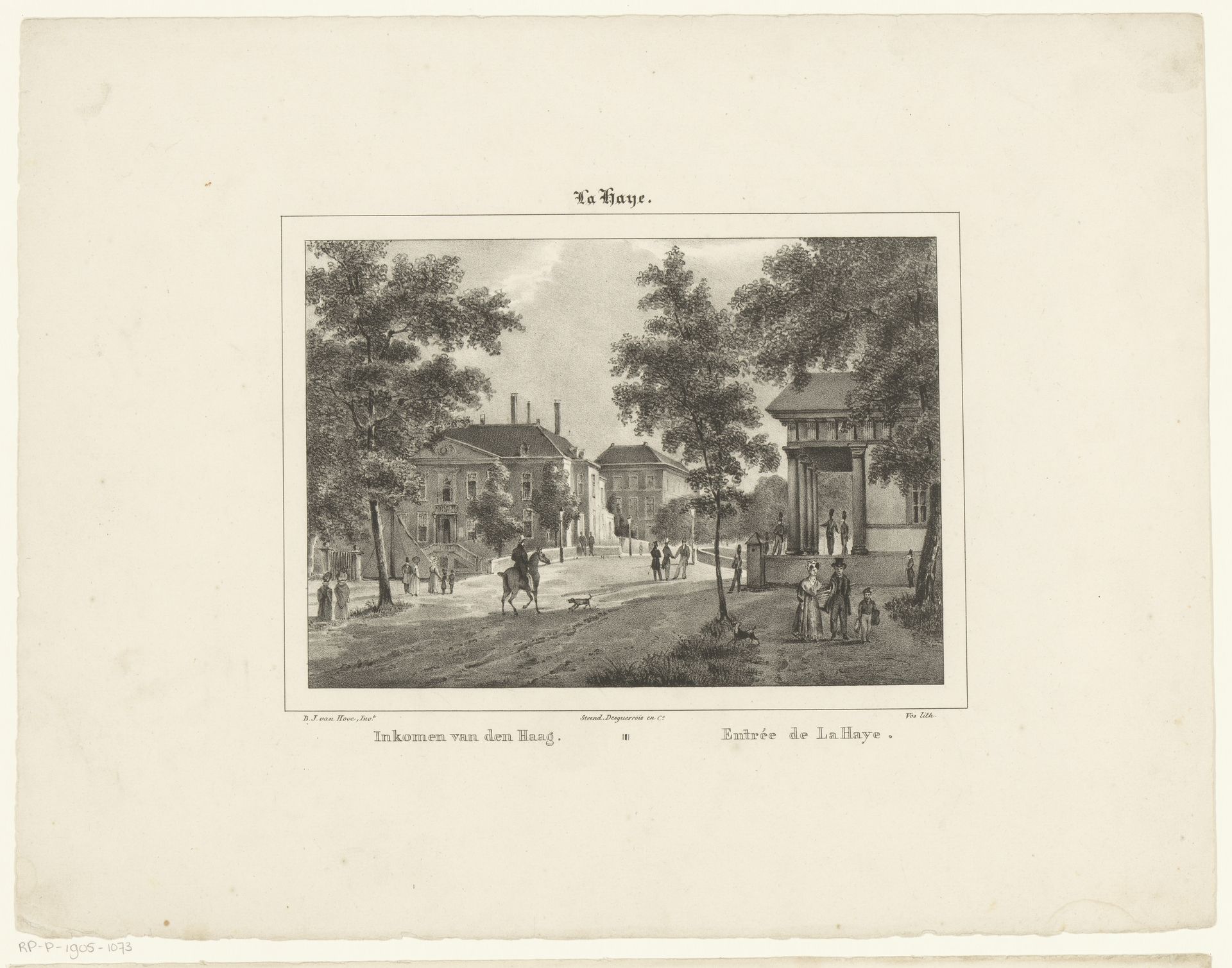
Joannes Willem Vos created this artwork, titled "Gezicht op het Korte Voorhout te Den Haag," using etching techniques. Notice the archway, a prominent feature of the scene. Throughout history, the archway has stood as a symbol of transition, of moving from one realm to another. Think of triumphal arches erected by the Romans, celebrating military victories and the passage of emperors. This gateway, however, seems more subtle, more domestic. Yet, it carries the same primal symbolism. It suggests the crossing of thresholds, the leaving of one state and entering another. One can see echoes of this form in religious iconography, like the mandorla surrounding Christ, framing his divine transformation. Consider the psychological weight of such a symbol, how it taps into our collective memory of rites of passage, of endings and beginnings. It invites us, subconsciously, to reflect on our own journeys and transformations. An image not just of a place, but of a perpetual human experience, re-emerging through time.
Gezicht op het Korte Voorhout te Den Haag
1827 - 1853

Joannes Willem Vos
1806 - 1853Location
RijksmuseumArtwork details
- Medium
- print, engraving
- Dimensions
- height 274 mm, width 357 mm
- Location
- Rijksmuseum
- Copyright
- Rijks Museum: Open Domain
Tags
Comments
Share your thoughts
About this artwork
Joannes Willem Vos created this artwork, titled "Gezicht op het Korte Voorhout te Den Haag," using etching techniques. Notice the archway, a prominent feature of the scene. Throughout history, the archway has stood as a symbol of transition, of moving from one realm to another. Think of triumphal arches erected by the Romans, celebrating military victories and the passage of emperors. This gateway, however, seems more subtle, more domestic. Yet, it carries the same primal symbolism. It suggests the crossing of thresholds, the leaving of one state and entering another. One can see echoes of this form in religious iconography, like the mandorla surrounding Christ, framing his divine transformation. Consider the psychological weight of such a symbol, how it taps into our collective memory of rites of passage, of endings and beginnings. It invites us, subconsciously, to reflect on our own journeys and transformations. An image not just of a place, but of a perpetual human experience, re-emerging through time.
Comments
Share your thoughts