About this artwork
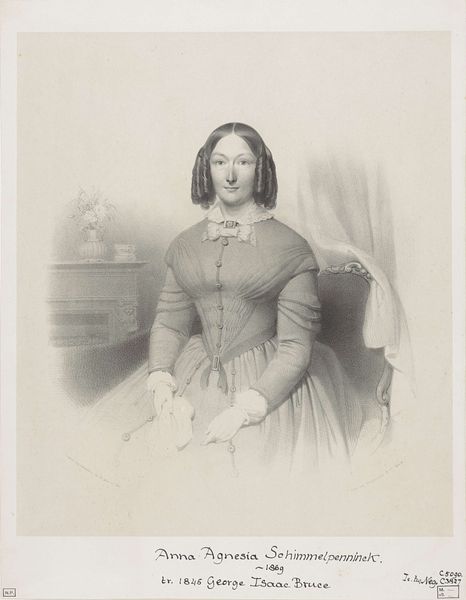
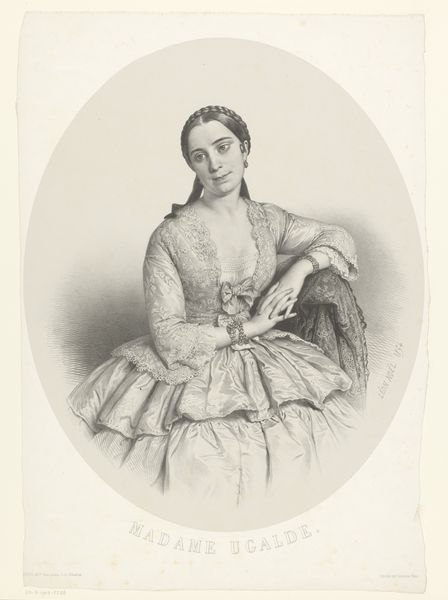
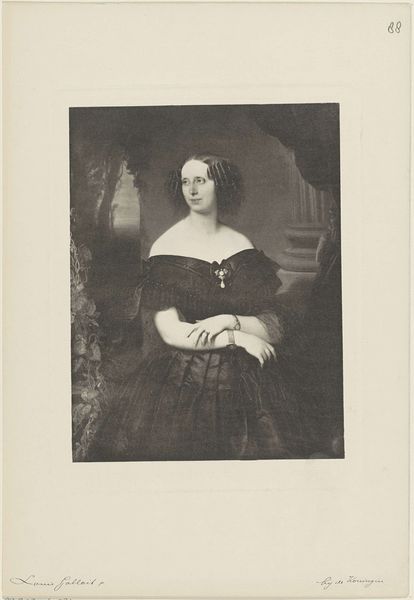
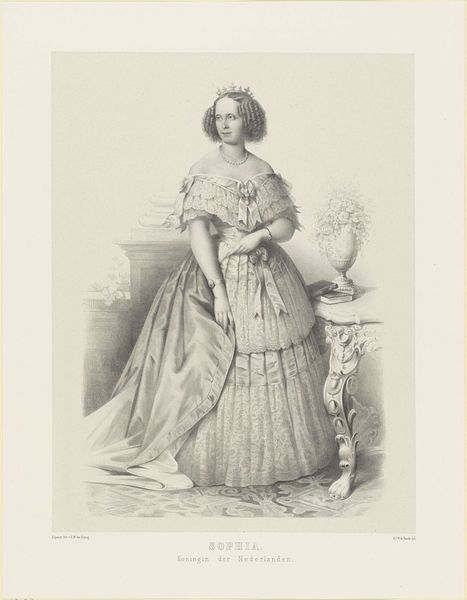
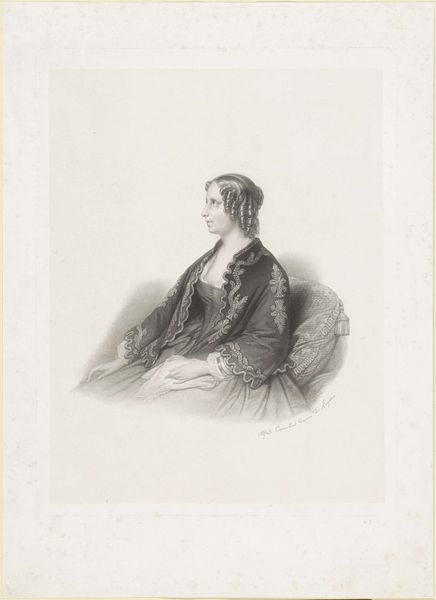
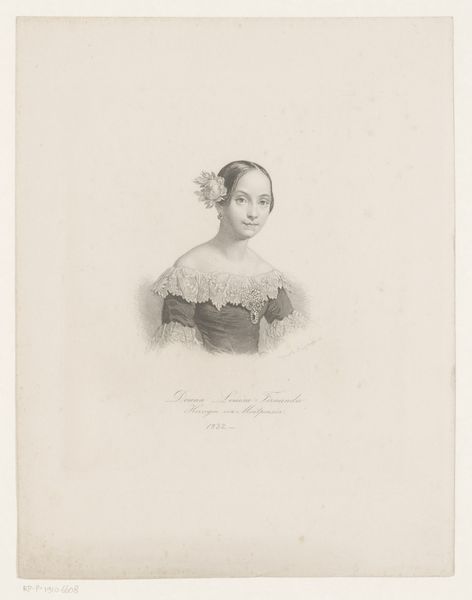
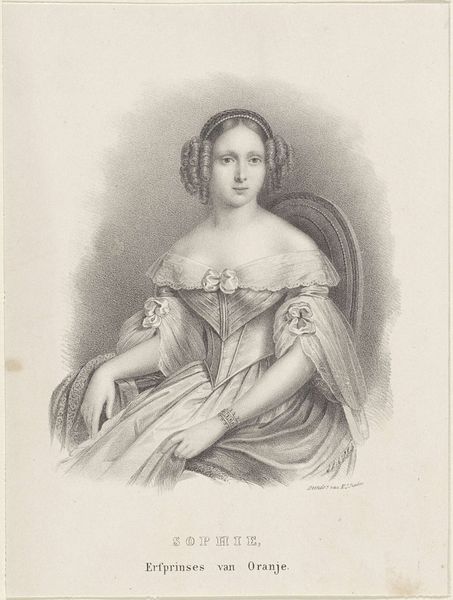
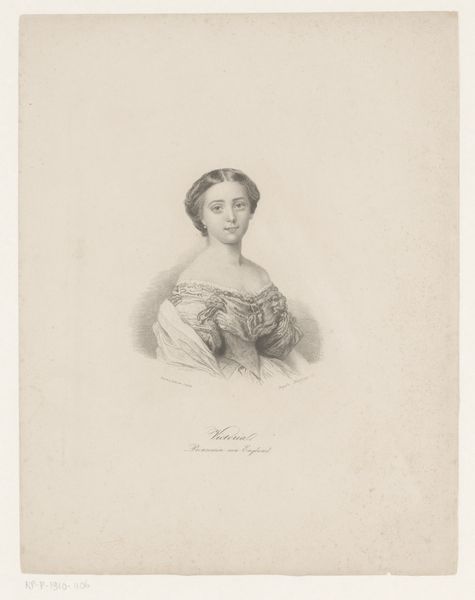
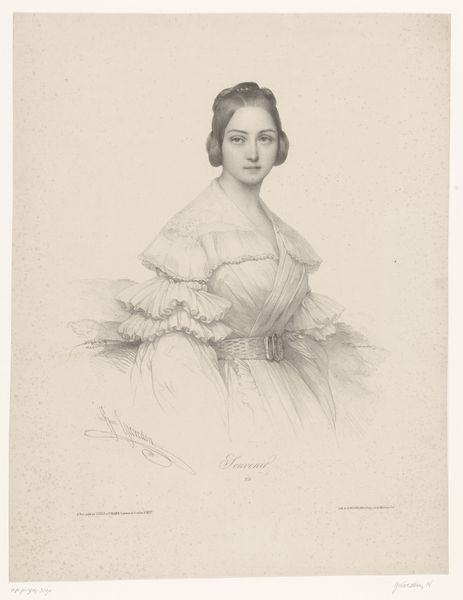
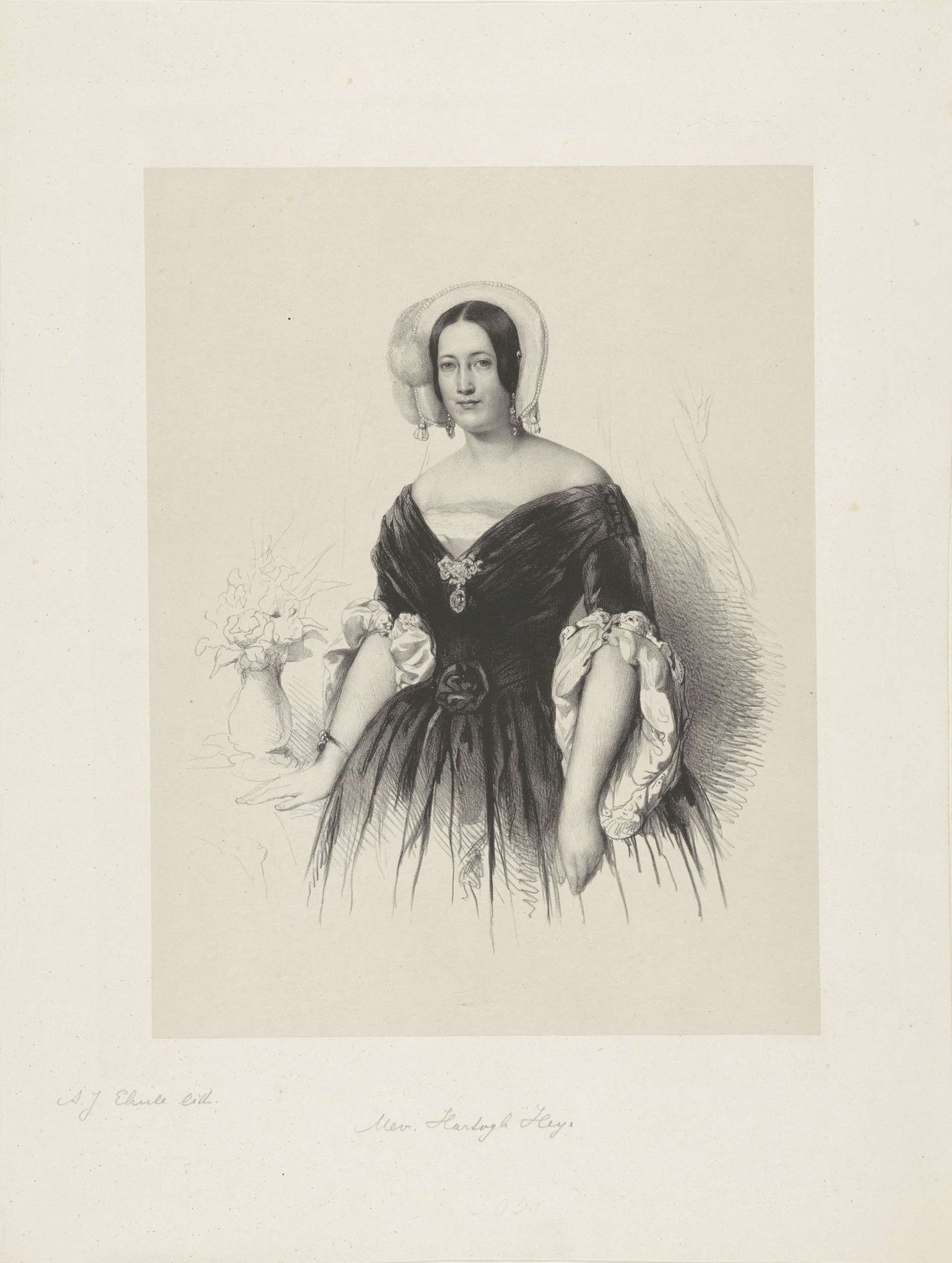
This is Adrianus Johannes Ehnle's portrait of E. P. J. W. Hartogh Heys van Zouteveen - Hoekwater, made in the 19th century using lithography. Looking at this portrait, you can see how gender and class are meticulously constructed. Ehnle captures the sitter with a composed face, adorned in an elaborate dress, jewelry, and an ornate headpiece, each element contributing to an image of affluent femininity. Her accessories and clothing reflect the conventions and expectations of elite women during this era. Portraits like this not only reflect the sitter's status but also reinforce societal norms. The control over representation – who gets portrayed and how – speaks volumes about power and privilege. This image captures a moment in time, reflecting the values, aesthetics, and social structures that defined the era.
Portret van E. P. J. W. Hartogh Heys van Zouteveen - Hoekwater 1829 - 1863

Adrianus Johannes Ehnle
1819 - 1863Location
RijksmuseumArtwork details
- Medium
- drawing, graphite
- Dimensions
- height 512 mm, width 390 mm
- Location
- Rijksmuseum
- Copyright
- Rijks Museum: Open Domain
Tags
portrait
drawing
charcoal drawing
pencil drawing
romanticism
graphite
portrait drawing
academic-art
graphite
Comments
No comments
About this artwork
This is Adrianus Johannes Ehnle's portrait of E. P. J. W. Hartogh Heys van Zouteveen - Hoekwater, made in the 19th century using lithography. Looking at this portrait, you can see how gender and class are meticulously constructed. Ehnle captures the sitter with a composed face, adorned in an elaborate dress, jewelry, and an ornate headpiece, each element contributing to an image of affluent femininity. Her accessories and clothing reflect the conventions and expectations of elite women during this era. Portraits like this not only reflect the sitter's status but also reinforce societal norms. The control over representation – who gets portrayed and how – speaks volumes about power and privilege. This image captures a moment in time, reflecting the values, aesthetics, and social structures that defined the era.
Comments
No comments