About this artwork
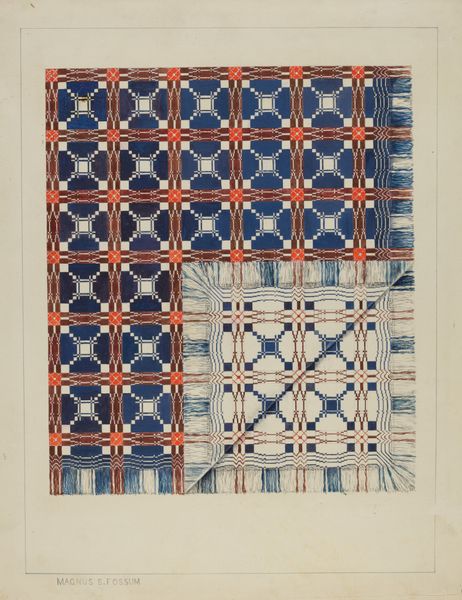
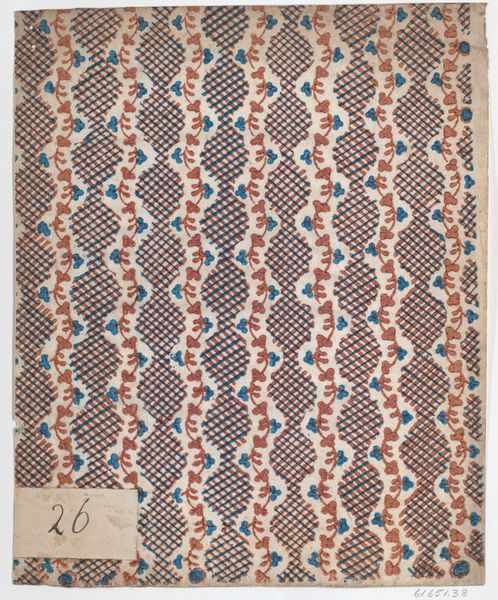
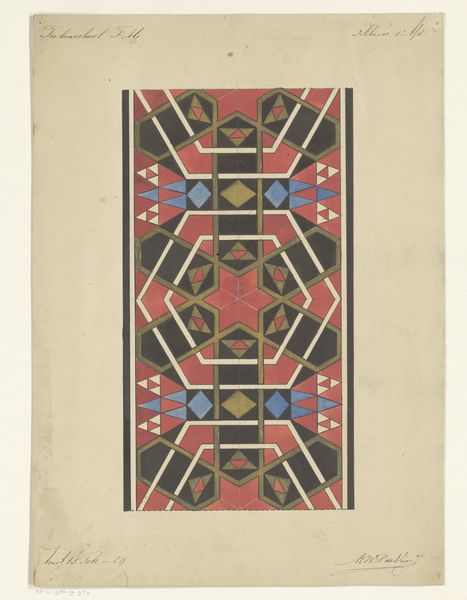
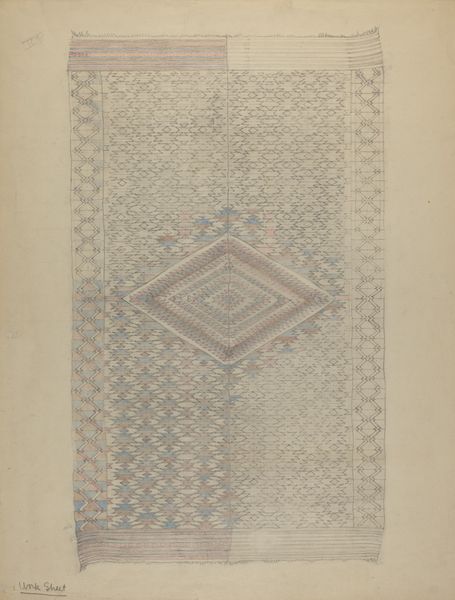
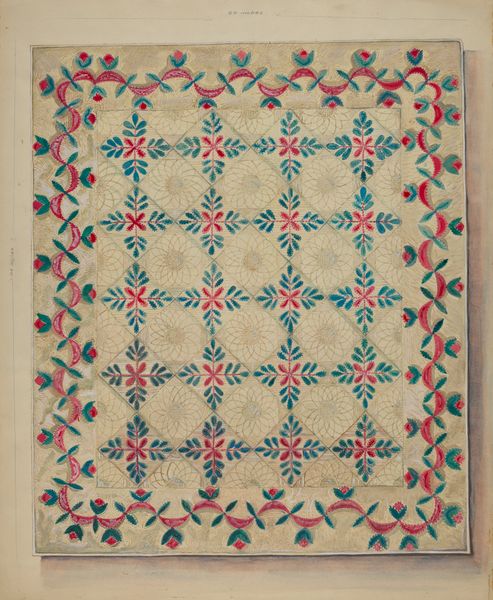
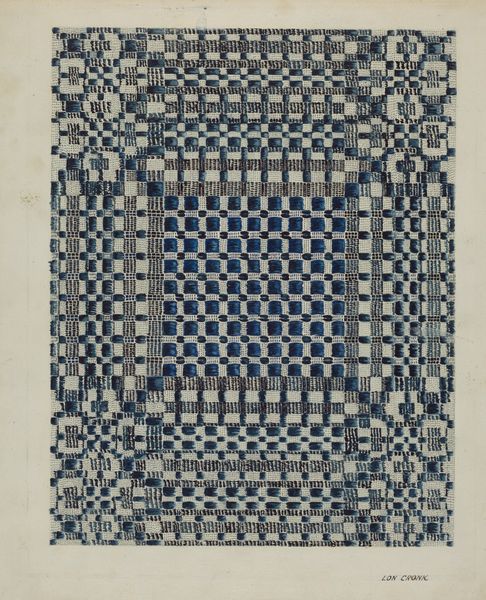
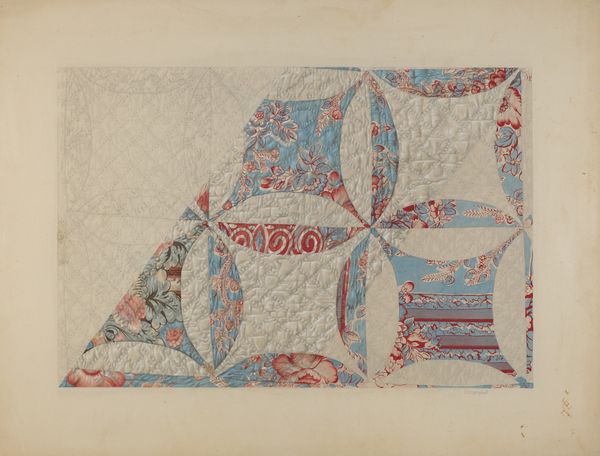
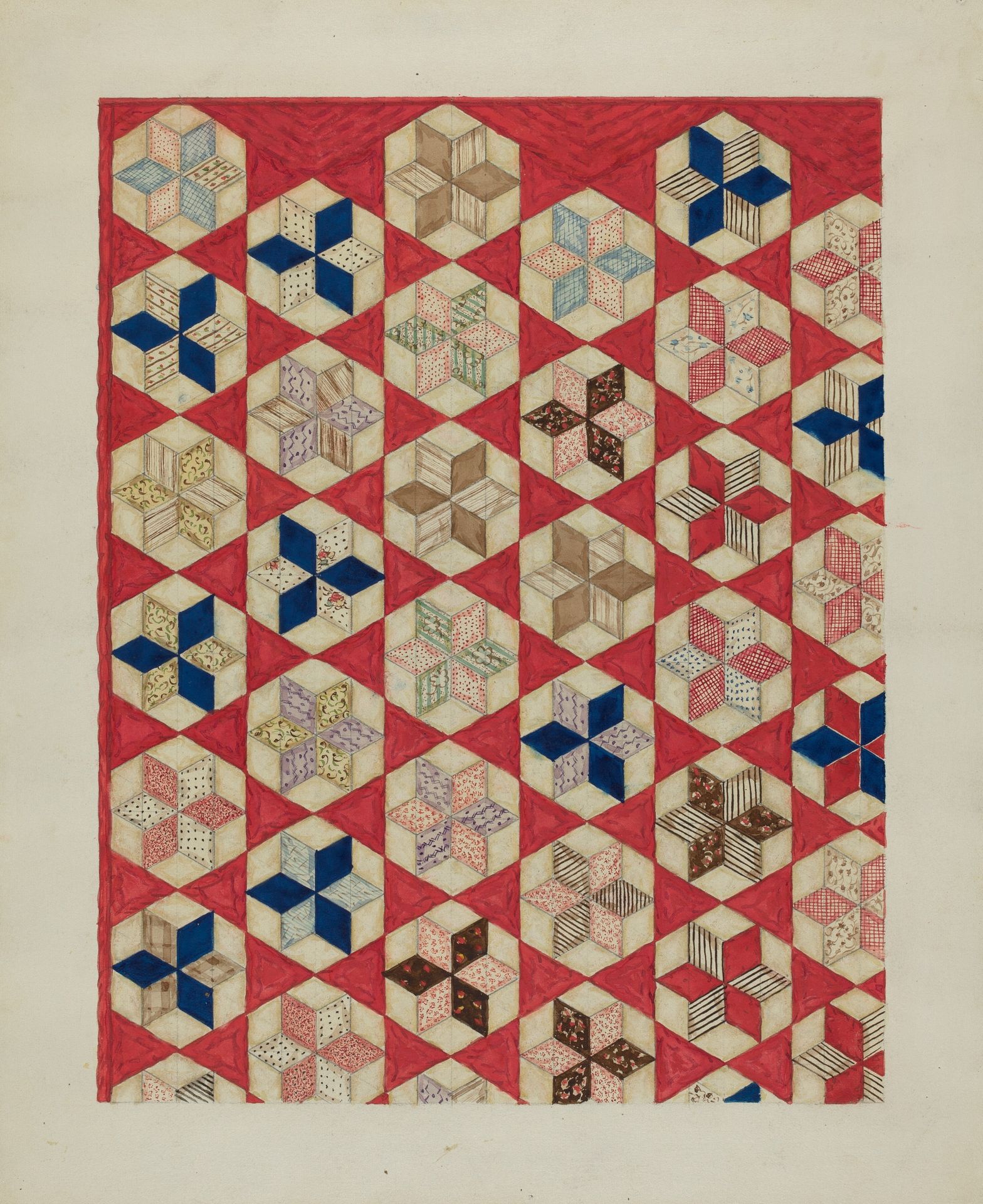
Lon Cronk created this patchwork quilt called "Evening Star," likely sometime in the late 19th or early 20th century. Quilts like these are artifacts of women’s domestic labor, often overlooked as craft rather than fine art. The “Evening Star” design, with its geometric shapes and vibrant colors, has roots in early American quilting traditions. In a time when resources were scarce, quilting became a means of resourcefulness, utilizing scraps of fabric to create warmth and beauty. These quilts were often communal projects, bonding women through shared work and storytelling. But more than just functional objects, quilts functioned as a mode of expression, with patterns carrying symbolic meanings passed down through generations. The “Evening Star” motif might represent guidance or hope. With each stitch, women inscribed their identities and histories into these textiles, developing alternative narratives to challenge traditional representations. As you contemplate this quilt, consider the countless hours of labor, the stories it could tell, and the resilient spirit of women who transformed humble materials into works of art.
Patchwork Quilt - "Evening Star"
c. 1936


Artwork details
- Medium
- textile
- Dimensions
- overall: 28 x 22.9 cm (11 x 9 in.) Original IAD Object: 84" long; 65" wide
- Copyright
- National Gallery of Art: CC0 1.0
Tags
Comments
Share your thoughts
About this artwork
Lon Cronk created this patchwork quilt called "Evening Star," likely sometime in the late 19th or early 20th century. Quilts like these are artifacts of women’s domestic labor, often overlooked as craft rather than fine art. The “Evening Star” design, with its geometric shapes and vibrant colors, has roots in early American quilting traditions. In a time when resources were scarce, quilting became a means of resourcefulness, utilizing scraps of fabric to create warmth and beauty. These quilts were often communal projects, bonding women through shared work and storytelling. But more than just functional objects, quilts functioned as a mode of expression, with patterns carrying symbolic meanings passed down through generations. The “Evening Star” motif might represent guidance or hope. With each stitch, women inscribed their identities and histories into these textiles, developing alternative narratives to challenge traditional representations. As you contemplate this quilt, consider the countless hours of labor, the stories it could tell, and the resilient spirit of women who transformed humble materials into works of art.
Comments
Share your thoughts