About this artwork
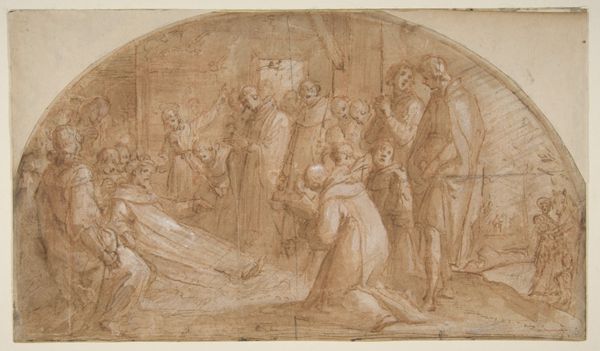
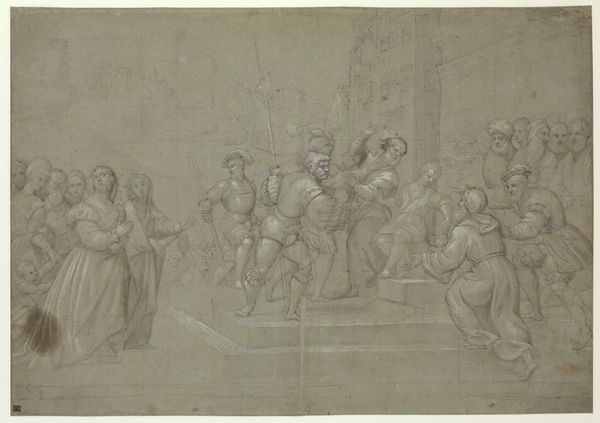
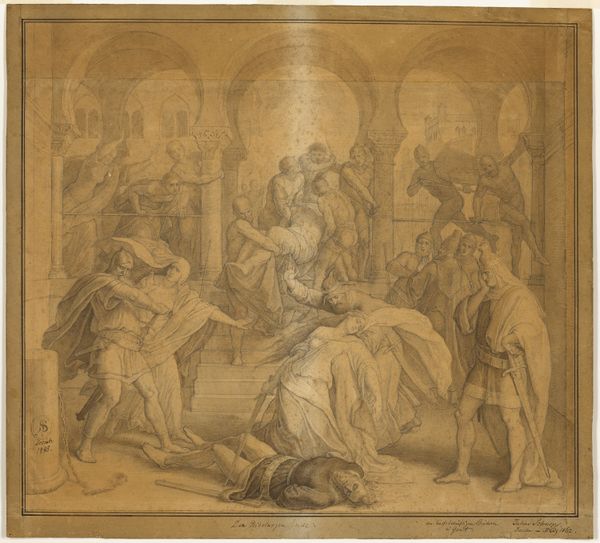
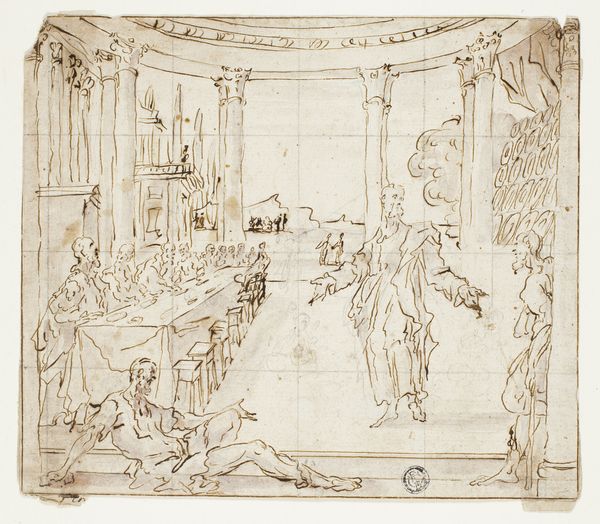
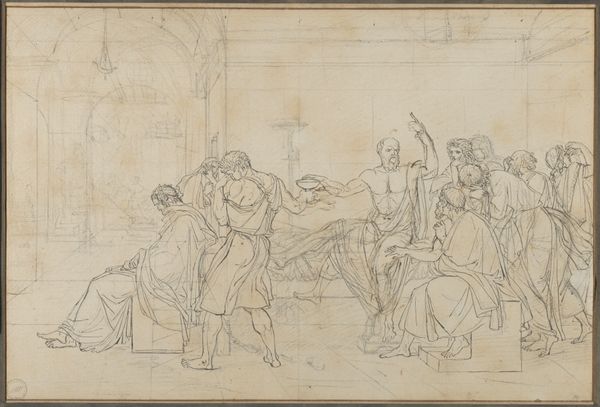
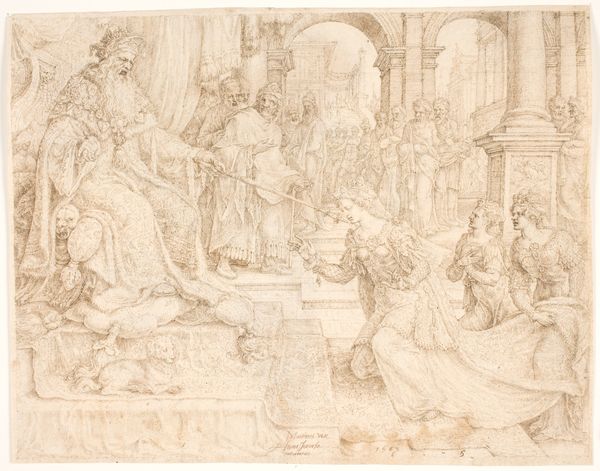
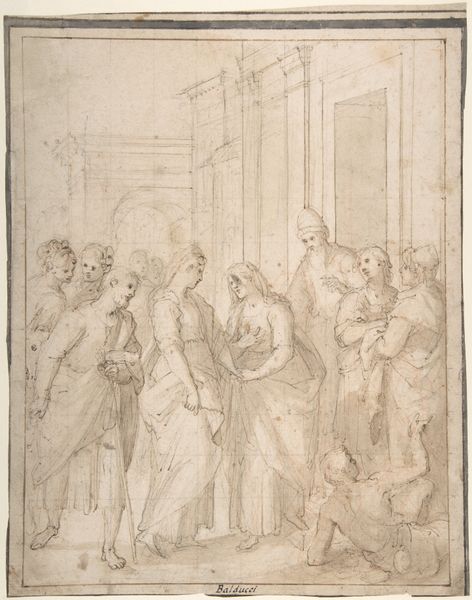
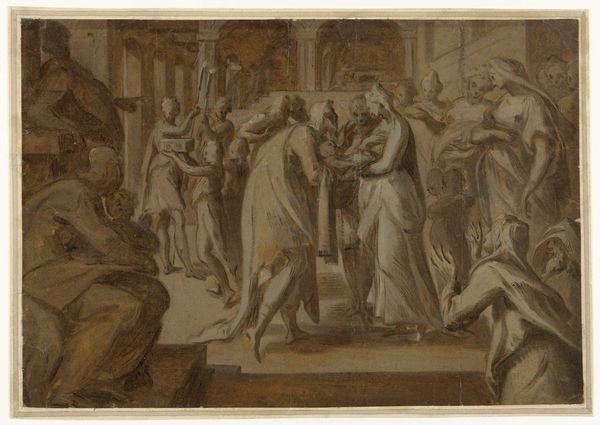
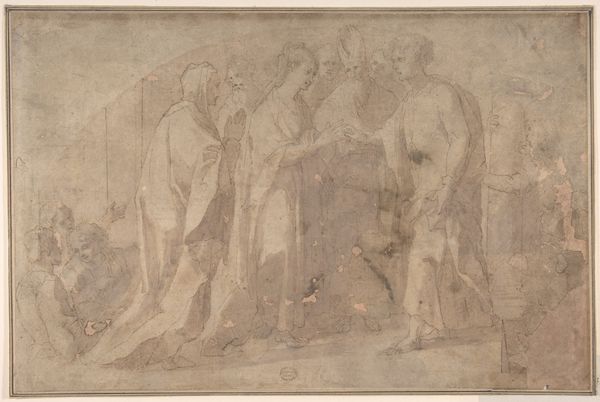
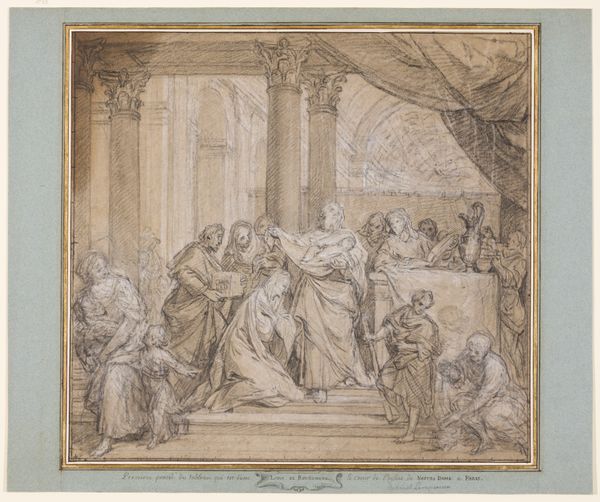
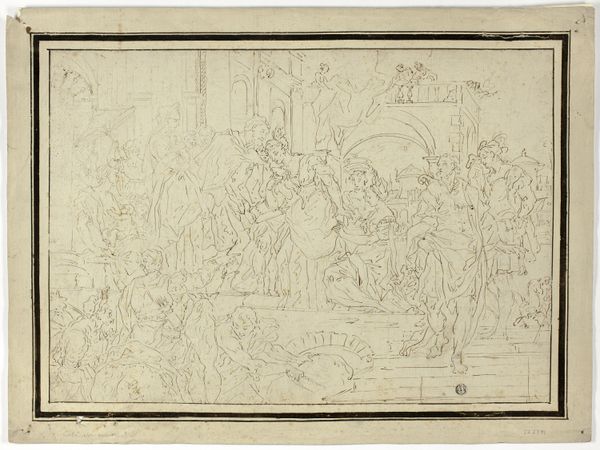
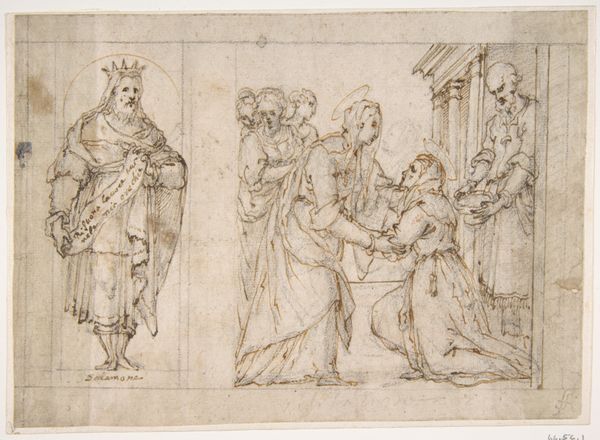
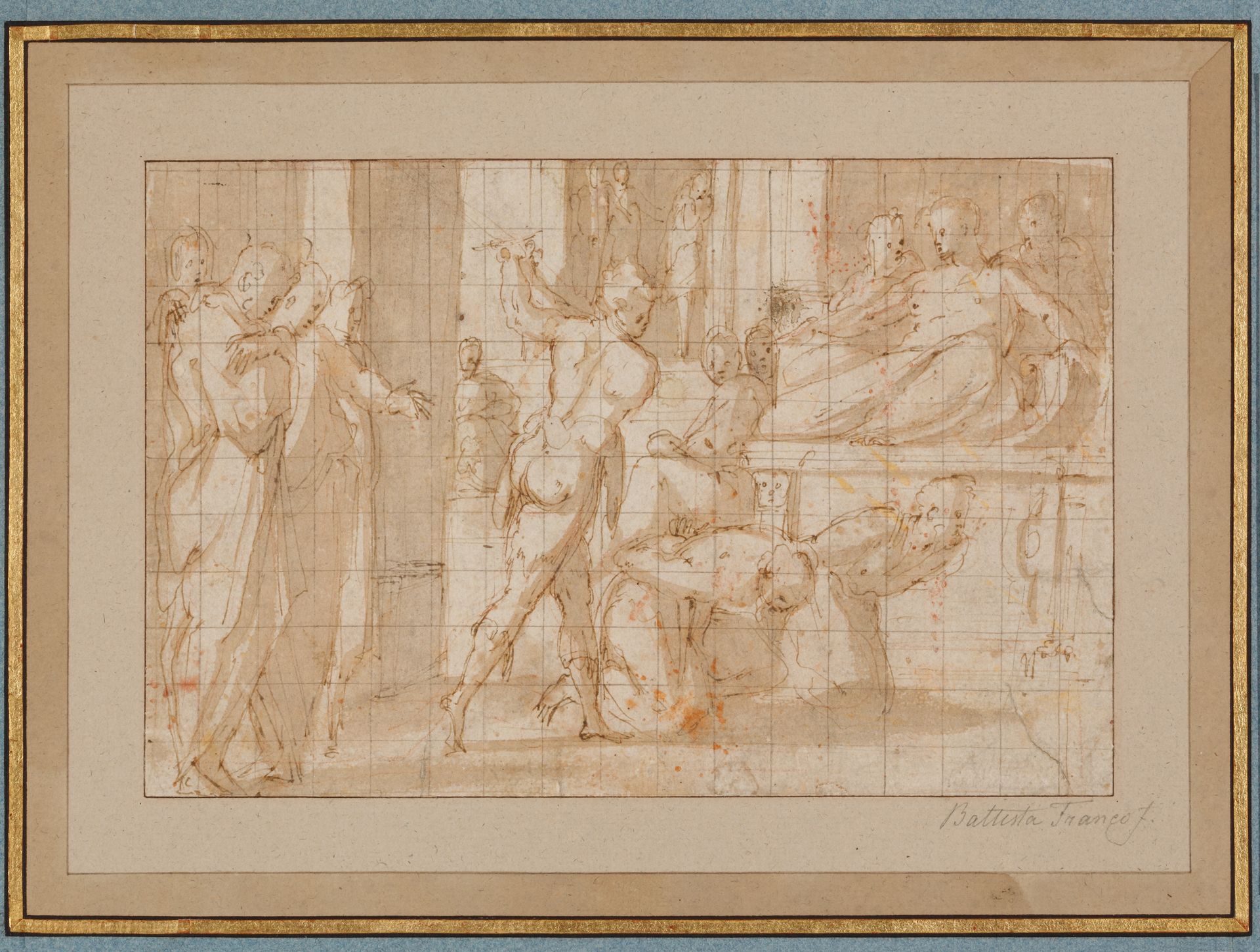
Giorgio Vasari rendered this drawing of "The Martyrdom of Saints Cosmas and Damian," sometime between 1511 and 1574. Vasari, living in the patriarchal society of Renaissance Italy, engaged with the religious narratives that often perpetuated traditional gender roles. This piece, depicting the brutal execution of two Christian saints, presents a vision of male suffering and piety. Consider the social expectations of men during the Renaissance: they were supposed to be strong, brave, and willing to defend their faith. This drawing taps into that cultural mindset, glorifying the saints' sacrifice as the ultimate expression of masculine virtue. The graphic depiction of martyrdom could also speak to the turbulent political and religious climate of the time. It invites reflection on the nature of religious conviction and the cost of standing up for one's beliefs in a world marked by conflict and intolerance. While created within a specific historical context, Vasari’s drawing continues to invite contemplation on themes of faith, sacrifice, and identity.
The Martyrdom of two Saints (Cosmas and Damian)
c. 1540


Artwork details
- Medium
- drawing, tempera, ink
- Location
- Städel Museum
- Copyright
- Public Domain
Tags
portrait
drawing
high-renaissance
narrative-art
tempera
figuration
ink
history-painting
italian-renaissance
Comments
Be the first to share your thoughts about this work.
About this artwork
Giorgio Vasari rendered this drawing of "The Martyrdom of Saints Cosmas and Damian," sometime between 1511 and 1574. Vasari, living in the patriarchal society of Renaissance Italy, engaged with the religious narratives that often perpetuated traditional gender roles. This piece, depicting the brutal execution of two Christian saints, presents a vision of male suffering and piety. Consider the social expectations of men during the Renaissance: they were supposed to be strong, brave, and willing to defend their faith. This drawing taps into that cultural mindset, glorifying the saints' sacrifice as the ultimate expression of masculine virtue. The graphic depiction of martyrdom could also speak to the turbulent political and religious climate of the time. It invites reflection on the nature of religious conviction and the cost of standing up for one's beliefs in a world marked by conflict and intolerance. While created within a specific historical context, Vasari’s drawing continues to invite contemplation on themes of faith, sacrifice, and identity.
Comments
Be the first to share your thoughts about this work.