About this artwork
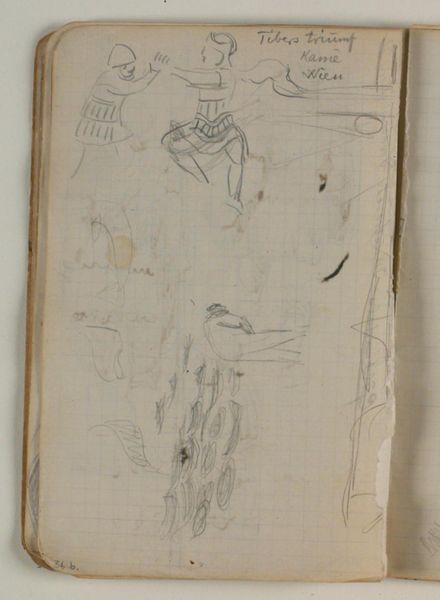
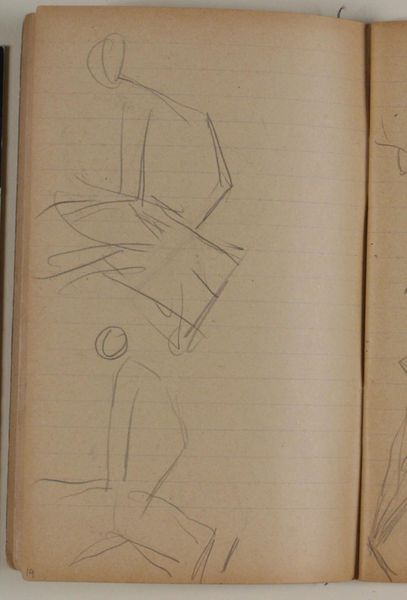
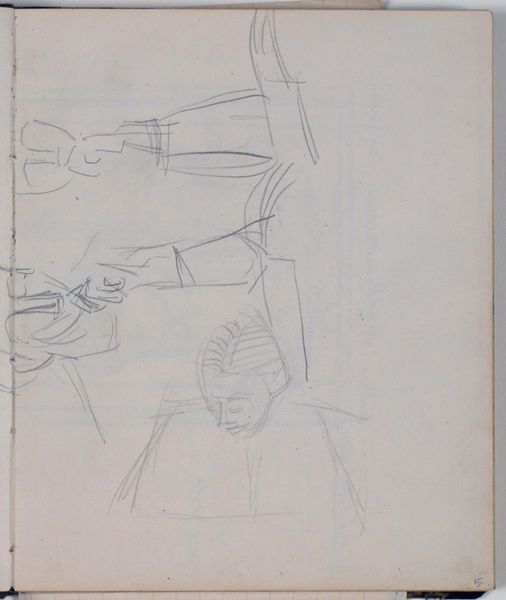
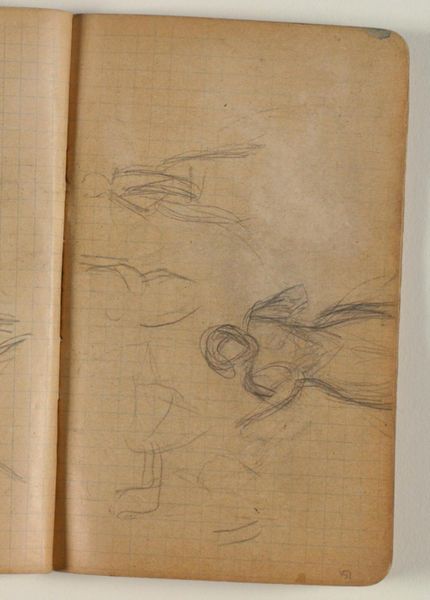
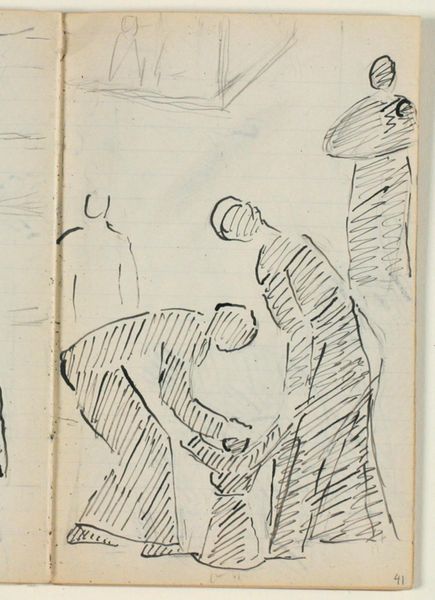
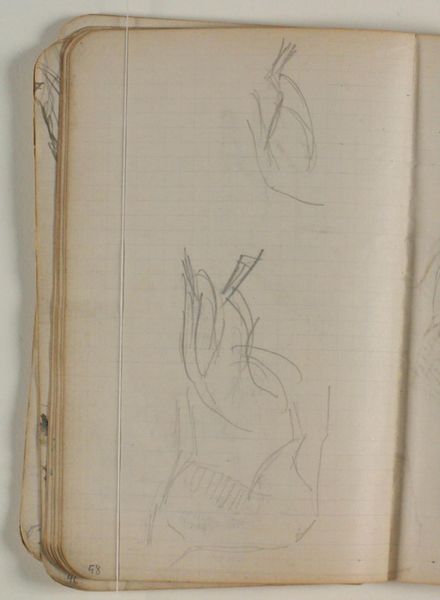
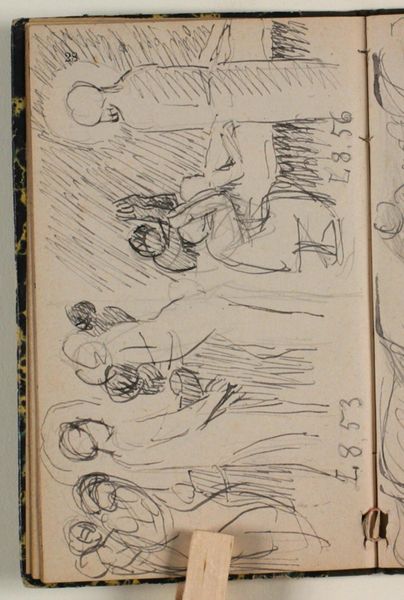
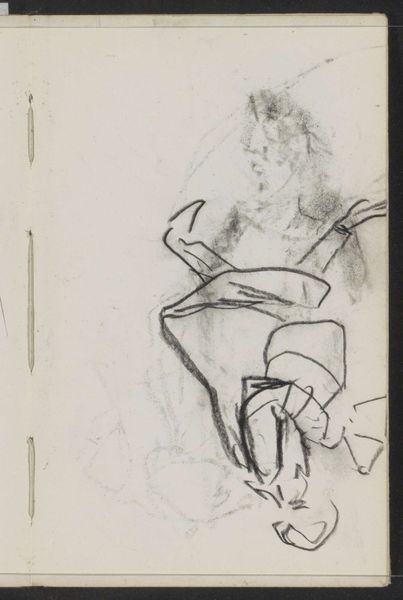
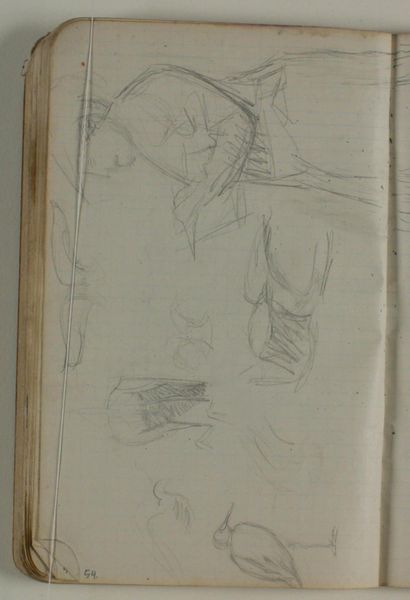
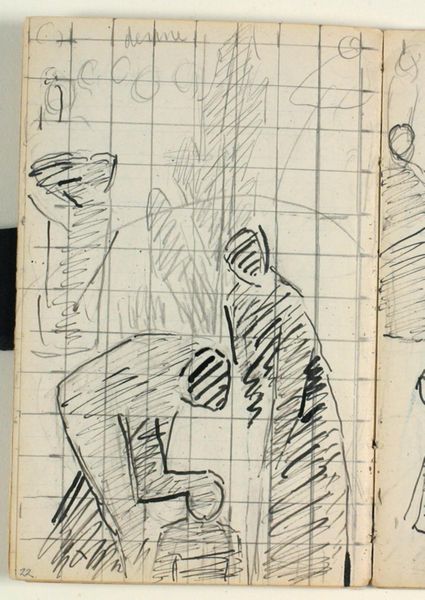
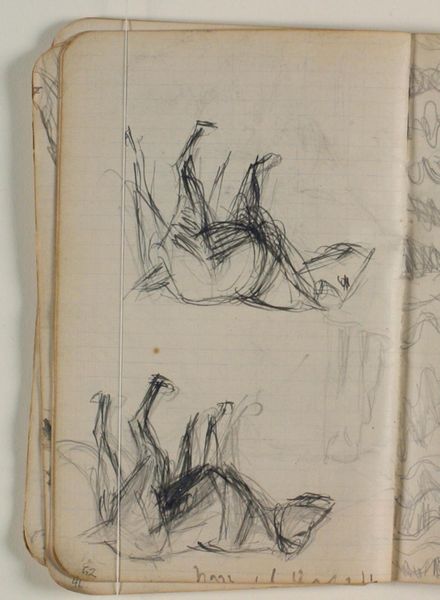
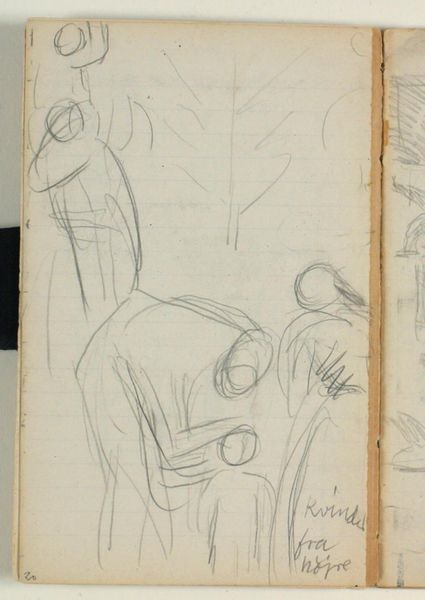
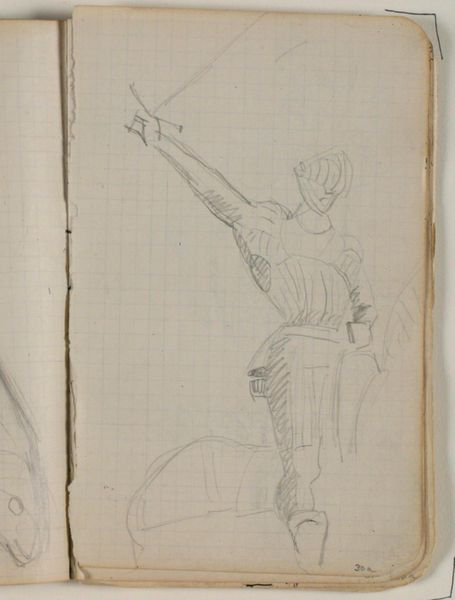
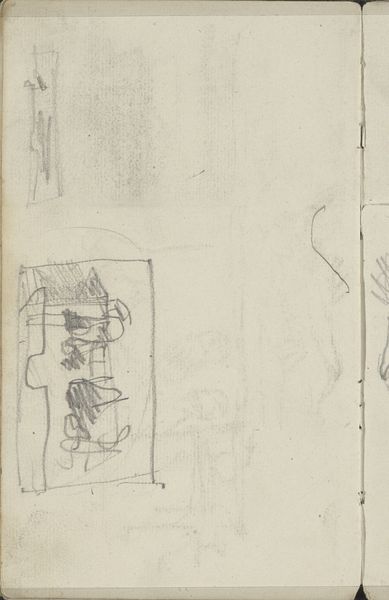
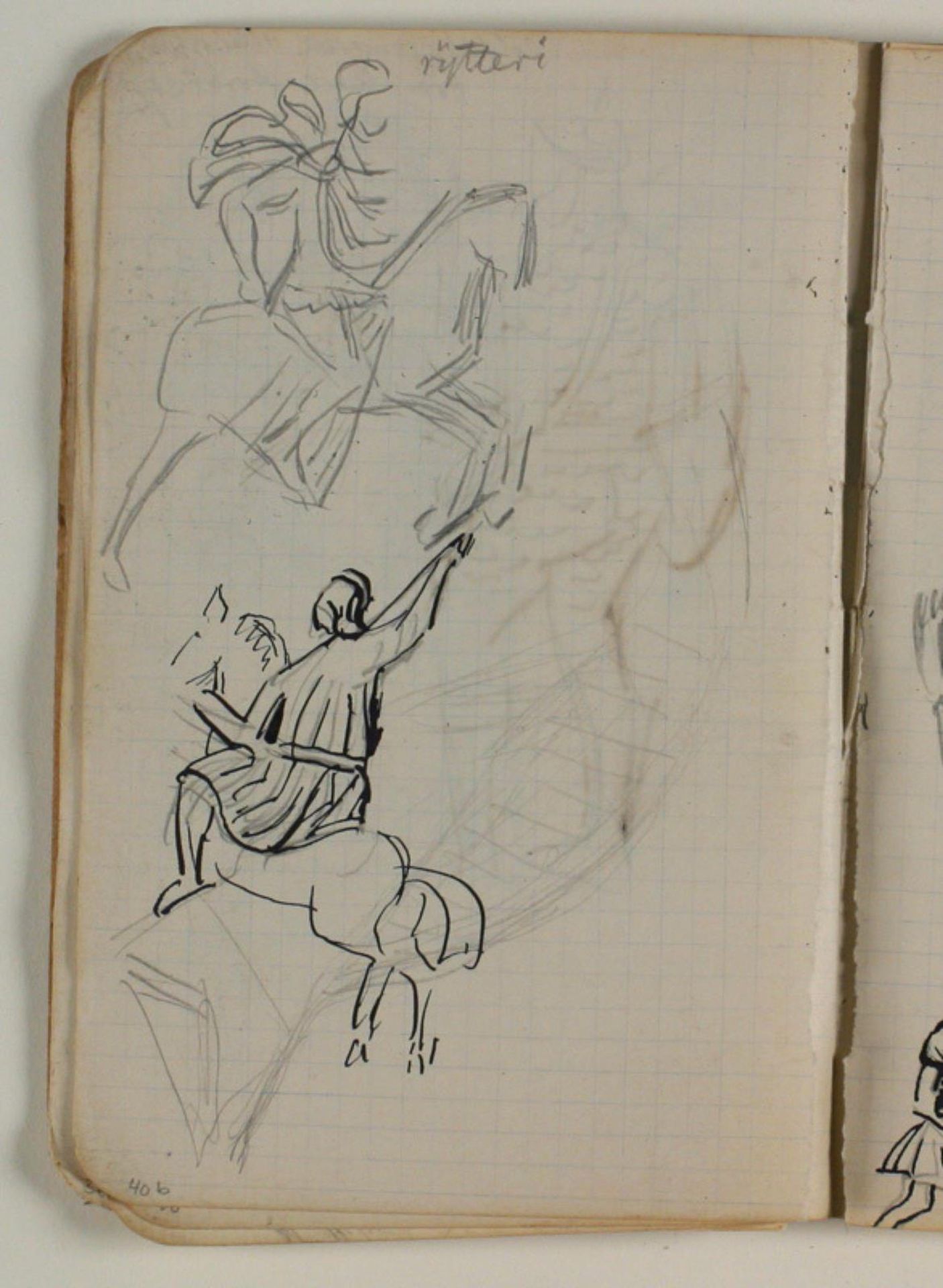
Niels Larsen Stevns made these sketches of riders from an antique source, and a note, probably in a sketchbook. The graphite lines feel immediate, like Stevns is working something out. The lines are quick and searching, and the squared paper peeks through. It’s about the action, a kind of dynamic energy, as opposed to, say, a finished drawing of horses and riders. The marks are so fresh they let us glimpse the artist's thought process, right? Look at the rider at the bottom left, he is stretching, or reaching with one arm raised. The lines that delineate the raised arm are darker and more definite than others. Why? I think it’s because this simple gesture tells us so much about the scene. Stevns was interested in classical sources, but I think there are other artists, like Picasso with his quick, linear style, who also explored similar ways of drawing the human form. It is this kind of conversation across time, the artist looking at the past but also at the present, which makes art so interesting.
Skitser af ryttere. Fra antikt forlæg. Notat
1905 - 1907


Artwork details
- Dimensions
- 169 mm (height) x 109 mm (width) x 5 mm (depth) (monteringsmaal), 169 mm (height) x 109 mm (width) (bladmaal)
- Location
- SMK - Statens Museum for Kunst
Comments
Share your thoughts
About this artwork
Niels Larsen Stevns made these sketches of riders from an antique source, and a note, probably in a sketchbook. The graphite lines feel immediate, like Stevns is working something out. The lines are quick and searching, and the squared paper peeks through. It’s about the action, a kind of dynamic energy, as opposed to, say, a finished drawing of horses and riders. The marks are so fresh they let us glimpse the artist's thought process, right? Look at the rider at the bottom left, he is stretching, or reaching with one arm raised. The lines that delineate the raised arm are darker and more definite than others. Why? I think it’s because this simple gesture tells us so much about the scene. Stevns was interested in classical sources, but I think there are other artists, like Picasso with his quick, linear style, who also explored similar ways of drawing the human form. It is this kind of conversation across time, the artist looking at the past but also at the present, which makes art so interesting.
Comments
Share your thoughts