About this artwork
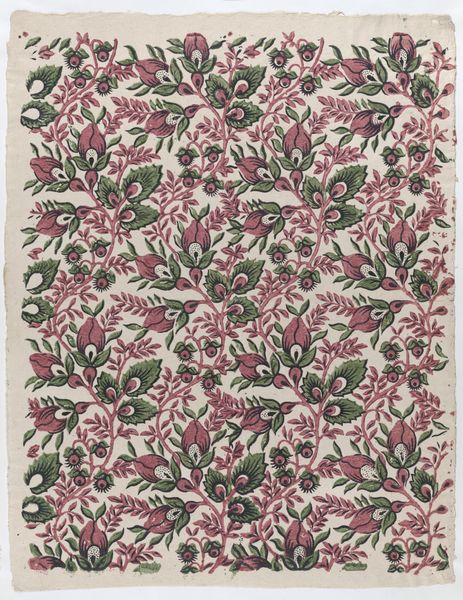
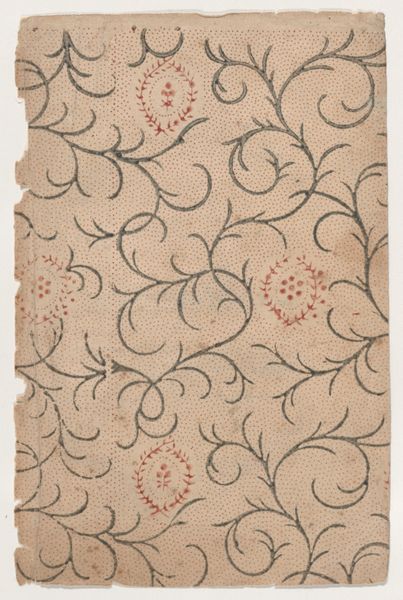
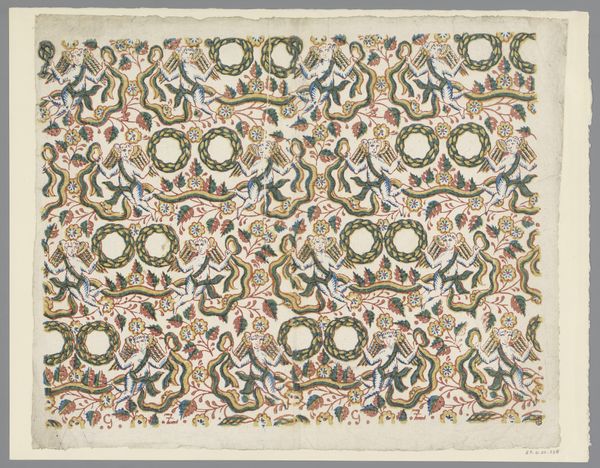
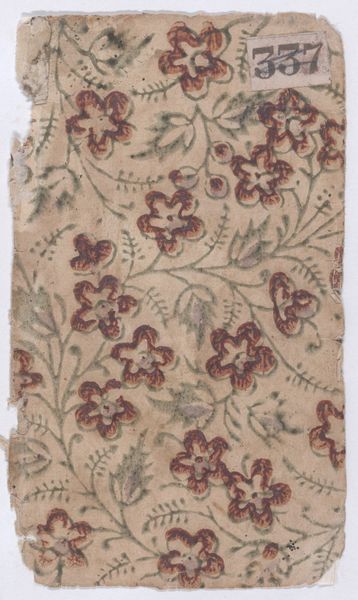
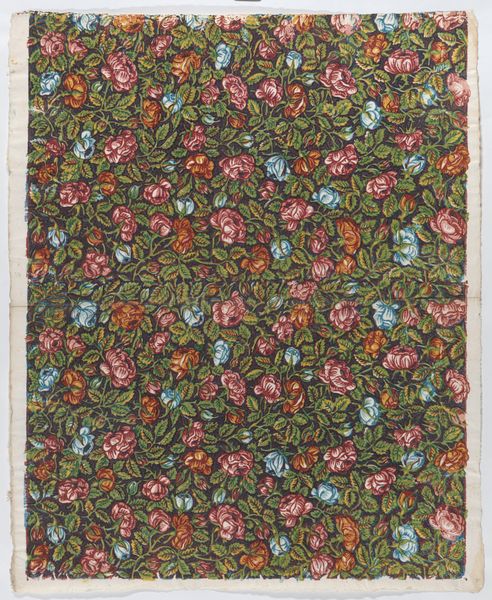
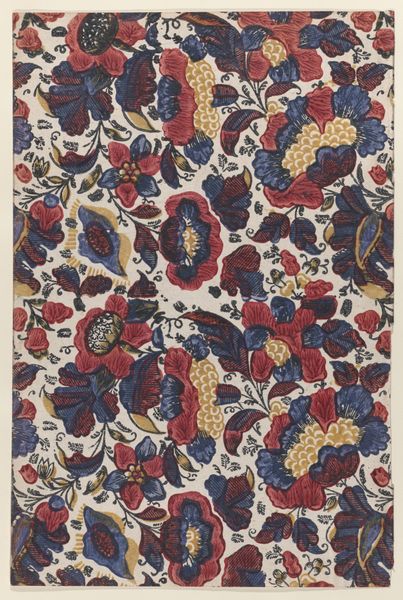
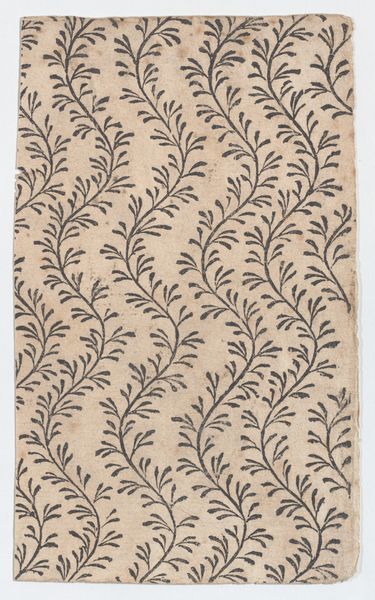
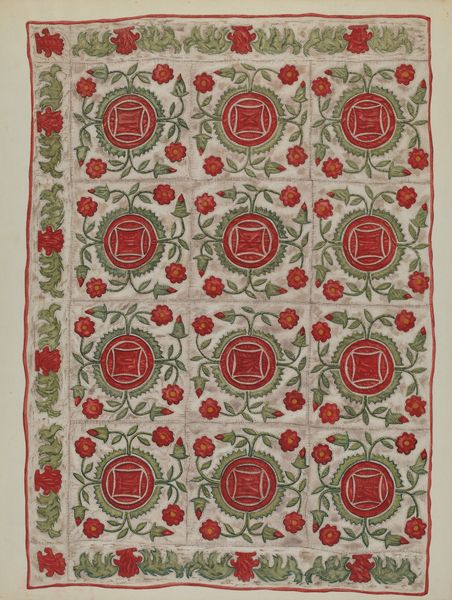
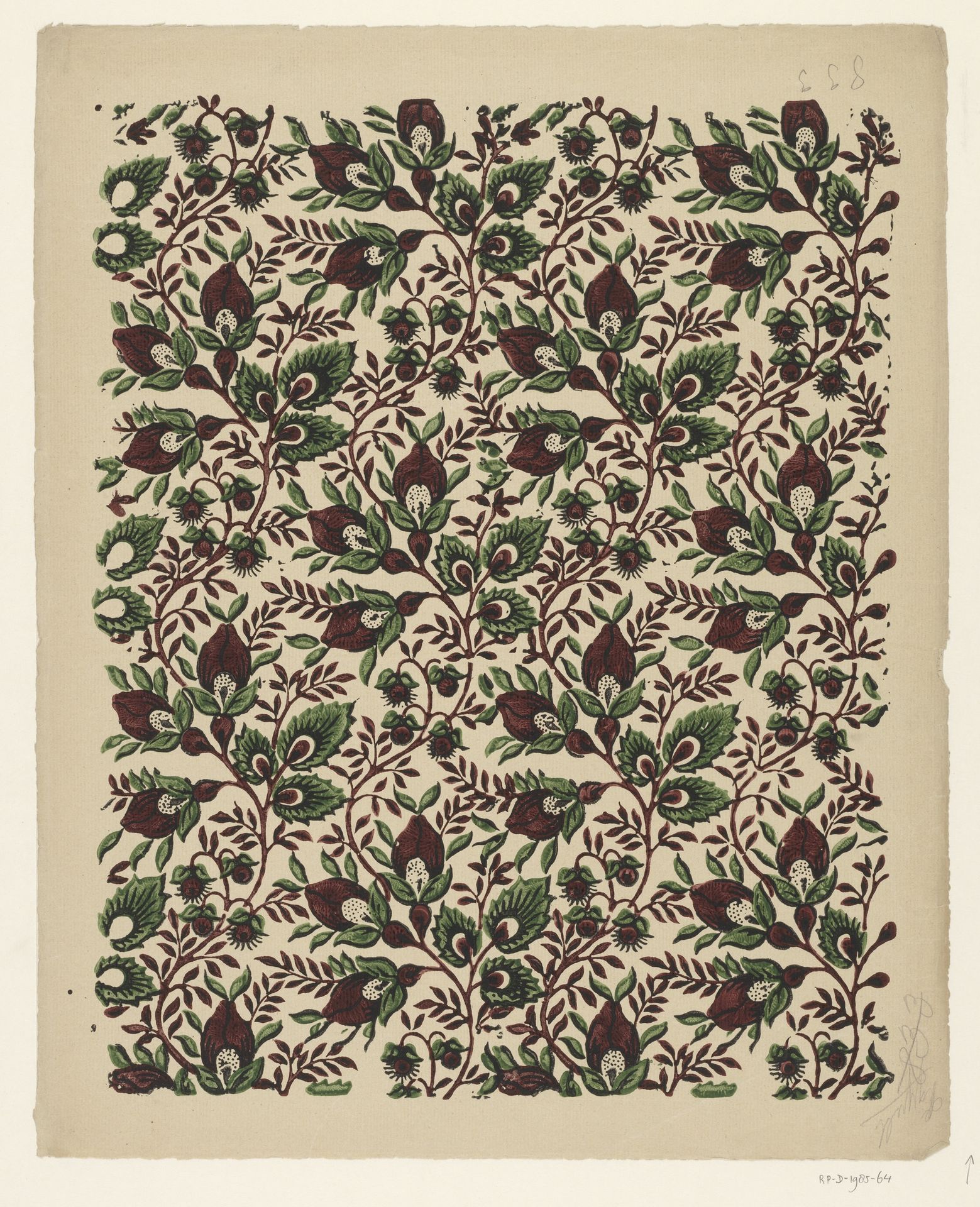
This pattern sheet, attributed to Stampi Remondiniani, presents a dense array of intertwining vines, leaves, and stylized floral motifs. These recurring tendrils evoke the ancient symbol of the "tree of life," a motif deeply embedded in the human psyche. We can trace it back to Mesopotamian art and religious iconography, where it symbolized immortality and the connection between the earthly and divine realms. This pattern, with its rhythmic repetition, taps into a primal sense of growth and regeneration. Yet, unlike its more ancient counterparts, this design is more ornamental, indicating a shift from sacred symbol to decorative motif. This adaptation speaks to our collective memory, where symbols transform over time, shaped by cultural shifts and evolving subconscious associations. What remains is the underlying emotional resonance, the comforting and psychologically pleasing effect of organized natural forms. The artist is unknowingly drawing from this well, tapping into the emotional and psychological power of images across centuries.
Blad met patroon van slingerende ranken 1861 - 1939

Artwork details
- Medium
- Dimensions
- height 505 mm, width 410 mm
- Copyright
- Rijks Museum: Open Domain
Tags
natural stone pattern
naturalistic pattern
organic
pattern background
ethnic pattern
organic pattern
repetition of pattern
pattern repetition
textile design
layered pattern
funky pattern
Comments
No comments
About this artwork
This pattern sheet, attributed to Stampi Remondiniani, presents a dense array of intertwining vines, leaves, and stylized floral motifs. These recurring tendrils evoke the ancient symbol of the "tree of life," a motif deeply embedded in the human psyche. We can trace it back to Mesopotamian art and religious iconography, where it symbolized immortality and the connection between the earthly and divine realms. This pattern, with its rhythmic repetition, taps into a primal sense of growth and regeneration. Yet, unlike its more ancient counterparts, this design is more ornamental, indicating a shift from sacred symbol to decorative motif. This adaptation speaks to our collective memory, where symbols transform over time, shaped by cultural shifts and evolving subconscious associations. What remains is the underlying emotional resonance, the comforting and psychologically pleasing effect of organized natural forms. The artist is unknowingly drawing from this well, tapping into the emotional and psychological power of images across centuries.
Comments
No comments