1622
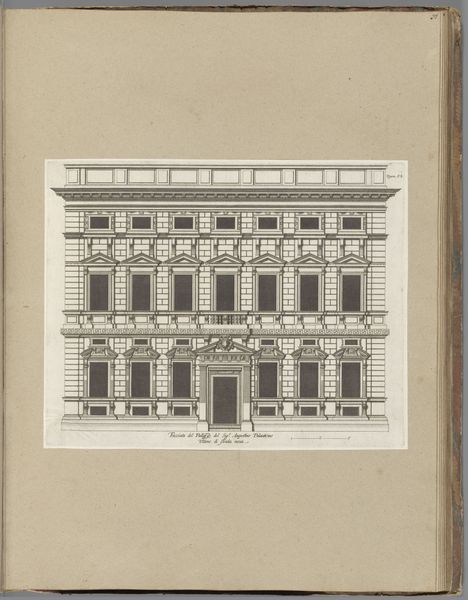
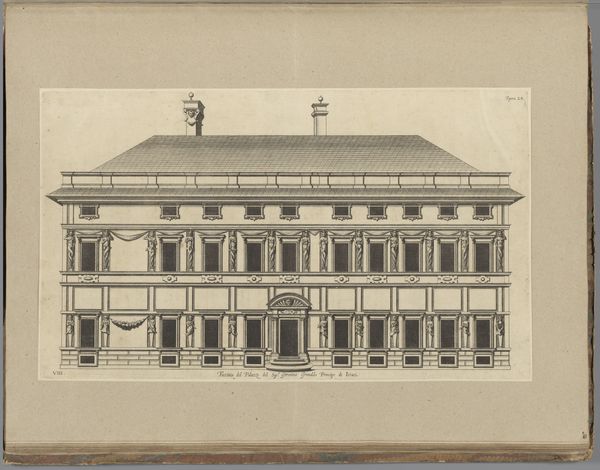
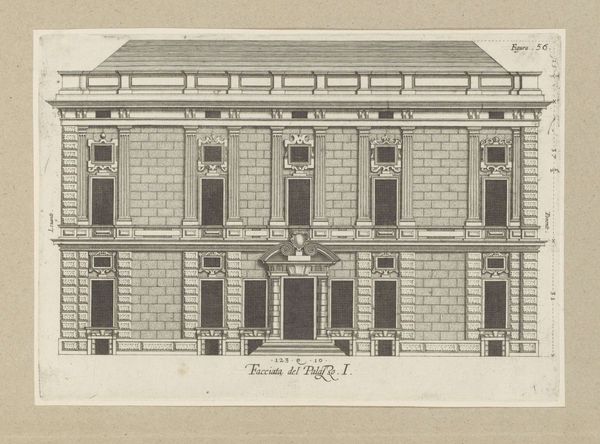
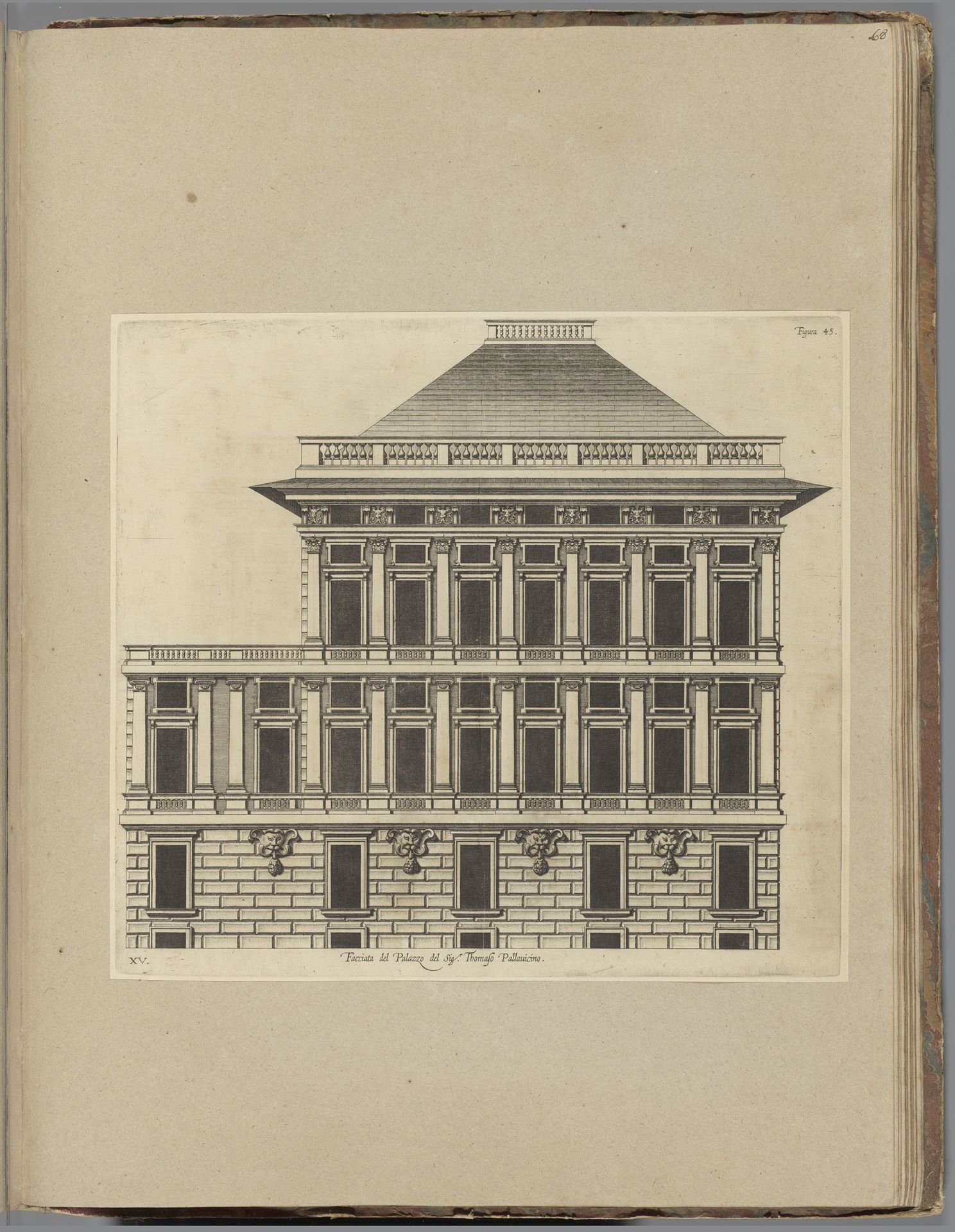
Opstand van de façade van het Palazzo dell'Acquedotto De Ferrari Galliera te Genua

Nicolaes Ryckmans
1595Location
RijksmuseumListen to curator's interpretation
Curatorial notes
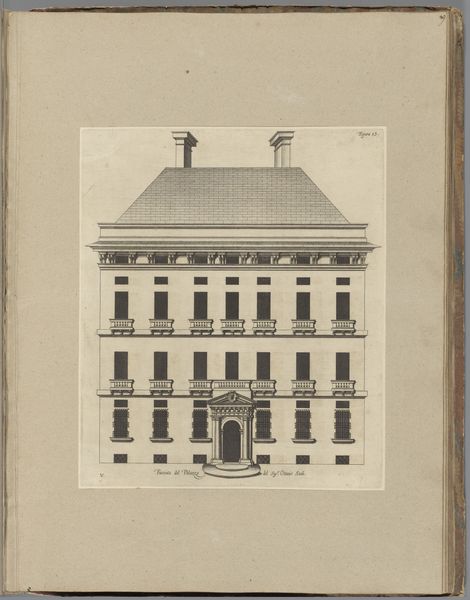
Nicolaes Ryckmans made this drawing of the Palazzo dell'Acquedotto in Genoa, probably in the early 17th century. It’s a formal elevation of the façade, a style that speaks to the growing importance of architectural drawings as documents in their own right. Genoa, a powerful maritime republic at this time, was dominated by wealthy families who invested heavily in impressive urban palaces. The Palazzo dell'Acquedotto, later known as the Palazzo De Ferrari Galliera, exemplifies this culture of aristocratic display. Ryckmans’ drawing, with its precise rendering of classical details, reflects the influence of Italian Renaissance architectural theory. This was a period when architectural design was increasingly codified and disseminated through publications. The drawing also points to the rise of specialized architectural practices, where architects like Ryckmans played a key role in shaping the built environment. To fully appreciate this drawing, we might consult period treatises on architecture, records of Genoese building commissions, and family archives that can reveal the social and economic context that produced such buildings.