About this artwork
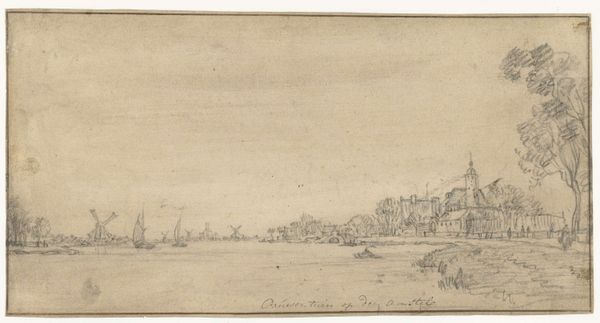
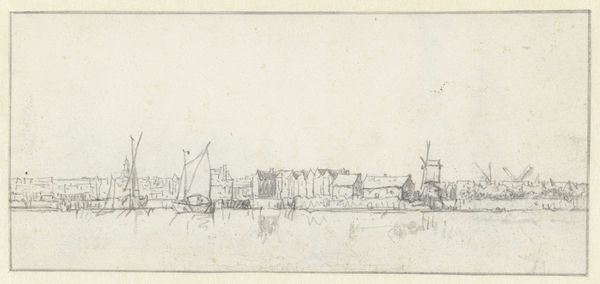
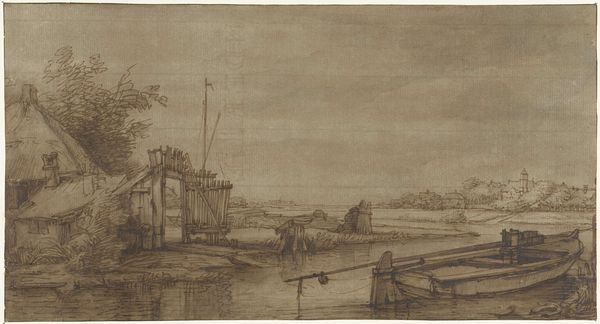
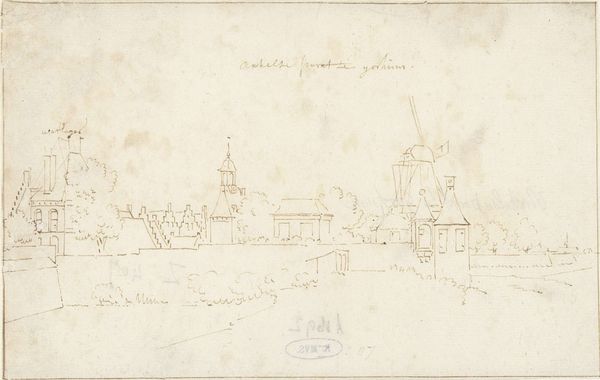
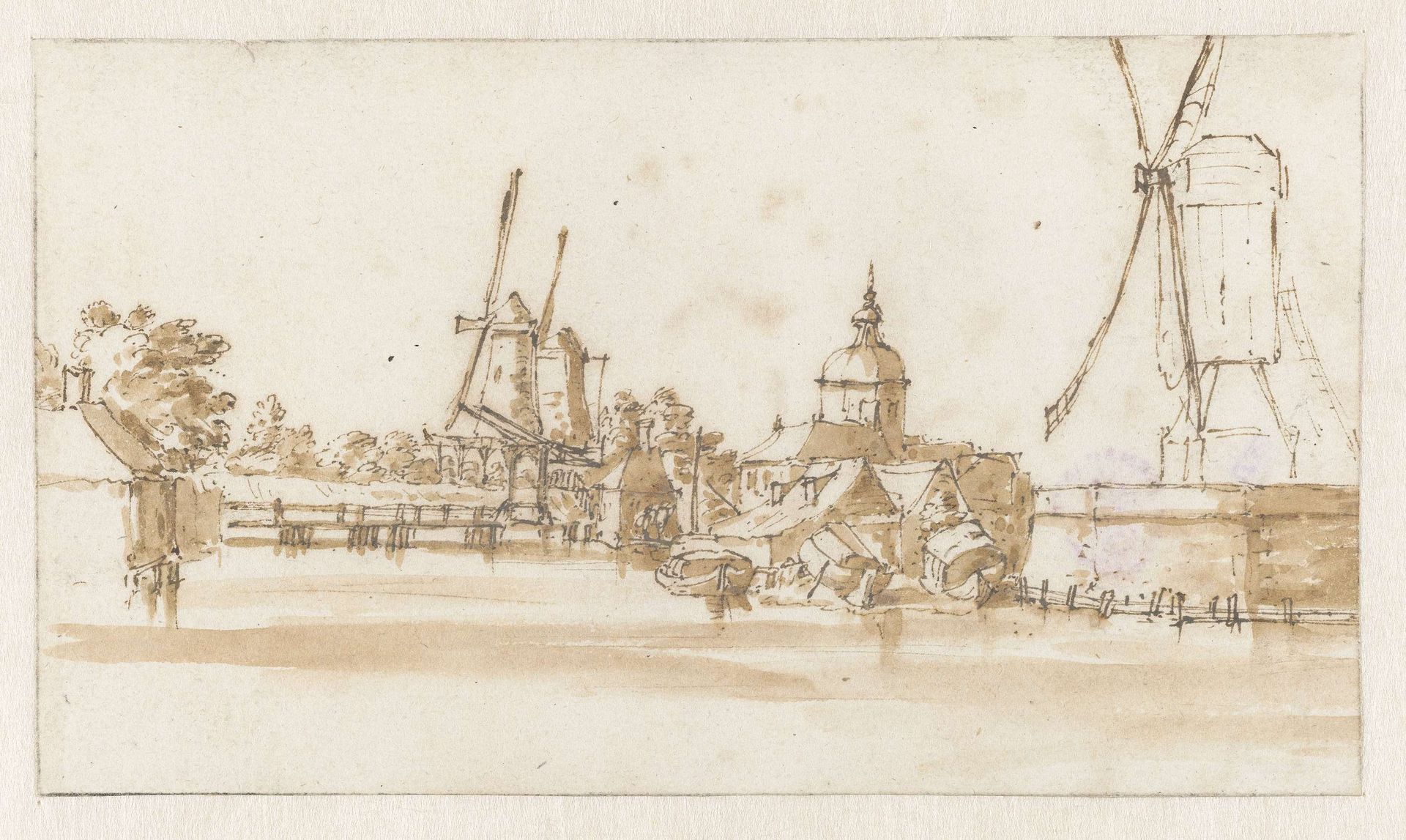
Jan de Bisschop created this pen and brown ink drawing of "Molens op de wal aan weerszijden van de Morspoort te Leiden," in the 17th century, an era marked by the Dutch Republic's burgeoning global trade and cultural flourishing. This drawing invites us into the world of 17th-century Leiden, a bustling university city. During this time, the Dutch Golden Age was in full swing, and the Netherlands was a major center for trade, science, and the arts. Bisschop, a lawyer by profession, was also a talented amateur artist who captured the Dutch landscape with a keen eye. Here, he depicts the city's fortifications, with windmills and the Morspoort gate framing the scene. Windmills, such as those depicted, were not only functional, powering the economic activity of the city, but also became symbols of Dutch ingenuity and prosperity. Through Bisschop's eyes, we see a society that valued both progress and tradition, reflecting the complex interplay of forces that shaped the Dutch Republic. The artwork evokes a sense of place and history, reminding us of the human stories behind these landmarks.
Molens op de wal aan weerszijden van de Morspoort te Leiden
1668 - 1697

Jan de Bisschop
1628 - 1671Location
RijksmuseumArtwork details
- Medium
- drawing, paper, ink
- Dimensions
- height 84 mm, width 146 mm
- Location
- Rijksmuseum
- Copyright
- Rijks Museum: Open Domain
Tags
Comments
Share your thoughts
About this artwork
Jan de Bisschop created this pen and brown ink drawing of "Molens op de wal aan weerszijden van de Morspoort te Leiden," in the 17th century, an era marked by the Dutch Republic's burgeoning global trade and cultural flourishing. This drawing invites us into the world of 17th-century Leiden, a bustling university city. During this time, the Dutch Golden Age was in full swing, and the Netherlands was a major center for trade, science, and the arts. Bisschop, a lawyer by profession, was also a talented amateur artist who captured the Dutch landscape with a keen eye. Here, he depicts the city's fortifications, with windmills and the Morspoort gate framing the scene. Windmills, such as those depicted, were not only functional, powering the economic activity of the city, but also became symbols of Dutch ingenuity and prosperity. Through Bisschop's eyes, we see a society that valued both progress and tradition, reflecting the complex interplay of forces that shaped the Dutch Republic. The artwork evokes a sense of place and history, reminding us of the human stories behind these landmarks.
Comments
Share your thoughts