
Curatorial notes
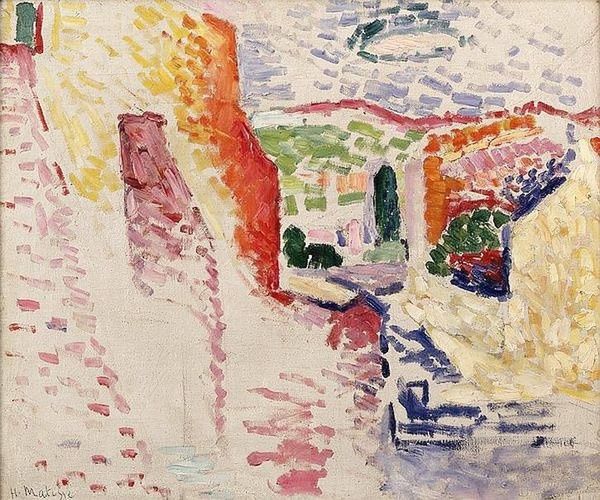
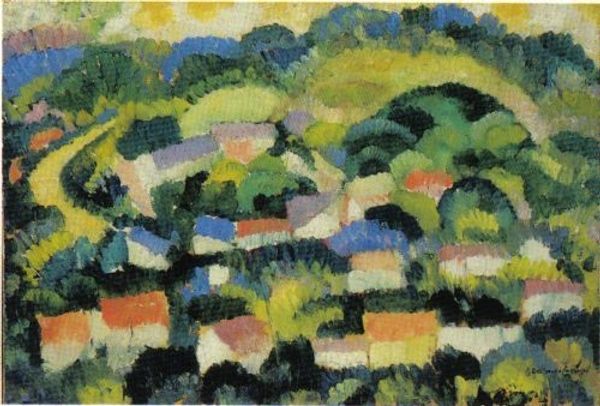
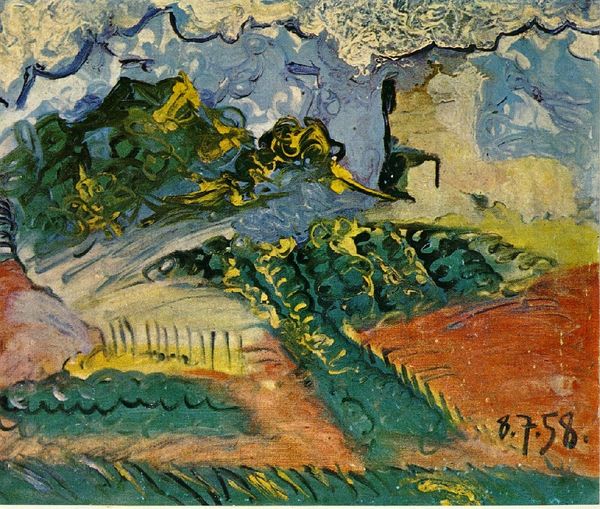
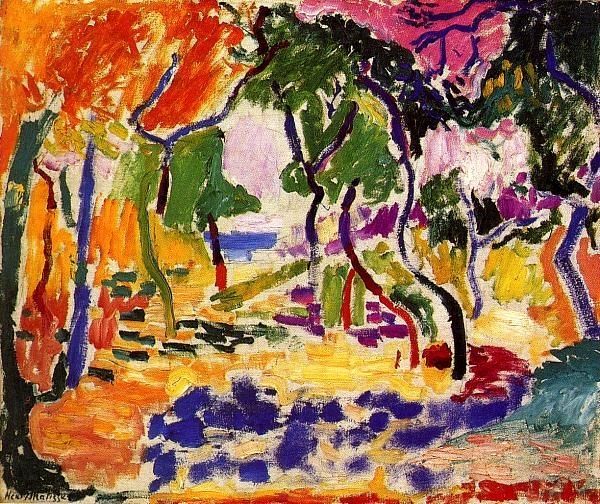
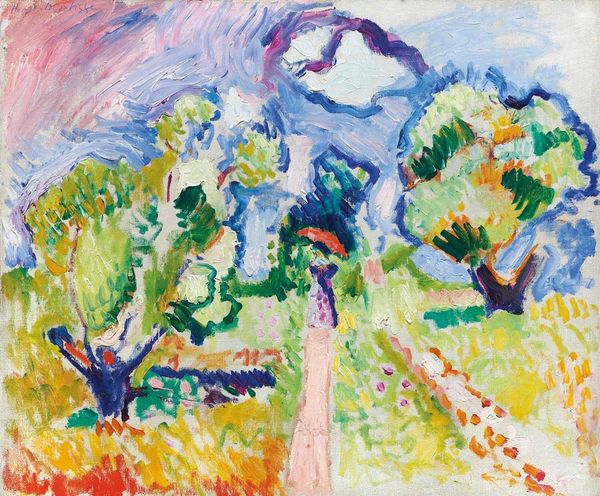
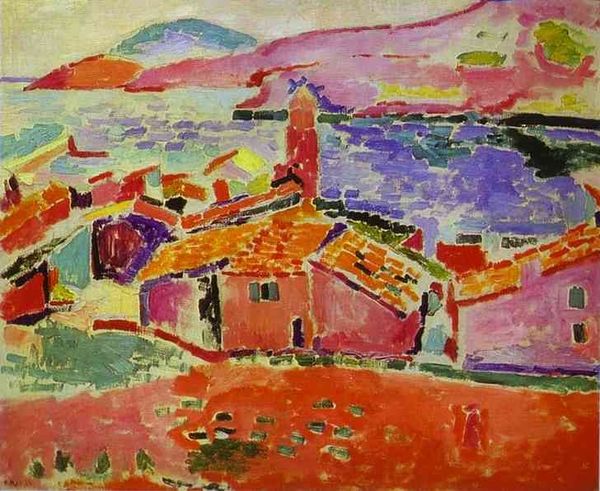
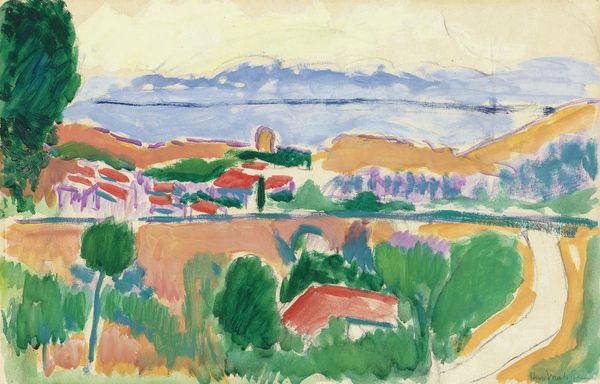
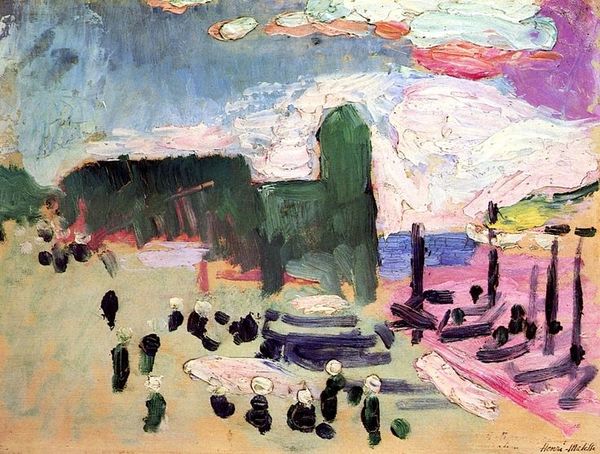
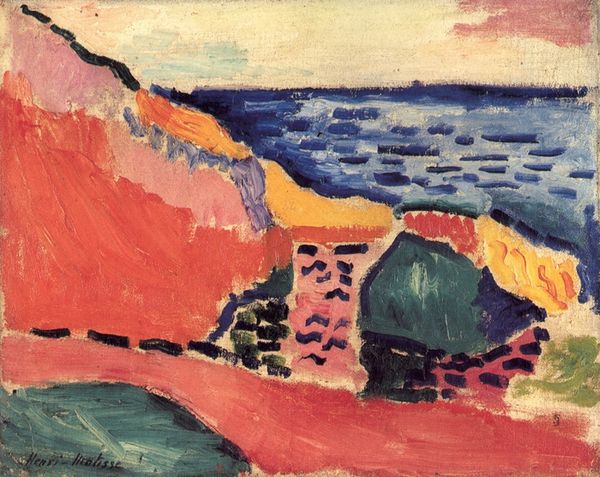
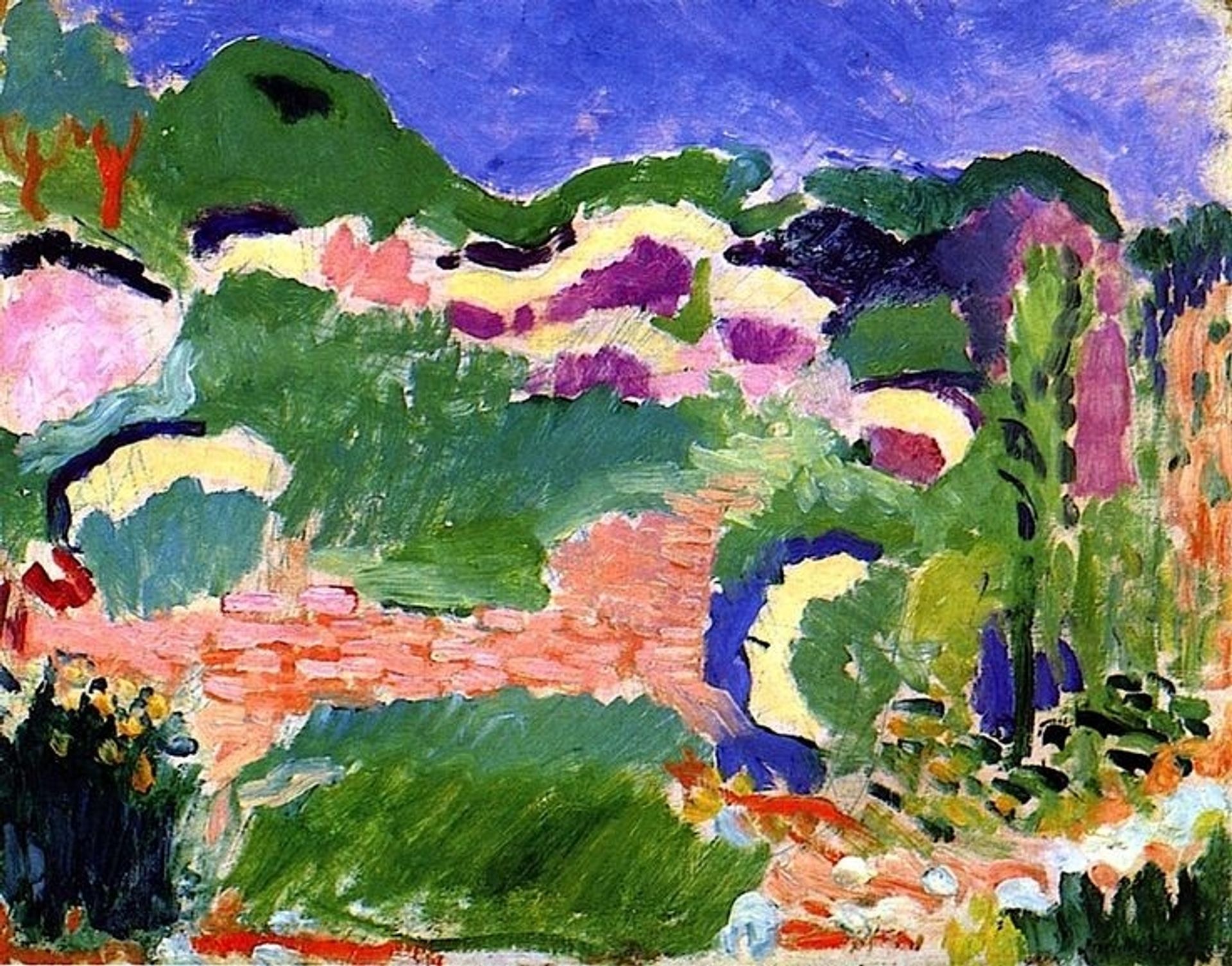
Editor: This is "Les Genêts," painted by Henri Matisse in 1905, using oil paint. The colors are so vibrant! It almost feels like I could reach out and touch the texture of the flowers. What strikes you about this painting? Curator: What strikes me is the relationship between the artist, the canvas, and the manufactured color. Consider the oil paint itself, a product of industrial chemistry. It liberated artists like Matisse. They were no longer grinding pigments; instead, intense color was readily available, allowing for works such as these landscapes and the broader development of movements like Fauvism. Editor: So, the availability of materials really shaped the art being made? Curator: Precisely! The move toward these industrially-created vibrant pigments marks a shift away from traditional landscape painting toward something new: prioritizing color and its application on a surface plane. The physicality of applying paint becomes a vital element of expression. What are your thoughts? Editor: I guess I never really thought about where the materials came from, how industrial processes might be changing the whole art world, and how different movements grew up around these shifts. Thanks! Curator: It is this dialectical relationship between available resources and production, coupled with intention, that shaped a lot of modern art, from painting to sculpture. The ease of the readymade in some sense builds off of this trajectory. Editor: So by really investigating the “stuff” art is made of and where it comes from, we can gain deeper insight. Food for thought!