About this artwork
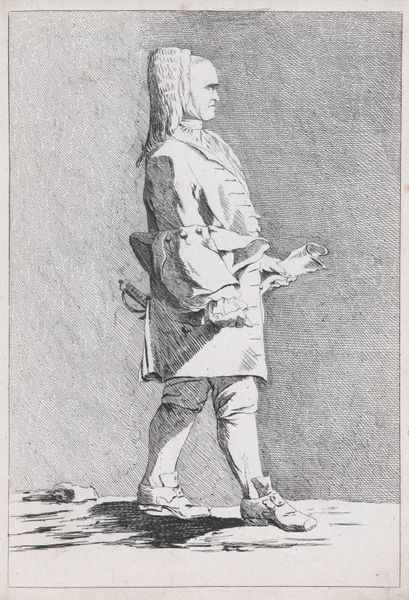
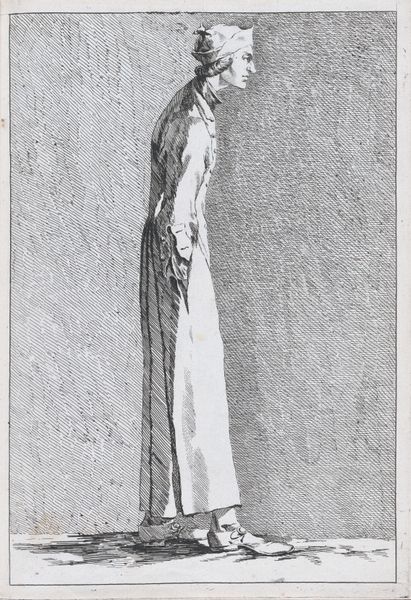
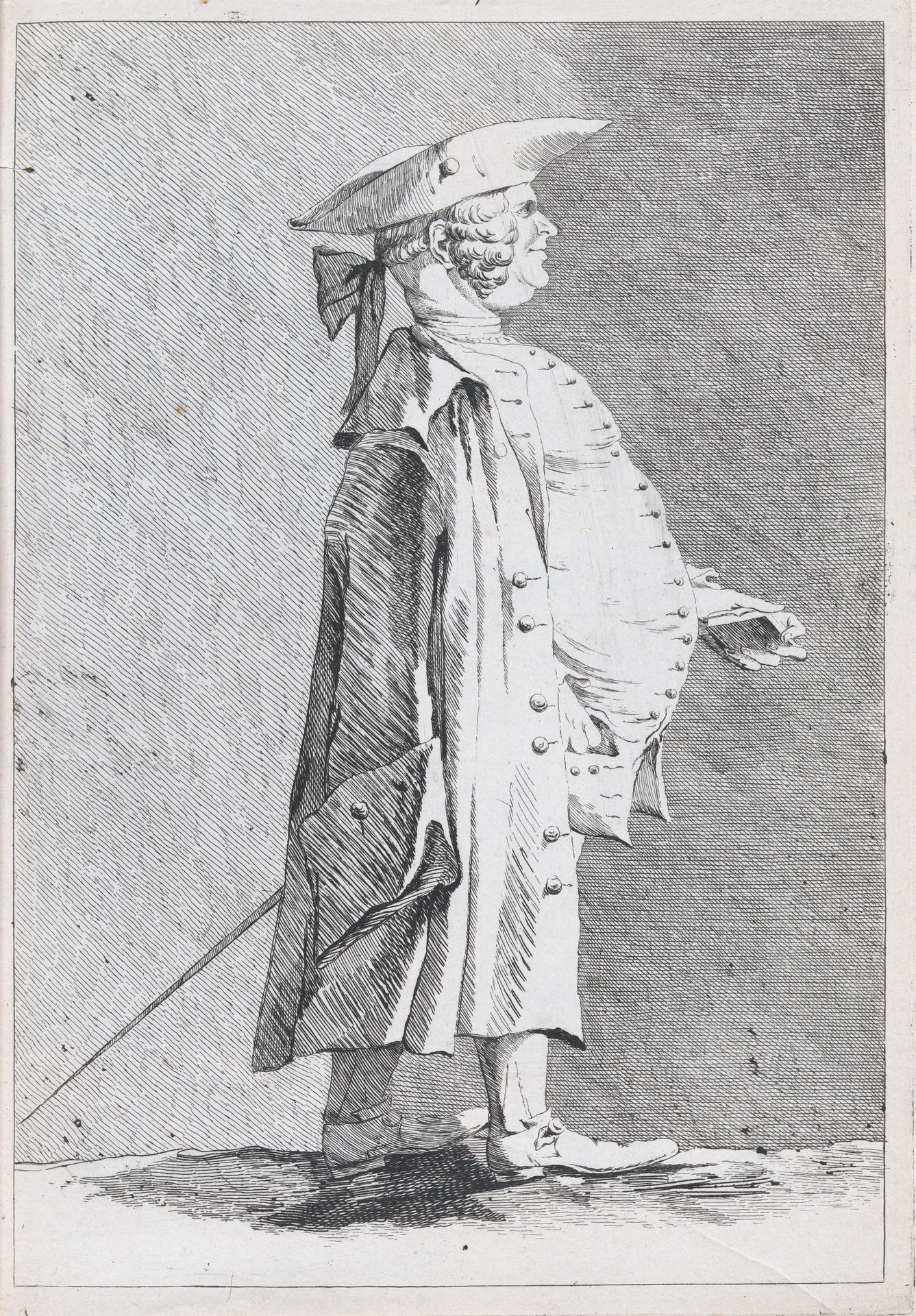
Ange-Laurent de La Live de Jully captured Jean-François de Troy, director of the French Academy in Rome, in this etching. Notice the director's powdered wig, and the sword at his side, both potent symbols of status in the 18th century. Consider the gesture of his hand, poised slightly outward. This posture echoes through art history, from classical orators to Renaissance diplomats, each subtly wielding influence through controlled expression. The emotional restraint, the barely suppressed energy, it's all there. This outward hand extends back to ancient Roman sculptures, symbols of command and composure. But here, the exaggerated form verges on the absurd, the controlled gesture teetering on caricature, reminding us that symbols, however grand, are always ripe for reinterpretation.
Jean-François de Troy, Director of the French Academy in Rome, pl. VIII from "Recueil de caricatures"
1749 - 1759

Ange-Laurent de La Live de Jully
1725 - 1779
The Metropolitan Museum of Art
Metropolitan Museum of Art, New York, NYArtwork details
- Medium
- drawing, print, engraving
- Dimensions
- Sheet: 11 1/8 × 7 7/8 in. (28.3 × 20 cm) Plate: 10 13/16 × 7 9/16 in. (27.4 × 19.2 cm)
- Location
- Metropolitan Museum of Art, New York, NY
- Copyright
- Public Domain
Tags
portrait
drawing
baroque
figuration
men
line
history-painting
academic-art
engraving
Comments
Be the first to share your thoughts about this work.
About this artwork
Ange-Laurent de La Live de Jully captured Jean-François de Troy, director of the French Academy in Rome, in this etching. Notice the director's powdered wig, and the sword at his side, both potent symbols of status in the 18th century. Consider the gesture of his hand, poised slightly outward. This posture echoes through art history, from classical orators to Renaissance diplomats, each subtly wielding influence through controlled expression. The emotional restraint, the barely suppressed energy, it's all there. This outward hand extends back to ancient Roman sculptures, symbols of command and composure. But here, the exaggerated form verges on the absurd, the controlled gesture teetering on caricature, reminding us that symbols, however grand, are always ripe for reinterpretation.
Comments
Be the first to share your thoughts about this work.