About this artwork
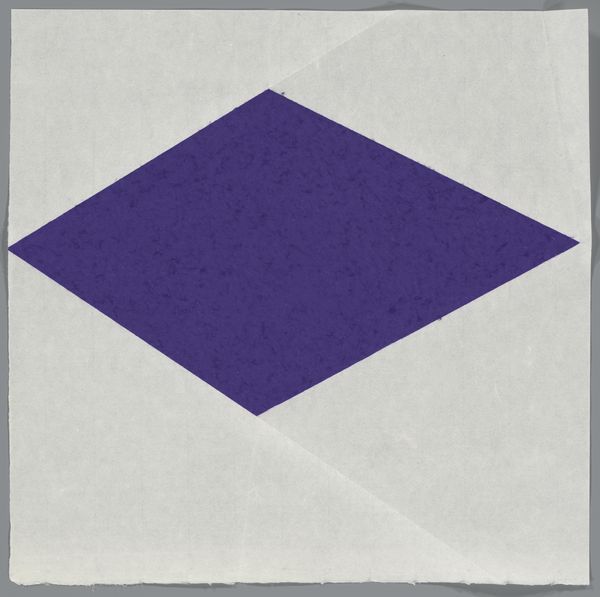
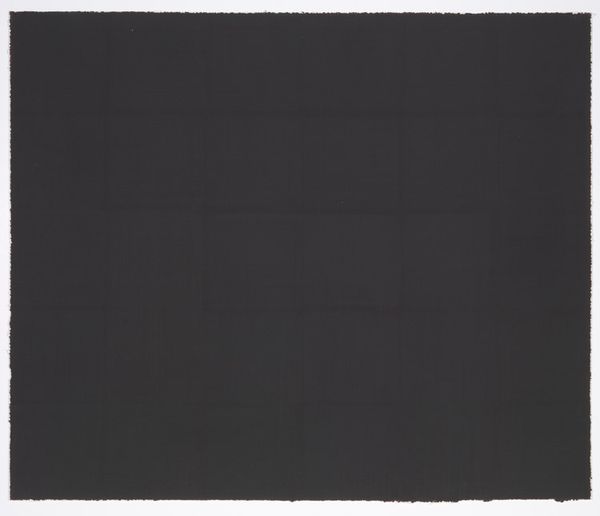
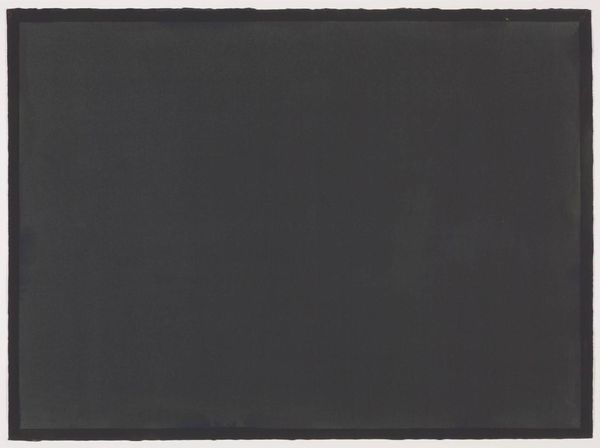
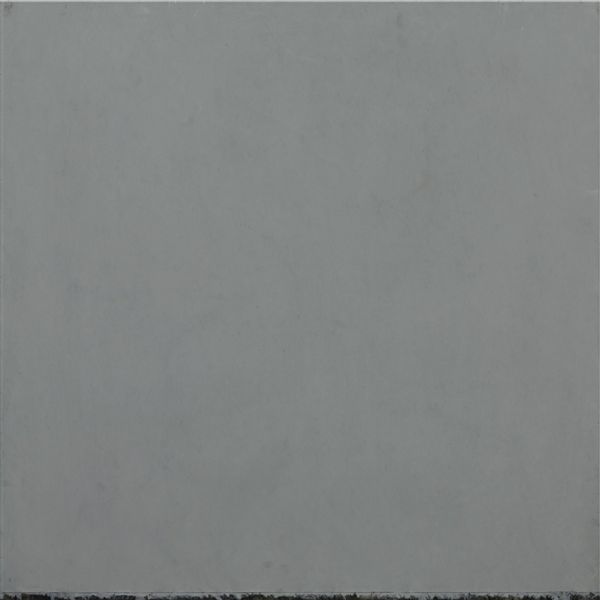
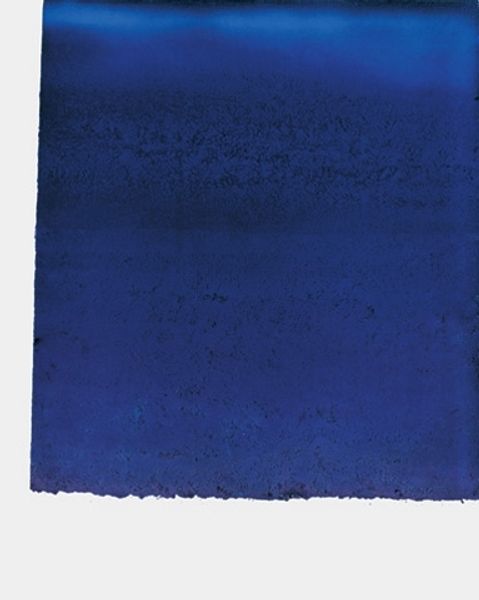
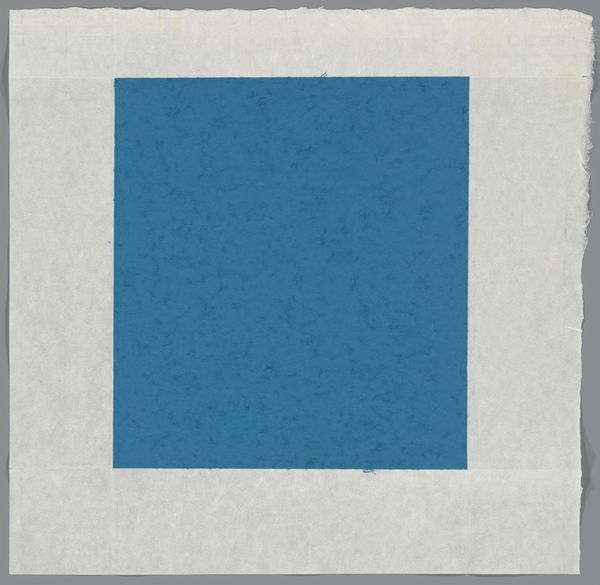
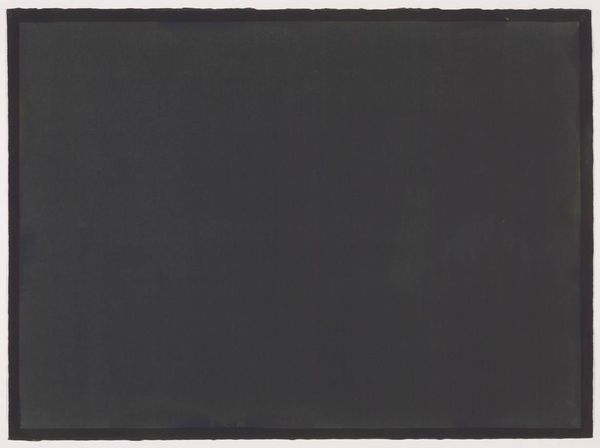
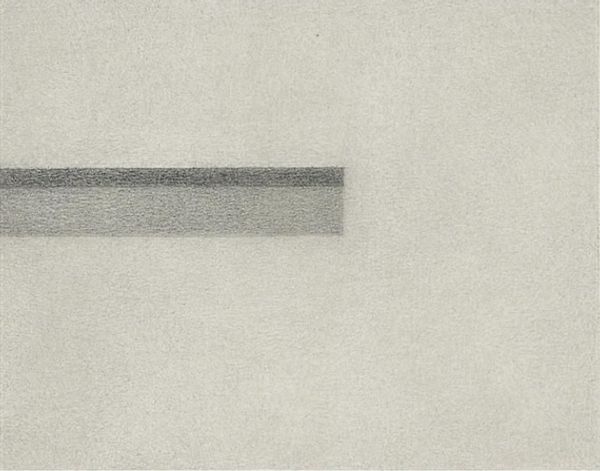
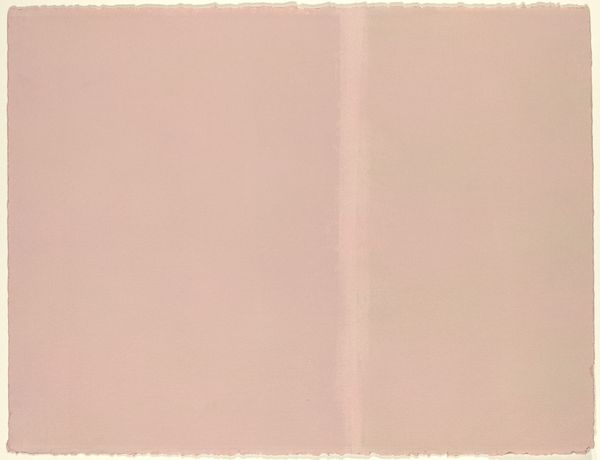
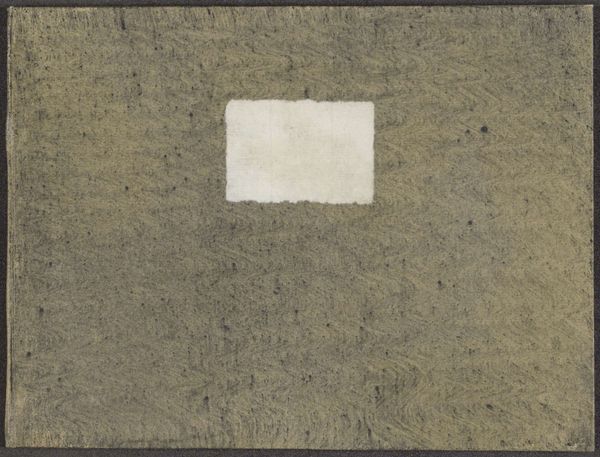
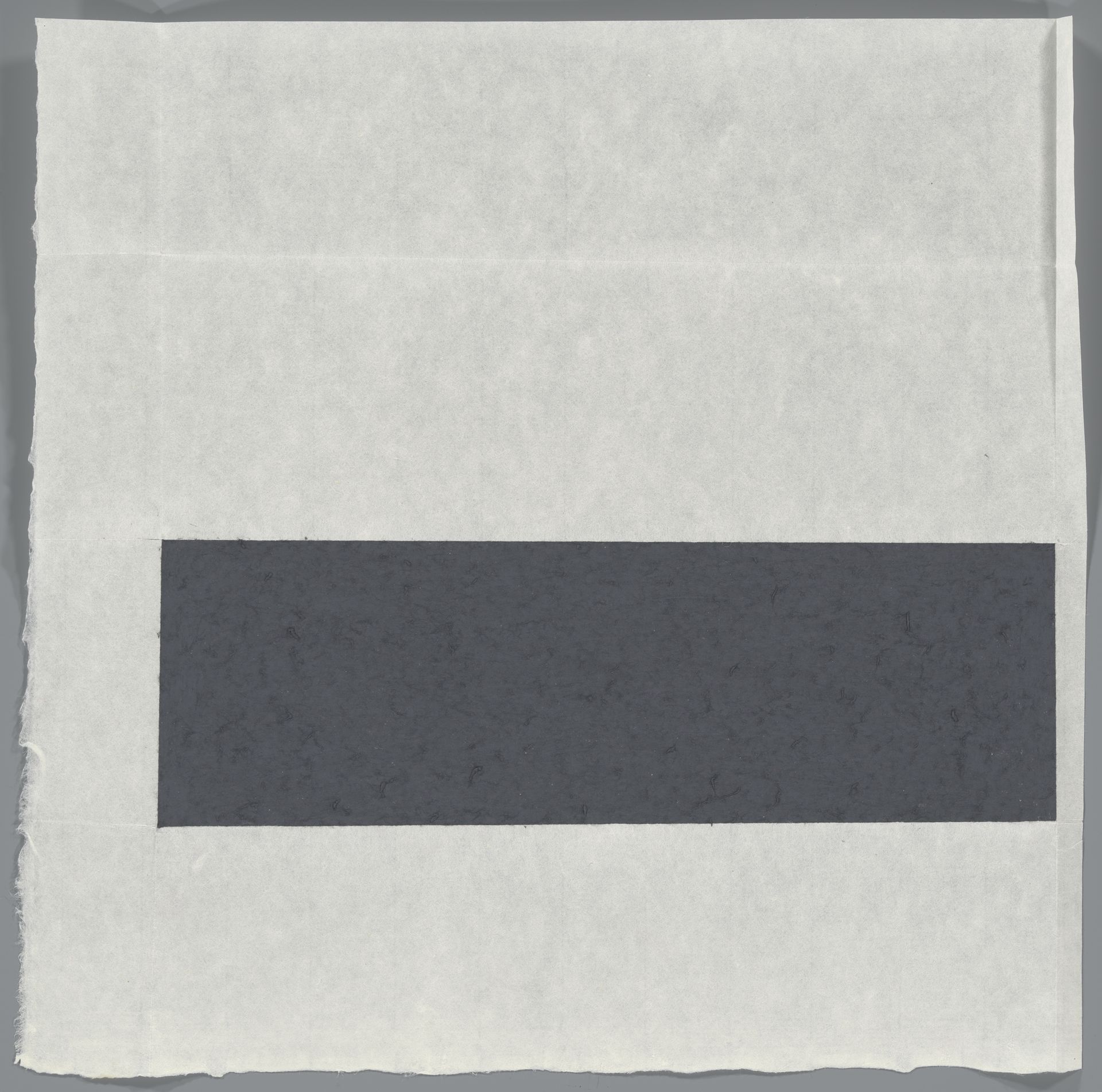
Maria van Elk, born in 1943, made this artwork, "Gevouwen vorm," which translates to "folded shape", using paper. It’s a deceptively simple work that asks us to consider what isn’t there as much as what is. In the 1970s, van Elk began an investigation into spatial experiences and the dematerialization of art. Her work is often associated with the minimalist movement which sought to reduce art to its most essential form. What happens if we consider the empty whiteness of the page as a gendered space? What are the politics of that rectangle which claims a right to the blank page? The horizontal orientation of the dark rectangle could be seen as a reference to the horizon, or even a body lying horizontally. As you look, consider the quiet, almost meditative quality, and what it invites us to imagine and question.

Artwork details
- Medium
- acrylic-paint
- Dimensions
- height 455 mm, width 455 mm
- Copyright
- Rijks Museum: Open Domain
Tags
acrylic-paint
geometric
matter-painting
abstraction
modernism
monochrome
Comments
No comments
About this artwork
Maria van Elk, born in 1943, made this artwork, "Gevouwen vorm," which translates to "folded shape", using paper. It’s a deceptively simple work that asks us to consider what isn’t there as much as what is. In the 1970s, van Elk began an investigation into spatial experiences and the dematerialization of art. Her work is often associated with the minimalist movement which sought to reduce art to its most essential form. What happens if we consider the empty whiteness of the page as a gendered space? What are the politics of that rectangle which claims a right to the blank page? The horizontal orientation of the dark rectangle could be seen as a reference to the horizon, or even a body lying horizontally. As you look, consider the quiet, almost meditative quality, and what it invites us to imagine and question.
Comments
No comments