About this artwork
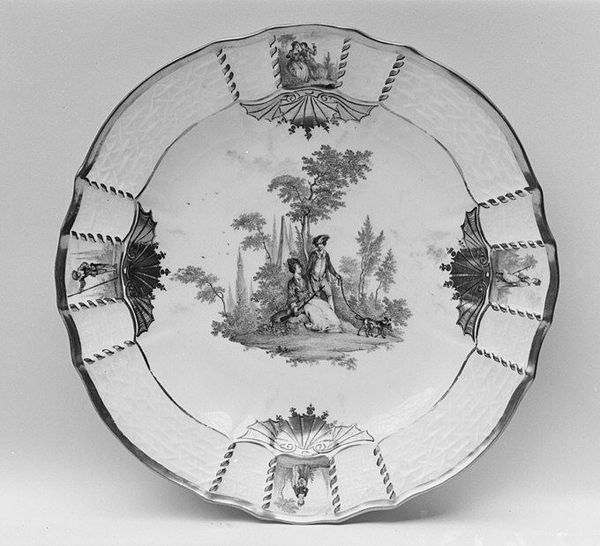
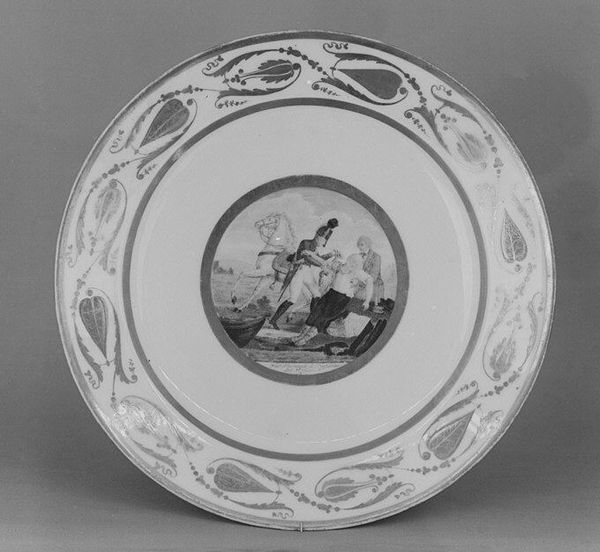
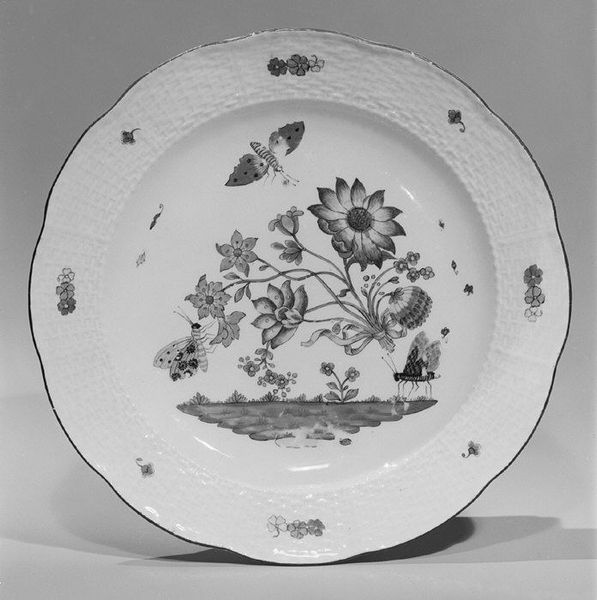
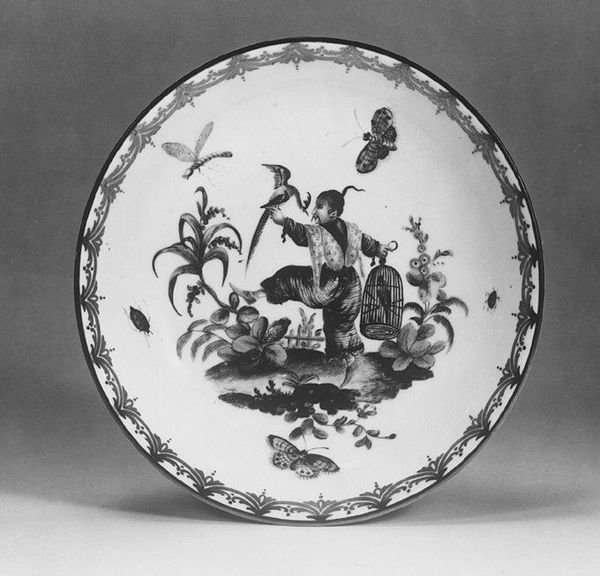
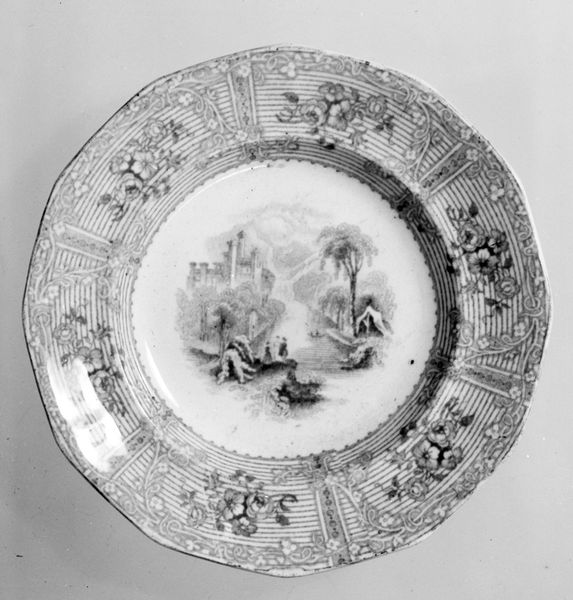
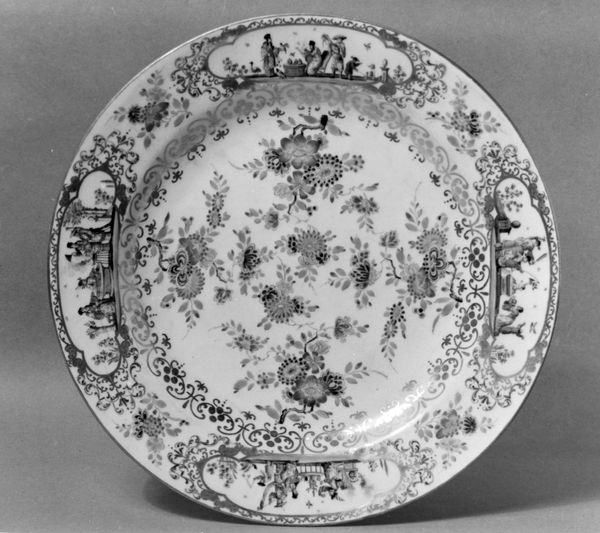
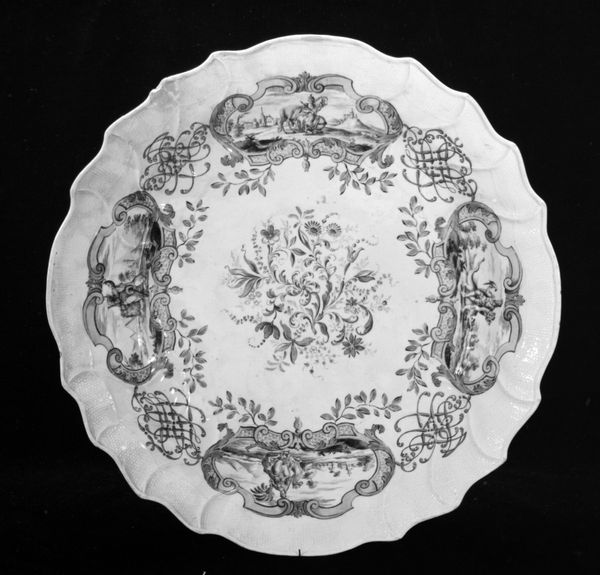
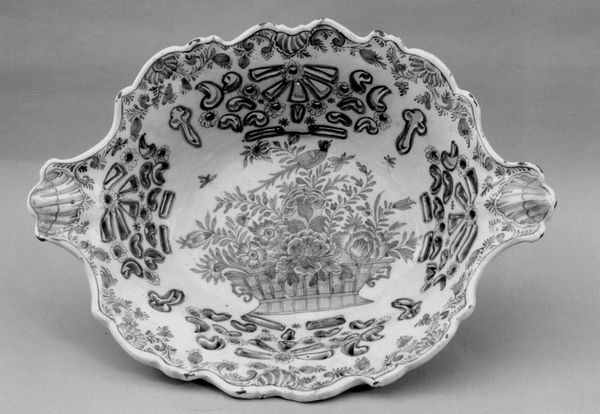
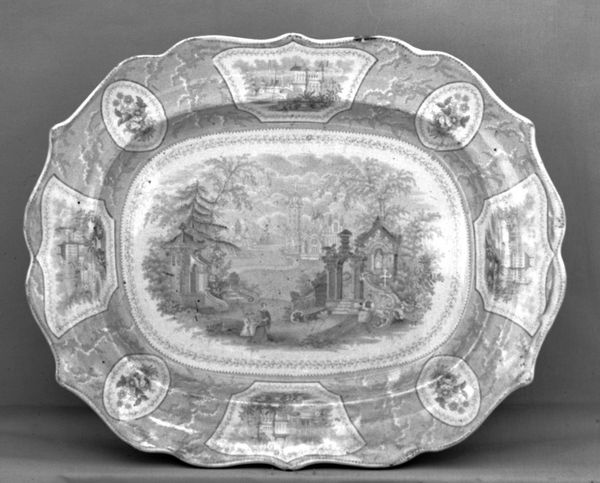
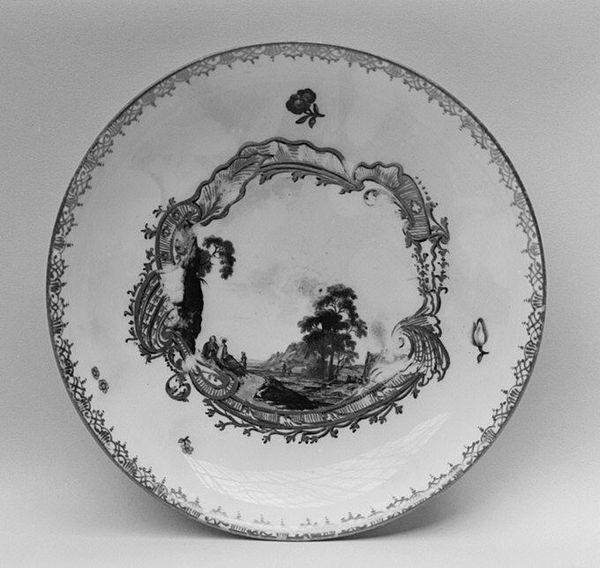
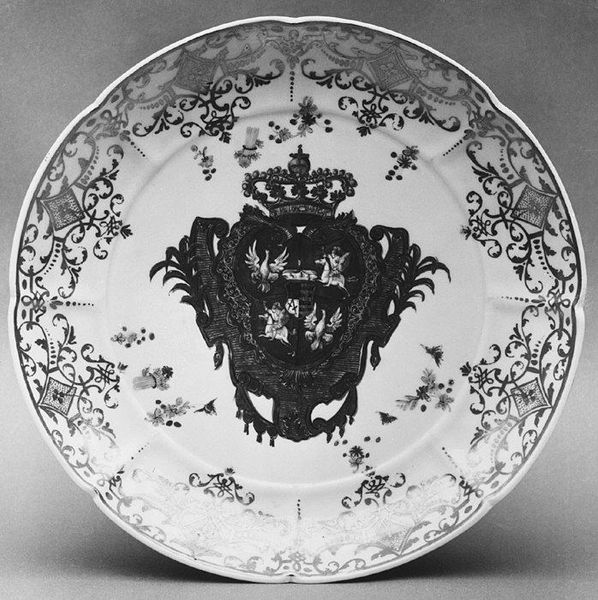
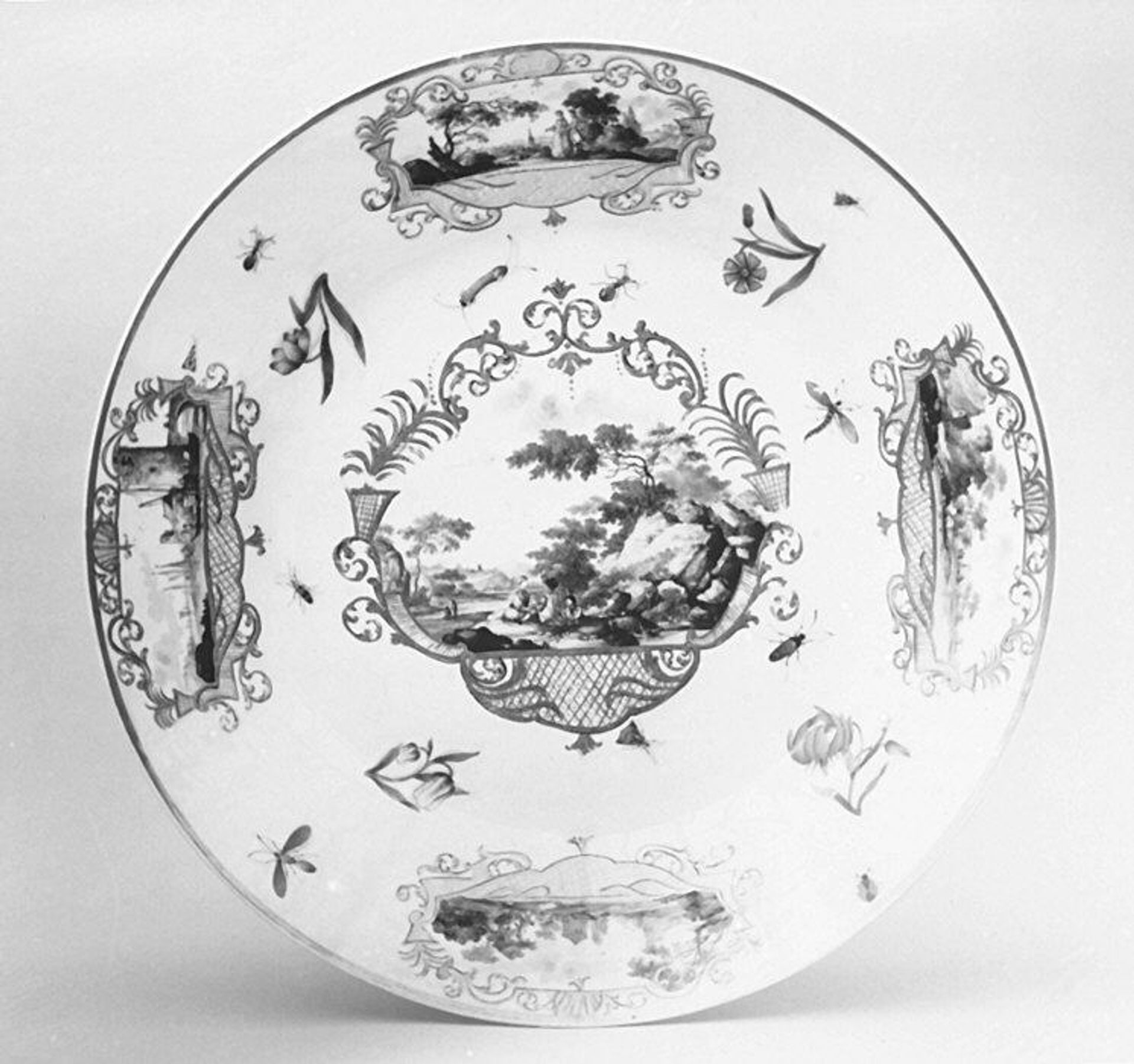
This plate was made by the Meissen Manufactory, renowned for its porcelain production. Porcelain is created by firing a mixture of kaolin clay, feldspar, and quartz at high temperatures, resulting in a translucent, durable material. The smooth, white surface of this plate serves as a canvas for delicate, hand-painted decorations. The landscapes, floral motifs, and insects are rendered in intricate detail, showcasing the artist's skill and control over the brush. Each element is carefully placed to create a balanced composition within the circular format. Meissen was at the forefront of European porcelain manufacture, and the factory-based making process influenced the plate’s appearance. The division of labor within the manufactory system allowed for specialization, with different artisans focusing on specific tasks, such as molding, firing, or painting. The decoration of porcelain became an industry of its own. It reflects a wider context of labor, skill, and consumerism. Appreciating the material qualities and production processes enriches our understanding of its cultural value.
Plate
1740 - 1750


Artwork details
- Medium
- print, ceramic, porcelain
- Dimensions
- Diameter: 10 1/8 in. (25.7 cm)
- Location
- Metropolitan Museum of Art, New York, NY
- Copyright
- Public Domain
Tags
landscape
ceramic
flower
porcelain
decorative-art
rococo
Comments
Be the first to share your thoughts about this work.
About this artwork
This plate was made by the Meissen Manufactory, renowned for its porcelain production. Porcelain is created by firing a mixture of kaolin clay, feldspar, and quartz at high temperatures, resulting in a translucent, durable material. The smooth, white surface of this plate serves as a canvas for delicate, hand-painted decorations. The landscapes, floral motifs, and insects are rendered in intricate detail, showcasing the artist's skill and control over the brush. Each element is carefully placed to create a balanced composition within the circular format. Meissen was at the forefront of European porcelain manufacture, and the factory-based making process influenced the plate’s appearance. The division of labor within the manufactory system allowed for specialization, with different artisans focusing on specific tasks, such as molding, firing, or painting. The decoration of porcelain became an industry of its own. It reflects a wider context of labor, skill, and consumerism. Appreciating the material qualities and production processes enriches our understanding of its cultural value.
Comments
Be the first to share your thoughts about this work.