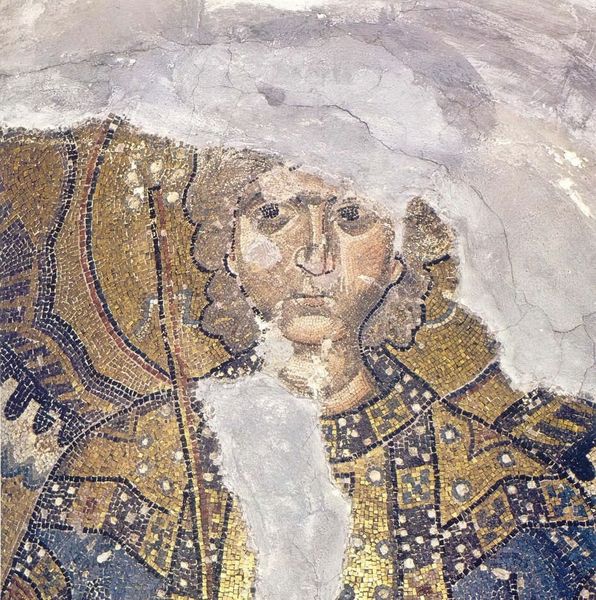
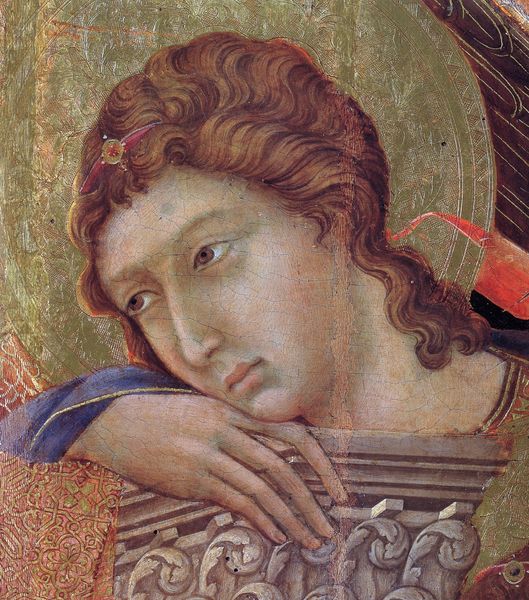
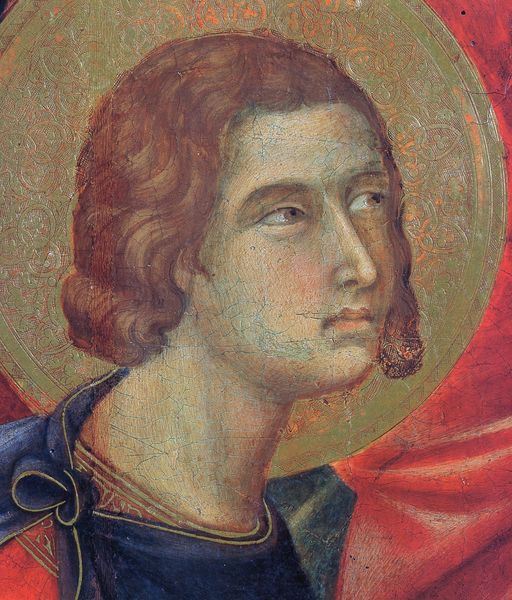
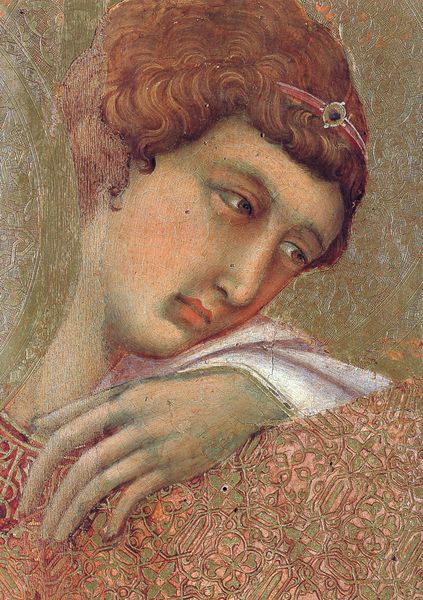
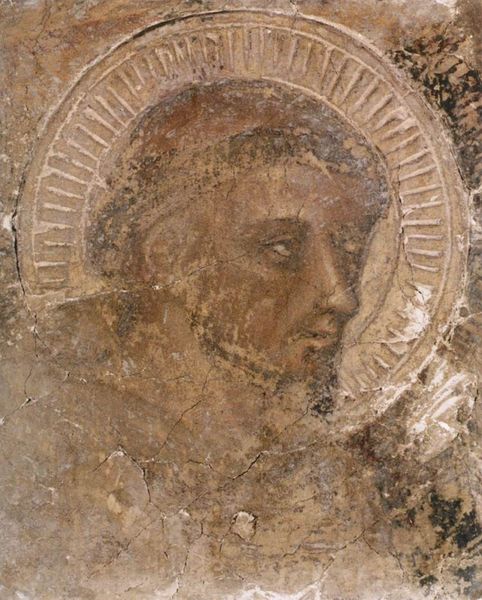
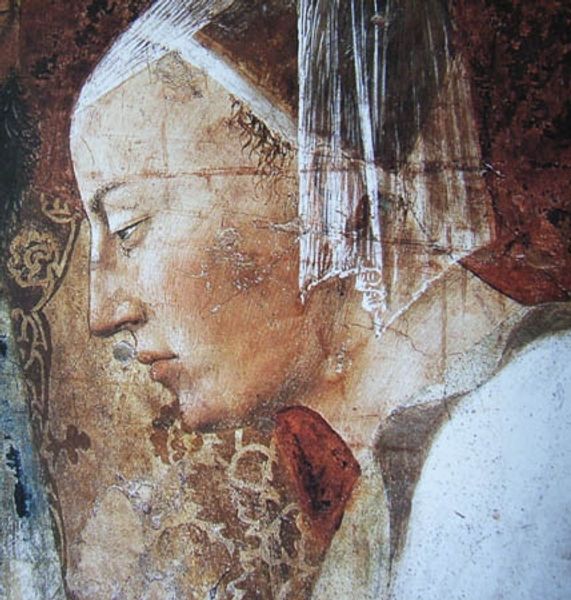
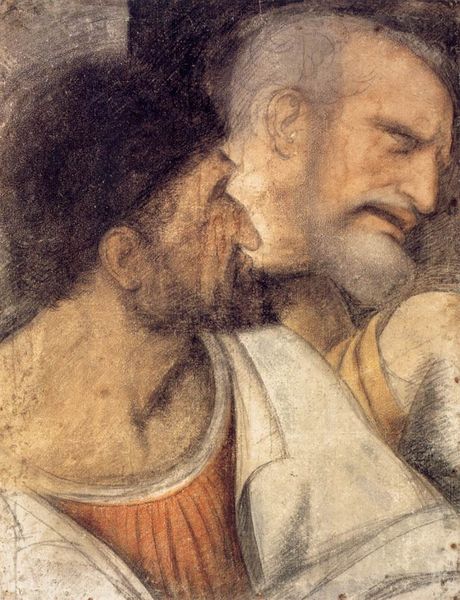
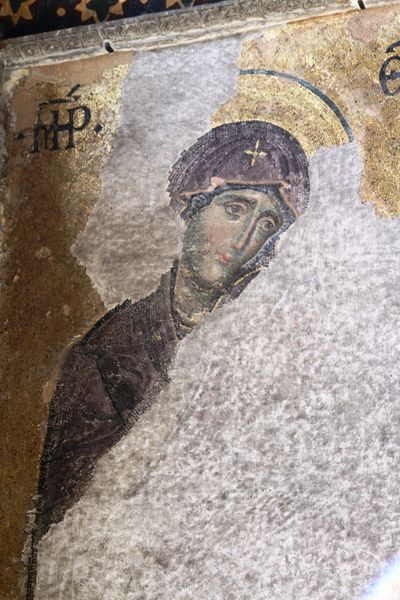
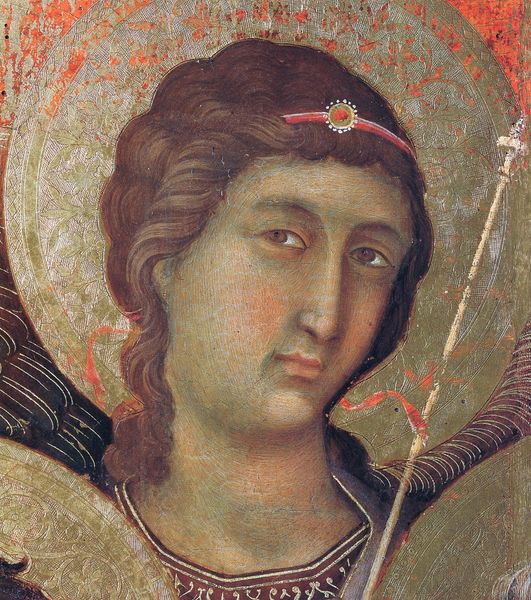
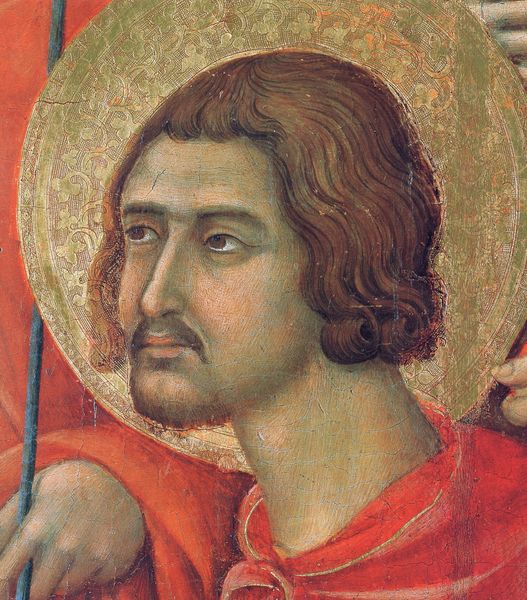
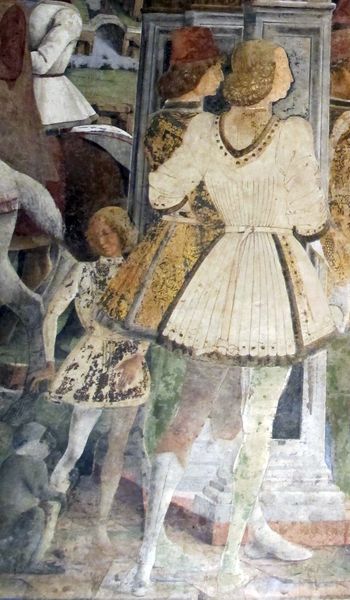
Sala Dell'udienza (palazzo Vecchio), storie di furio Camillo (detail) 1545
0:00
0:00

oil-paint
#
portrait
#
oil-paint
#
mannerism
#
oil painting
#
history-painting
#
portrait art
Copyright: Public domain
Editor: Here we have a detail from Francesco Salviati's oil painting, "Sala Dell'udienza (palazzo Vecchio), storie di furio Camillo," created around 1545. It's quite striking—the detail on the figure's face and clothing is incredible. What stands out to you in terms of the actual creation of this work? Curator: Looking at this, I immediately consider the economic underpinnings. Salviati wasn't just divinely inspired; he was commissioned. Who paid for this, and what statement were they trying to make through this elaborate depiction of Furio Camillo? Think about the materiality of the pigment. Where did these colors come from, and what processes were needed to make them? Ultramarine, for instance, was more precious than gold at times, impacting production decisions and social status. Editor: So you're saying that the value placed on these materials and techniques played a huge role in dictating the artwork's creation? Curator: Absolutely. And consider the labor involved. Someone had to prepare the canvas, grind the pigments, and assist Salviati. What was their role and status within the system? How did the means of production reflect societal hierarchies of the time? Also, the scale is important. These paintings were not created as unique objects but within complex systems of value related to the means by which artists acquired and deployed specific material ingredients and manufacturing techniques. How accessible was art like this to the average person, given its materials and its placement within a palazzo? Editor: That definitely shifts my perspective. I was initially focused on the artistry, but I see how important it is to examine the processes, the social context, and economic structure. Curator: Exactly! By investigating how it was made, from procuring costly dyes to the socio-economic situation of 16th-century Italian workshops, can we unpack the broader conditions shaping not only art, but also our understanding of value itself. Editor: Thank you so much! I learned a lot. Curator: Likewise! It’s essential to think of the context, the labor, and the literal matter used.
Comments
No comments
Be the first to comment and join the conversation on the ultimate creative platform.
 Collect
 React
React Comment
More like this