About this artwork
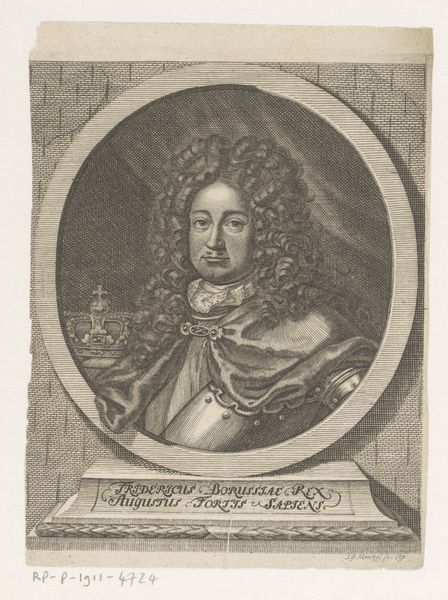
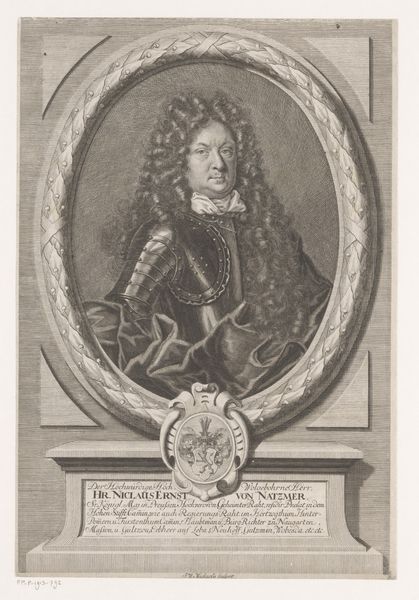
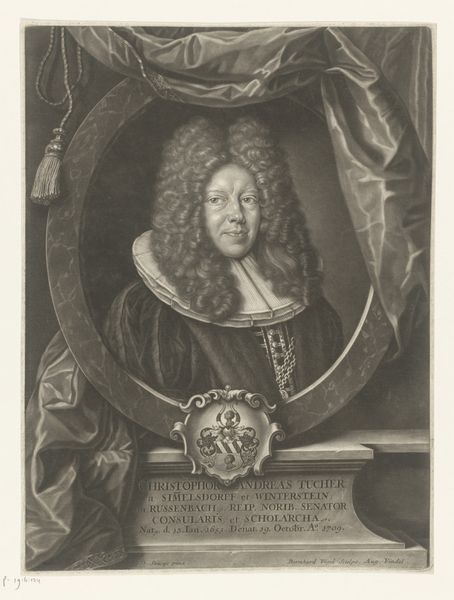
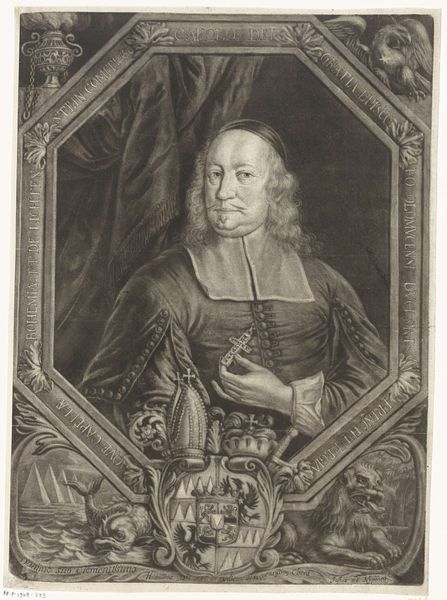
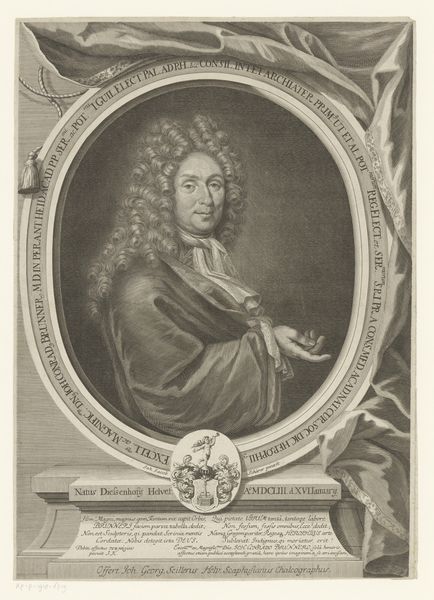
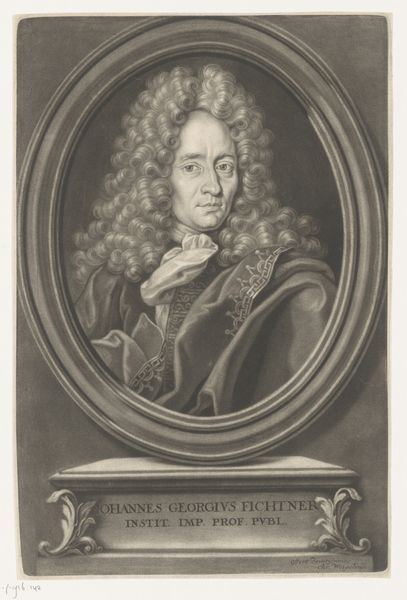
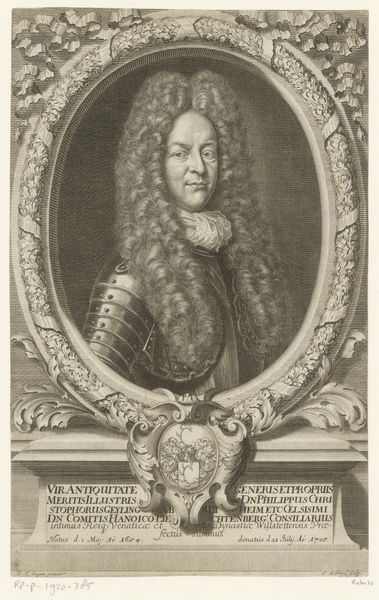
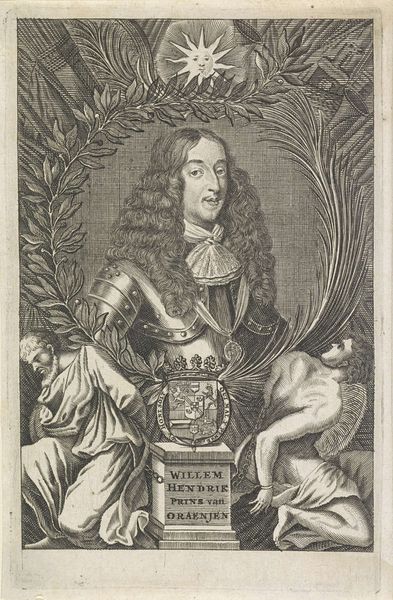
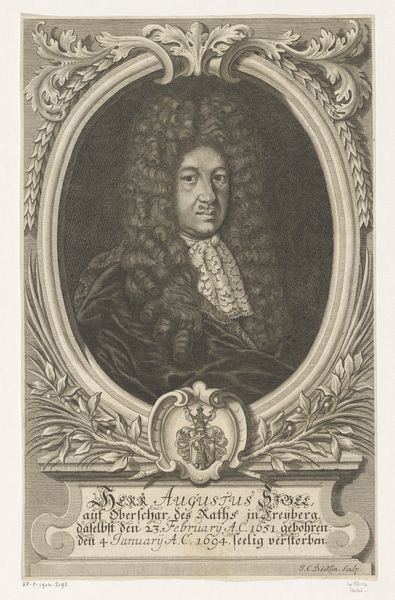
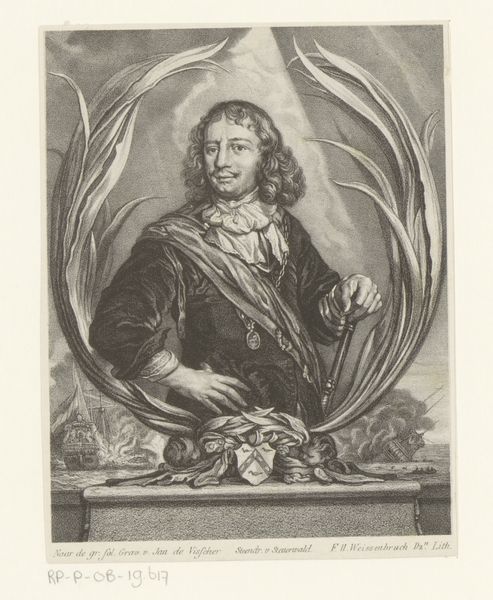
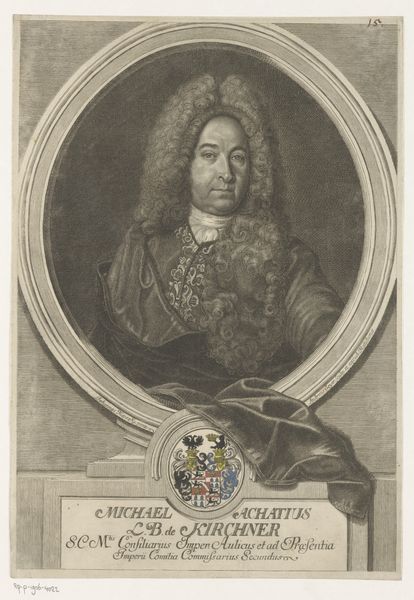
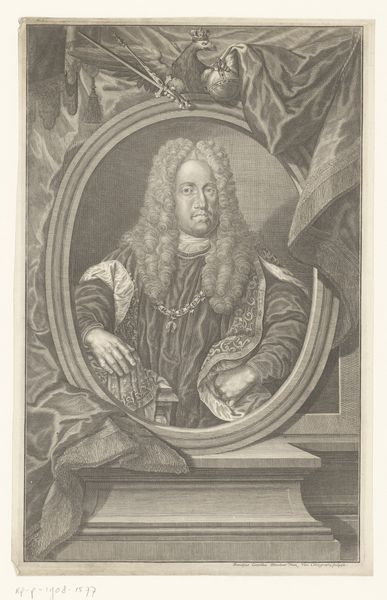
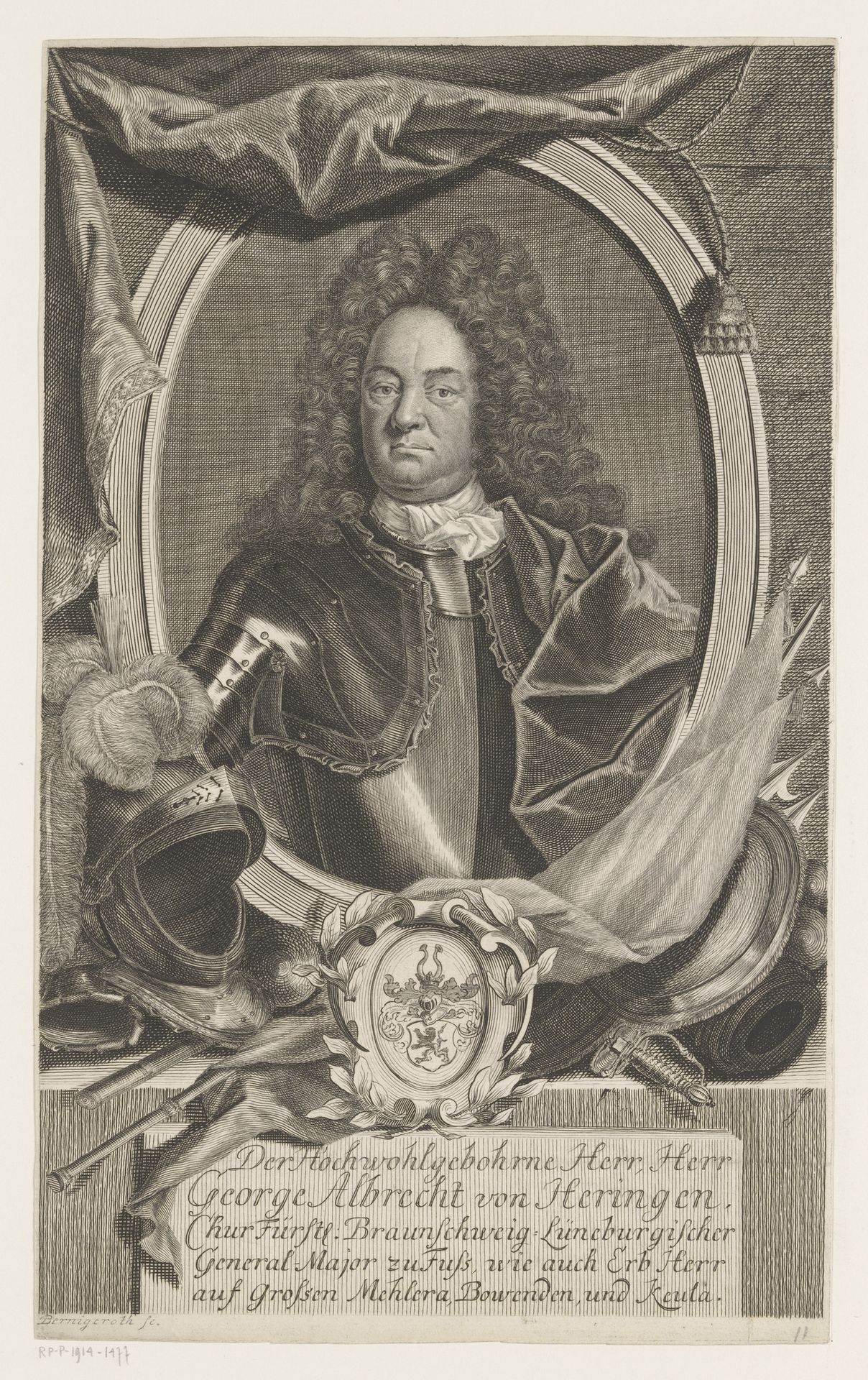
This print depicting Georg Albrecht von Heringen was made by Martin Bernigeroth, likely in the early 18th century. It's an engraving, meaning the image was incised into a metal plate, likely copper, with a tool called a burin. Ink would have been forced into these lines, and the plate then pressed onto paper. Look closely and you’ll see how the qualities of the engraving shape the image. The armor and hair, created by careful, minute cuts, give a sense of texture and depth. The process demands precision and control, reflective of the sitter's status. Bernigeroth was one of many printmakers who found steady employment by representing the rising merchant classes and aristocracy. It's a reminder that techniques, tools, and skilled traditions, while belonging to histories of creative practices, are also tied to wider social issues of labor, politics, and consumption. So next time you see a print, think about the many hours of labor involved in its creation. It's a testament to the value of skilled handwork in a world increasingly shaped by industrial production.
Portret van Georg Albrecht von Heringen
1680 - 1733

Martin Bernigeroth
1670 - 1733Location
RijksmuseumArtwork details
- Medium
- print, engraving
- Dimensions
- height 342 mm, width 209 mm
- Location
- Rijksmuseum
- Copyright
- Rijks Museum: Open Domain
Tags
portrait
baroque
old engraving style
portrait drawing
history-painting
engraving
Comments
Be the first to share your thoughts about this work.
About this artwork
This print depicting Georg Albrecht von Heringen was made by Martin Bernigeroth, likely in the early 18th century. It's an engraving, meaning the image was incised into a metal plate, likely copper, with a tool called a burin. Ink would have been forced into these lines, and the plate then pressed onto paper. Look closely and you’ll see how the qualities of the engraving shape the image. The armor and hair, created by careful, minute cuts, give a sense of texture and depth. The process demands precision and control, reflective of the sitter's status. Bernigeroth was one of many printmakers who found steady employment by representing the rising merchant classes and aristocracy. It's a reminder that techniques, tools, and skilled traditions, while belonging to histories of creative practices, are also tied to wider social issues of labor, politics, and consumption. So next time you see a print, think about the many hours of labor involved in its creation. It's a testament to the value of skilled handwork in a world increasingly shaped by industrial production.
Comments
Be the first to share your thoughts about this work.