About this artwork
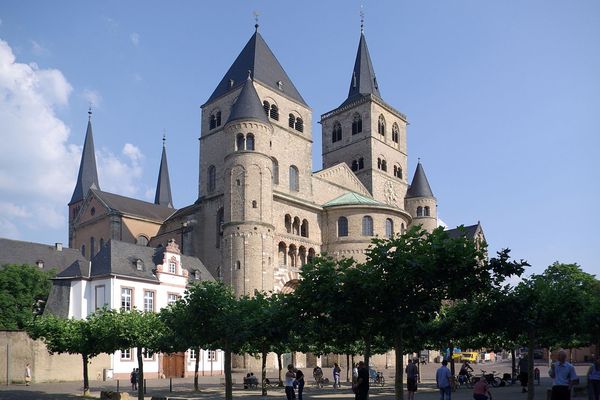
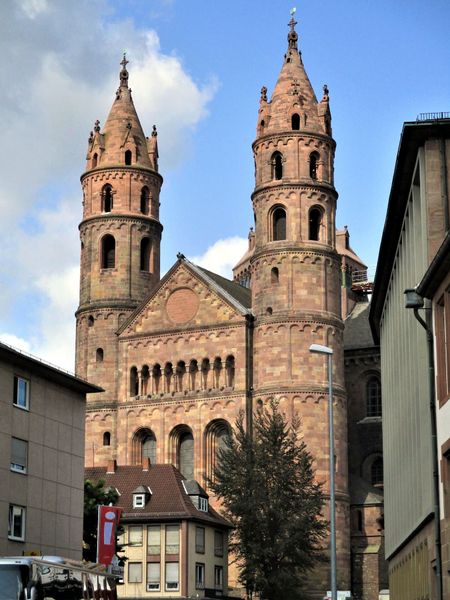
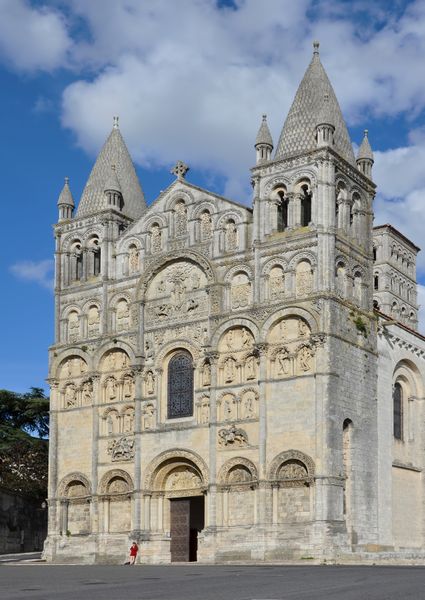
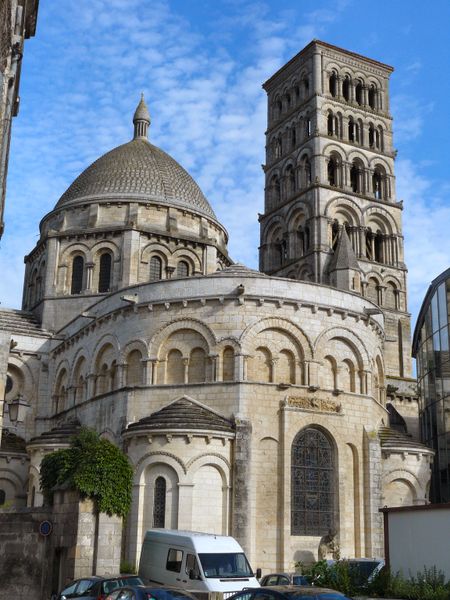
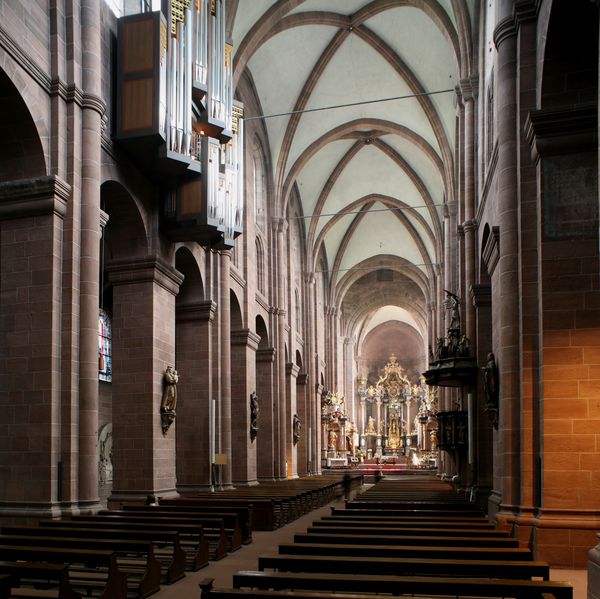
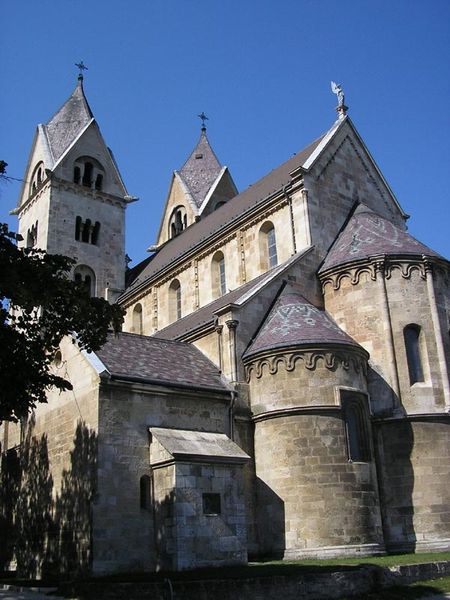
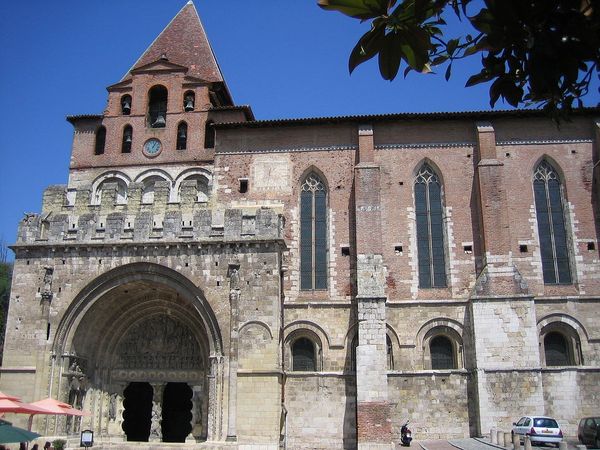
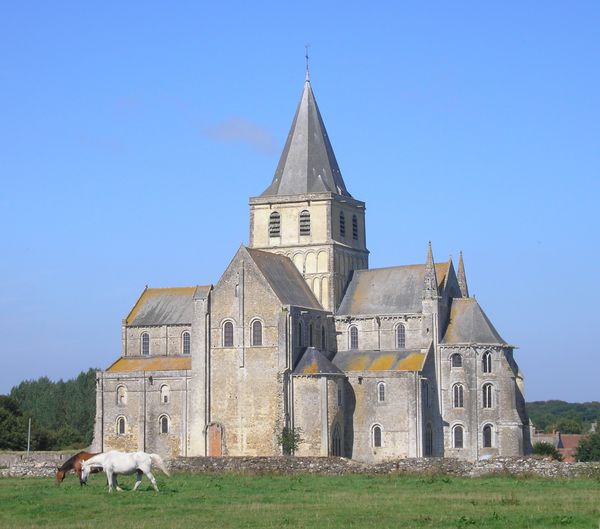
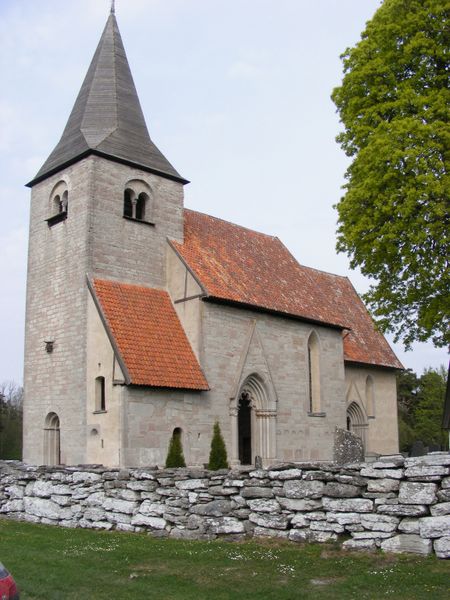
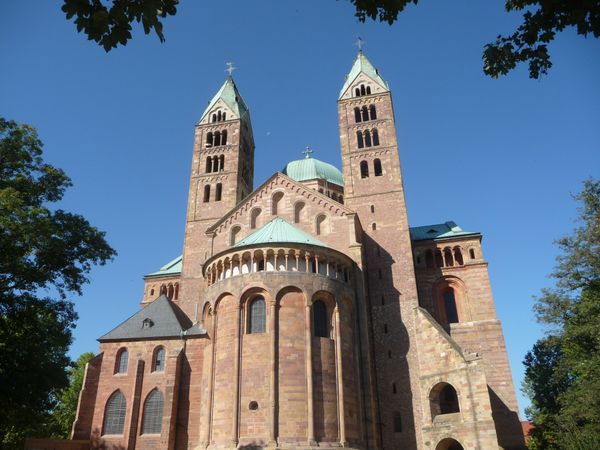
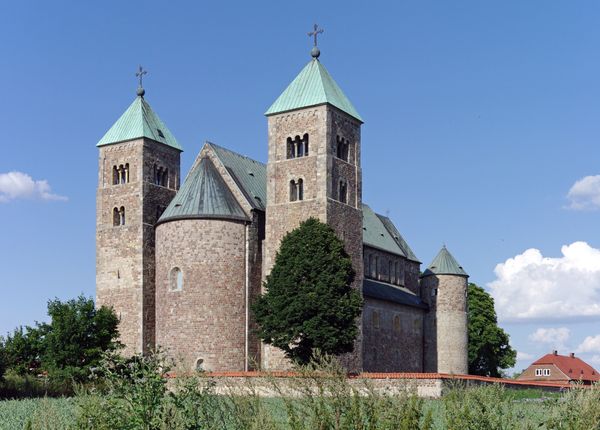
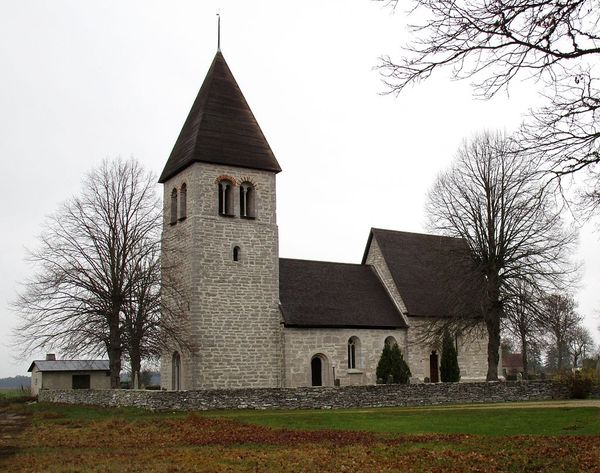
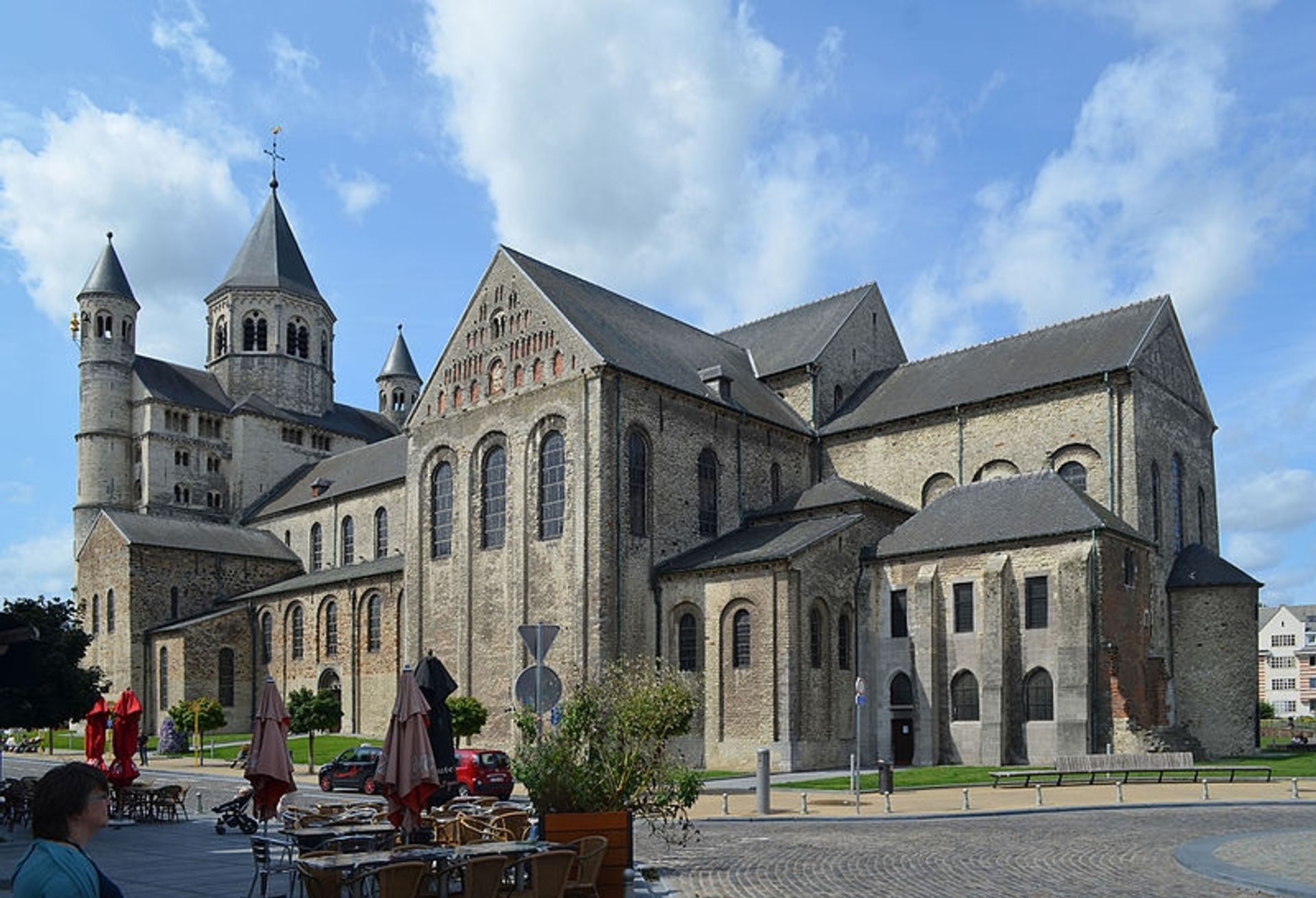
The Collegiate Church of Saint Gertrude in Nivelles, Belgium, constructed by Romanesque architects between approximately 1000 and 1250, presents a fascinating study in architectural structure. The church is characterized by its solid, geometric forms. Notice how the architects used the repetition of rounded arches and rectangular shapes to create a sense of order. The heavy walls, small windows, and massive towers create a sense of stability. The architects aimed to evoke a feeling of divine presence and the structure itself seems to challenge earthly limitations through its sheer size and scale. Observe how the interplay of horizontal and vertical lines guides the eye, creating a rhythm that unifies the building’s various components. This visual organization not only pleases the eye, but also communicates the church’s symbolic role as a bridge between the earthly and the divine. Consider how the manipulation of space and form serves to destabilize everyday experience, inviting contemplation and spiritual transcendence through its architectural design.
Collegiate Church of Saint Gertrude, Nivelles, Belgium
1040

Artwork details
- Medium
- architecture
- Copyright
- Public domain
Tags
Comments
Share your thoughts
About this artwork
The Collegiate Church of Saint Gertrude in Nivelles, Belgium, constructed by Romanesque architects between approximately 1000 and 1250, presents a fascinating study in architectural structure. The church is characterized by its solid, geometric forms. Notice how the architects used the repetition of rounded arches and rectangular shapes to create a sense of order. The heavy walls, small windows, and massive towers create a sense of stability. The architects aimed to evoke a feeling of divine presence and the structure itself seems to challenge earthly limitations through its sheer size and scale. Observe how the interplay of horizontal and vertical lines guides the eye, creating a rhythm that unifies the building’s various components. This visual organization not only pleases the eye, but also communicates the church’s symbolic role as a bridge between the earthly and the divine. Consider how the manipulation of space and form serves to destabilize everyday experience, inviting contemplation and spiritual transcendence through its architectural design.
Comments
Share your thoughts