About this artwork
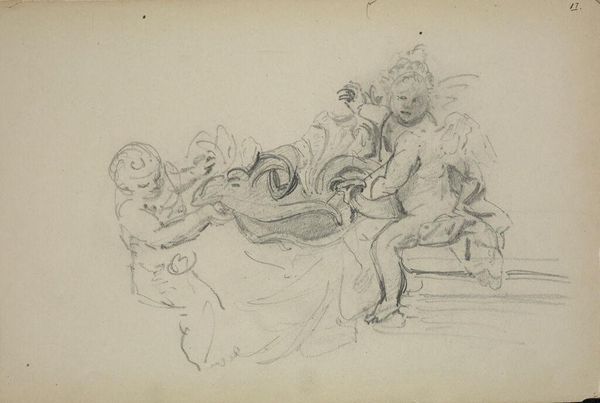
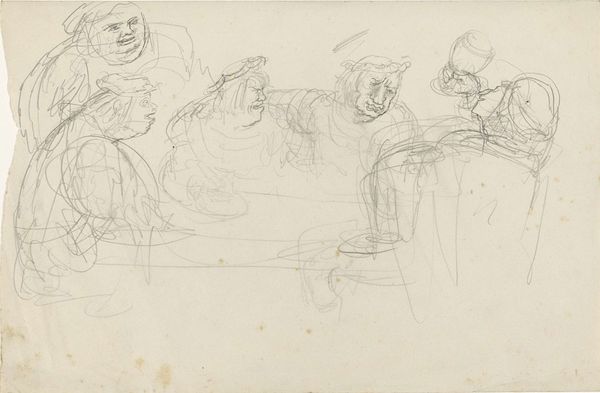
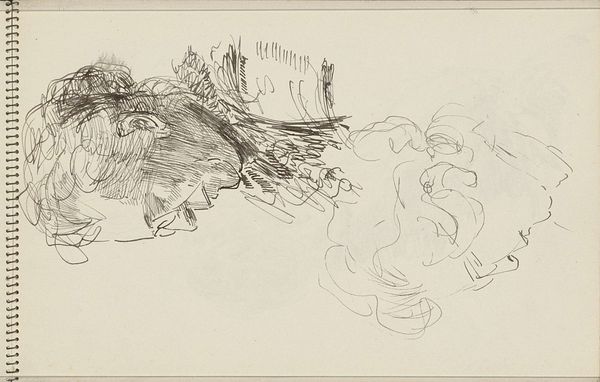
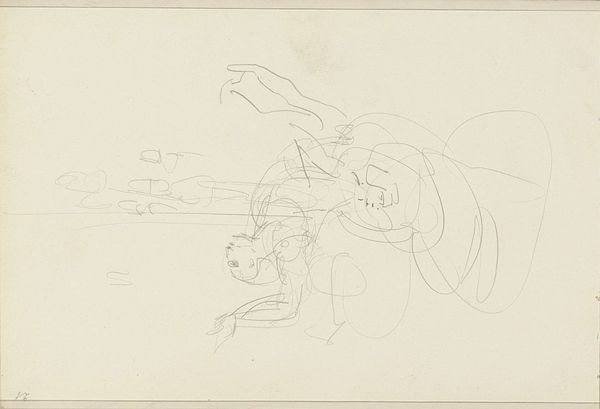
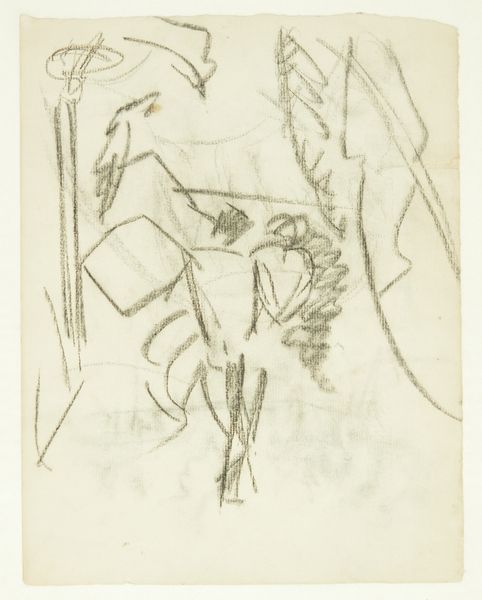
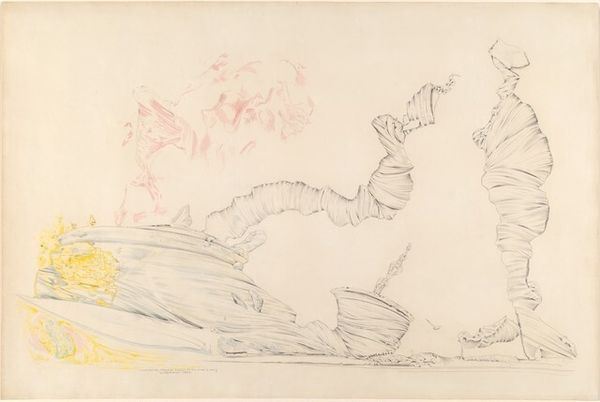
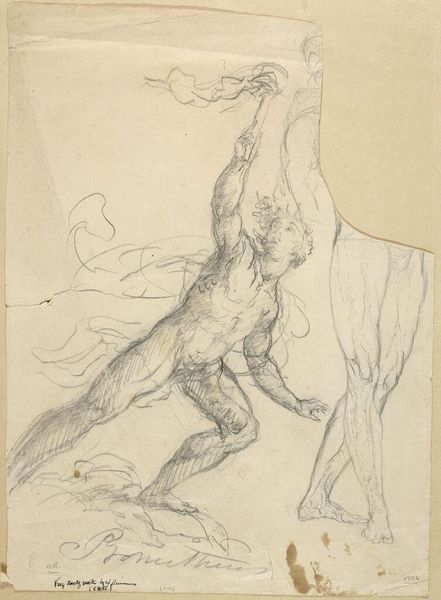
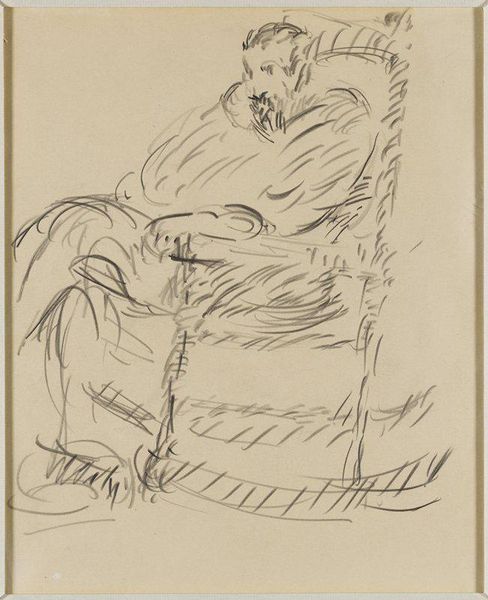
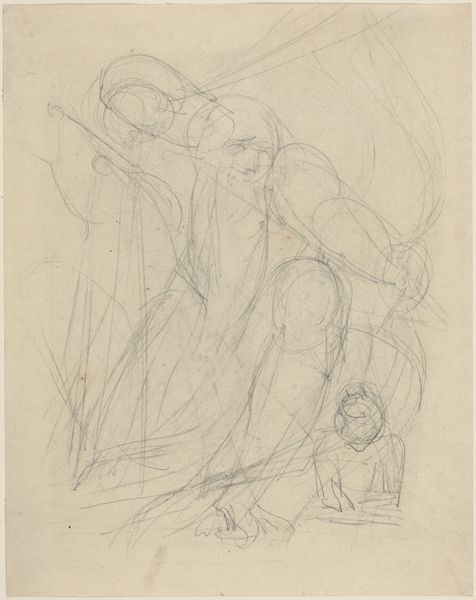
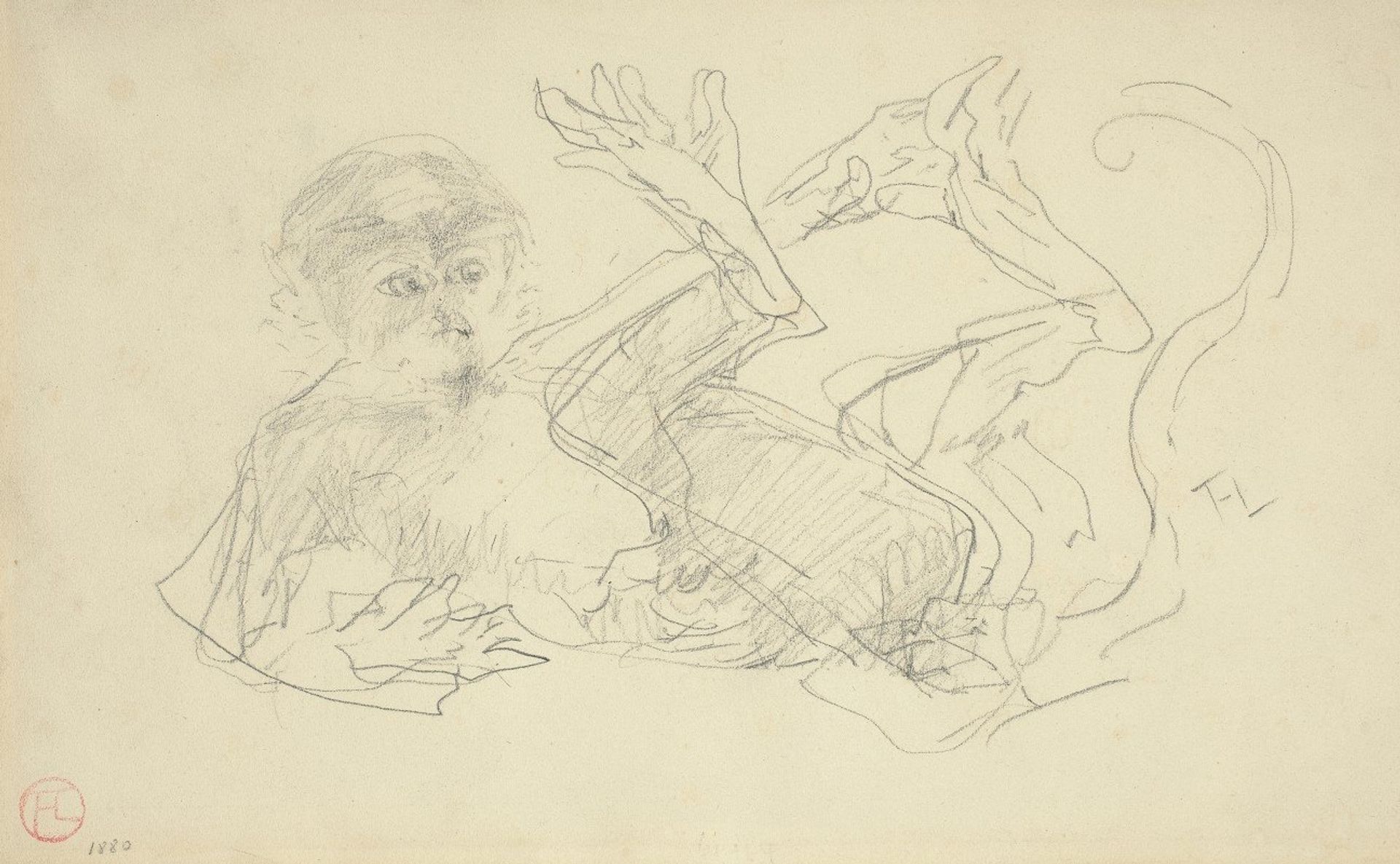
This sketch by Henri de Toulouse-Lautrec presents a monkey in a moment of playful abandon, rendered with the swift, assured lines of a master draughtsman. The monkey's pose—supine, with limbs akimbo—immediately evokes a sense of uninhibited joy. Consider the recurring motif of animals, particularly primates, in art history. From ancient Egyptian depictions to Renaissance allegories, monkeys often symbolize base instincts or folly. Yet here, Toulouse-Lautrec seems less concerned with moralizing and more with capturing a raw, unfiltered expression of pleasure. Reflect on the 'puer aeternus' archetype, the eternal child, and how it manifests in this image. The monkey's carefree antics may stir within us a longing for the untamed, instinctual part of our own nature. The artist has captured a fleeting moment of pure, unadulterated joy that speaks to the enduring human fascination with the animal kingdom and the reflection of our own selves we find within it.

Artwork details
- Medium
- drawing, pencil
- Copyright
- Public Domain: Artvee
Tags
portrait
drawing
animal
impressionism
pencil sketch
figuration
pencil
Comments
No comments
About this artwork
This sketch by Henri de Toulouse-Lautrec presents a monkey in a moment of playful abandon, rendered with the swift, assured lines of a master draughtsman. The monkey's pose—supine, with limbs akimbo—immediately evokes a sense of uninhibited joy. Consider the recurring motif of animals, particularly primates, in art history. From ancient Egyptian depictions to Renaissance allegories, monkeys often symbolize base instincts or folly. Yet here, Toulouse-Lautrec seems less concerned with moralizing and more with capturing a raw, unfiltered expression of pleasure. Reflect on the 'puer aeternus' archetype, the eternal child, and how it manifests in this image. The monkey's carefree antics may stir within us a longing for the untamed, instinctual part of our own nature. The artist has captured a fleeting moment of pure, unadulterated joy that speaks to the enduring human fascination with the animal kingdom and the reflection of our own selves we find within it.
Comments
No comments