1790 - 1857
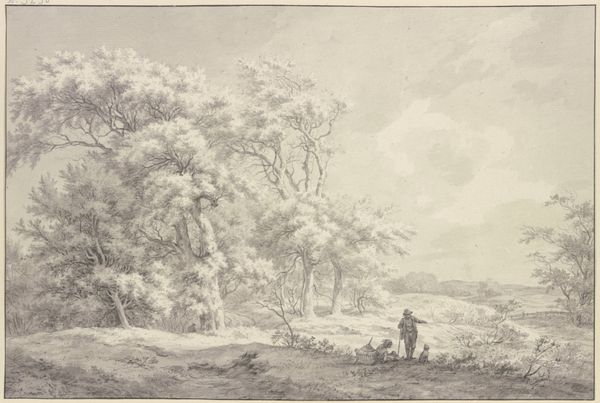
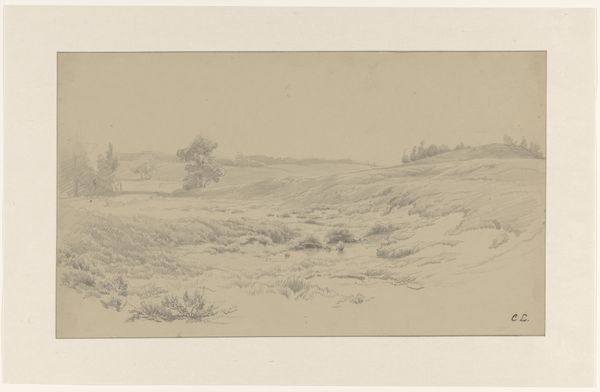
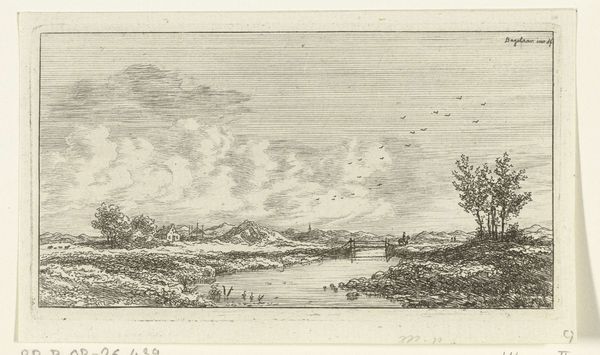
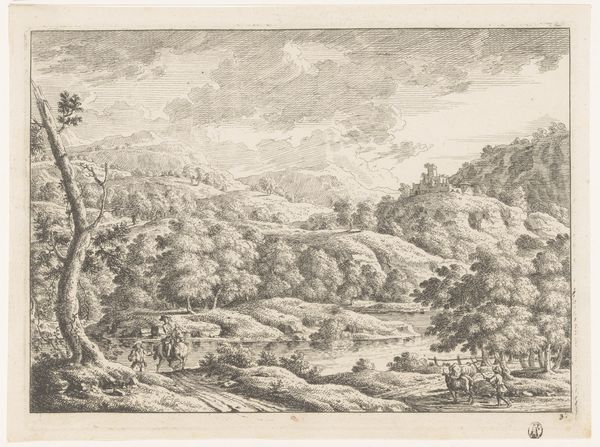
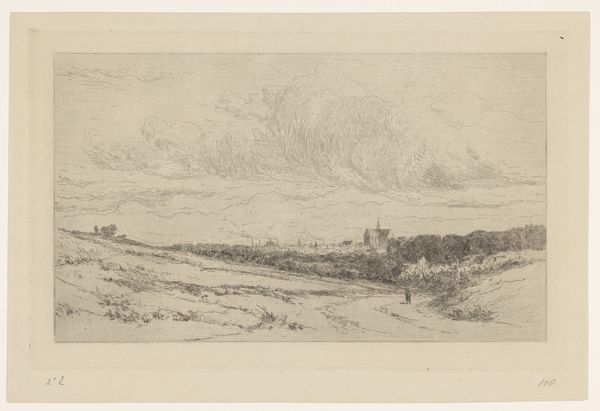
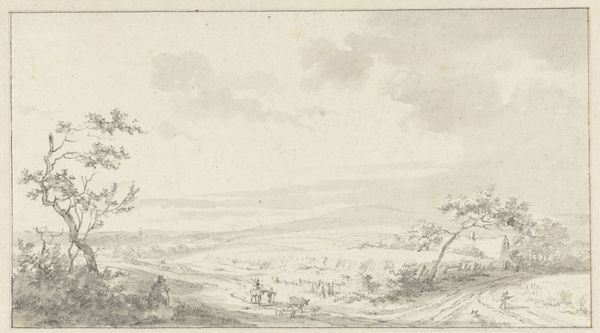
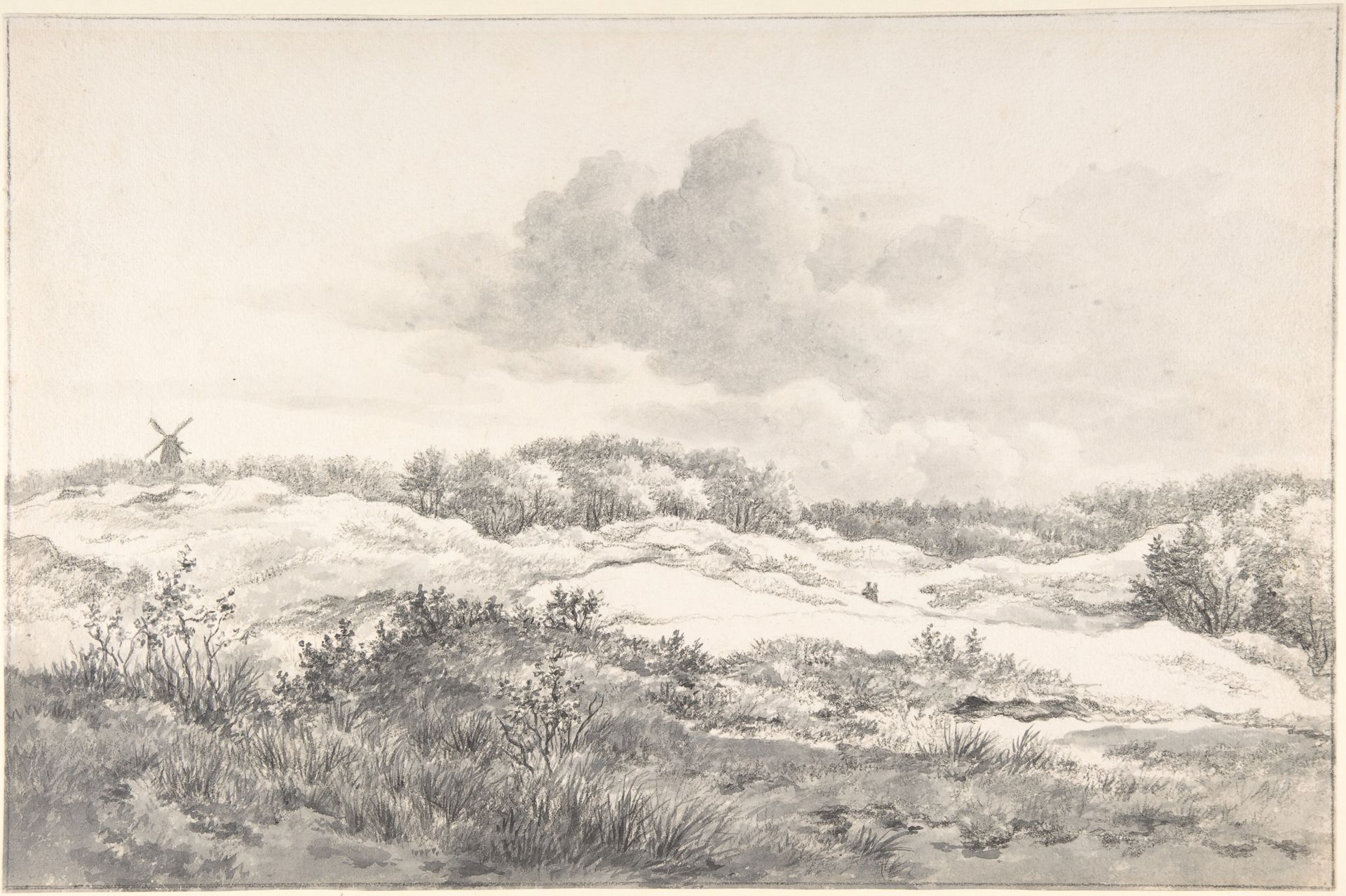
Wooded Dune Landscape near Haarlem, with Windmill and a Pair of Figures

Gerrit Jan Michaëlis
1775 - 1857
The Metropolitan Museum of Art
Metropolitan Museum of Art, New York, NYListen to curator's interpretation
Curatorial notes
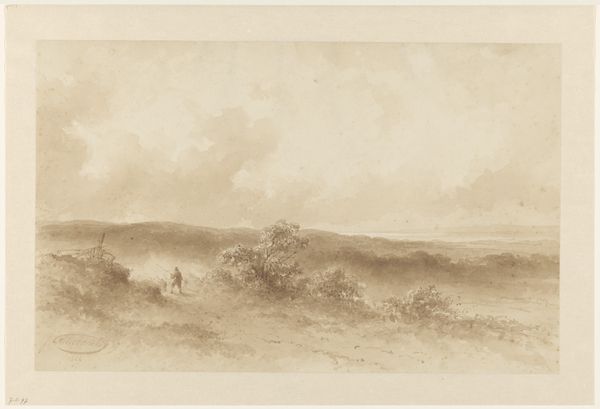
Gerrit Jan Michaëlis created this drawing of a landscape near Haarlem with pen and brush in gray ink around the late 18th or early 19th century. Looking at this Dutch scene, we might ask, what makes this landscape a fitting subject for art? During this period, Dutch art began to take on a new public role. Rather than portraying biblical scenes or aristocratic portraits, artists found ways to ennoble their nation's landscapes, drawing attention to its unique geography and culture. The windmill, for example, was a powerful symbol of Dutch ingenuity and prosperity. The figures are diminutive, but underscore the quiet pleasures of rural life. We can understand the painting better by investigating Dutch history and the rise of landscape painting as a genre. This artwork is a product of its time, and its meaning is contingent on that context.