About this artwork
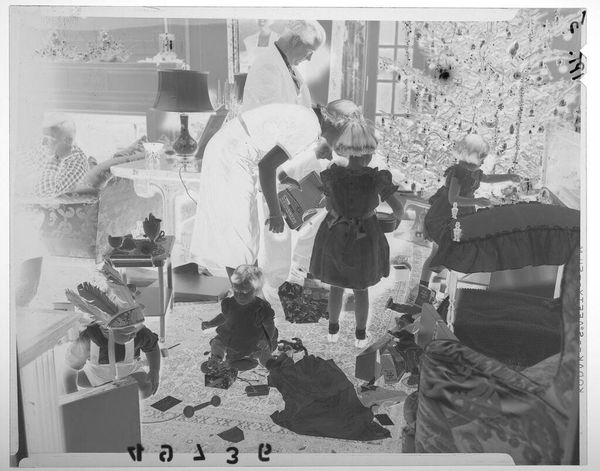
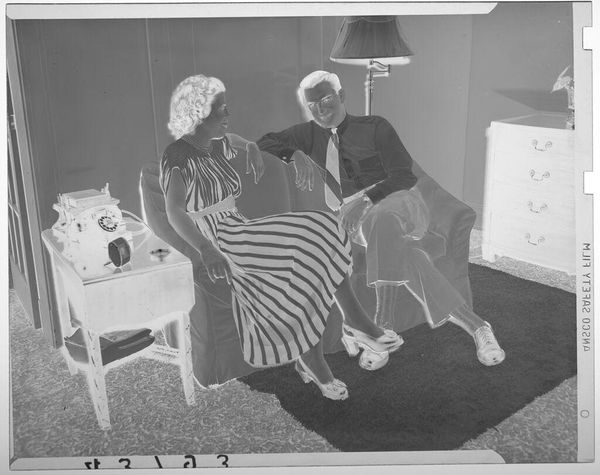
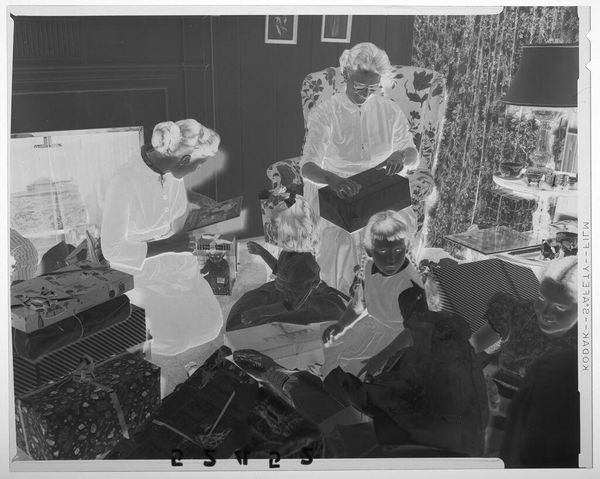
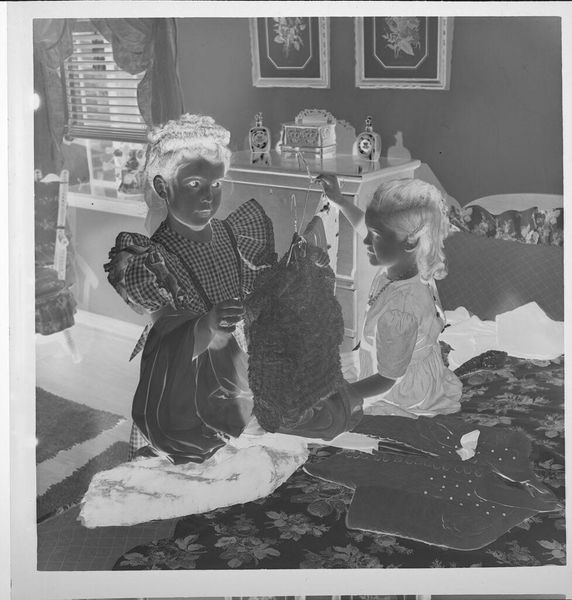
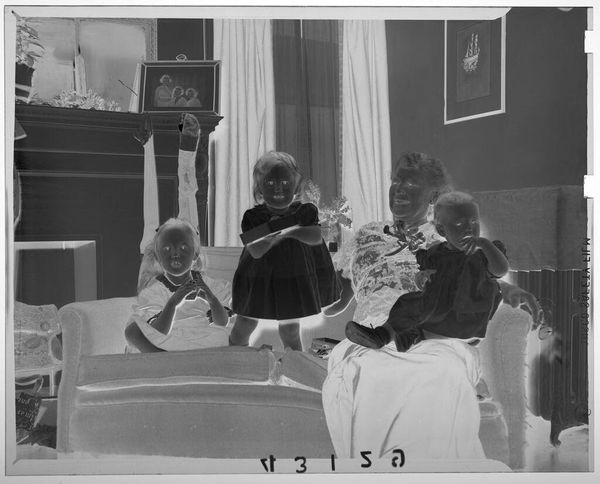
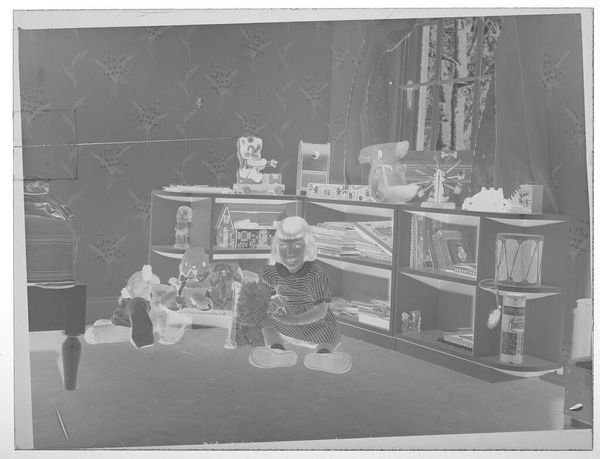
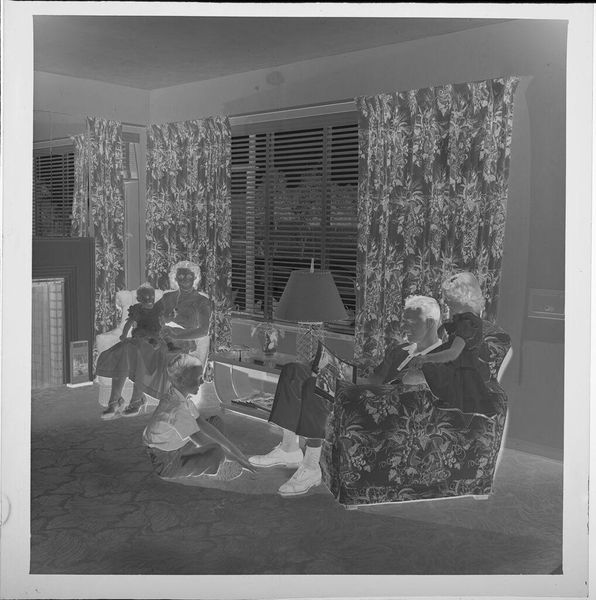
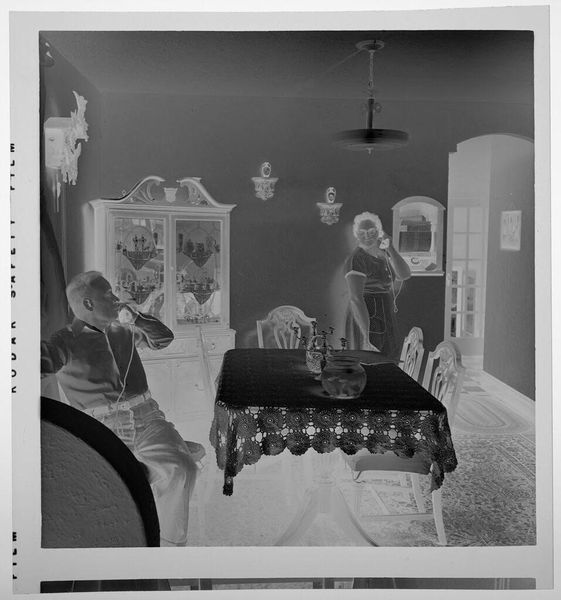
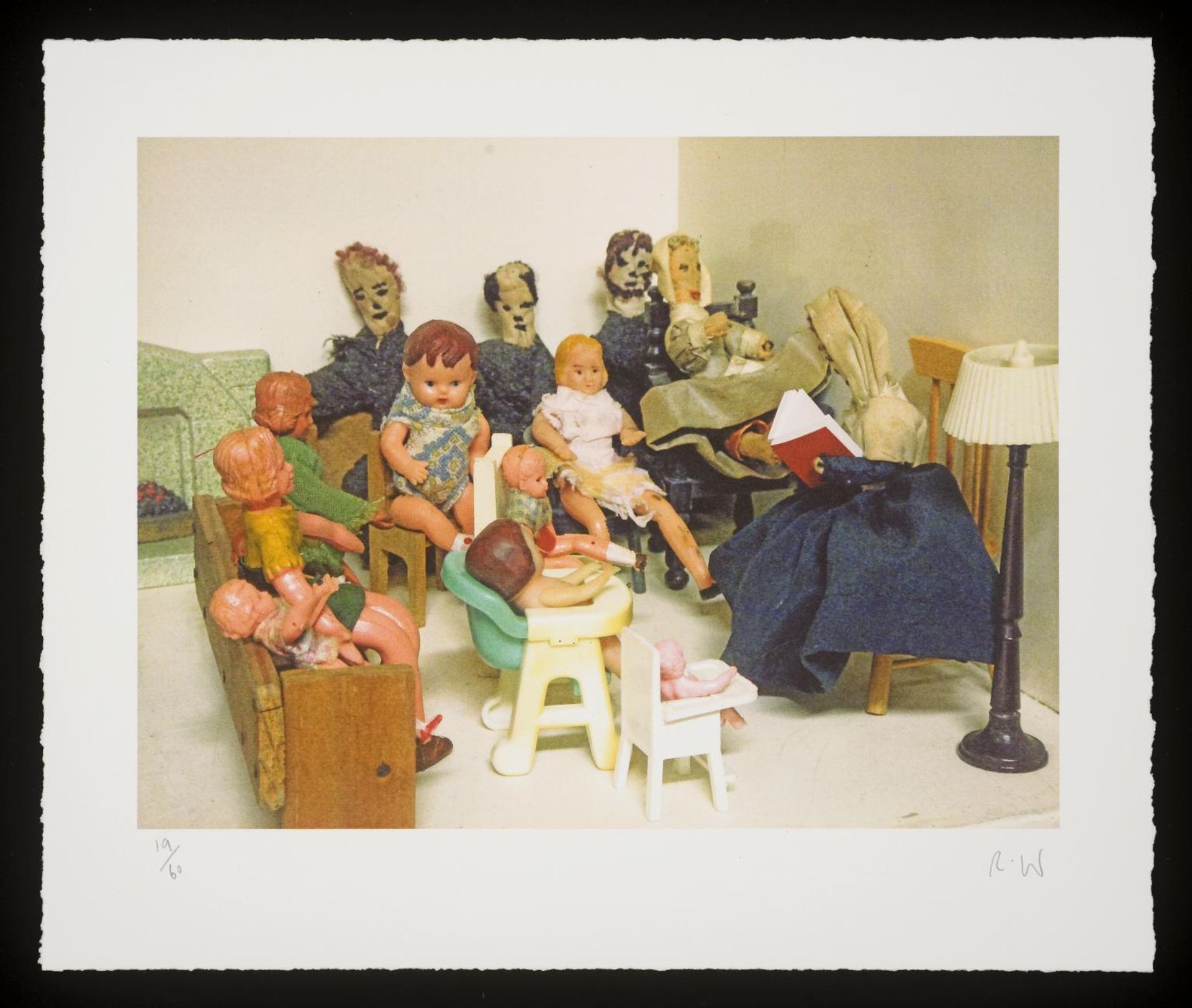
Curator: This is Rachel Whiteread's print titled "Storytime," part of the Tate Collection, notable for its composition of childhood objects and unsettling figures. Editor: My first impression is unease. The arrangement, with its muted colors and the dolls' vacant stares, evokes a sense of abandoned innocence, almost a haunted playhouse. Curator: Indeed, Whiteread often explores themes of memory and absence through the use of negative space and everyday objects. The dolls become surrogates, perhaps representing family dynamics or the loss of childhood itself. Editor: I see that, especially when considering the dolls’ ambiguous racial representation, their fixed expressions and postures speak volumes about gendered and generational expectations that have been imposed and internalized. The "story" feels less about fantasy and more about inherited narratives. Curator: Precisely. Whiteread's strategic composition invites us to contemplate the layers of meaning embedded in these seemingly innocuous objects, prompting reflection on the narratives that shape our identities. Editor: It leaves me pondering the silent dialogues within families and societies, and the stories we choose to tell—or suppress.


Artwork details
- Dimensions
- image: 225 x 300 mm
- Location
- Tate Collections
- Copyright
- © Rachel Whiteread | CC-BY-NC-ND 4.0 DEED, Photo: Tate
Comments

http://www.tate.org.uk/art/artworks/whiteread-storytime-p79391
About this artwork
Curator: This is Rachel Whiteread's print titled "Storytime," part of the Tate Collection, notable for its composition of childhood objects and unsettling figures. Editor: My first impression is unease. The arrangement, with its muted colors and the dolls' vacant stares, evokes a sense of abandoned innocence, almost a haunted playhouse. Curator: Indeed, Whiteread often explores themes of memory and absence through the use of negative space and everyday objects. The dolls become surrogates, perhaps representing family dynamics or the loss of childhood itself. Editor: I see that, especially when considering the dolls’ ambiguous racial representation, their fixed expressions and postures speak volumes about gendered and generational expectations that have been imposed and internalized. The "story" feels less about fantasy and more about inherited narratives. Curator: Precisely. Whiteread's strategic composition invites us to contemplate the layers of meaning embedded in these seemingly innocuous objects, prompting reflection on the narratives that shape our identities. Editor: It leaves me pondering the silent dialogues within families and societies, and the stories we choose to tell—or suppress.
Comments
http://www.tate.org.uk/art/artworks/whiteread-storytime-p79391