About this artwork
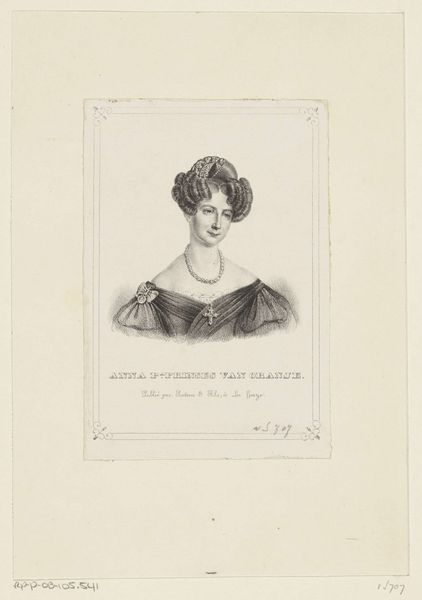
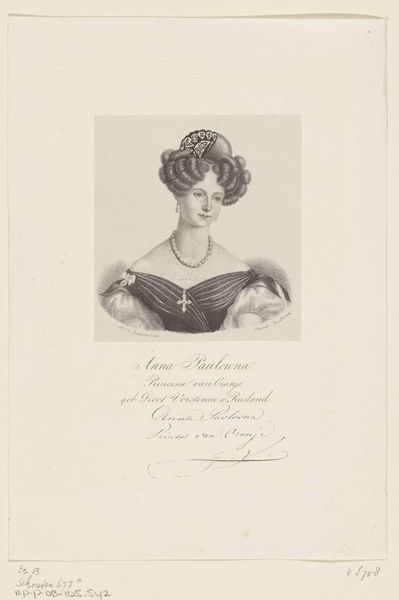
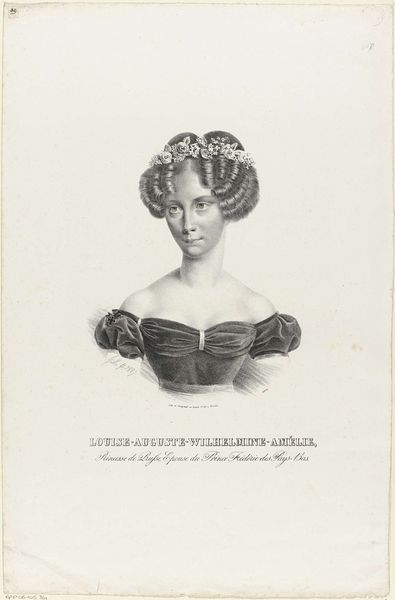
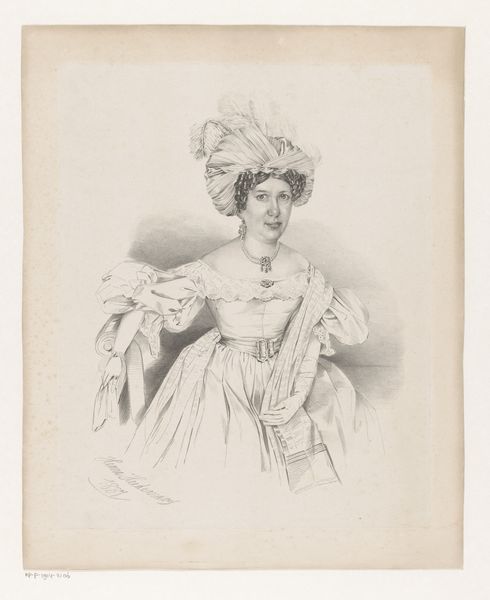
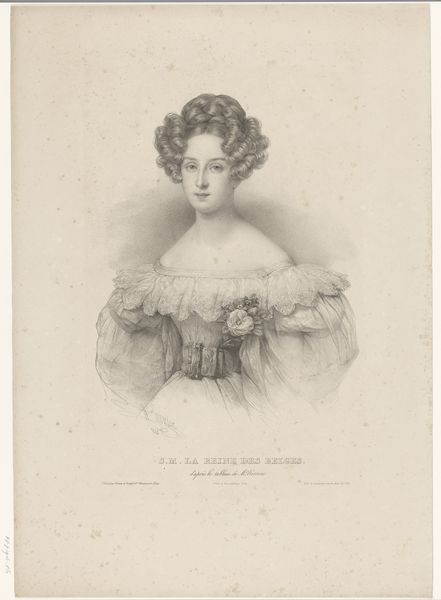
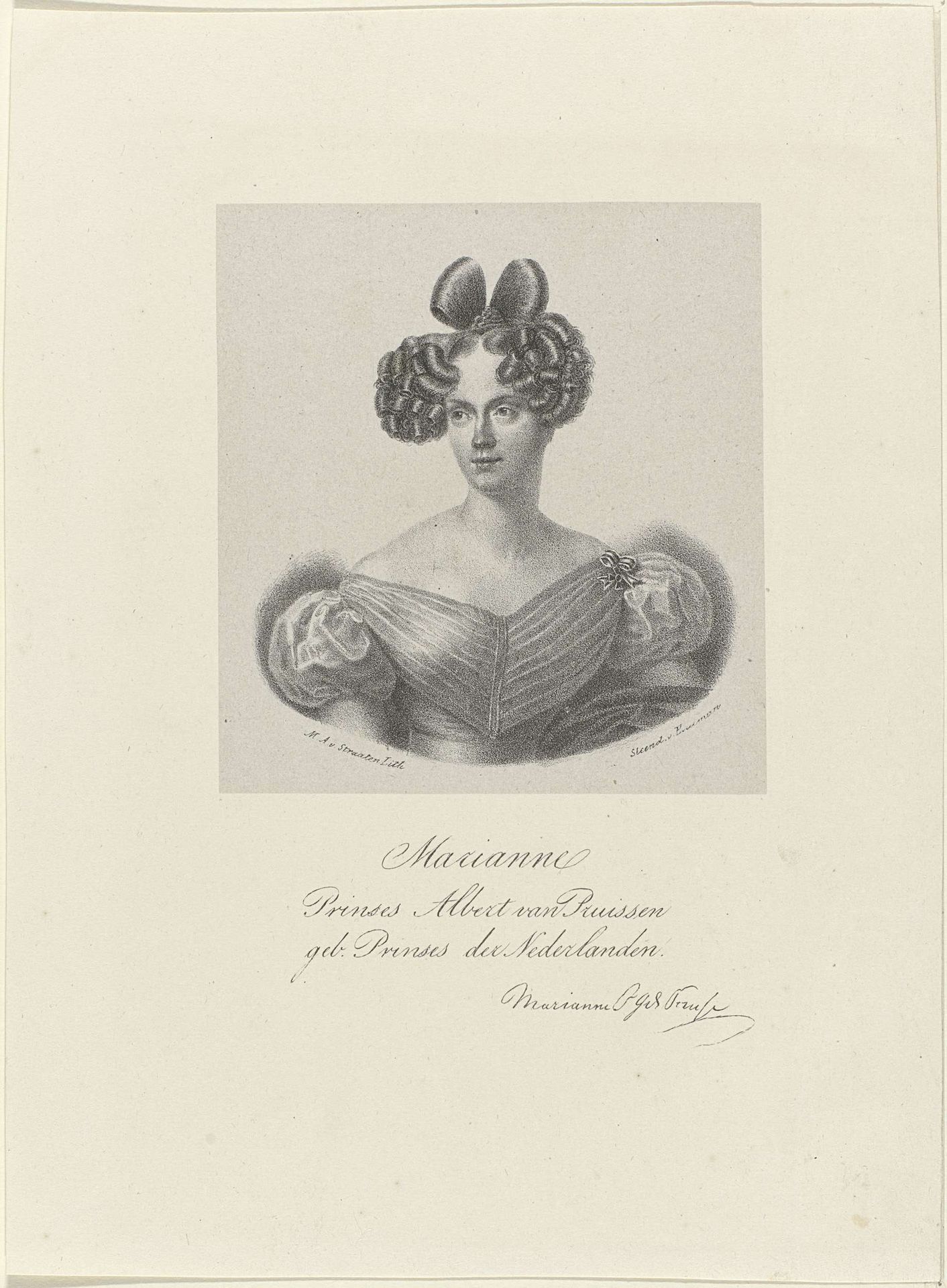
Marinus Adrianus van Straten captured Marianne, Princess of the Netherlands, in this delicate print. Observe the stylized flower on her chest. This motif, seemingly simple, echoes through the ages. The flower, a symbol of beauty and ephemerality, finds its roots in ancient Greek and Roman art, often associated with goddesses of spring and love. Yet, its form shifts across time. Consider Botticelli's "Primavera," where flowers are scattered, wild and free, emblems of fertility. Here, in this portrait, the single flower is tamed, refined, a jewel denoting status and cultivated beauty. This transformation speaks to our collective memory, the way symbols are reinterpreted to fit societal narratives. Just as the ancient Greeks used flowers to honor gods, we continue to imbue them with meaning, reflecting our evolving values. The flower's journey from a wild bloom to a polished gem reveals the enduring power of symbols to resonate with our subconscious desires and anxieties.
Portret van Marianne, prinses der Nederlanden
c. 1830 - 1845

Marinus Adrianus van Straten
1808 - 1863Location
RijksmuseumArtwork details
- Medium
- drawing, graphite
- Dimensions
- height 243 mm, width 179 mm
- Location
- Rijksmuseum
- Copyright
- Rijks Museum: Open Domain
Tags
Comments
Share your thoughts
About this artwork
Marinus Adrianus van Straten captured Marianne, Princess of the Netherlands, in this delicate print. Observe the stylized flower on her chest. This motif, seemingly simple, echoes through the ages. The flower, a symbol of beauty and ephemerality, finds its roots in ancient Greek and Roman art, often associated with goddesses of spring and love. Yet, its form shifts across time. Consider Botticelli's "Primavera," where flowers are scattered, wild and free, emblems of fertility. Here, in this portrait, the single flower is tamed, refined, a jewel denoting status and cultivated beauty. This transformation speaks to our collective memory, the way symbols are reinterpreted to fit societal narratives. Just as the ancient Greeks used flowers to honor gods, we continue to imbue them with meaning, reflecting our evolving values. The flower's journey from a wild bloom to a polished gem reveals the enduring power of symbols to resonate with our subconscious desires and anxieties.
Comments
Share your thoughts