About this artwork
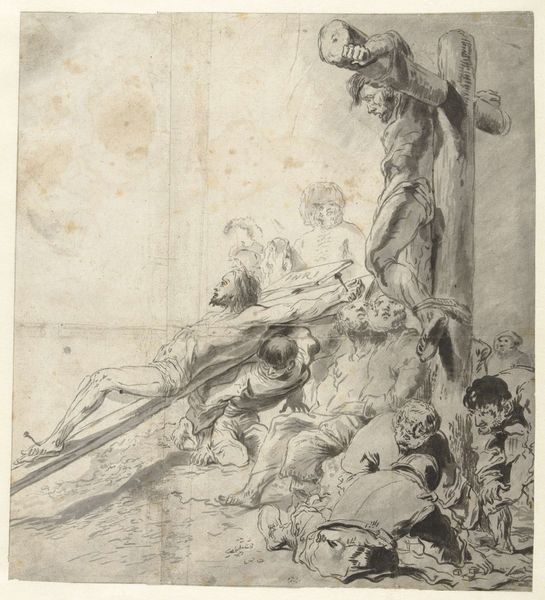
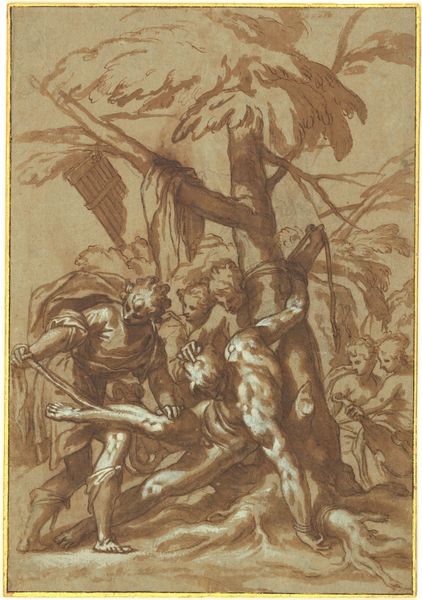
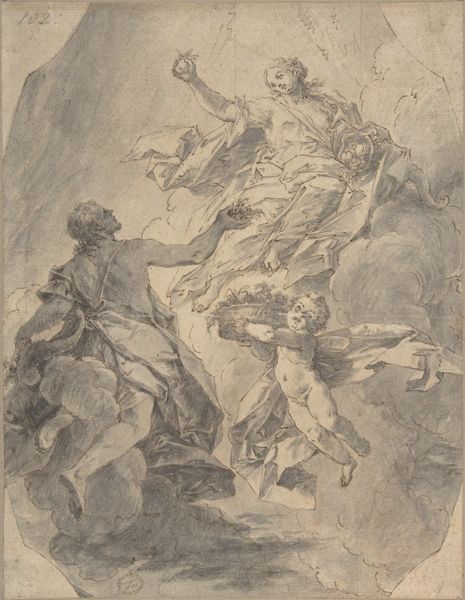
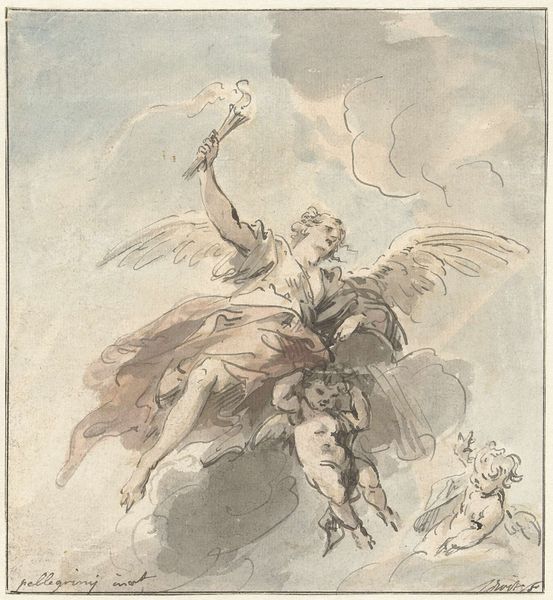
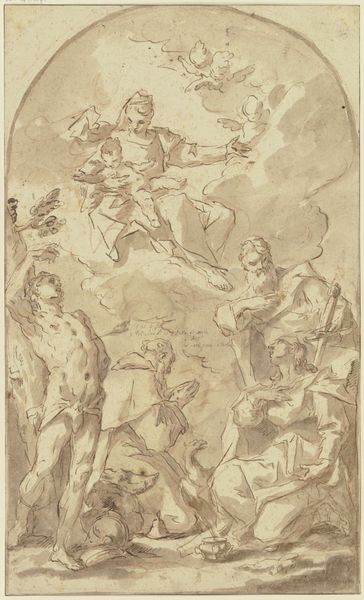
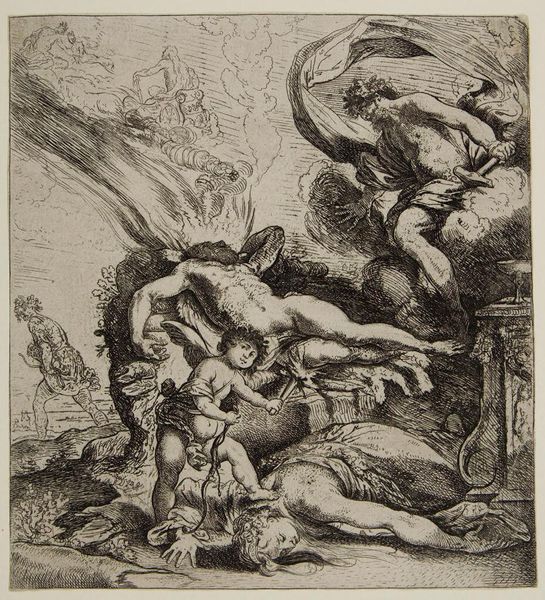
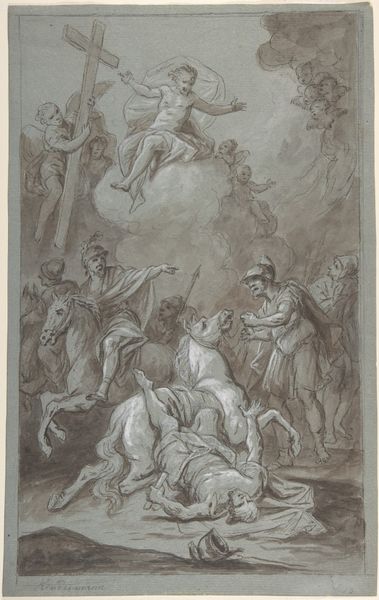
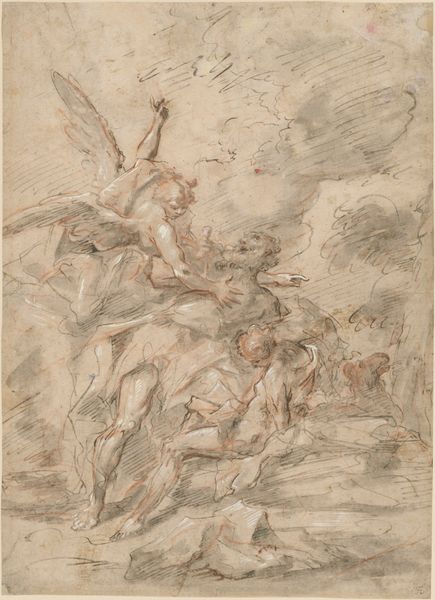
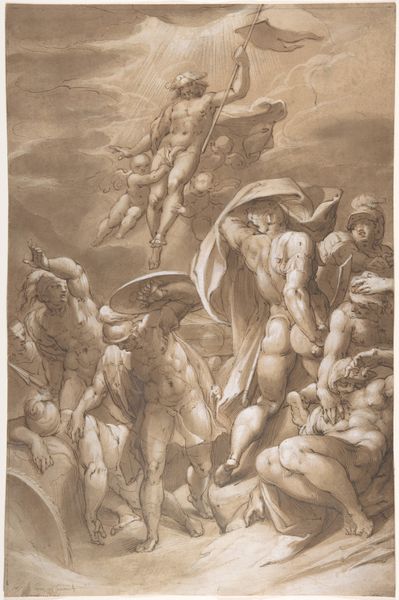
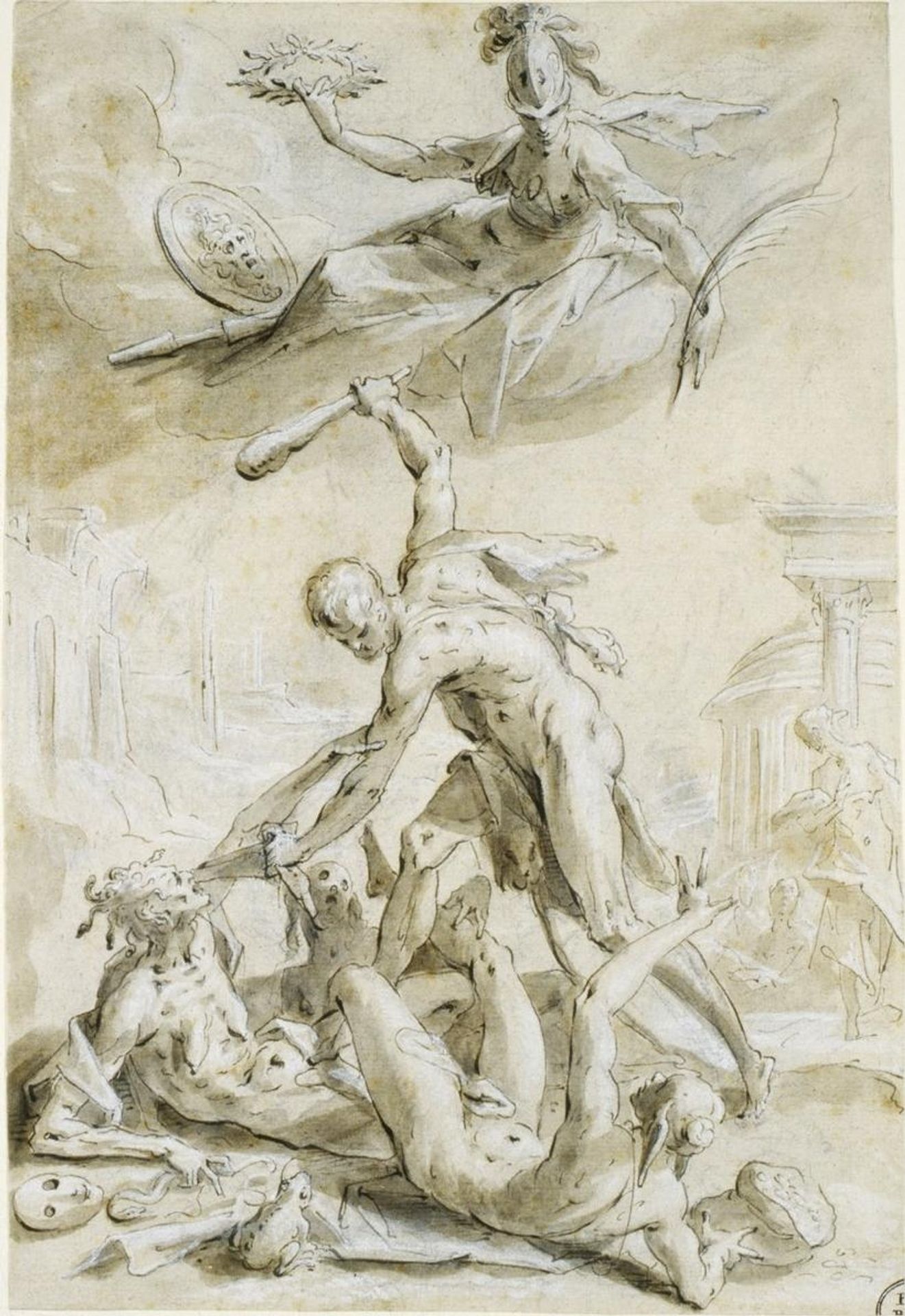
Hans von Aachen made this drawing of Hercules defeating the vices using pen and ink, with a wash of neutral tones to create shadows and depth. The artist has employed traditional techniques of draftsmanship to convey a complex scene. The drawing is made up of sinuous lines, which reveal the artist's hand and the dynamic energy of the composition. Washes of diluted ink add volume and drama, highlighting Hercules' muscular form as he battles the writhing vices. The whiteness of the paper plays a crucial role, creating highlights and emphasizing the contrast between light and shadow. This piece required careful control, and skilled labor; the artist's mastery of the medium is evident in the confident strokes and nuanced shading. The classical subject matter underscores the enduring relevance of artistic traditions. It's a reminder that even in the age of mechanical reproduction, the handmade object retains its unique value.

Artwork details
- Medium
- drawing, charcoal
- Copyright
- Public domain
Tags
drawing
allegory
charcoal drawing
figuration
11_renaissance
oil painting
mythology
charcoal
history-painting
Comments
Be the first to share your thoughts about this work.
About this artwork
Hans von Aachen made this drawing of Hercules defeating the vices using pen and ink, with a wash of neutral tones to create shadows and depth. The artist has employed traditional techniques of draftsmanship to convey a complex scene. The drawing is made up of sinuous lines, which reveal the artist's hand and the dynamic energy of the composition. Washes of diluted ink add volume and drama, highlighting Hercules' muscular form as he battles the writhing vices. The whiteness of the paper plays a crucial role, creating highlights and emphasizing the contrast between light and shadow. This piece required careful control, and skilled labor; the artist's mastery of the medium is evident in the confident strokes and nuanced shading. The classical subject matter underscores the enduring relevance of artistic traditions. It's a reminder that even in the age of mechanical reproduction, the handmade object retains its unique value.
Comments
Be the first to share your thoughts about this work.