About this artwork
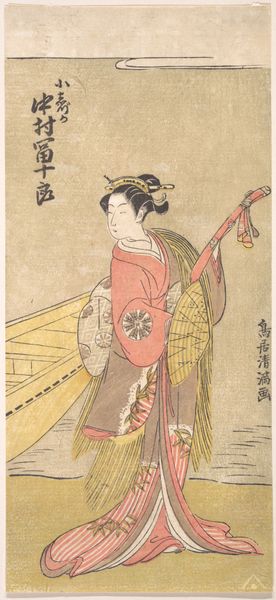
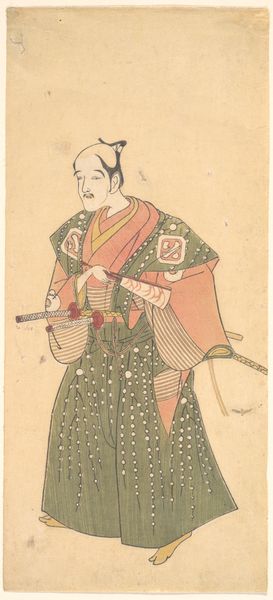
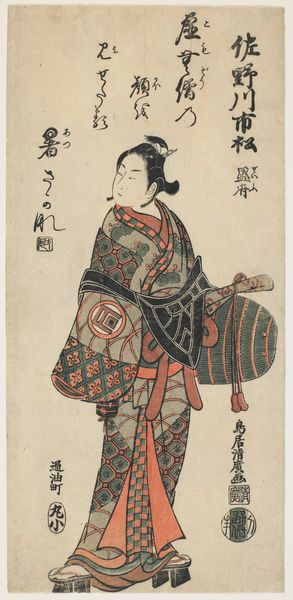
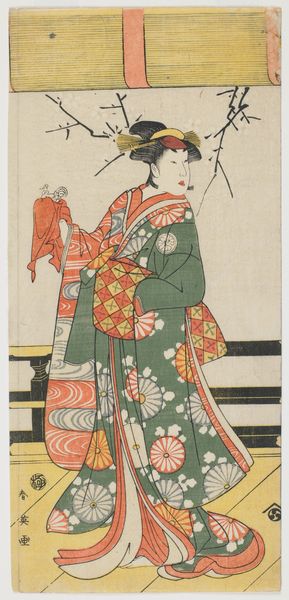
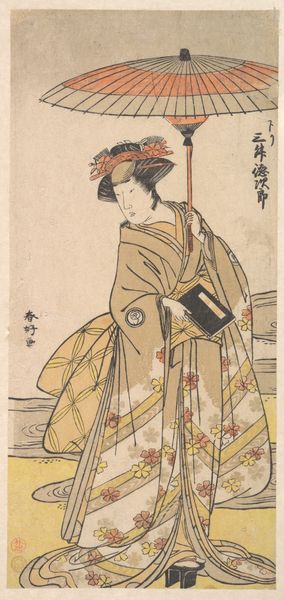
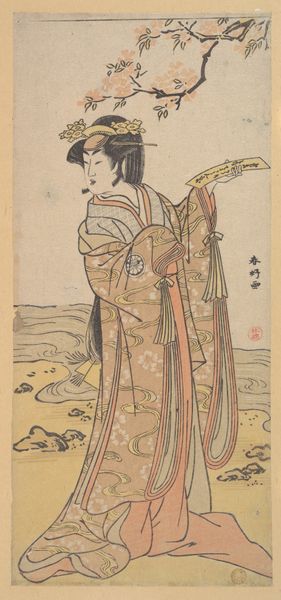
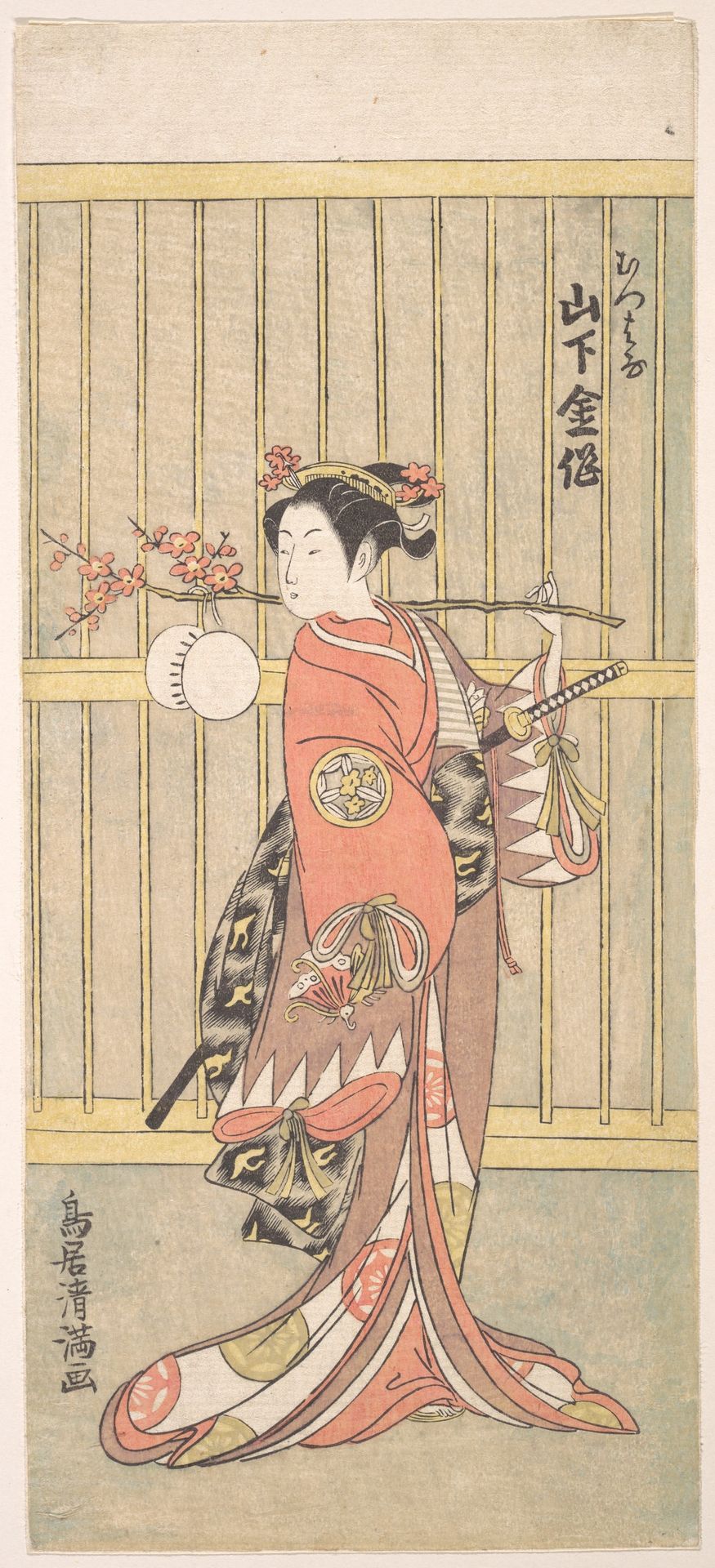
Torii Kiyomitsu made this woodblock print of the actor Yamashita Kinsaku in the role of Mutsuhana in Japan sometime before 1785. Japanese woodblock prints of this period were closely tied to the Kabuki theater. They served as publicity for the actors, who were among the most famous celebrities of their day. Prints like this one, known as *yakusha-e*, helped to cement an actor's reputation by disseminating his image and linking it to the roles for which he was best known. *Yakusha-e* prints catered to a public interested in the licensed pleasure quarters and the latest fashions. The exaggerated gestures and poses found in these prints helped the public to recognize the actors. In turn, they learned about the latest plays. Historians consult playbills, diaries and other ephemera to better understand the significance of prints such as this one. The meaning of art is contingent on social and institutional context.
The Actor Yamashita Kinsaku in the Role of Mutsuhana
1767 - 1777


Artwork details
- Medium
- print, woodblock-print
- Dimensions
- 12 1/4 × 5 1/2 in. (31.1 × 14 cm)
- Location
- Metropolitan Museum of Art, New York, NY
- Copyright
- Public Domain
Tags
portrait
asian-art
ukiyo-e
figuration
woodblock-print
genre-painting
Comments
Be the first to share your thoughts about this work.
About this artwork
Torii Kiyomitsu made this woodblock print of the actor Yamashita Kinsaku in the role of Mutsuhana in Japan sometime before 1785. Japanese woodblock prints of this period were closely tied to the Kabuki theater. They served as publicity for the actors, who were among the most famous celebrities of their day. Prints like this one, known as *yakusha-e*, helped to cement an actor's reputation by disseminating his image and linking it to the roles for which he was best known. *Yakusha-e* prints catered to a public interested in the licensed pleasure quarters and the latest fashions. The exaggerated gestures and poses found in these prints helped the public to recognize the actors. In turn, they learned about the latest plays. Historians consult playbills, diaries and other ephemera to better understand the significance of prints such as this one. The meaning of art is contingent on social and institutional context.
Comments
Be the first to share your thoughts about this work.