About this artwork
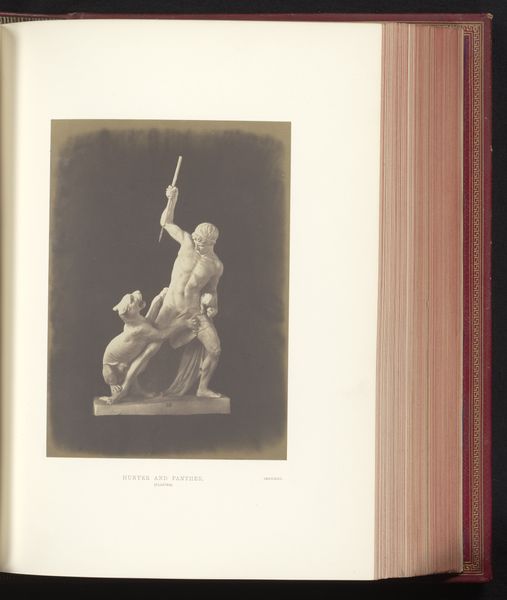
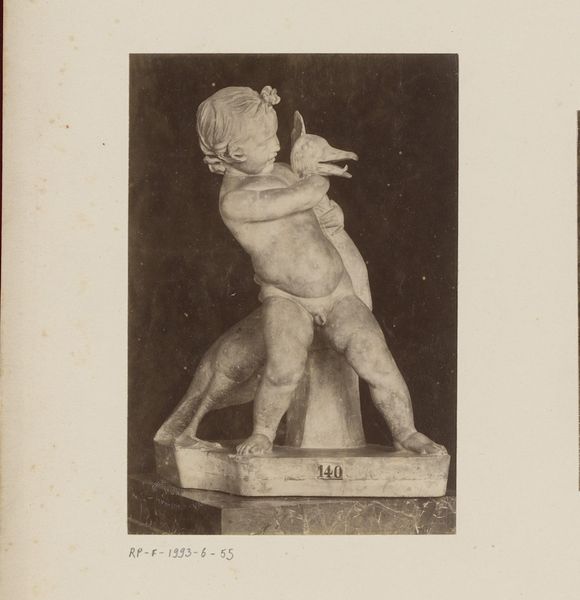
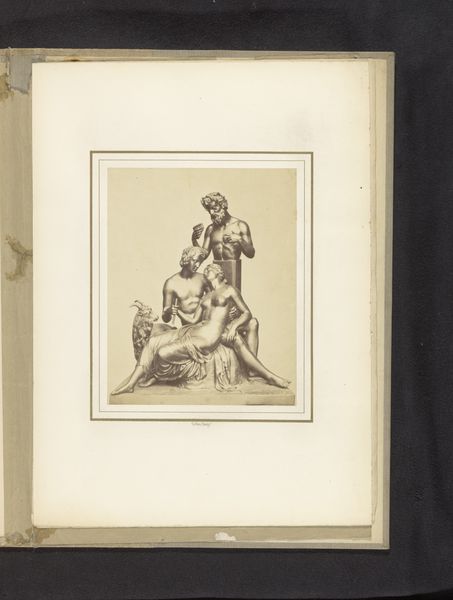
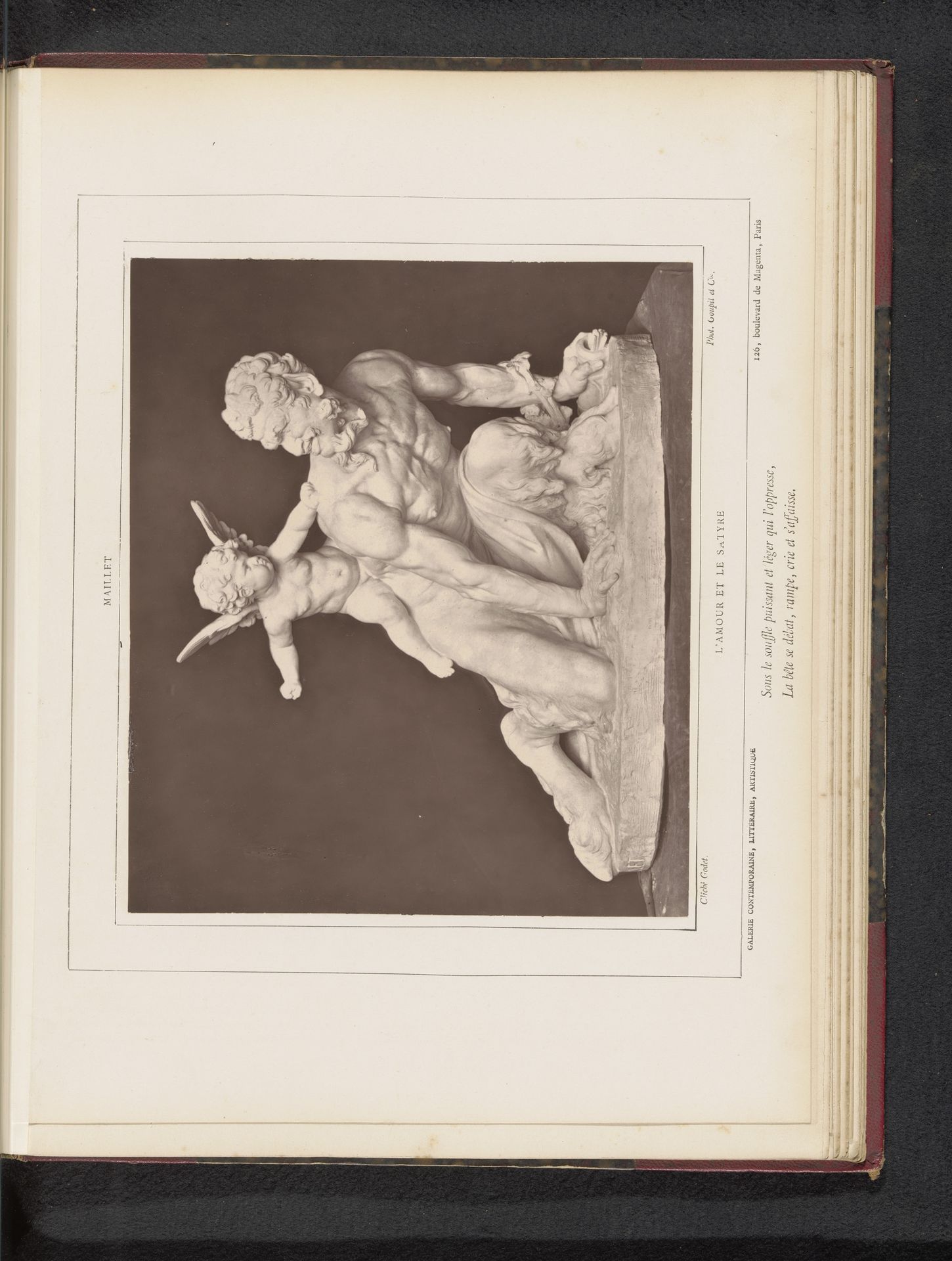
This sculpture, by Jacques-Léonard Maillet, features Cupid wrestling a satyr, a clash of innocence and wild desire, set against a stone relief portraying a sleeping figure. Observe the visual tension; the satyr, a figure of untamed nature and lust, is restrained by Cupid, the god of love. This motif echoes through art history, resurfacing in Renaissance paintings where similar struggles embody the conflict between reason and primal instinct. The satyr, with its roots in Dionysian revelry, appears throughout the ages, sometimes as a symbol of fertility, other times as a darker representation of human urges. Consider how the figure of Cupid himself transforms—from a symbol of divine love to a mischievous imp. The sleeping figure in the stone relief adds another layer, suggesting dreams and the subconscious. The sculpture speaks to our collective memory, engaging us with timeless themes of control, desire, and the human psyche.
Sculptuur l'Amour et le satyre door Jacques-Léonard Maillet before 1876

Artwork details
- Medium
- sculpture, marble
- Dimensions
- height 179 mm, width 210 mm
- Copyright
- Rijks Museum: Open Domain
Tags
neoclassicism
classical-realism
figuration
sculpture
marble
Comments
No comments
About this artwork
This sculpture, by Jacques-Léonard Maillet, features Cupid wrestling a satyr, a clash of innocence and wild desire, set against a stone relief portraying a sleeping figure. Observe the visual tension; the satyr, a figure of untamed nature and lust, is restrained by Cupid, the god of love. This motif echoes through art history, resurfacing in Renaissance paintings where similar struggles embody the conflict between reason and primal instinct. The satyr, with its roots in Dionysian revelry, appears throughout the ages, sometimes as a symbol of fertility, other times as a darker representation of human urges. Consider how the figure of Cupid himself transforms—from a symbol of divine love to a mischievous imp. The sleeping figure in the stone relief adds another layer, suggesting dreams and the subconscious. The sculpture speaks to our collective memory, engaging us with timeless themes of control, desire, and the human psyche.
Comments
No comments