About this artwork
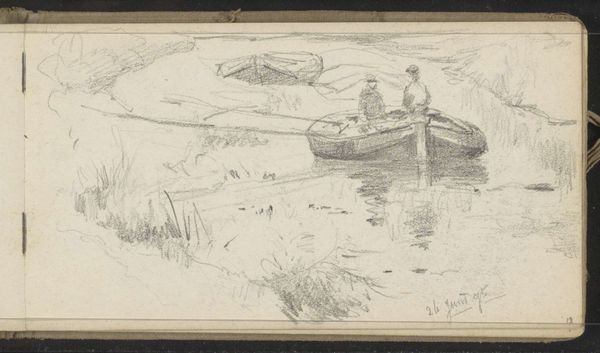
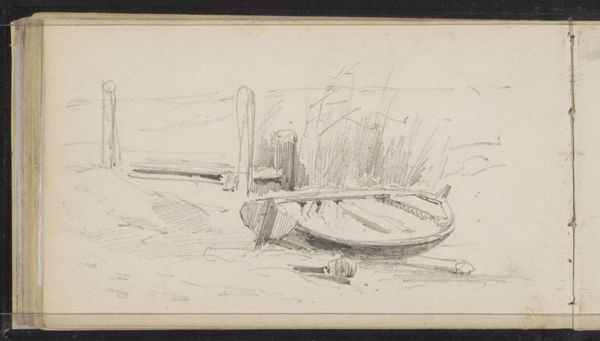
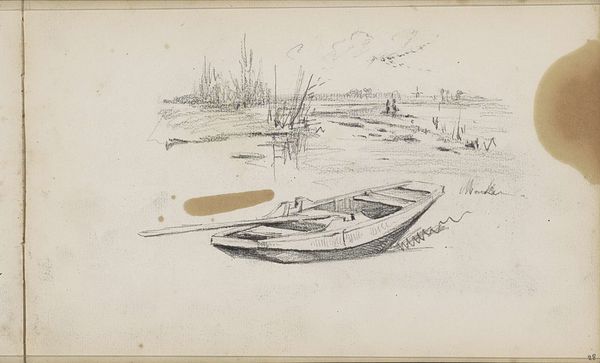
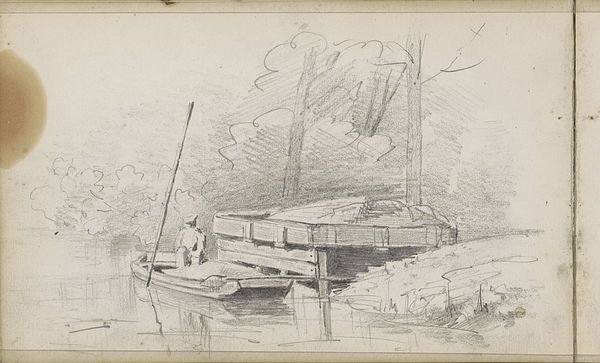
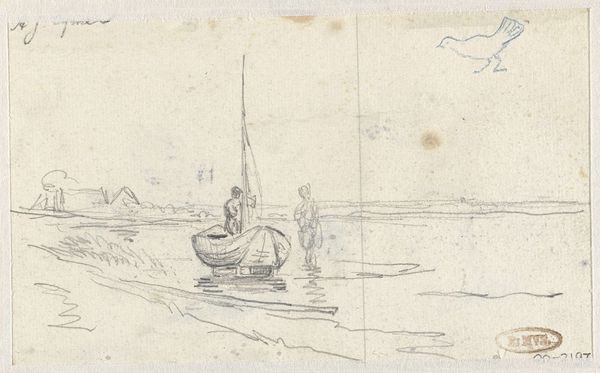
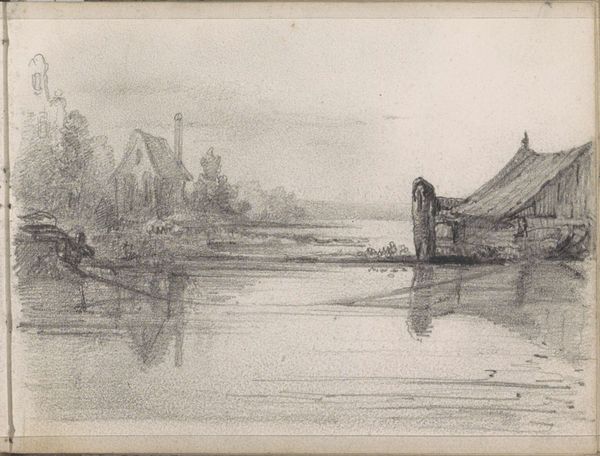
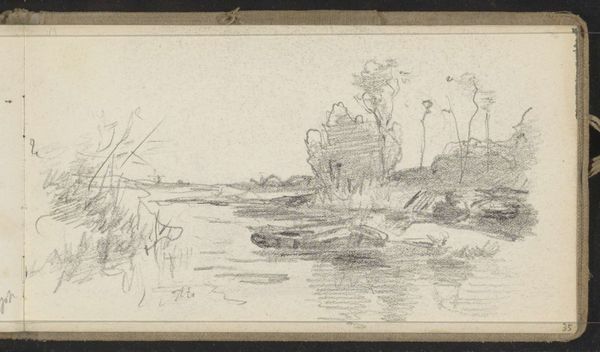
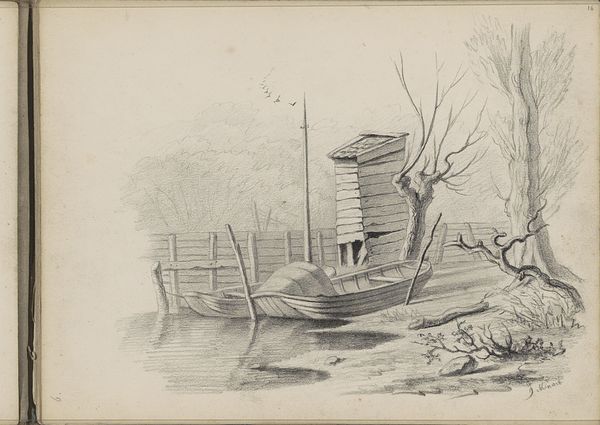
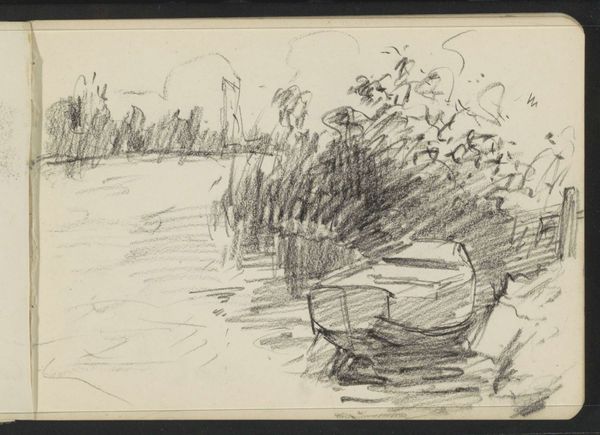
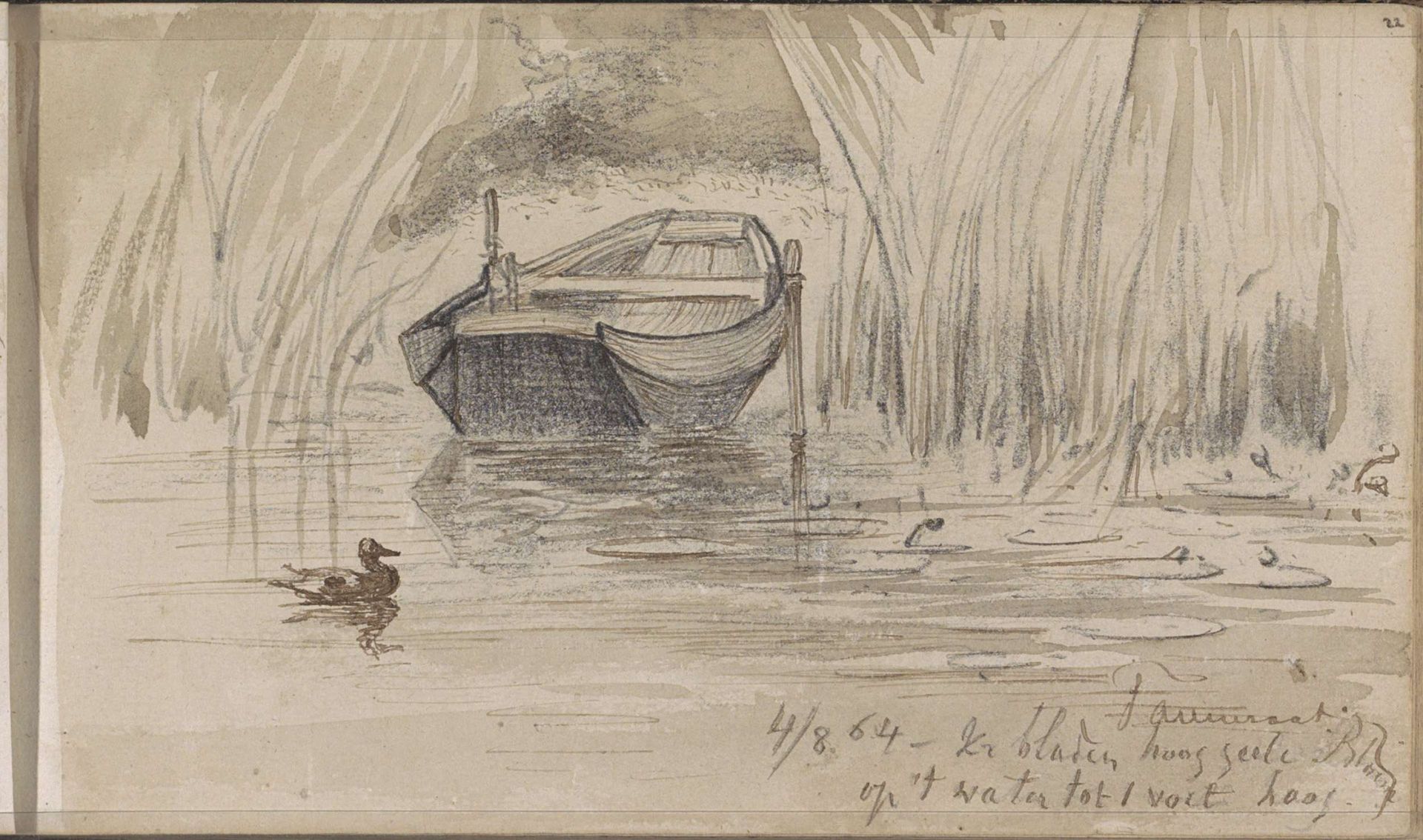
Johannes Tavenraat made this pen and ink drawing of a rowboat among the reeds on the waterfront, sometime in the 19th century. During Tavenraat’s life, the Netherlands was undergoing significant transformation, grappling with its identity as a nation. The rise of the Romantic movement influenced artists to turn to the local landscape for inspiration, and you can certainly see that here. But consider the cultural context: this is a male artist, likely painting in solitude, finding solace and inspiration in the quiet stillness of nature. The detailed rendering of the boat and the surrounding reeds offers a serene, almost meditative quality. Yet, how might our understanding shift if viewed through the lens of labor and leisure, considering who had access to such tranquil escapes? Whose labor enabled such leisure? What does it mean to partake in these spaces? The drawing acts as both a reflection of its time, and an invitation to reflect on our own relationship with nature, leisure, and the unseen forces that shape our experiences.
Roeiboot tussen het riet aan de waterkant
1864 - 1868

Johannes Tavenraat
1809 - 1881Location
RijksmuseumArtwork details
- Location
- Rijksmuseum
- Copyright
- Rijks Museum: Open Domain
Comments
Share your thoughts
About this artwork
Johannes Tavenraat made this pen and ink drawing of a rowboat among the reeds on the waterfront, sometime in the 19th century. During Tavenraat’s life, the Netherlands was undergoing significant transformation, grappling with its identity as a nation. The rise of the Romantic movement influenced artists to turn to the local landscape for inspiration, and you can certainly see that here. But consider the cultural context: this is a male artist, likely painting in solitude, finding solace and inspiration in the quiet stillness of nature. The detailed rendering of the boat and the surrounding reeds offers a serene, almost meditative quality. Yet, how might our understanding shift if viewed through the lens of labor and leisure, considering who had access to such tranquil escapes? Whose labor enabled such leisure? What does it mean to partake in these spaces? The drawing acts as both a reflection of its time, and an invitation to reflect on our own relationship with nature, leisure, and the unseen forces that shape our experiences.
Comments
Share your thoughts