About this artwork
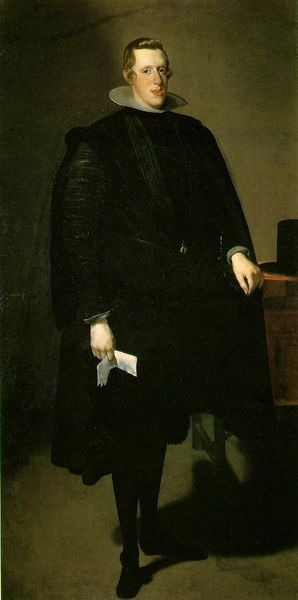
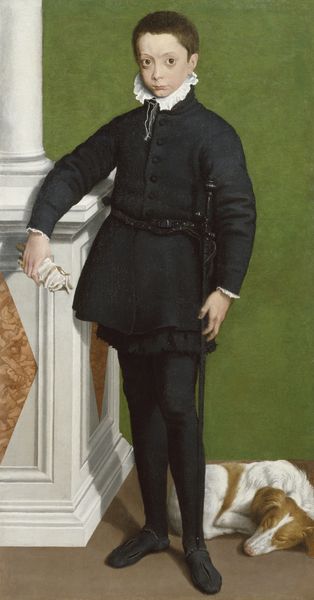
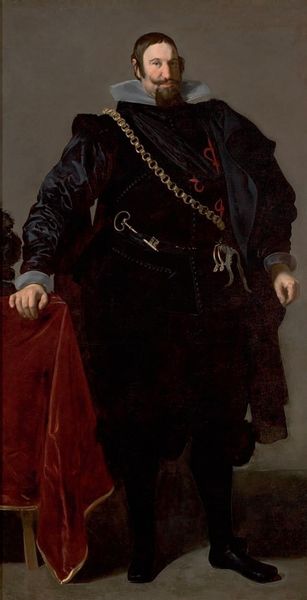
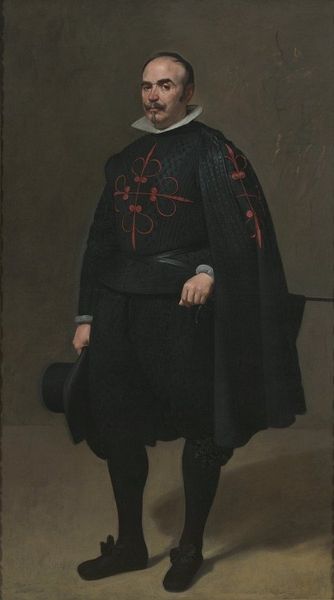
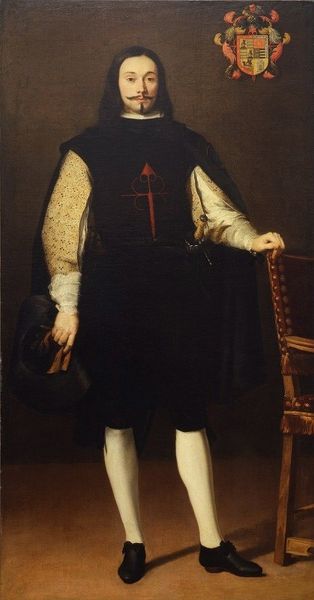
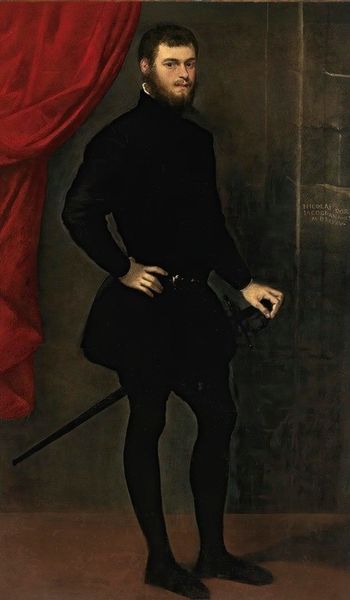
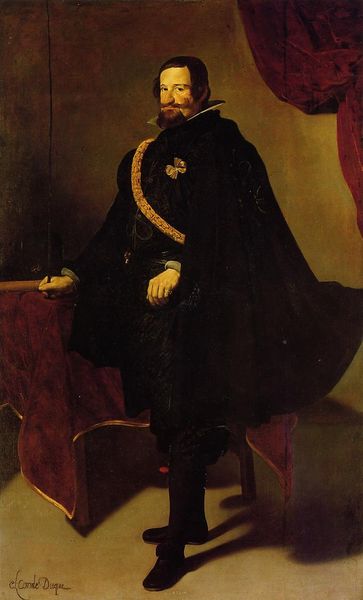
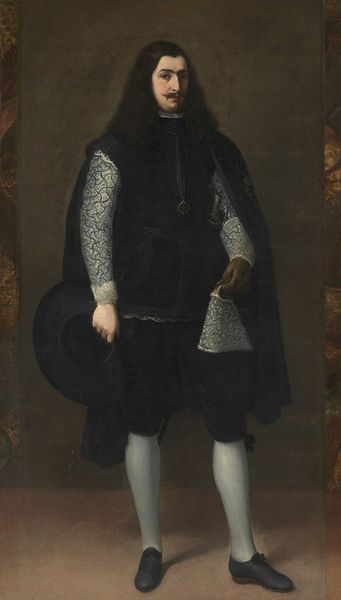
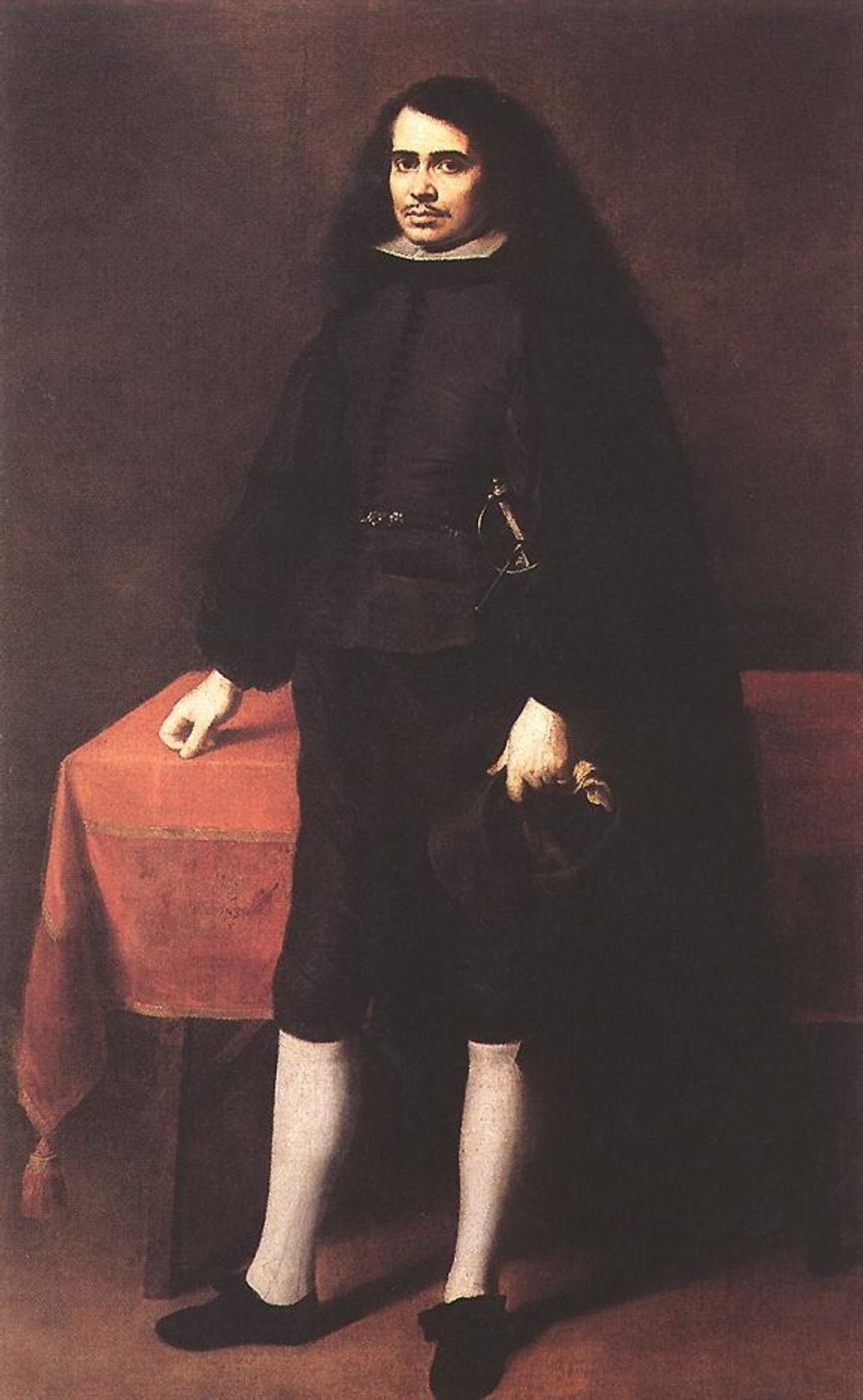
This portrait was painted by Bartolomé Estebán Murillo, and currently hangs in the Museo del Prado. Here, the gentleman’s ruff collar, a symbol of status, constricts yet elevates. Consider the sword. Here, it's a clear emblem of power and nobility, yet its meaning is more deeply rooted. We see echoes of the Roman gladius, a short sword representing military might, as well as the ceremonial swords of medieval knights, symbolizing honor and duty. The sword in this portrait, while a clear marker of nobility, is also a psychological symbol of assertion and readiness, an almost subconscious display of the sitter's place in society. These symbols are not static; they evolve. What was once a practical tool of war becomes a statement of identity. The progression from the battlefield to the portrait hall is a visual history of power, continually reshaped by collective memory and cultural context. This portrait serves as a powerful connection to the past.
Portrait of a gentleman in a ruff collar
1670

Bartolomé Estebán Murillo
1617 - 1682Location
Museo del Prado, Madrid, SpainArtwork details
- Medium
- painting, oil-paint
- Dimensions
- 198 x 127 cm
- Location
- Museo del Prado, Madrid, Spain
- Copyright
- Public domain
Tags
Comments
Share your thoughts
About this artwork
This portrait was painted by Bartolomé Estebán Murillo, and currently hangs in the Museo del Prado. Here, the gentleman’s ruff collar, a symbol of status, constricts yet elevates. Consider the sword. Here, it's a clear emblem of power and nobility, yet its meaning is more deeply rooted. We see echoes of the Roman gladius, a short sword representing military might, as well as the ceremonial swords of medieval knights, symbolizing honor and duty. The sword in this portrait, while a clear marker of nobility, is also a psychological symbol of assertion and readiness, an almost subconscious display of the sitter's place in society. These symbols are not static; they evolve. What was once a practical tool of war becomes a statement of identity. The progression from the battlefield to the portrait hall is a visual history of power, continually reshaped by collective memory and cultural context. This portrait serves as a powerful connection to the past.
Comments
Share your thoughts