About this artwork
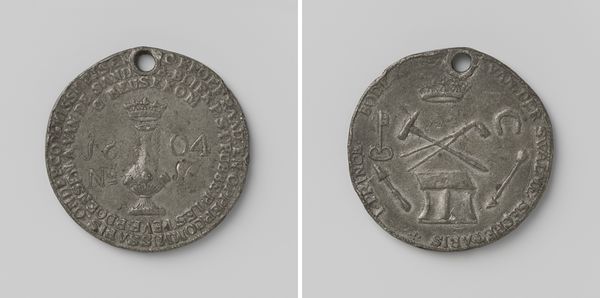
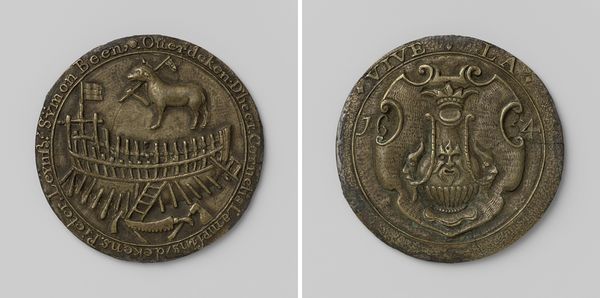
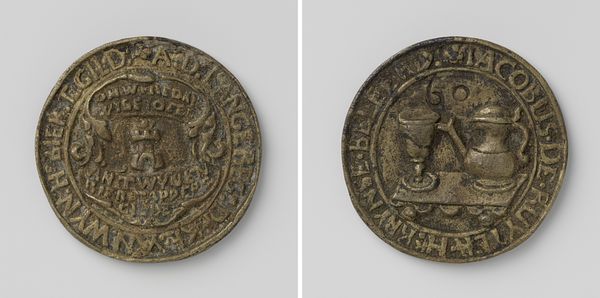
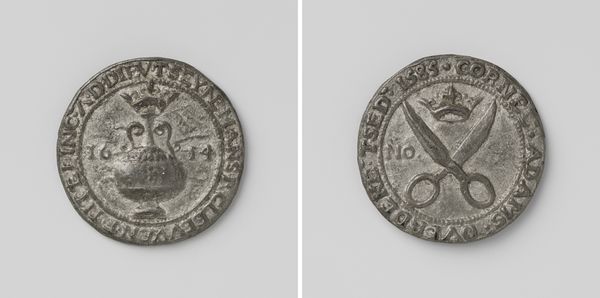
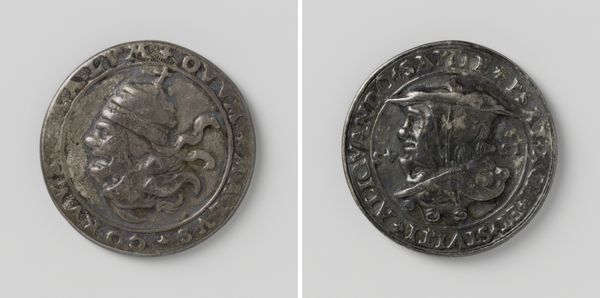
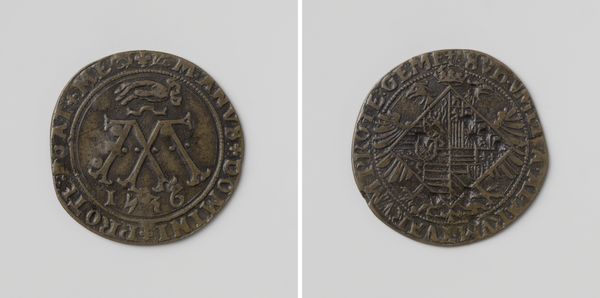
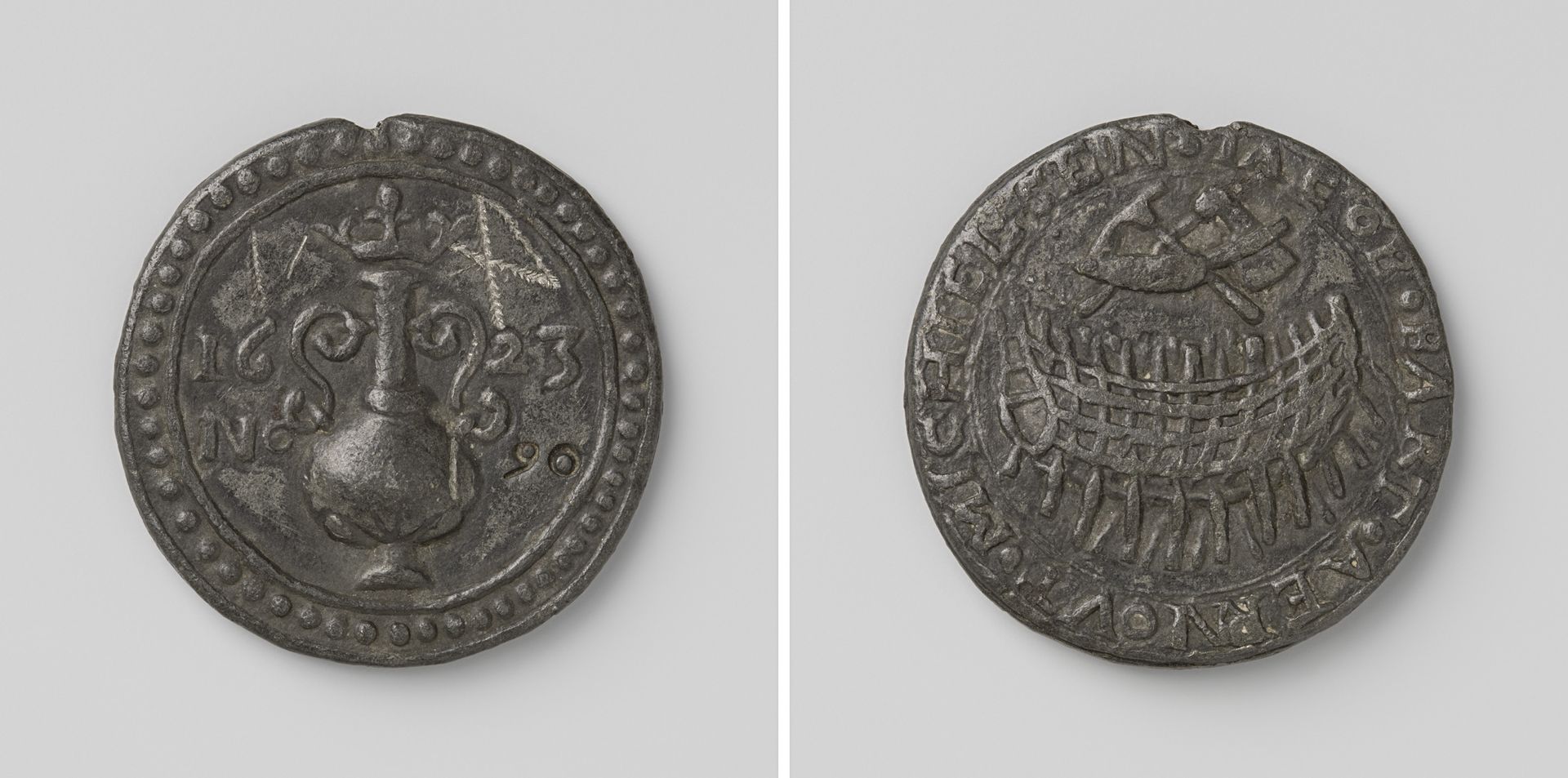
This is a silver guild badge made in Vlissingen, likely in the 17th century. It was cast in two parts, with the image on each side created in the negative in a mold, then brought together to create this small, solid disc. The choice of silver is significant. It’s a valuable material, appropriate to an organization that oversaw the creation of oceangoing vessels, complex pieces of technology that literally brought the world together. Look closely at the images: on one side, a shipbuilding scene; on the other, a ewer, number ‘1’, and the date 1623. This wasn’t just a pretty trinket. Badges like this were a form of currency, proof that its holder was a paid-up member of the guild. In other words, a union card. It’s a reminder that even seemingly decorative objects can have very real economic power and symbolic value. Appreciating its material helps us understand that.

Artwork details
- Medium
- metal, relief
- Dimensions
- diameter 3.5 cm, weight 17.77 gr
- Copyright
- Rijks Museum: Open Domain
Tags
Comments
Share your thoughts
About this artwork
This is a silver guild badge made in Vlissingen, likely in the 17th century. It was cast in two parts, with the image on each side created in the negative in a mold, then brought together to create this small, solid disc. The choice of silver is significant. It’s a valuable material, appropriate to an organization that oversaw the creation of oceangoing vessels, complex pieces of technology that literally brought the world together. Look closely at the images: on one side, a shipbuilding scene; on the other, a ewer, number ‘1’, and the date 1623. This wasn’t just a pretty trinket. Badges like this were a form of currency, proof that its holder was a paid-up member of the guild. In other words, a union card. It’s a reminder that even seemingly decorative objects can have very real economic power and symbolic value. Appreciating its material helps us understand that.
Comments
Share your thoughts