1748 - 1806
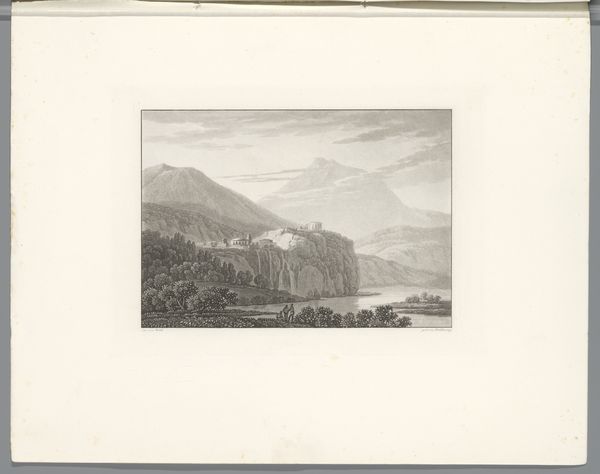
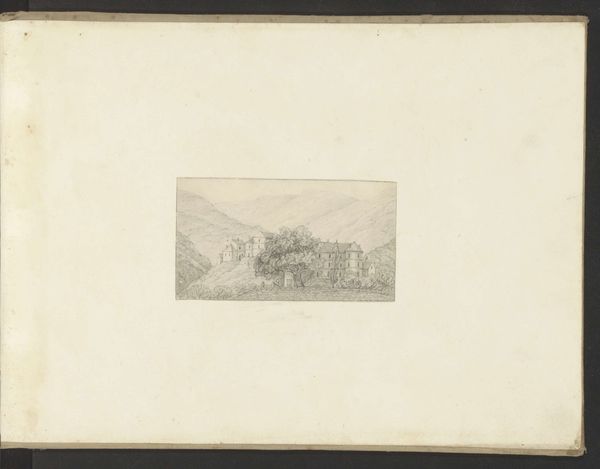
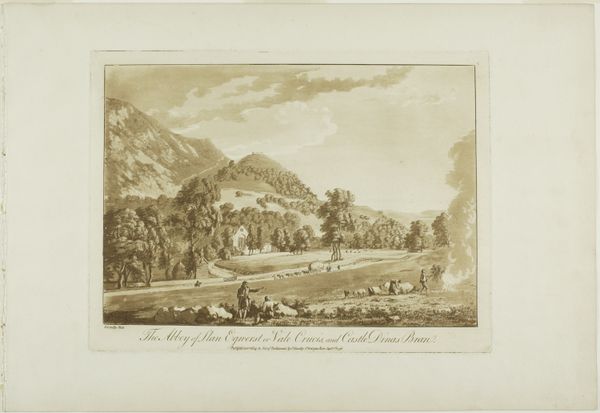
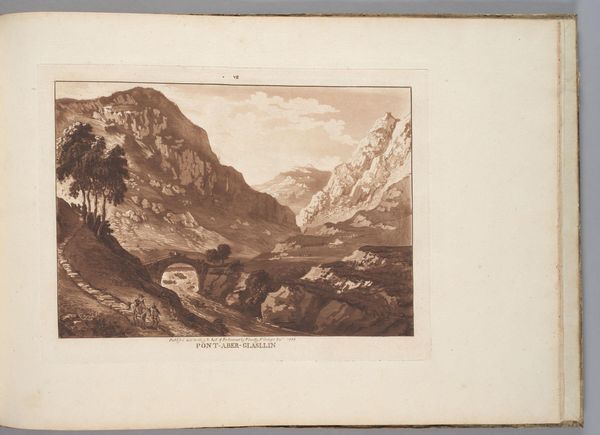
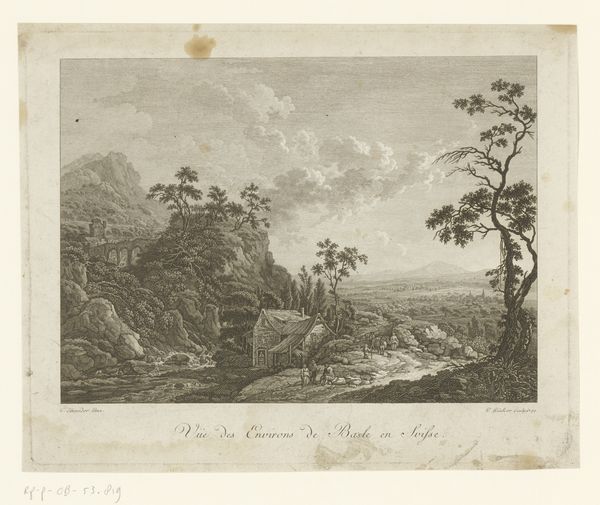
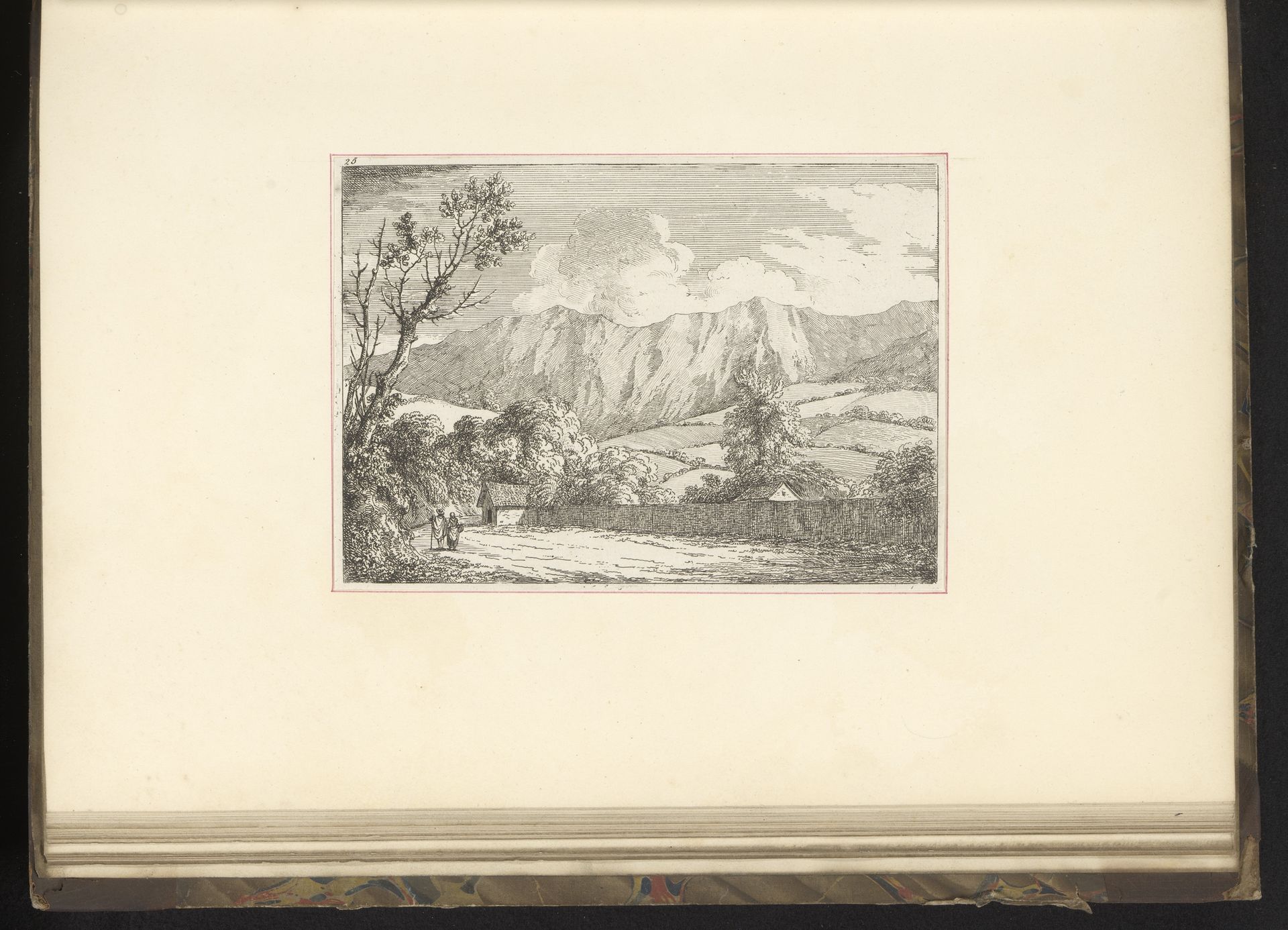
Heuvellandschap met wandelaars en een stadsmuur

Edward Edwards
1738 - 1806Location
RijksmuseumListen to curator's interpretation
Curatorial notes
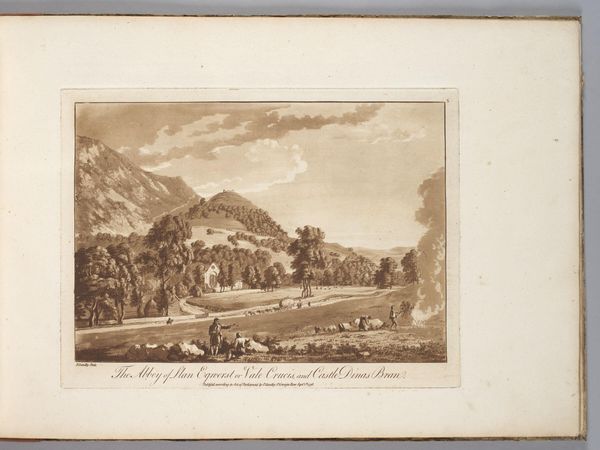
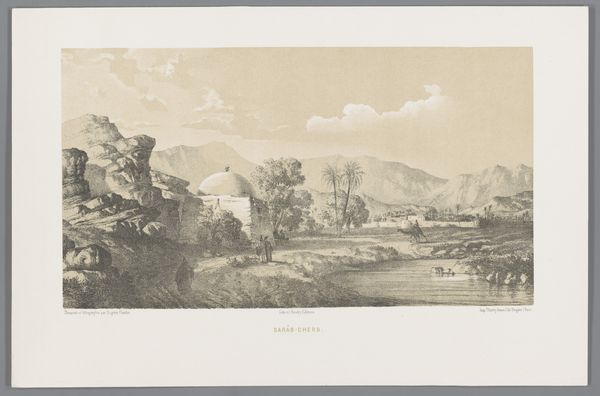
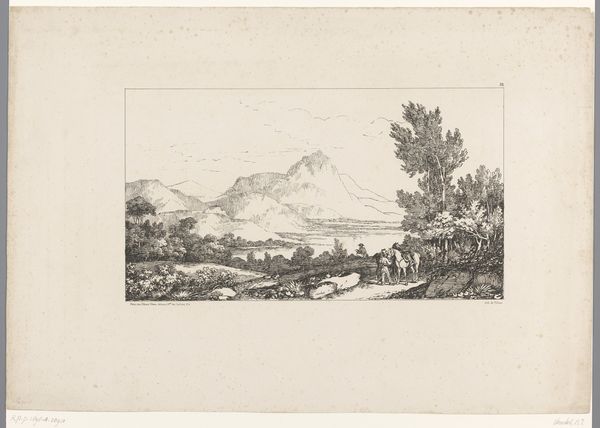
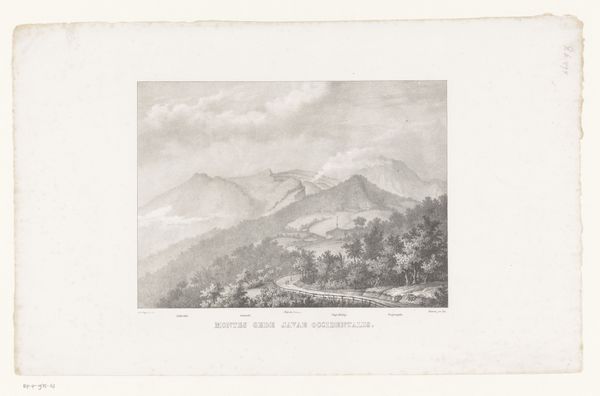
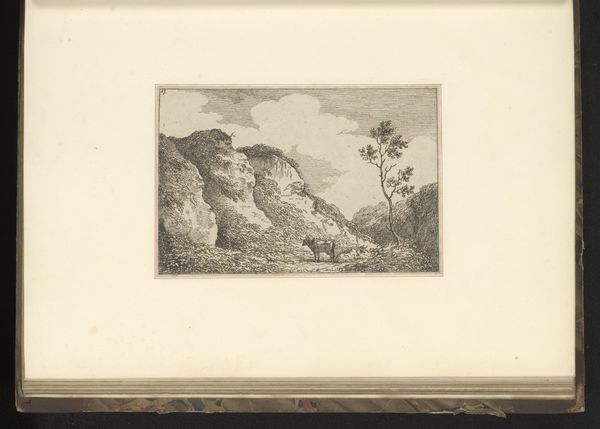
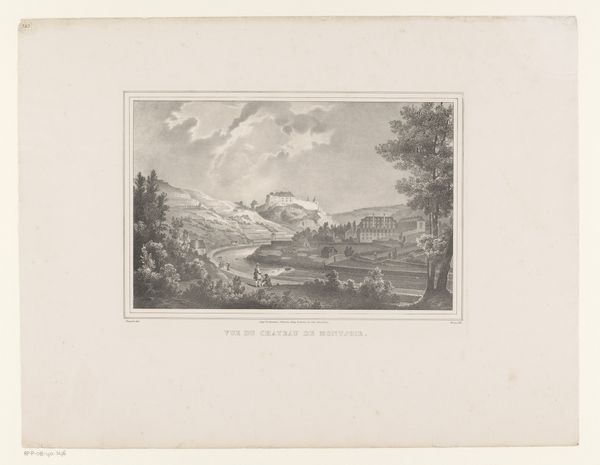
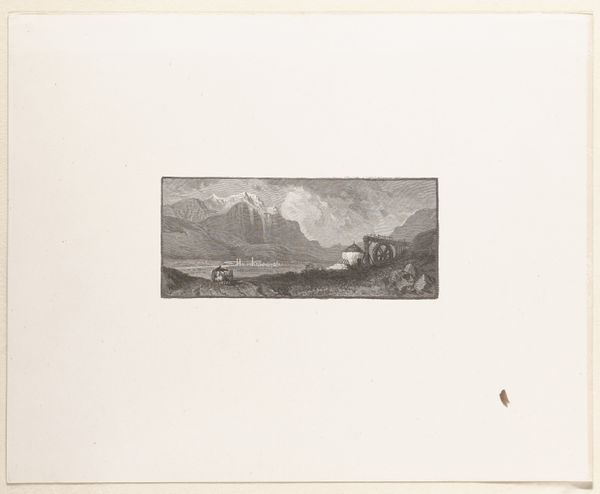
Edward Edwards created this tiny landscape with etching, likely sometime in the late 18th century. It presents us with a picturesque scene of travellers outside a walled town, the mountains looming behind. Now, the picturesque was a popular aesthetic ideal at this time, especially in Britain, where Edwards worked. It valued a kind of softened, cultivated version of the sublime, something that could be enjoyed as a spectacle. Think of it as a tamed version of Romanticism. Landscape prints like these were a way to take possession of such scenery. They brought the outside in, but also shaped a particular way of seeing for those who would venture out to admire similar views. As historians, we can look into the illustrated books and travel guides of the period to see how this picturesque aesthetic was promoted. It shaped not just art, but tourism and national identity itself. The meaning of art, we see, is always contingent on its social context.