About this artwork
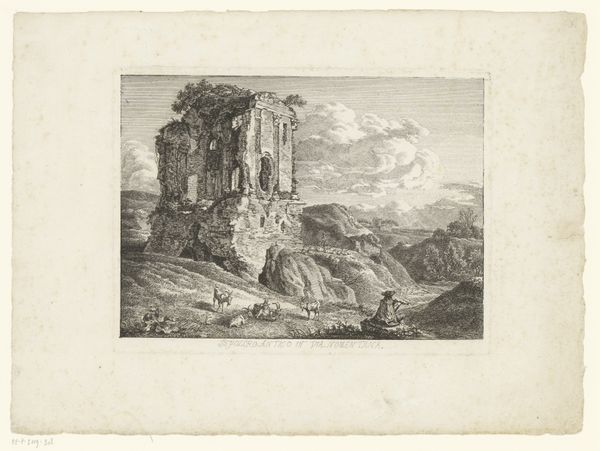
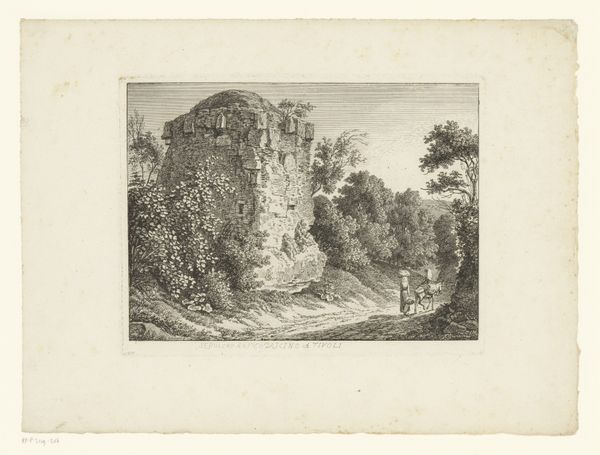
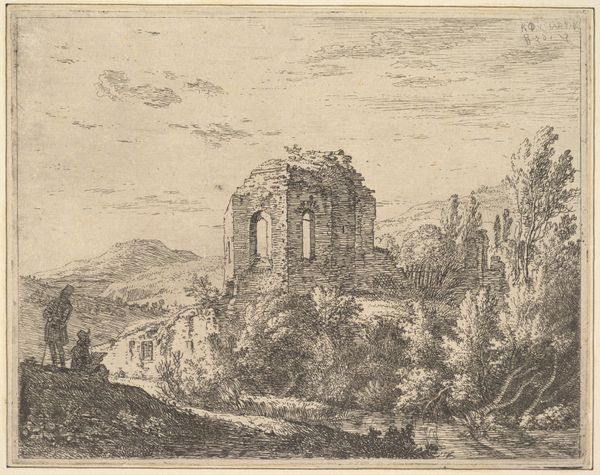
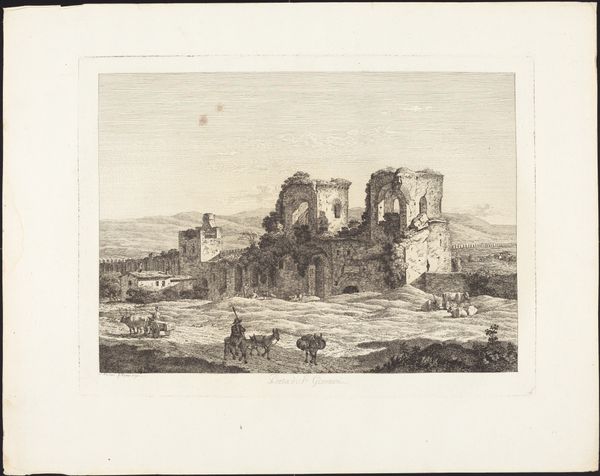
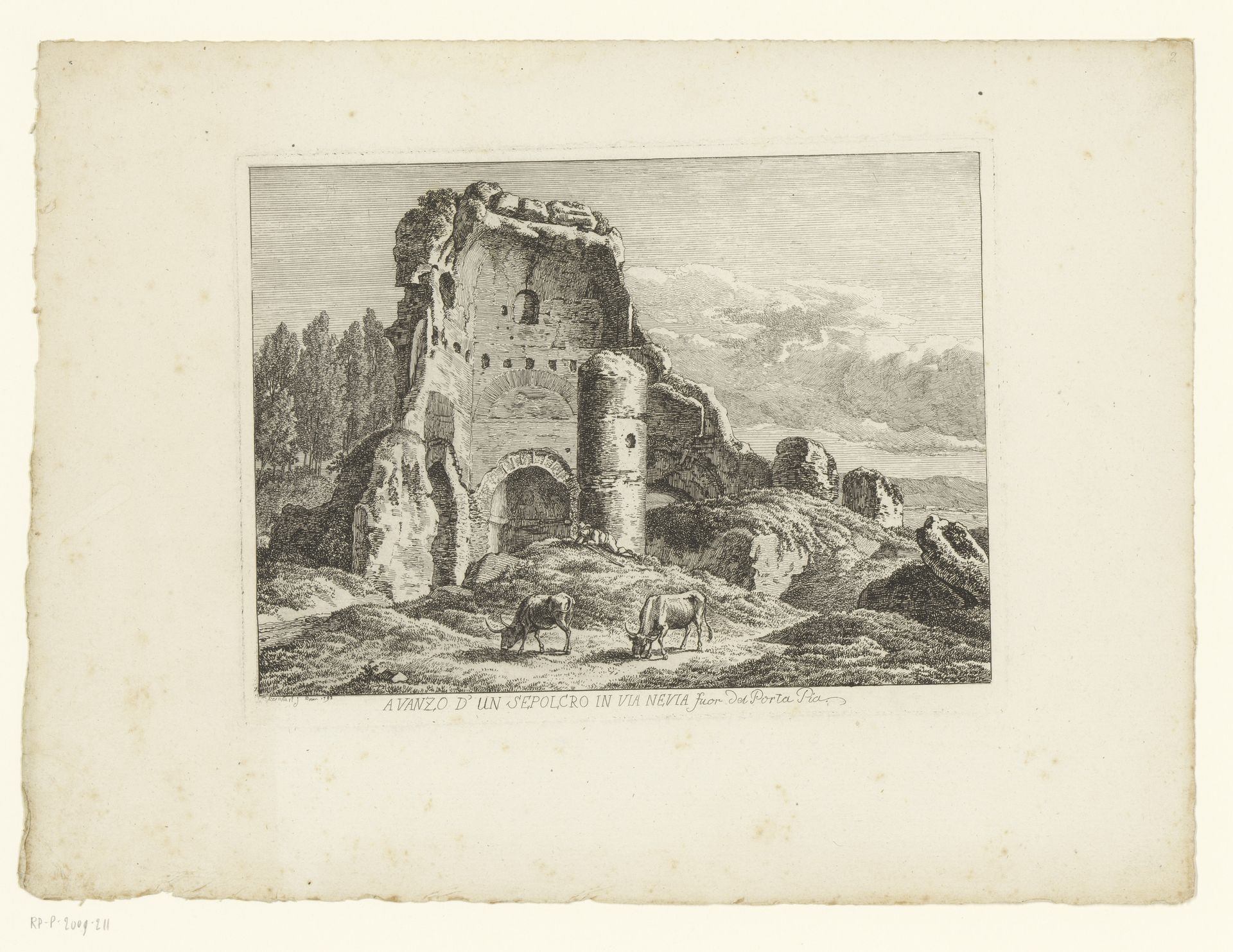
Johann Christian Reinhart made this etching of an ancient tomb in Rome. An etching involves coating a metal plate with wax, scratching an image into the wax, and then dipping the plate in acid, which bites into the exposed metal. The plate is then inked and printed, transferring the image to paper. The linear quality of the print allows Reinhart to capture the rough textures of the ruined tomb, set against the distant sky. His printmaking would have been quicker and more efficient than painting, making images like this accessible to a wider audience. The labor is evident in the careful hatching and cross-hatching, creating light and shadow. What's fascinating is how the mechanical reproduction of etching brings a touch of industry to the romantic ruin. It reminds us that even ostensibly timeless artworks are made in a particular time and place, within a network of materials, labor, and consumption.
Antieke graftombe aan de Via Nevia buiten de Porta Pia 1792

Artwork details
- Medium
- print, paper, engraving
- Dimensions
- height 157 mm, width 210 mm
- Copyright
- Rijks Museum: Open Domain
Tags
neoclacissism
landscape
paper
line
engraving
Comments
No comments
About this artwork
Johann Christian Reinhart made this etching of an ancient tomb in Rome. An etching involves coating a metal plate with wax, scratching an image into the wax, and then dipping the plate in acid, which bites into the exposed metal. The plate is then inked and printed, transferring the image to paper. The linear quality of the print allows Reinhart to capture the rough textures of the ruined tomb, set against the distant sky. His printmaking would have been quicker and more efficient than painting, making images like this accessible to a wider audience. The labor is evident in the careful hatching and cross-hatching, creating light and shadow. What's fascinating is how the mechanical reproduction of etching brings a touch of industry to the romantic ruin. It reminds us that even ostensibly timeless artworks are made in a particular time and place, within a network of materials, labor, and consumption.
Comments
No comments