About this artwork
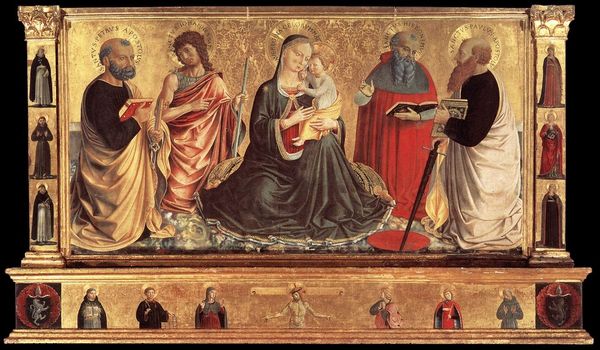
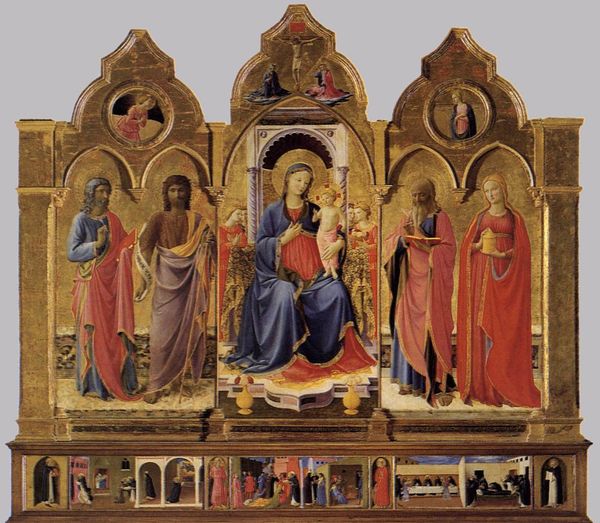
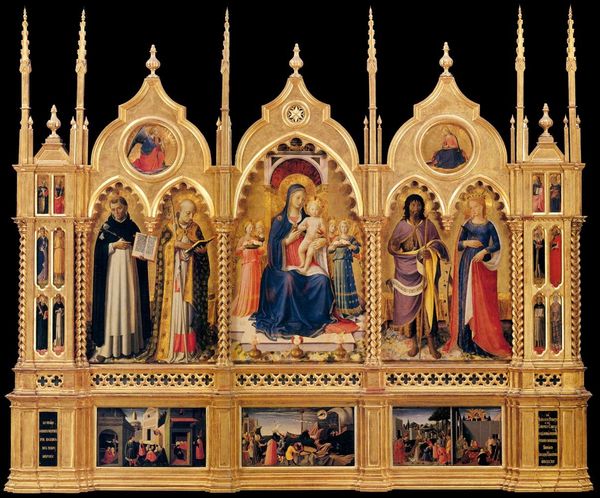
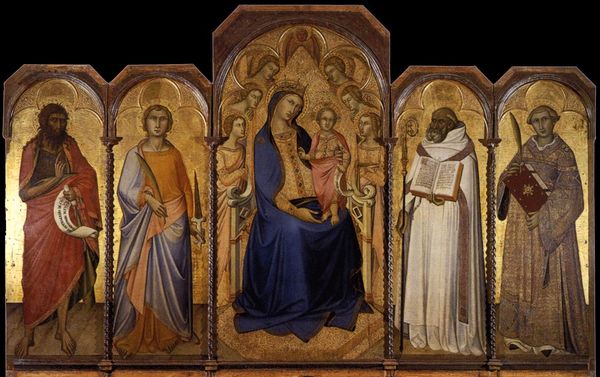
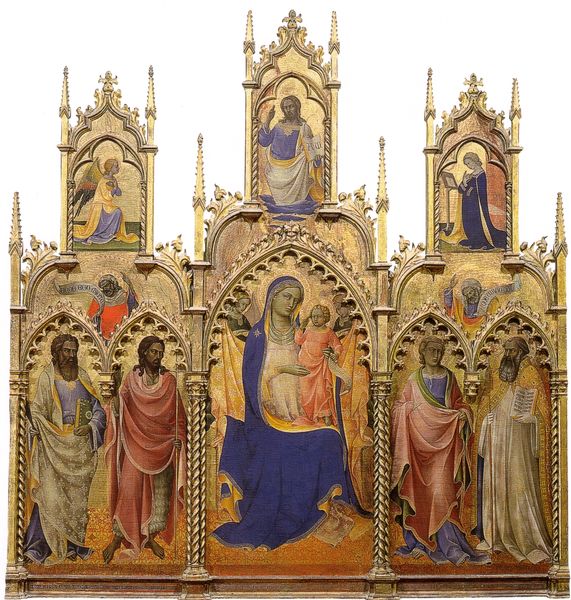
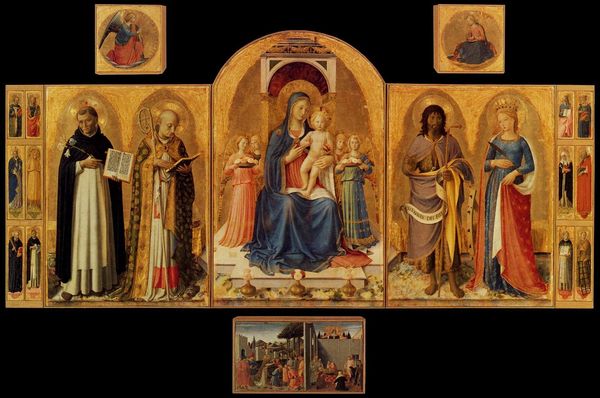
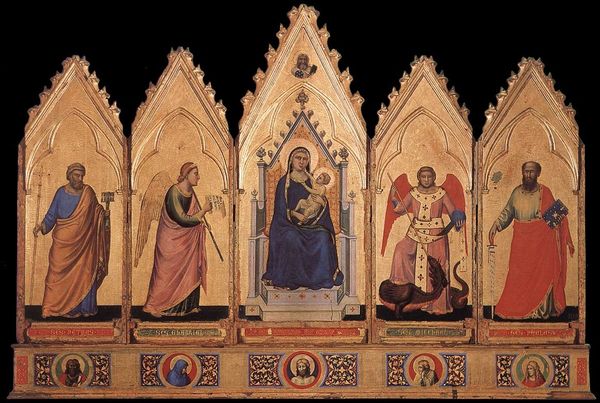
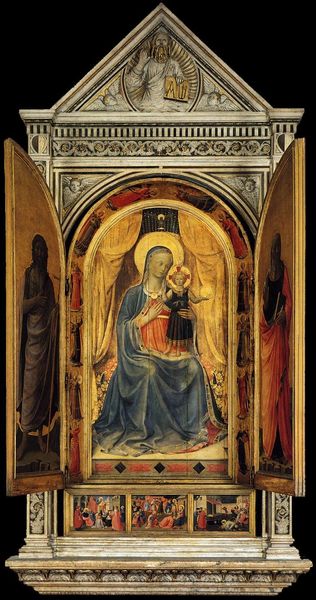
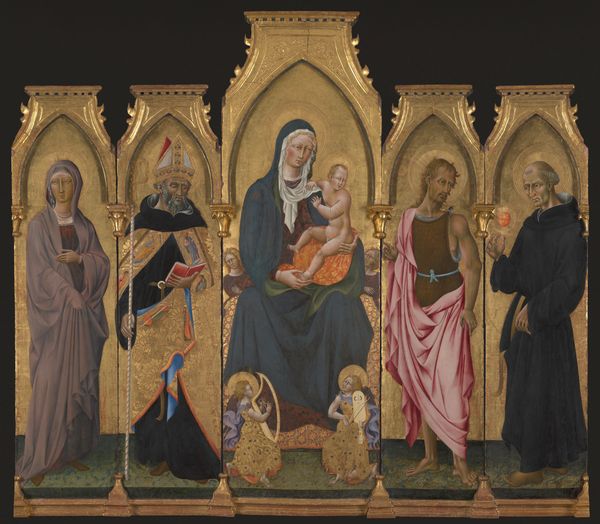
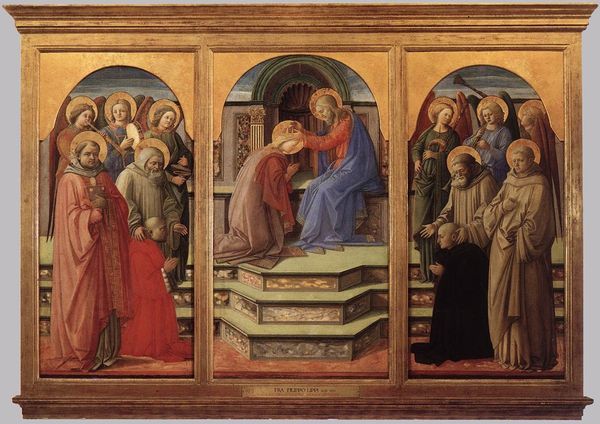
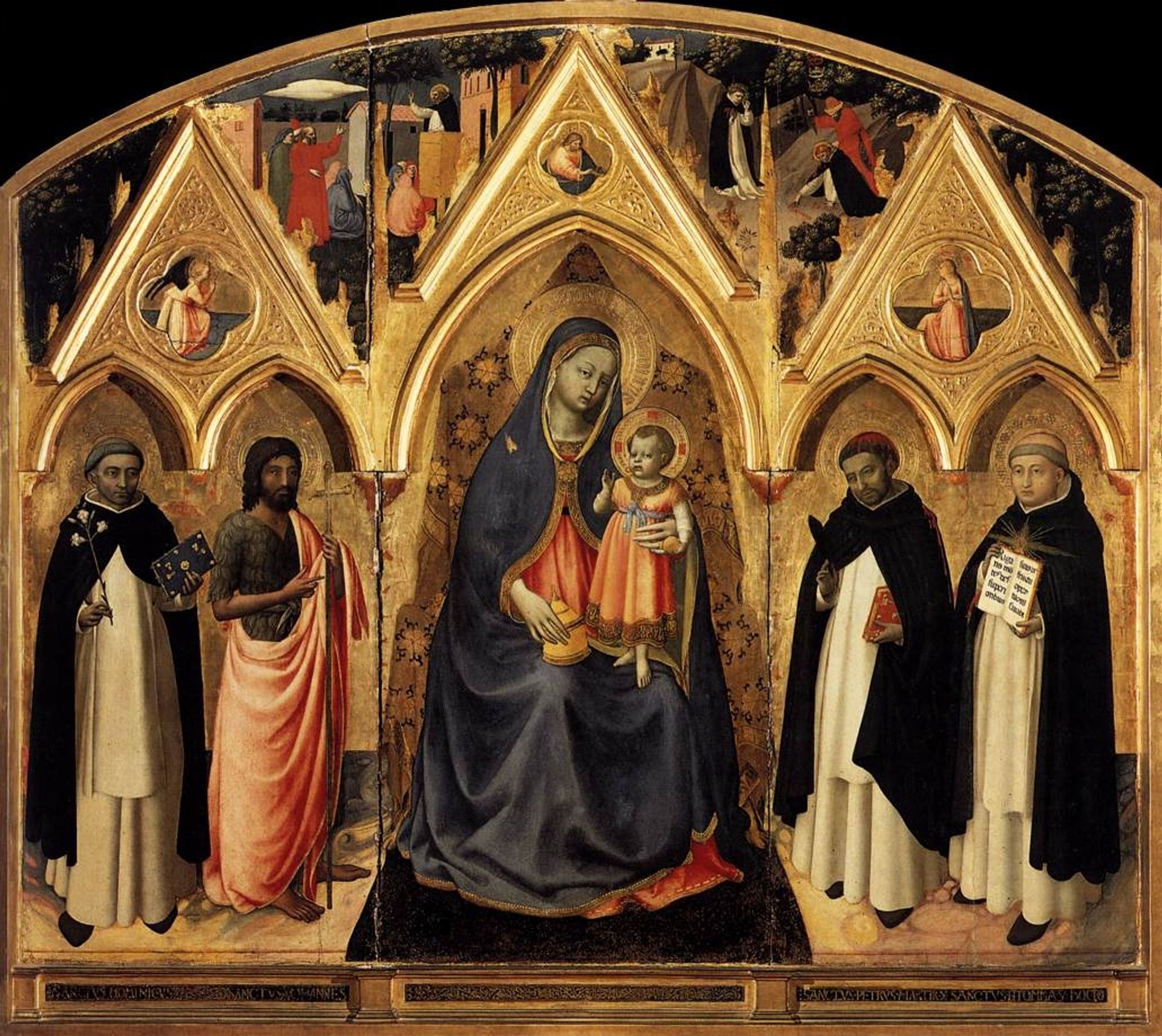
Fra Angelico created this altarpiece here in Florence in the 15th century, using tempera paint on a wooden panel. Tempera is an egg-based paint, prized for its sharp, clear color, which you can see in the Madonna’s blue robe. The gold leaf applied to the background has a powerful effect. It's intrinsically valuable, of course, but more importantly, it creates a sense of otherworldly light. This gilding would have been a specialized activity, probably done by a workshop specializing in surface treatments. Think about the division of labor, the complex administration that went into producing this kind of object. But, in considering the labor involved here, we must also acknowledge the artist's devotion. Fra Angelico—his name literally means "Angelic Brother"—was himself a friar. The detailed execution of this painting may have been a form of devotional practice. So, we can think about this altarpiece both as a precious object and the result of sincere religious feeling, with the materials and processes tied inextricably to both.
St. Peter Martyr Altarpiece 1428

Fra Angelico
1395 - 1455Location
Basilica di San Marco, Florence, ItalyArtwork details
- Medium
- tempera, painting
- Dimensions
- 137 x 168 cm
- Location
- Basilica di San Marco, Florence, Italy
- Copyright
- Public domain
Tags
portrait
narrative-art
tempera
painting
sculpture
landscape
holy-places
figuration
child
christianity
italian-renaissance
early-renaissance
virgin-mary
christ
Comments
No comments
About this artwork
Fra Angelico created this altarpiece here in Florence in the 15th century, using tempera paint on a wooden panel. Tempera is an egg-based paint, prized for its sharp, clear color, which you can see in the Madonna’s blue robe. The gold leaf applied to the background has a powerful effect. It's intrinsically valuable, of course, but more importantly, it creates a sense of otherworldly light. This gilding would have been a specialized activity, probably done by a workshop specializing in surface treatments. Think about the division of labor, the complex administration that went into producing this kind of object. But, in considering the labor involved here, we must also acknowledge the artist's devotion. Fra Angelico—his name literally means "Angelic Brother"—was himself a friar. The detailed execution of this painting may have been a form of devotional practice. So, we can think about this altarpiece both as a precious object and the result of sincere religious feeling, with the materials and processes tied inextricably to both.
Comments
No comments