About this artwork
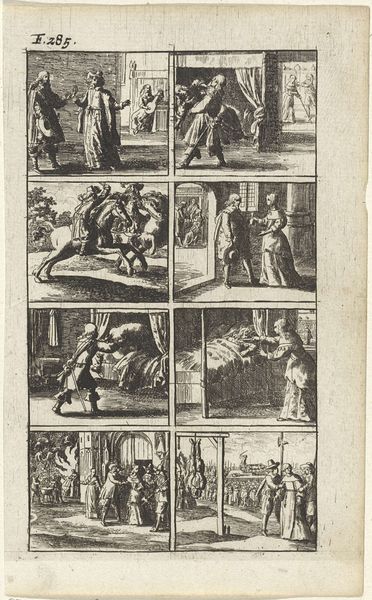
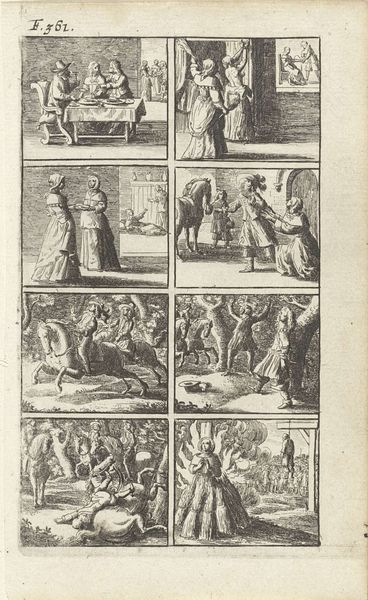
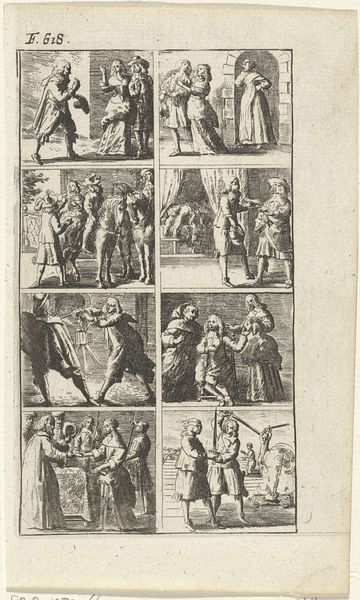
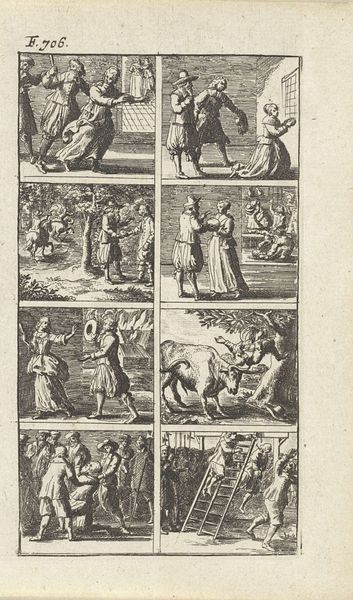
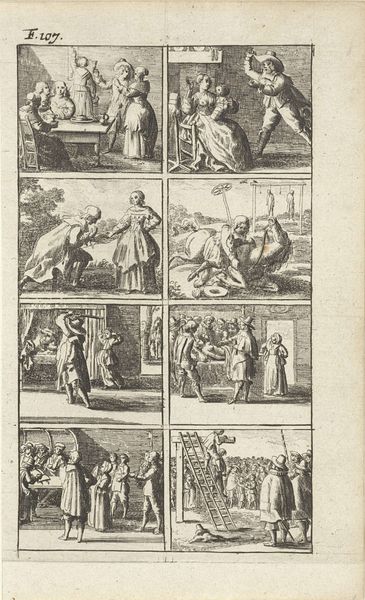
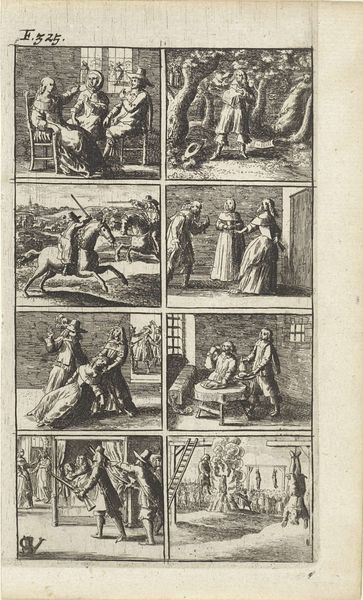
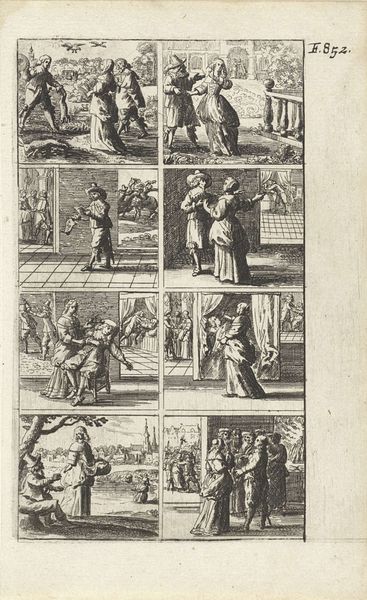
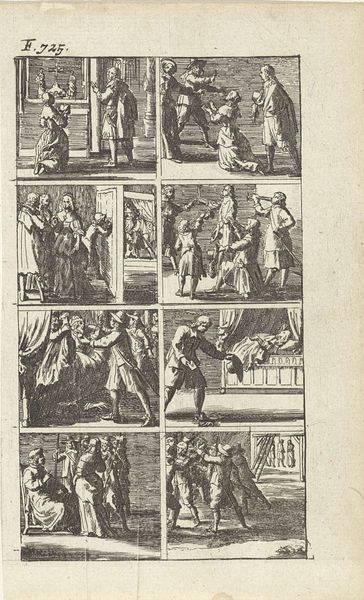
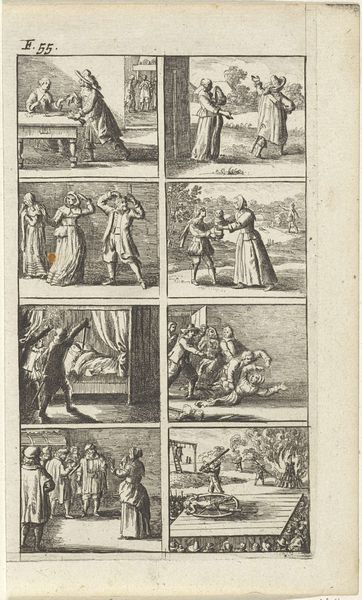
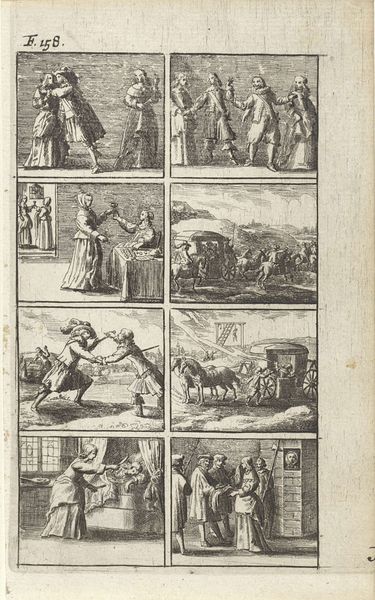
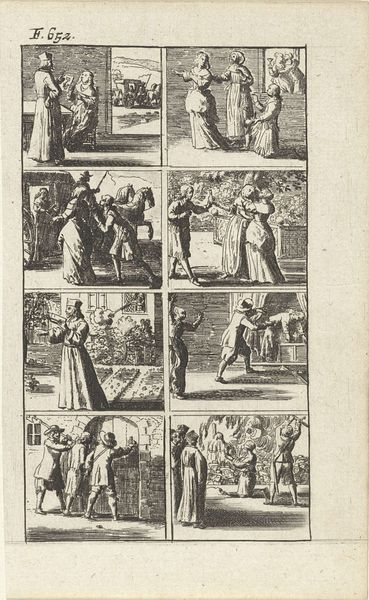
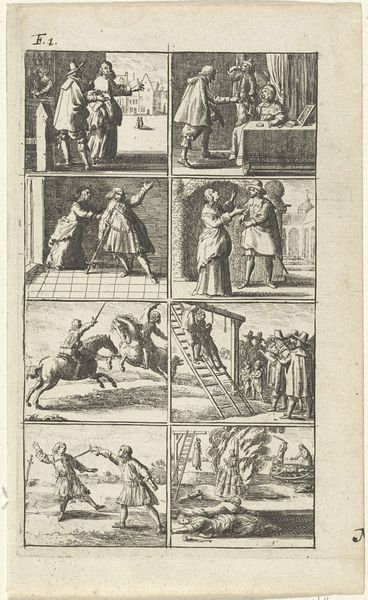
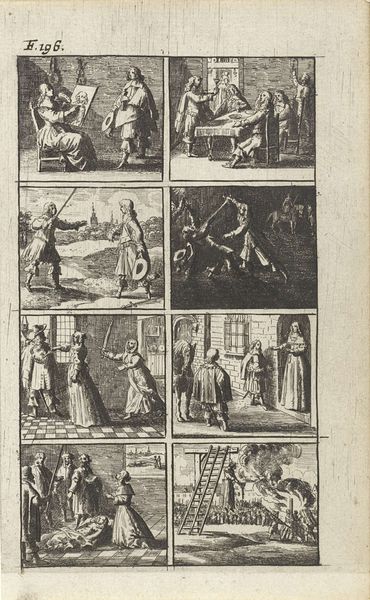
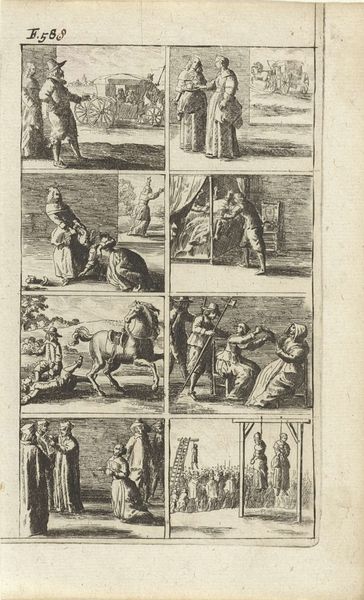
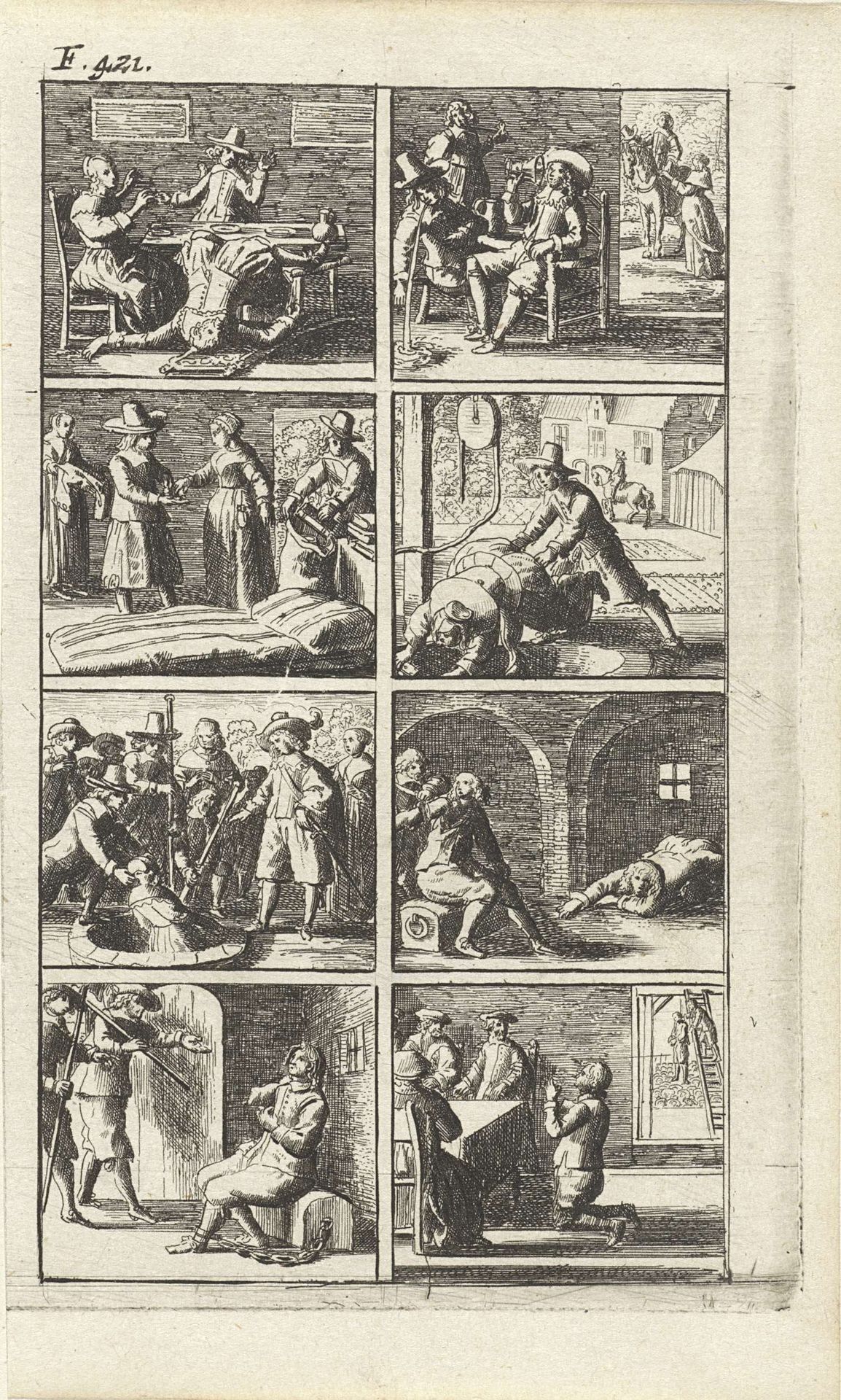
This small print, made by Abraham Dircksz. Santvoort, depicts various methods of murder and execution, reflecting a grim fascination with mortality. Each scene offers a glimpse into the darker aspects of human existence. Note how Santvoort returns to the motif of the blindfold across several panels. It reappears in different contexts: as a final act of alleged mercy before a firing squad, or in a grislier scene where a man is about to be crushed under a barrel. It is a symbol that spans cultures, echoing in the blindfold of Carravagio’s David holding the head of Goliath, or Goya’s execution scenes. The act of obscuring sight before death is not merely practical; it speaks to a deeper psychological need to distance ourselves from the moment of annihilation. It is a theatrical device, framing death as a spectacle, a cultural ritual passed down through history, shifting in meaning. These images engage us on a subconscious level, forcing us to confront the emotional power of mortality. The cyclical progression of this symbol resurfaces, evolves, and takes on new meanings in different historical contexts.
Verhaal met voorstellingen van moord en doodstraf (F. 421.)
1667

Abraham Dircksz. Santvoort
1634 - 1669Location
RijksmuseumArtwork details
- Medium
- print, etching, engraving
- Dimensions
- height 155 mm, width 93 mm
- Location
- Rijksmuseum
- Copyright
- Rijks Museum: Open Domain
Tags
Comments
Share your thoughts
About this artwork
This small print, made by Abraham Dircksz. Santvoort, depicts various methods of murder and execution, reflecting a grim fascination with mortality. Each scene offers a glimpse into the darker aspects of human existence. Note how Santvoort returns to the motif of the blindfold across several panels. It reappears in different contexts: as a final act of alleged mercy before a firing squad, or in a grislier scene where a man is about to be crushed under a barrel. It is a symbol that spans cultures, echoing in the blindfold of Carravagio’s David holding the head of Goliath, or Goya’s execution scenes. The act of obscuring sight before death is not merely practical; it speaks to a deeper psychological need to distance ourselves from the moment of annihilation. It is a theatrical device, framing death as a spectacle, a cultural ritual passed down through history, shifting in meaning. These images engage us on a subconscious level, forcing us to confront the emotional power of mortality. The cyclical progression of this symbol resurfaces, evolves, and takes on new meanings in different historical contexts.
Comments
Share your thoughts