About this artwork
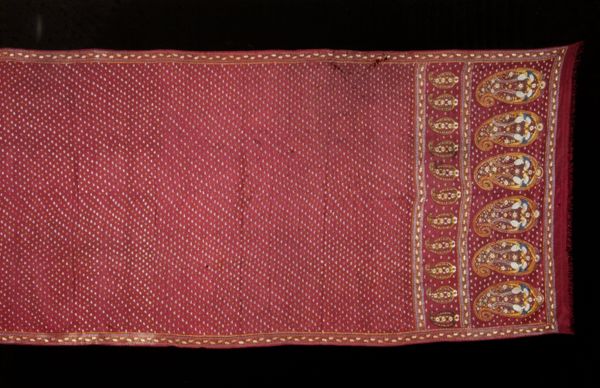
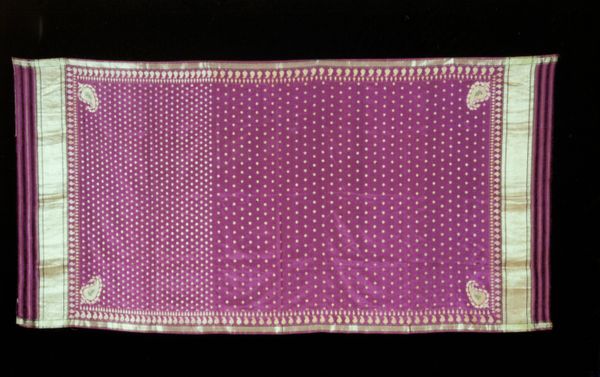
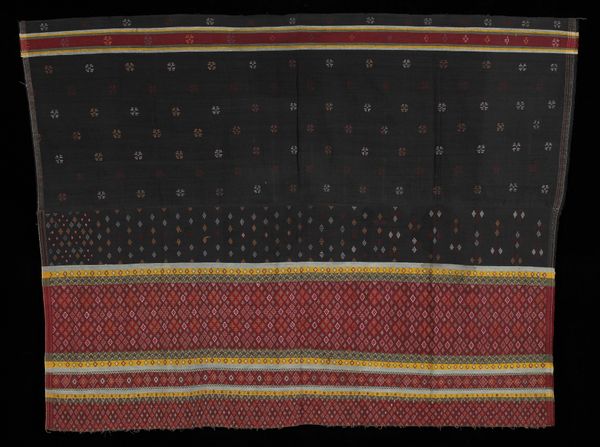
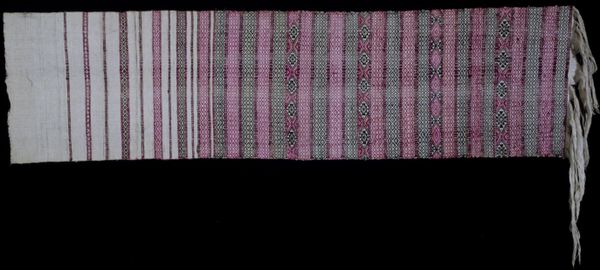
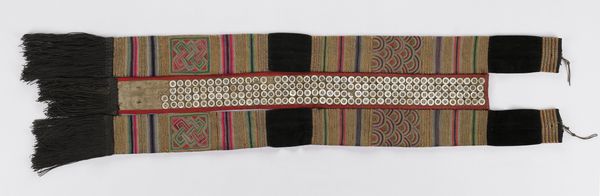
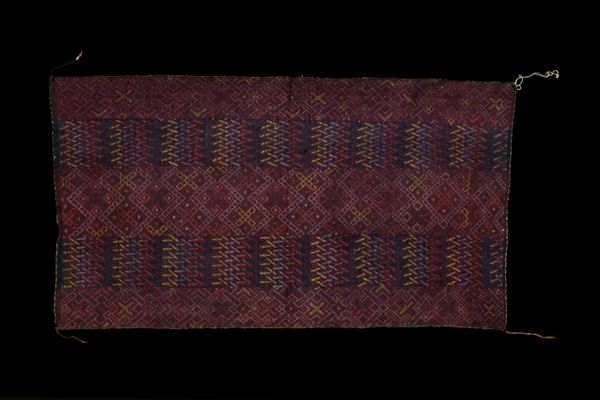
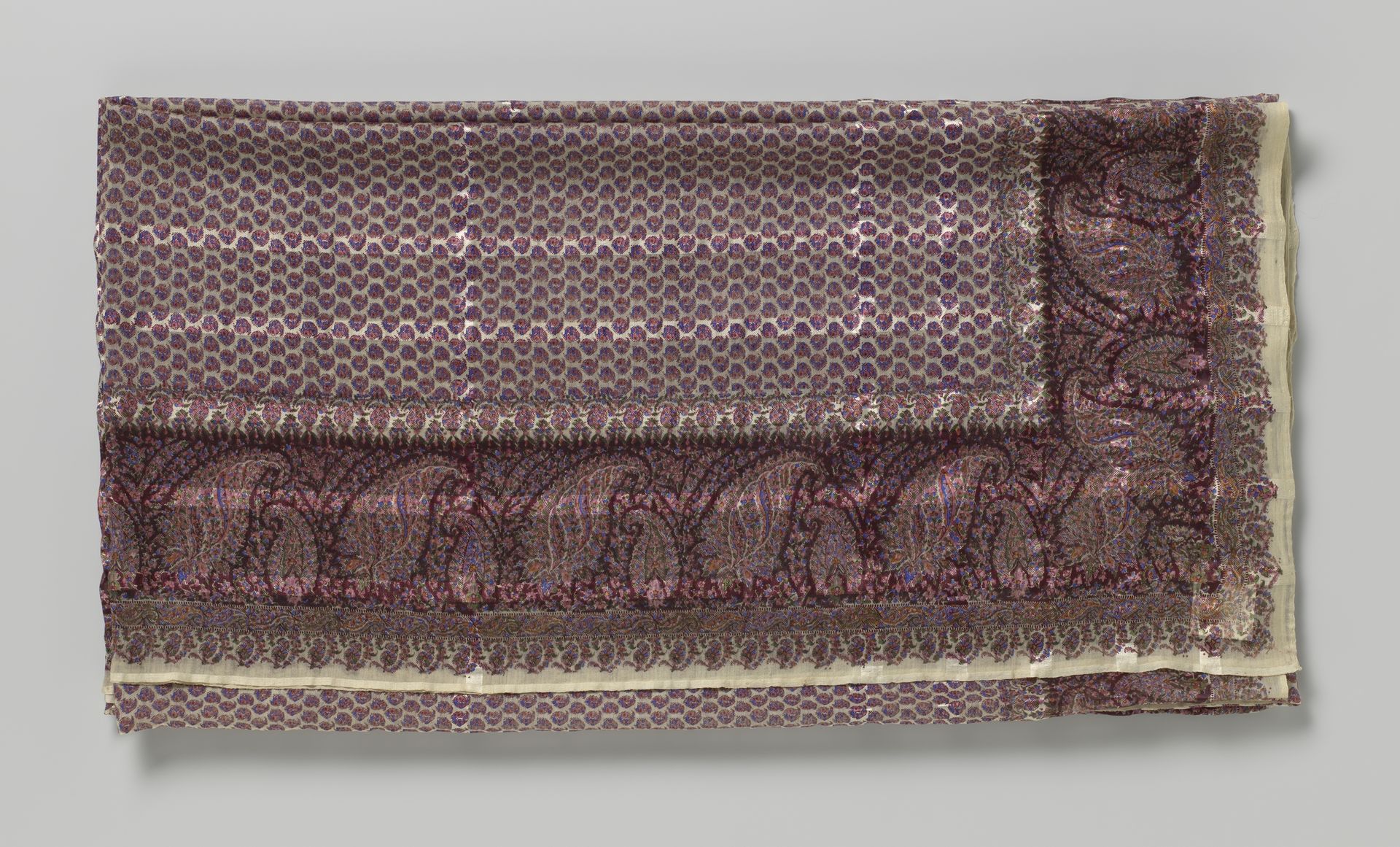
This rectangular palm shawl was designed by Charles Swaisland and features a captivating array of visual symbols. The dominant motif is the ‘bota,’ or paisley, arranged along the edges. This droplet-shaped symbol, originating in Persia, was initially associated with fertility and abundance. The bota motif migrated westward, finding its way onto Kashmiri shawls and, eventually, into European textiles. It evolved into a fashionable pattern, losing much of its original symbolic weight. Yet, even in this transformed state, the bota carries echoes of its ancient past, a testament to the endurance of symbols across time and cultures. Consider how such motifs resonate with our collective memory. The bota, adapted and readapted, becomes a vessel containing layers of cultural history, each contributing to its evolving meaning. Its recurring presence speaks to the non-linear, cyclical nature of cultural symbols, constantly resurfacing and finding new life.
Rechthoekige palmensjaal, waarop een wit fond een bedrukt middenveld met strooipatroon van kleine blauw-rode bloemen en langs de rand een baan van kleine en grote bota's
c. 1847 - 1854

Artwork details
- Medium
- textile
- Dimensions
- length 355 cm, width 180 cm
- Copyright
- Rijks Museum: Open Domain
Tags
natural stone pattern
fashion mockup
pattern
textile
pattern making
fashion and textile design
hand-embroidered
fabric design
pattern repetition
decorative-art
imprinted textile
layered pattern
clothing design
Comments
Be the first to share your thoughts about this work.
About this artwork
This rectangular palm shawl was designed by Charles Swaisland and features a captivating array of visual symbols. The dominant motif is the ‘bota,’ or paisley, arranged along the edges. This droplet-shaped symbol, originating in Persia, was initially associated with fertility and abundance. The bota motif migrated westward, finding its way onto Kashmiri shawls and, eventually, into European textiles. It evolved into a fashionable pattern, losing much of its original symbolic weight. Yet, even in this transformed state, the bota carries echoes of its ancient past, a testament to the endurance of symbols across time and cultures. Consider how such motifs resonate with our collective memory. The bota, adapted and readapted, becomes a vessel containing layers of cultural history, each contributing to its evolving meaning. Its recurring presence speaks to the non-linear, cyclical nature of cultural symbols, constantly resurfacing and finding new life.
Comments
Be the first to share your thoughts about this work.