About this artwork
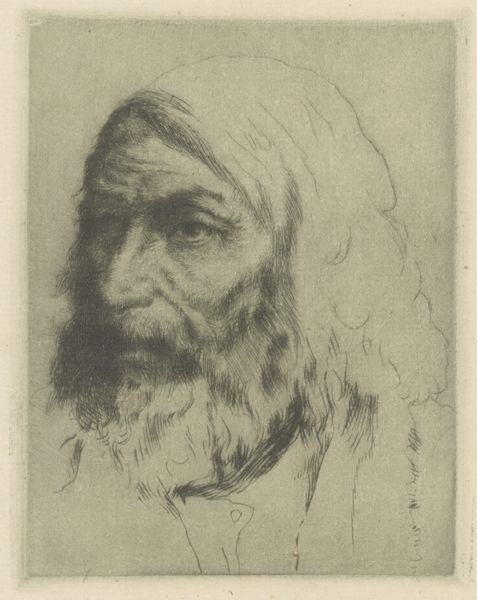
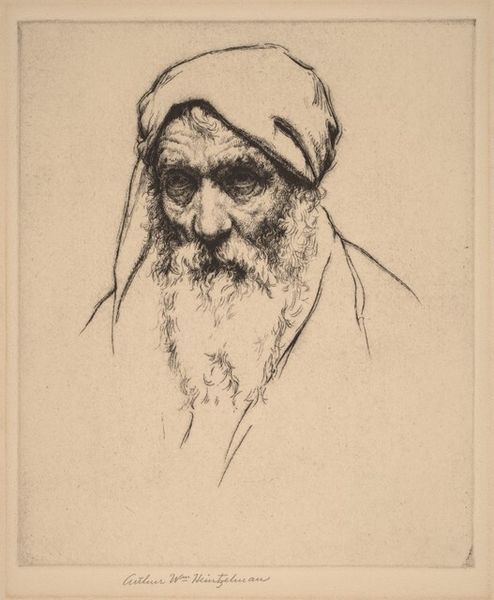
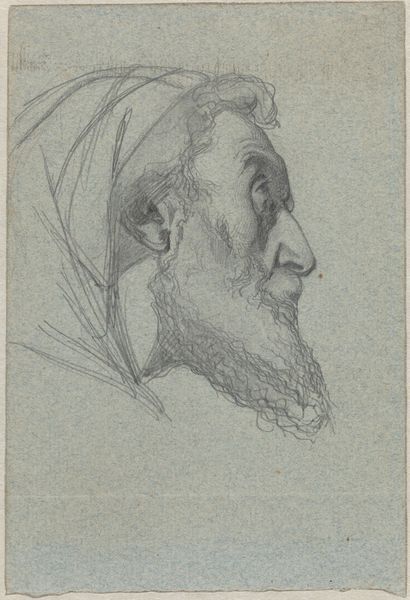
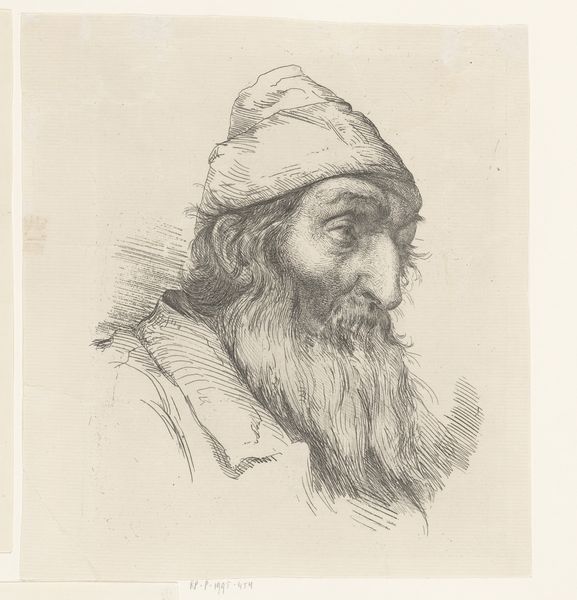
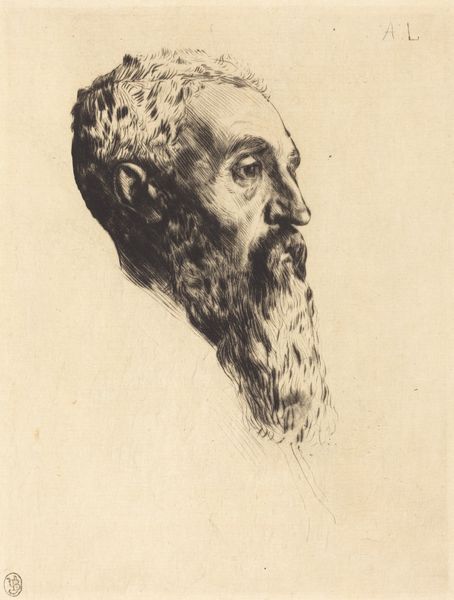
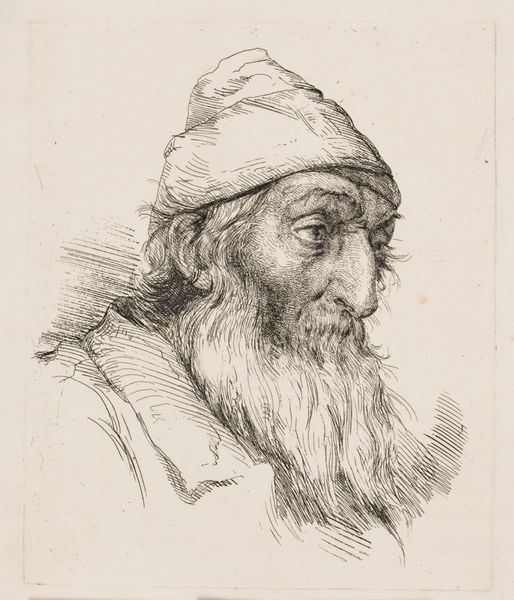
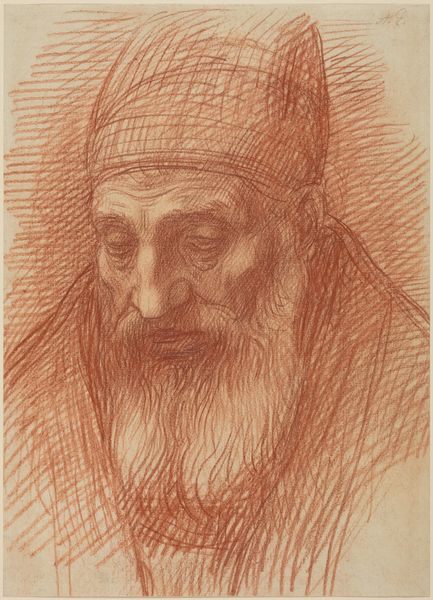
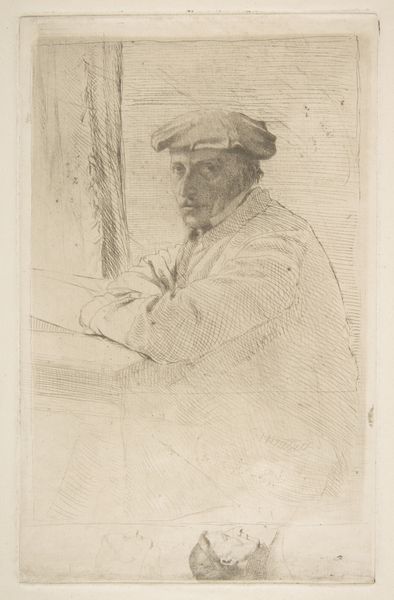
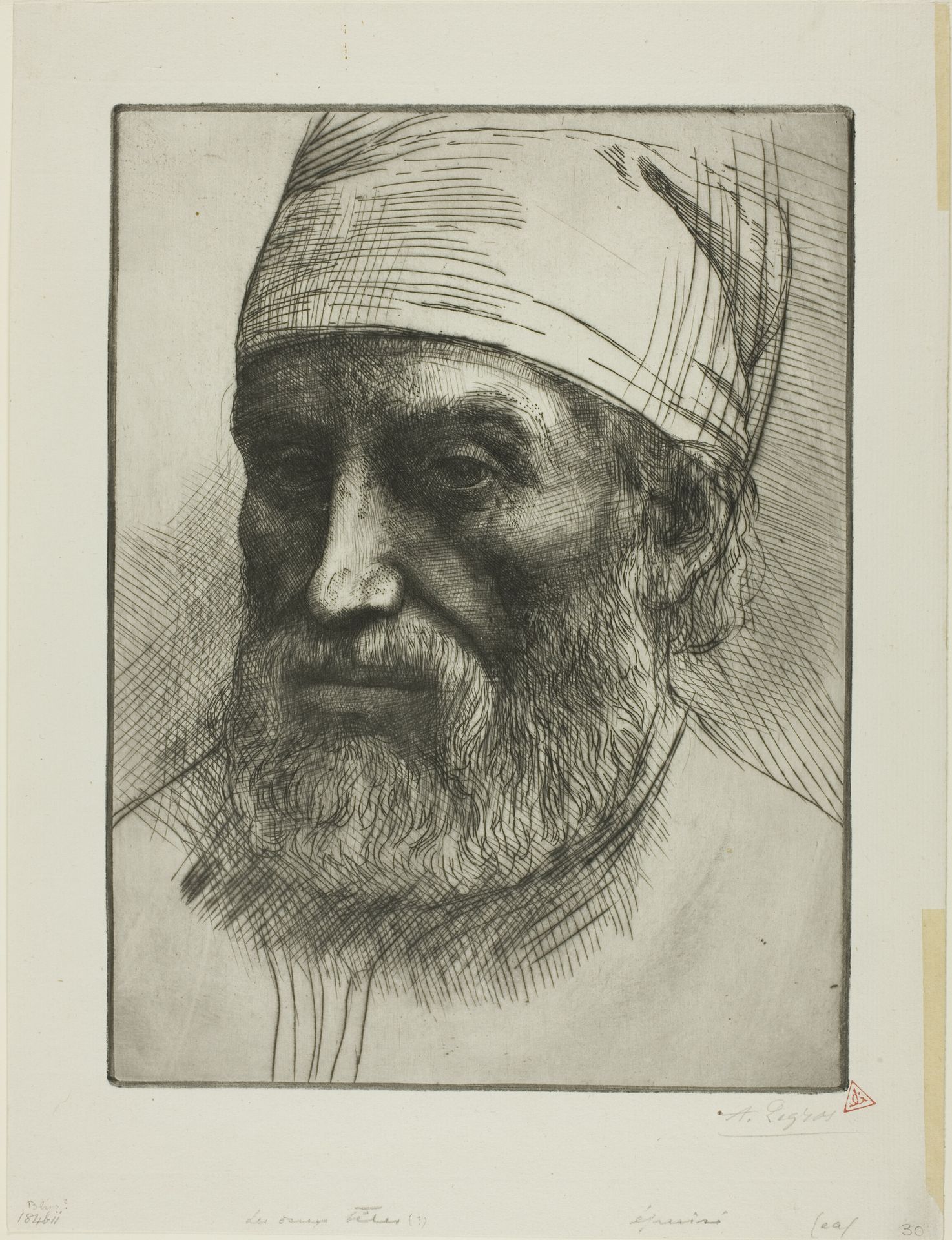
Editor: This is "The Two Heads," an etching and charcoal drawing by Alphonse Legros from 1879, currently residing at the Art Institute of Chicago. I find the hatching technique used to depict the figures' faces really striking, giving it a kind of raw, textured feel. What does this artwork bring to your mind? Curator: The texture, the hatching—these are crucial. Legros was deeply engaged with the materiality of printmaking. Look at how the etched lines aren't just descriptive; they *construct* the form. He is thinking of labor. Consider too the etching revival movement of the time. It was driven by a desire to reclaim printmaking as a fine art, countering its industrialization and commercial use. So Legros isn’t simply depicting a face; he's making a statement about artistic production itself, about value of handwork. Editor: That's fascinating! So you're saying the choice of etching, instead of, say, painting, has political implications relating to artistic labor? Curator: Precisely. Etching allowed artists to directly engage with the production of multiples, but in a way that retained the artist's hand. Each print is technically an original, bearing the marks of its making. It's a challenge to the commodification of art, an insistence on process. Now, notice the paper: how do you think the surface of that impacts how we view the labor performed? Editor: I suppose that a smoother paper might almost conceal the individual marks that together create the portrait, while the current texture highlights the hand of the artist! Curator: Exactly. So what begins as a portrait ends as an exploration of the materials and the conditions of its making. What’s changed in how you look at this work now? Editor: I'll never see an etching the same way! Thinking about the labor involved really reframes how I appreciate not only the image but the artist’s statement on art's creation and value within society. Curator: Glad to have brought this awareness! Seeing art through its material and production truly deepens its significance.
The Two Heads
1879


Artwork details
- Dimensions
- 295 × 223 mm (image/plate); 370 × 281 mm (sheet)
- Location
- The Art Institute of Chicago
- Copyright
- Public Domain
Comments
Share your thoughts
About this artwork
Editor: This is "The Two Heads," an etching and charcoal drawing by Alphonse Legros from 1879, currently residing at the Art Institute of Chicago. I find the hatching technique used to depict the figures' faces really striking, giving it a kind of raw, textured feel. What does this artwork bring to your mind? Curator: The texture, the hatching—these are crucial. Legros was deeply engaged with the materiality of printmaking. Look at how the etched lines aren't just descriptive; they *construct* the form. He is thinking of labor. Consider too the etching revival movement of the time. It was driven by a desire to reclaim printmaking as a fine art, countering its industrialization and commercial use. So Legros isn’t simply depicting a face; he's making a statement about artistic production itself, about value of handwork. Editor: That's fascinating! So you're saying the choice of etching, instead of, say, painting, has political implications relating to artistic labor? Curator: Precisely. Etching allowed artists to directly engage with the production of multiples, but in a way that retained the artist's hand. Each print is technically an original, bearing the marks of its making. It's a challenge to the commodification of art, an insistence on process. Now, notice the paper: how do you think the surface of that impacts how we view the labor performed? Editor: I suppose that a smoother paper might almost conceal the individual marks that together create the portrait, while the current texture highlights the hand of the artist! Curator: Exactly. So what begins as a portrait ends as an exploration of the materials and the conditions of its making. What’s changed in how you look at this work now? Editor: I'll never see an etching the same way! Thinking about the labor involved really reframes how I appreciate not only the image but the artist’s statement on art's creation and value within society. Curator: Glad to have brought this awareness! Seeing art through its material and production truly deepens its significance.
Comments
Share your thoughts