
Curatorial notes
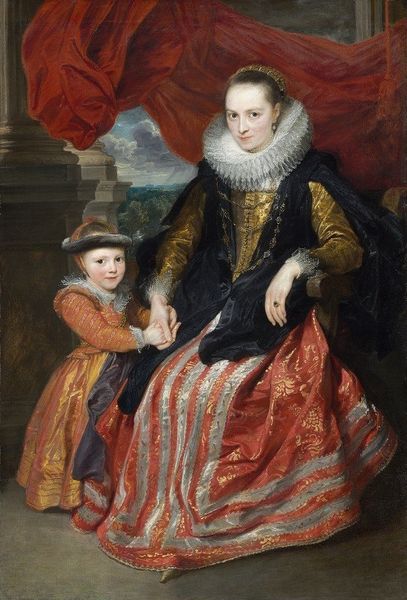
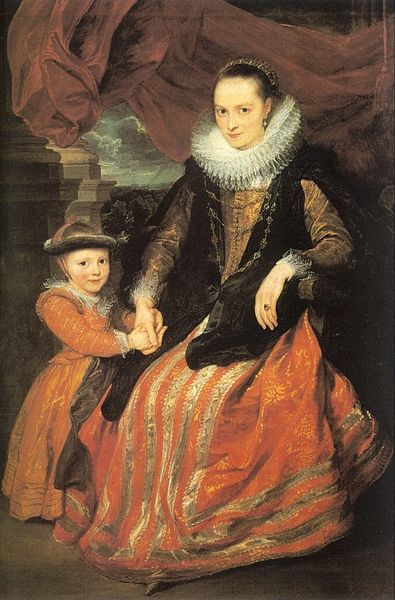
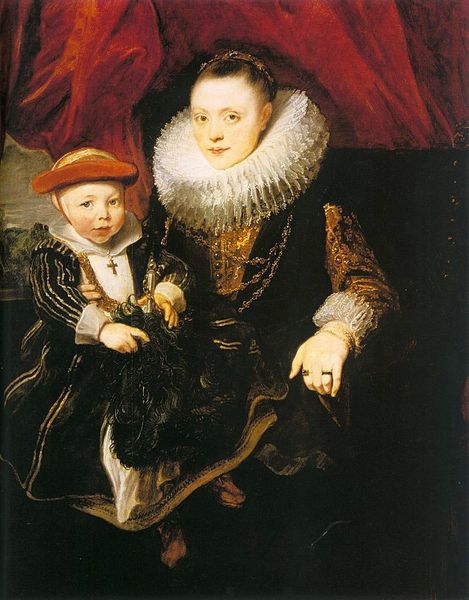
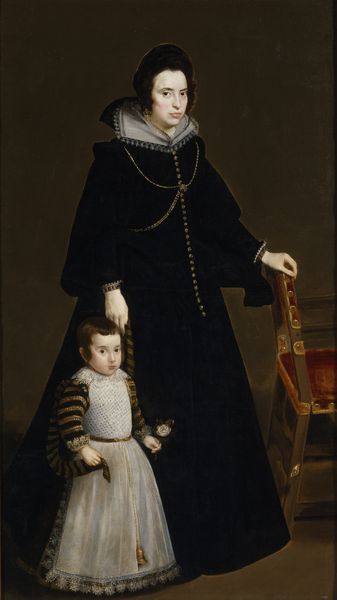
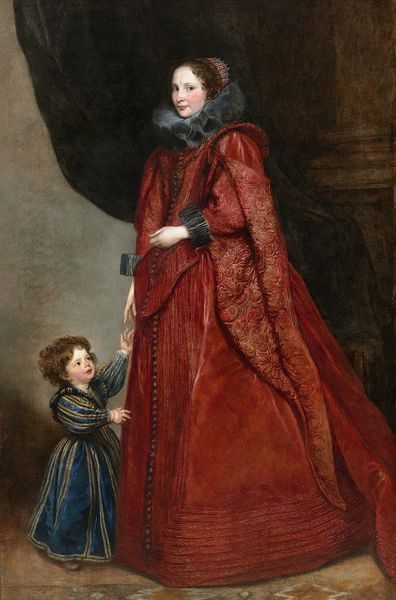
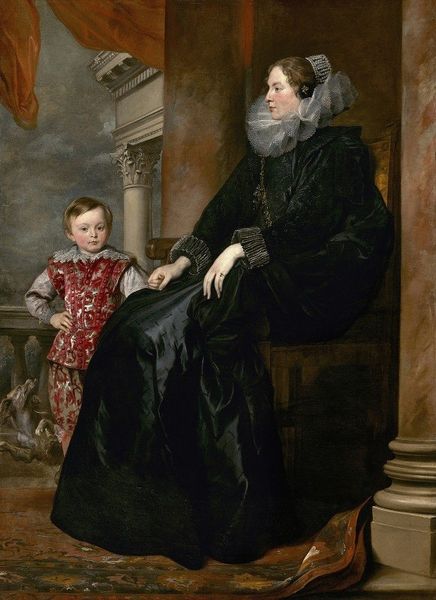
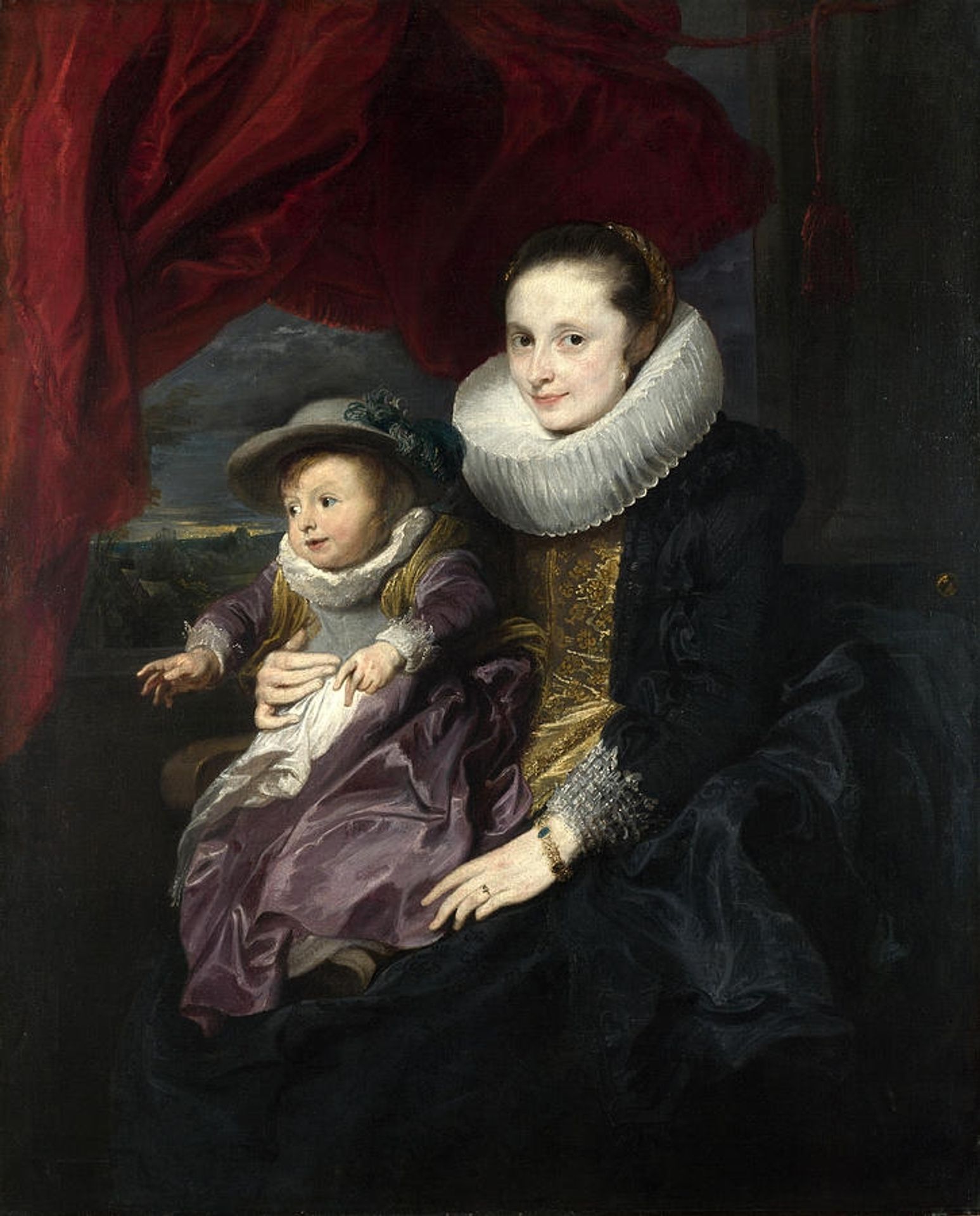
Anthony van Dyck made this oil painting, "Portrait of a Woman and Child," in the 17th century, using techniques passed down through generations of European painters. Consider the cost of materials: the pigments, ground from minerals and plants, and the linen canvas, woven from flax. These were luxury goods, befitting the wealthy subjects depicted. And think about the labor: from the preparation of the paints to the countless brushstrokes required to capture the likeness and textures of fabric and flesh. The woman’s elaborate lace collar, the child's velvet hat – all rendered with meticulous detail. Van Dyck's skill was in high demand by the aristocracy. The result is a testament to the complex interplay of material, skill, and social status. It serves as a reminder that even the most seemingly straightforward image is embedded in a web of economic and cultural forces. By acknowledging the making of this painting, we can understand it more fully.