About this artwork
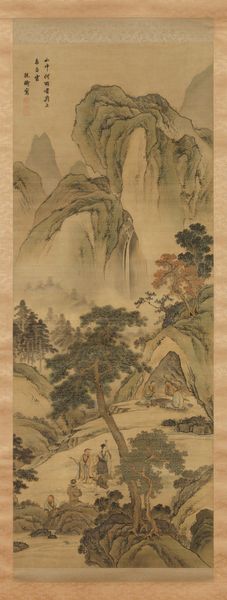
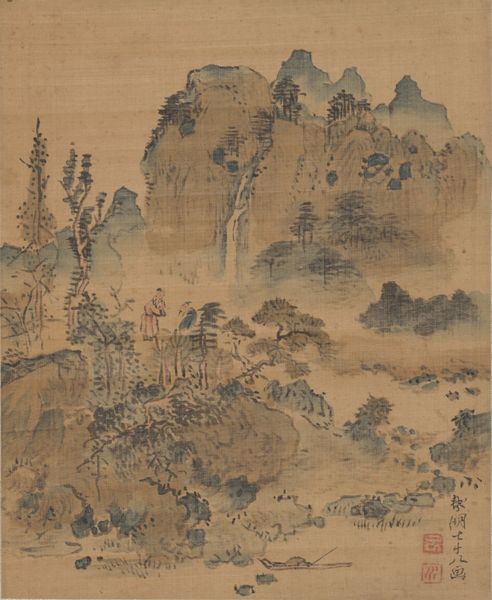
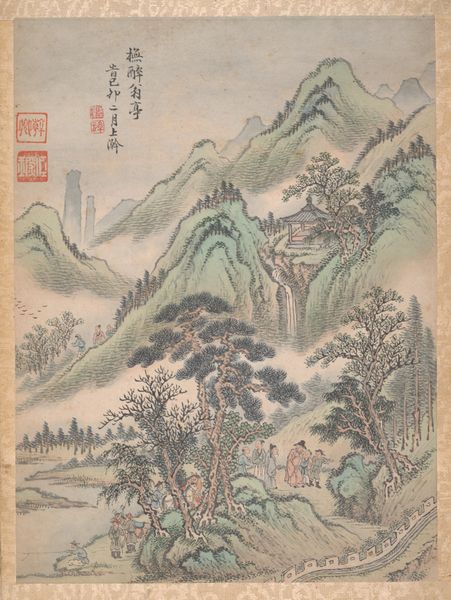
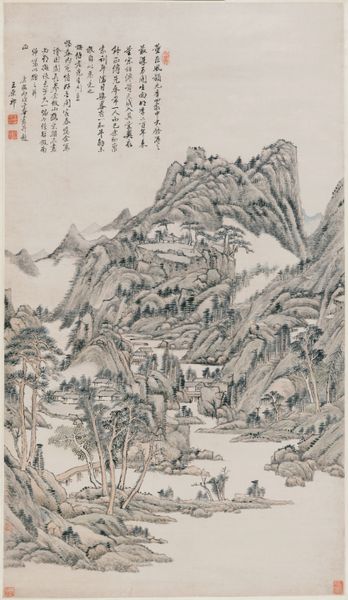
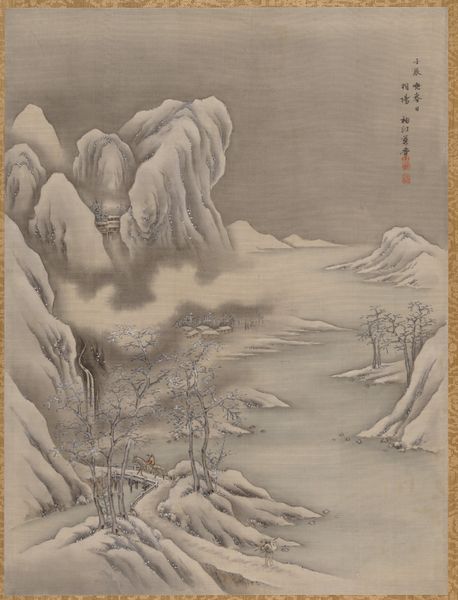
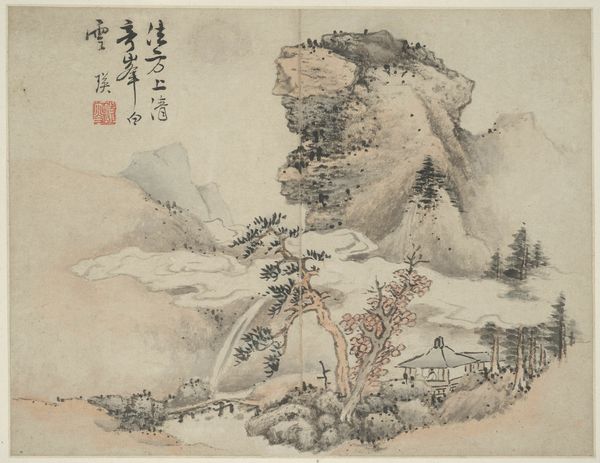
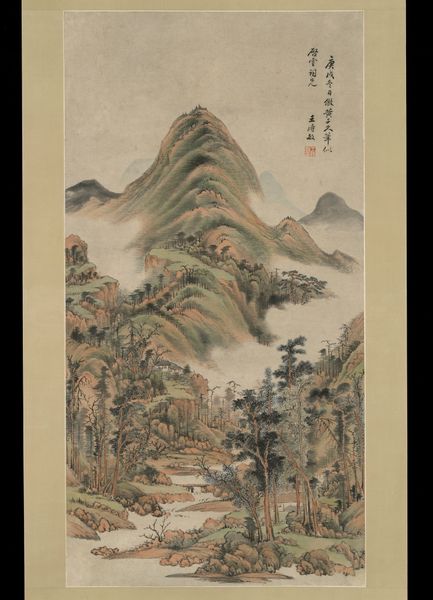
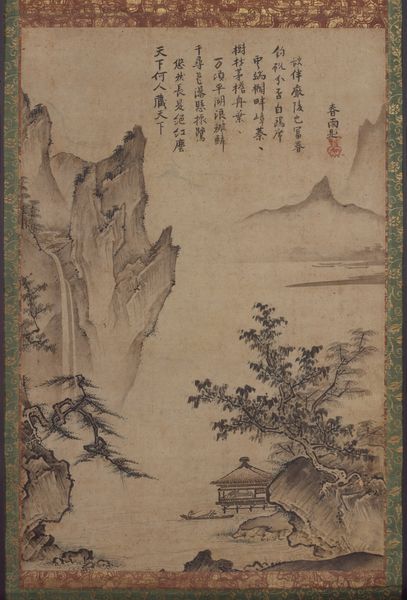
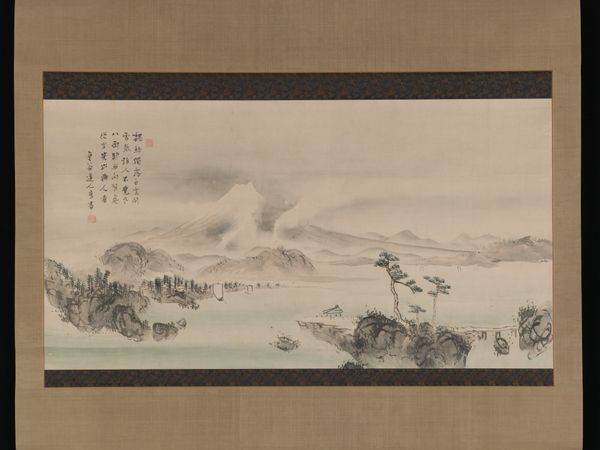
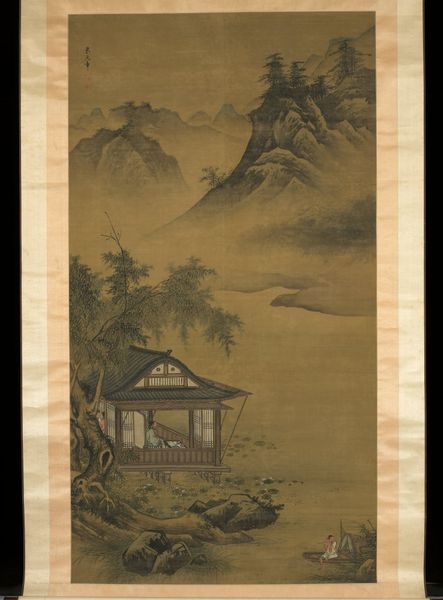
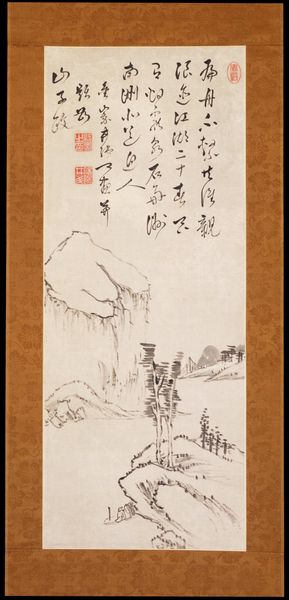
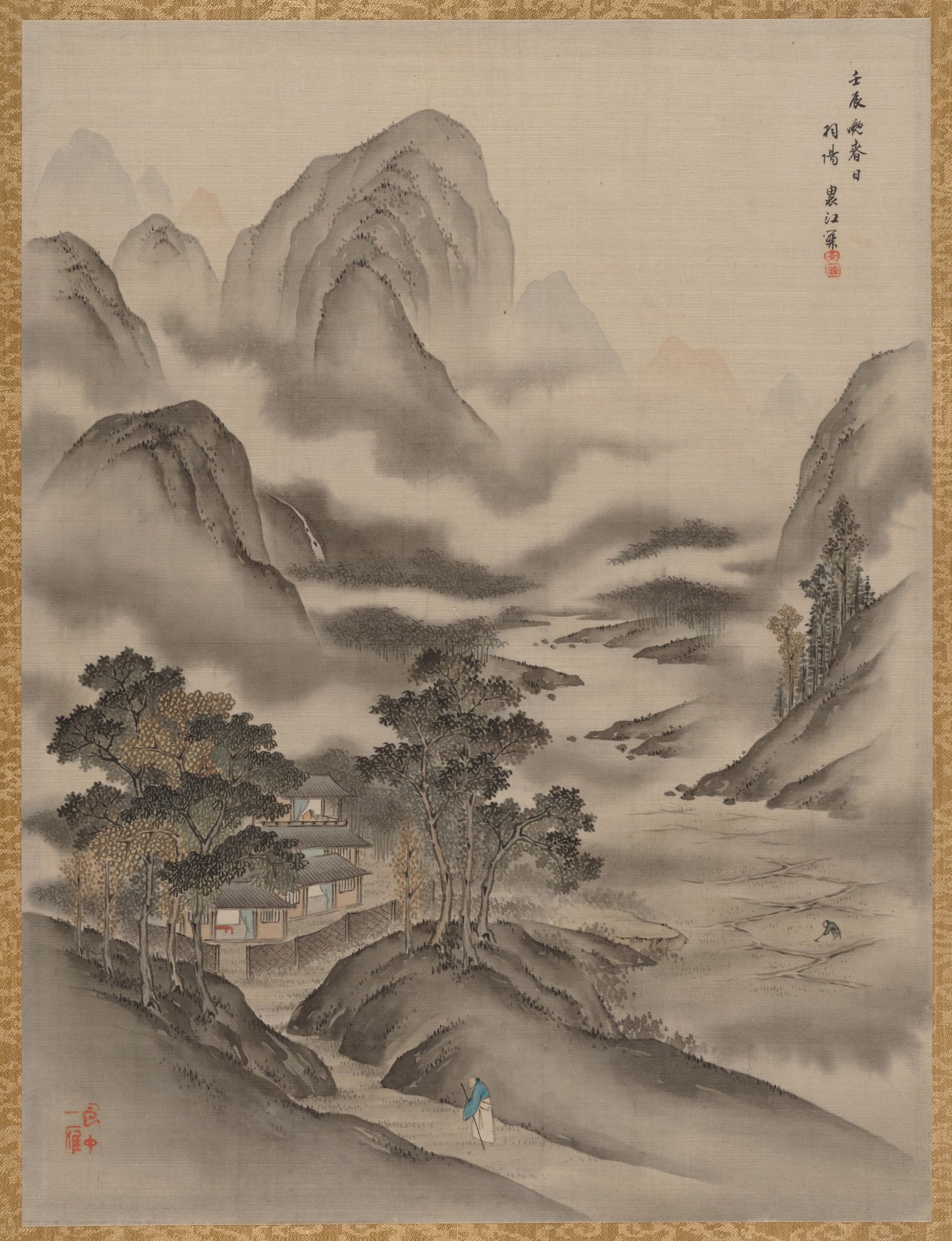
Seki Shūkō created "Visiting a Friend," a hanging scroll made with ink and color on silk. The painting invites you into a tranquil, misty landscape, dominated by soft grey mountains and subtle washes of ink. The composition pulls your eye upward, following the path of a lone figure towards a cluster of buildings nestled among trees. Consider how the artist uses the monochrome palette not as a limitation, but as a way to explore tonal variations and textures. This approach emphasizes the structural elements of the landscape. The brushstrokes create depth and atmosphere, while the blank spaces are just as important, suggesting the ephemeral nature of mist and distance. In classical Chinese painting, landscapes reflect philosophical ideas about humanity's place in the natural world, focusing on harmony and balance. The semiotics of the scholar or traveler visiting a friend often symbolizes seeking wisdom or enlightenment. Appreciate how Shūkō’s work uses traditional forms to explore a quieter, more personal vision of nature. The enduring appeal of this work lies in its capacity to evoke contemplation and a connection to the natural world.
Visiting a Friend
1892


Artwork details
- Medium
- drawing, tempera, watercolor, ink
- Dimensions
- 13 7/8 x 10 1/2 in. (35.2 x 26.7 cm)
- Location
- Metropolitan Museum of Art, New York, NY
- Copyright
- Public Domain
Tags
drawing
tempera
asian-art
landscape
watercolor
ink
orientalism
Comments
Be the first to share your thoughts about this work.
About this artwork
Seki Shūkō created "Visiting a Friend," a hanging scroll made with ink and color on silk. The painting invites you into a tranquil, misty landscape, dominated by soft grey mountains and subtle washes of ink. The composition pulls your eye upward, following the path of a lone figure towards a cluster of buildings nestled among trees. Consider how the artist uses the monochrome palette not as a limitation, but as a way to explore tonal variations and textures. This approach emphasizes the structural elements of the landscape. The brushstrokes create depth and atmosphere, while the blank spaces are just as important, suggesting the ephemeral nature of mist and distance. In classical Chinese painting, landscapes reflect philosophical ideas about humanity's place in the natural world, focusing on harmony and balance. The semiotics of the scholar or traveler visiting a friend often symbolizes seeking wisdom or enlightenment. Appreciate how Shūkō’s work uses traditional forms to explore a quieter, more personal vision of nature. The enduring appeal of this work lies in its capacity to evoke contemplation and a connection to the natural world.
Comments
Be the first to share your thoughts about this work.