About this artwork
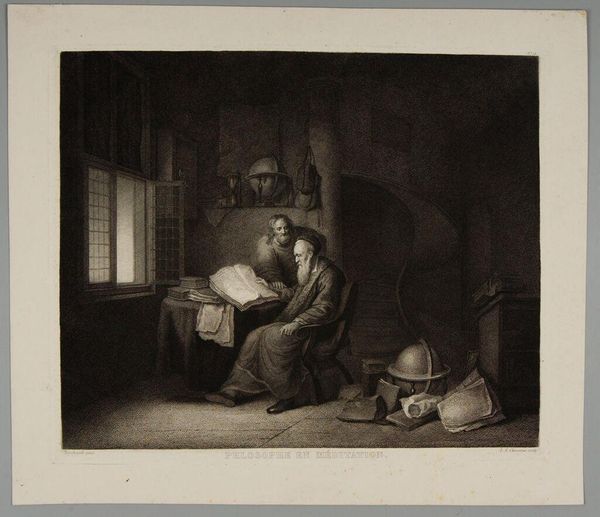
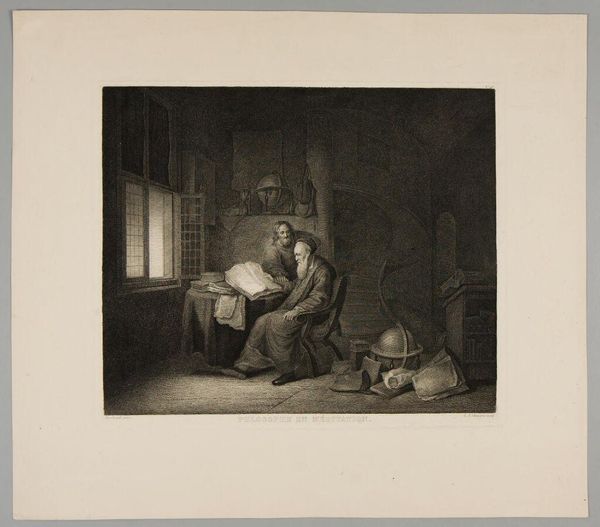
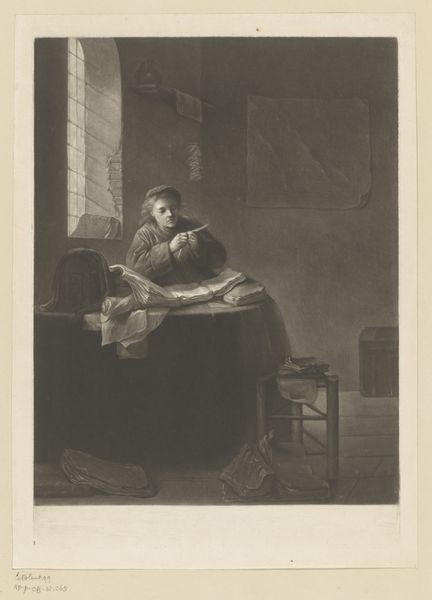
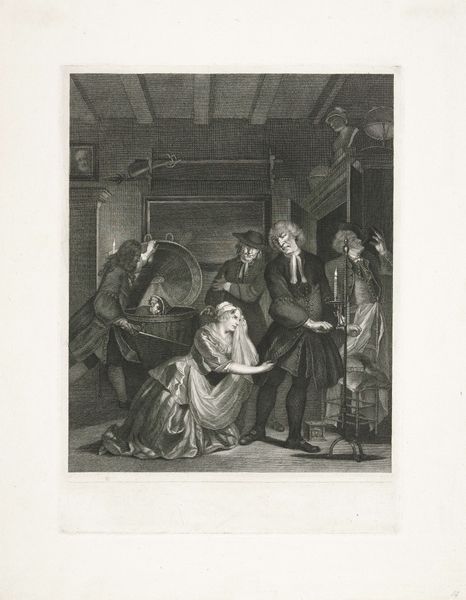
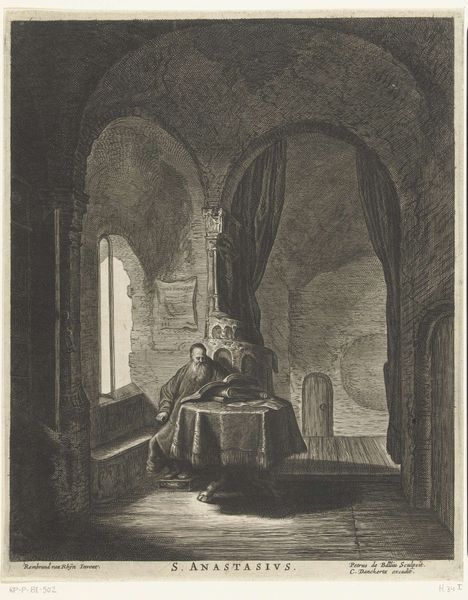
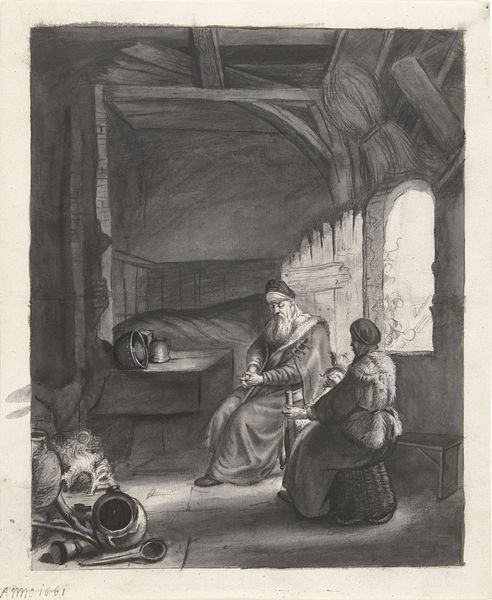
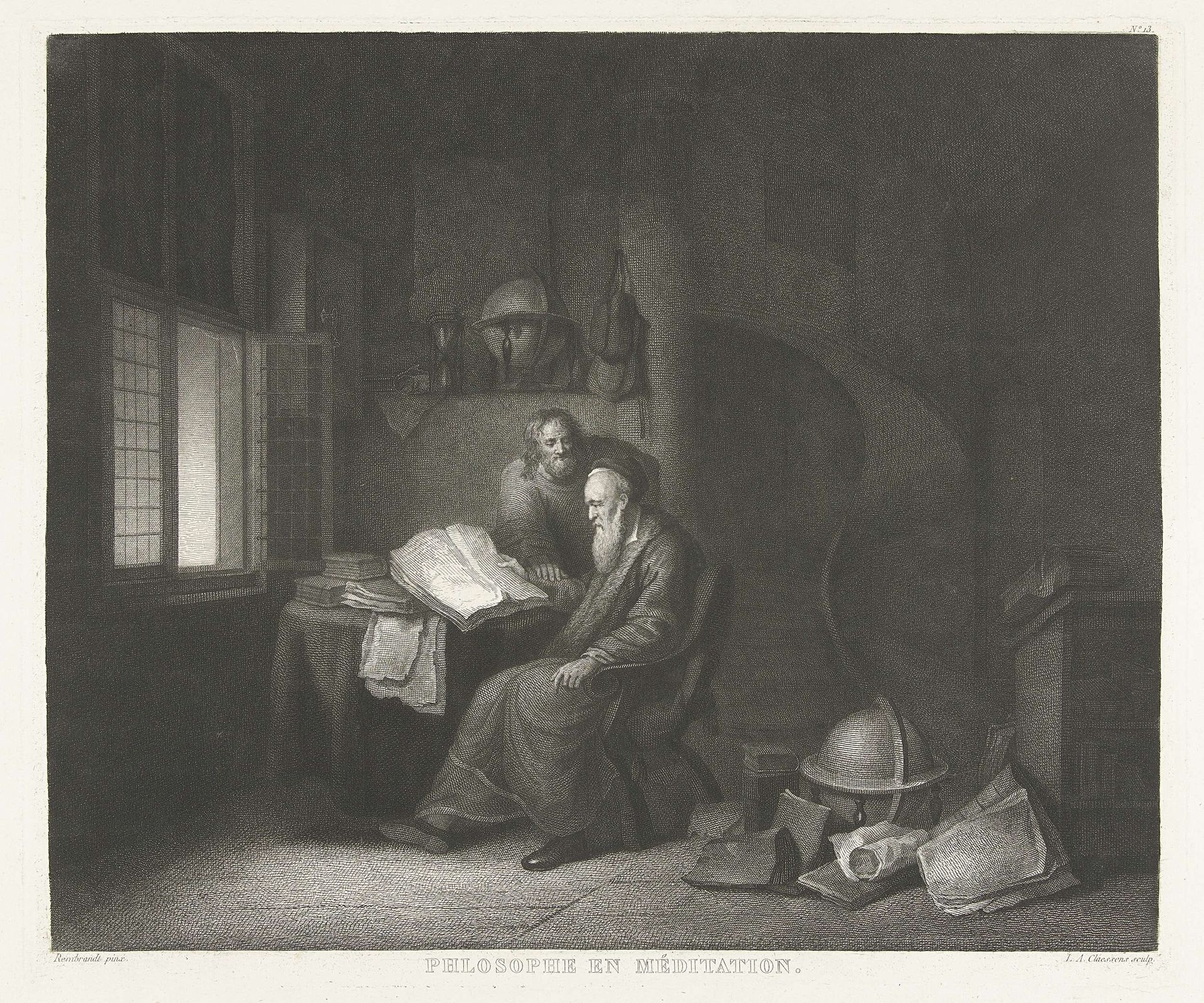
Lambertus Antonius Claessens created this print, "Old Man in his Study," sometime in the late 18th to early 19th century. Claessens lived through a period of immense social and political upheaval as old European monarchies gave way to new republics and empires. In this print, we see two men in a sparsely decorated room, filled with books and scientific instruments. An older man with a beard sits at a table, with a younger man standing behind him, looking over his shoulder. Their faces are partially obscured by shadows, adding to the image's contemplative mood. The scene suggests a moment of shared intellectual pursuit, perhaps a mentor guiding a student. The presence of the globe, books, and scientific instruments tells us that this is a space devoted to learning and reflection. But what does it mean to engage in philosophical pursuits during a time of great change? Does the image evoke a sense of hope, or does it remind us of the limits of human knowledge?

Artwork details
- Medium
- drawing, print, ink, engraving
- Dimensions
- height 260 mm, width 315 mm
- Copyright
- Rijks Museum: Open Domain
Tags
Comments
Share your thoughts
About this artwork
Lambertus Antonius Claessens created this print, "Old Man in his Study," sometime in the late 18th to early 19th century. Claessens lived through a period of immense social and political upheaval as old European monarchies gave way to new republics and empires. In this print, we see two men in a sparsely decorated room, filled with books and scientific instruments. An older man with a beard sits at a table, with a younger man standing behind him, looking over his shoulder. Their faces are partially obscured by shadows, adding to the image's contemplative mood. The scene suggests a moment of shared intellectual pursuit, perhaps a mentor guiding a student. The presence of the globe, books, and scientific instruments tells us that this is a space devoted to learning and reflection. But what does it mean to engage in philosophical pursuits during a time of great change? Does the image evoke a sense of hope, or does it remind us of the limits of human knowledge?
Comments
Share your thoughts